Overall impression: Experiences at Ashton Commons are mixed, with a consistent set of strengths around the physical plant, programming, and certain clinical services, and recurrent operational weaknesses tied to staffing, management consistency, and pricing.
Care and clinical services: Several families praised the nursing and therapy teams and highlighted the facility’s strong rehabilitation department and effective memory-care programming under noted leadership. At the same time, reviews describe operational gaps that affect clinical reliability — specifically delays in medication updates and communication lapses between on-site clinical staff and physicians. These process issues have been linked in reviewers’ accounts to intermittent safety and responsiveness concerns. Staffing instability and variable training appear to be the primary drivers of those inconsistencies.
Staff and culture: Many reviewers emphasize warm, attentive, and welcoming staff interactions, fast move-ins, and staff who provide personalized attention. Conversely, high turnover and short-staffing were recurring themes; these patterns correlate with instances of slower response times, concerns about conduct or tone in staff–resident interactions, and uneven service delivery across shifts and units.
Dining and food service: The dining experience is polarized. When the kitchen is fully staffed with a chef and adequate servers, reviewers describe high-quality, varied, and enjoyable meals. However, periods of understaffing or leadership change in dining have produced slow service, meals served at poor temperatures, and inconsistent culinary quality. Reviewers connect these fluctuations to staffing shortages and to gaps in meal-service continuity and supervision.
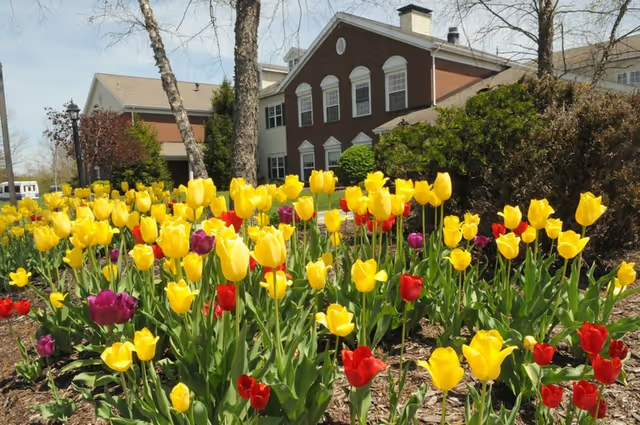
Activities and amenities: The facility’s activity calendar and physical amenities receive consistent praise. Residents and families report active programming (happy hours, bingo, karaoke, outings), an on-site church, salon services, an activity bus, and therapy offerings. The building’s accessibility features — walker-friendly bathrooms, one-floor layouts, and ample storage — and the bright, well-maintained common areas are frequently noted as strong contributors to resident quality of life.
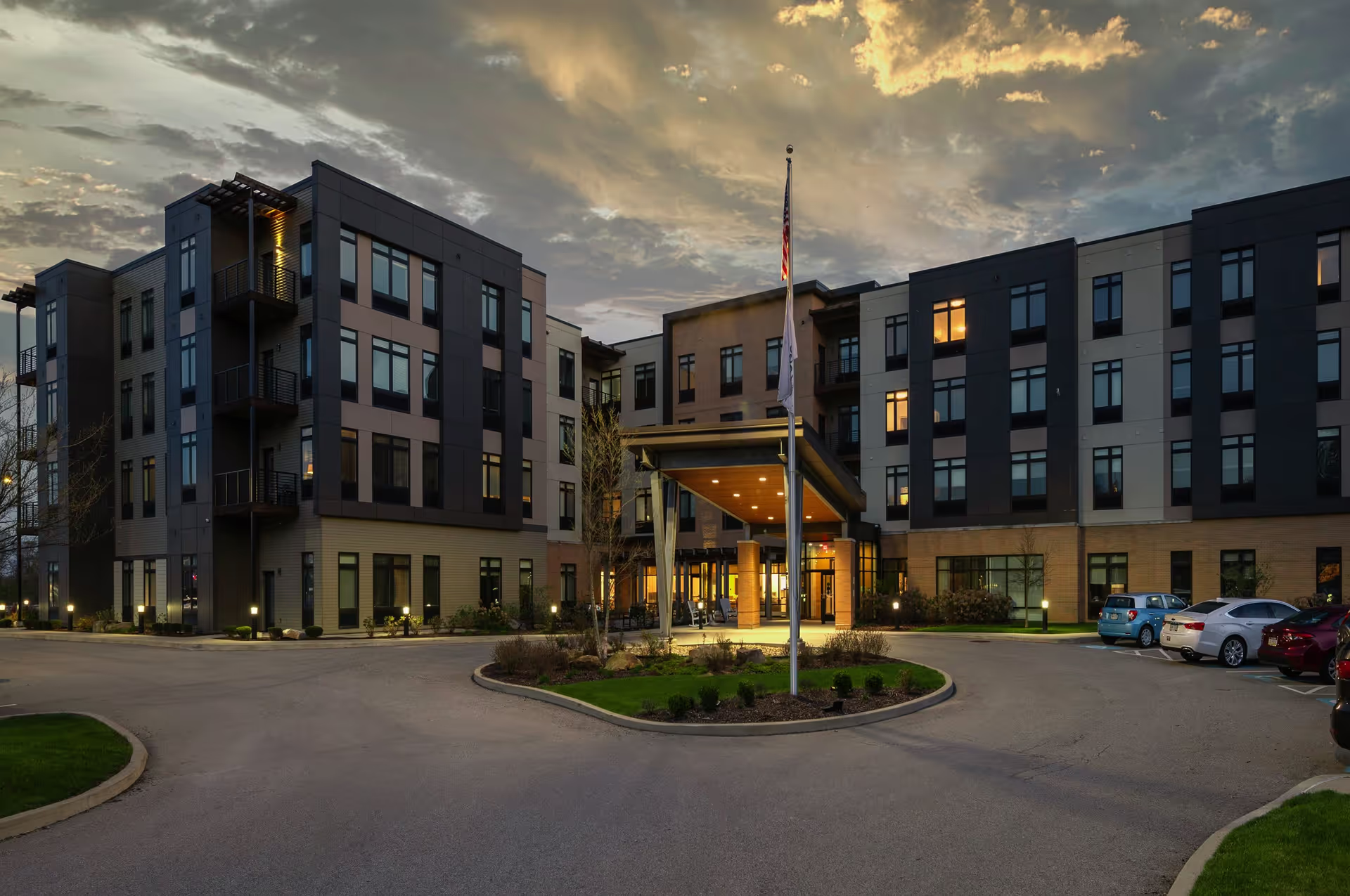
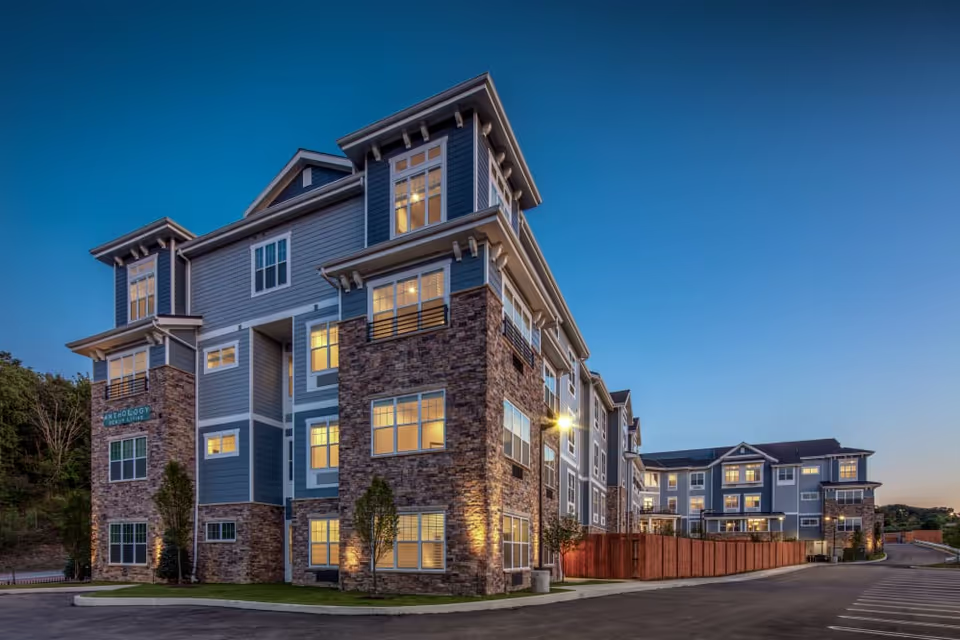
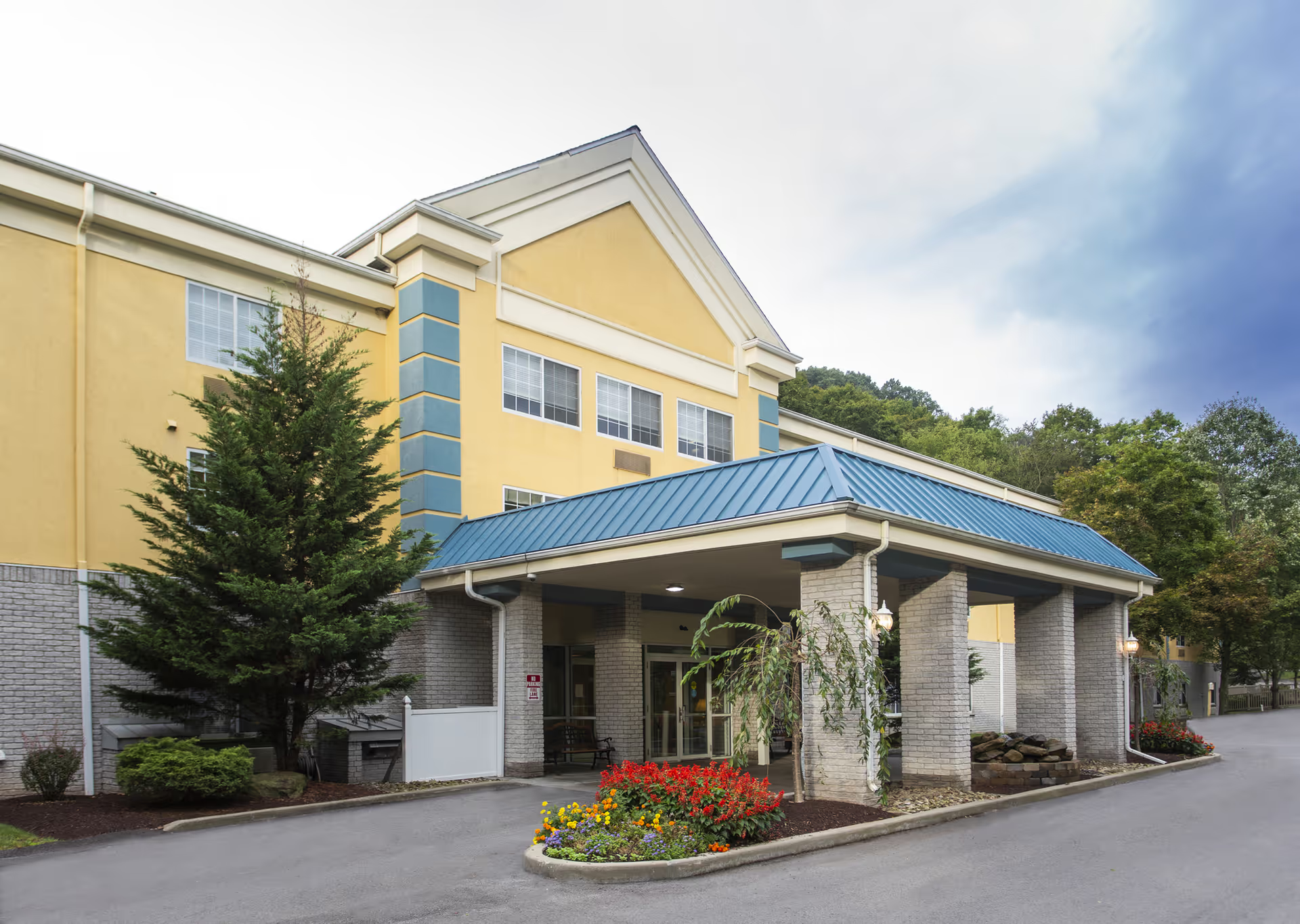
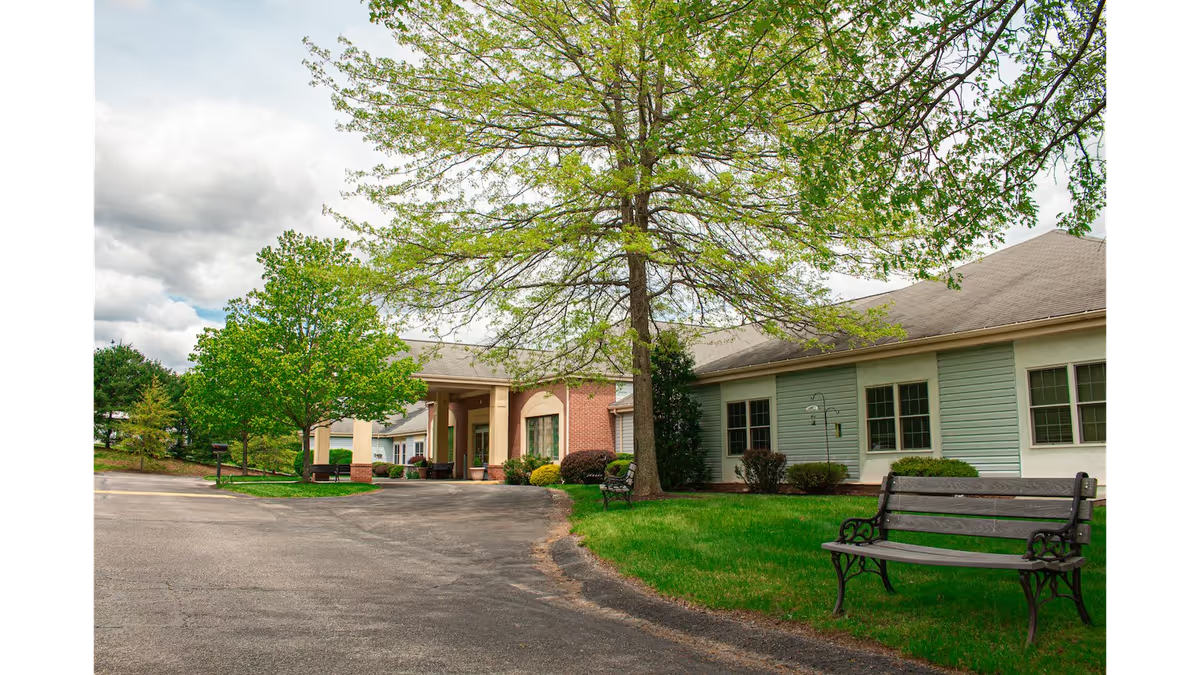
Facilities and value: The community’s new construction, clean interiors, and convenient location near shopping are clear strengths. At the same time, price sensitivity is a strong theme. Several reviewers described significant fee increases, promotional-pricing confusion, and a perception that the cost does not always match the level of service provided during periods of operational strain. This has produced dissatisfaction among prospective and current residents who find the community financially challenging.
Management and patterns to watch: Reviewers describe two distinct management experiences: some report responsive, accommodating leadership and successful transitions, while others describe frequent executive turnover, difficulty reaching senior leaders, and decisions made without clear resident input. These management inconsistencies appear linked to the operational concerns above (staffing, dining, communication, and billing). Prospective residents and families should evaluate current leadership stability, staffing ratios, and how pricing/promotions will be honored over time.
Bottom line: Ashton Commons offers strong physical amenities, an active program of social and therapeutic services, and notable strengths in memory care and therapy when staffing is stable. However, recurring operational traits — inconsistent staffing and training, variable dining and housekeeping reliability, medication-administration delays, management turnover, and unclear pricing practices — introduce variability in resident experience. Prospective residents should tour the community, speak with current residents about recent staffing and dining conditions, review current contracts and promotional terms in writing, and ask for specifics on staffing ratios and medication-handling procedures before committing.