The reviews present a polarized picture of care at this facility, with a substantial cluster of serious operational concerns alongside a number of specific strengths. Many families described repeated delays in basic care tasks and hygiene support; reviewers linked those delays to chronic understaffing and to uneven performance across shifts. At the same time, the facility receives consistent praise for its rehabilitative services and for individual staff members who provided compassionate, person‑centered care and effective therapy outcomes.
Care quality and clinical oversight are inconsistent. Positive accounts highlight effective physical, occupational, and speech therapy teams that supported measurable recovery. Conversely, multiple accounts identify medication‑management lapses, missed doses, and gaps in clinical follow‑up. Several reviewers raised concerns about skin integrity and other clinical risks when basic hygiene and toileting assistance were delayed. These clinical concerns appear to correlate with staffing shortages and with reported reliance on temporary or less experienced personnel during some shifts.
Staff behavior and responsiveness vary by shift. Many families praised specific nurses, aides, social workers, and reception staff for being attentive, respectful, and communicative. However, a recurring theme is inconsistent professionalism and communication tone among staff, especially overnight and on weekends. Call‑bell response times, delays in toileting assistance, and occasional rough or inattentive handling were noted as operational weaknesses. Social work and case management were described as very helpful in some cases but as inexperienced or unresponsive in others.
Dining and activities are similarly mixed. The facility offers an active activities program and some families reported nourishing, accommodating meals that met preferences. Other families described inconsistent meal quality and limited nutritional value on certain days. The activities program and communal spaces received positive feedback from residents who experienced engagement and social interaction.
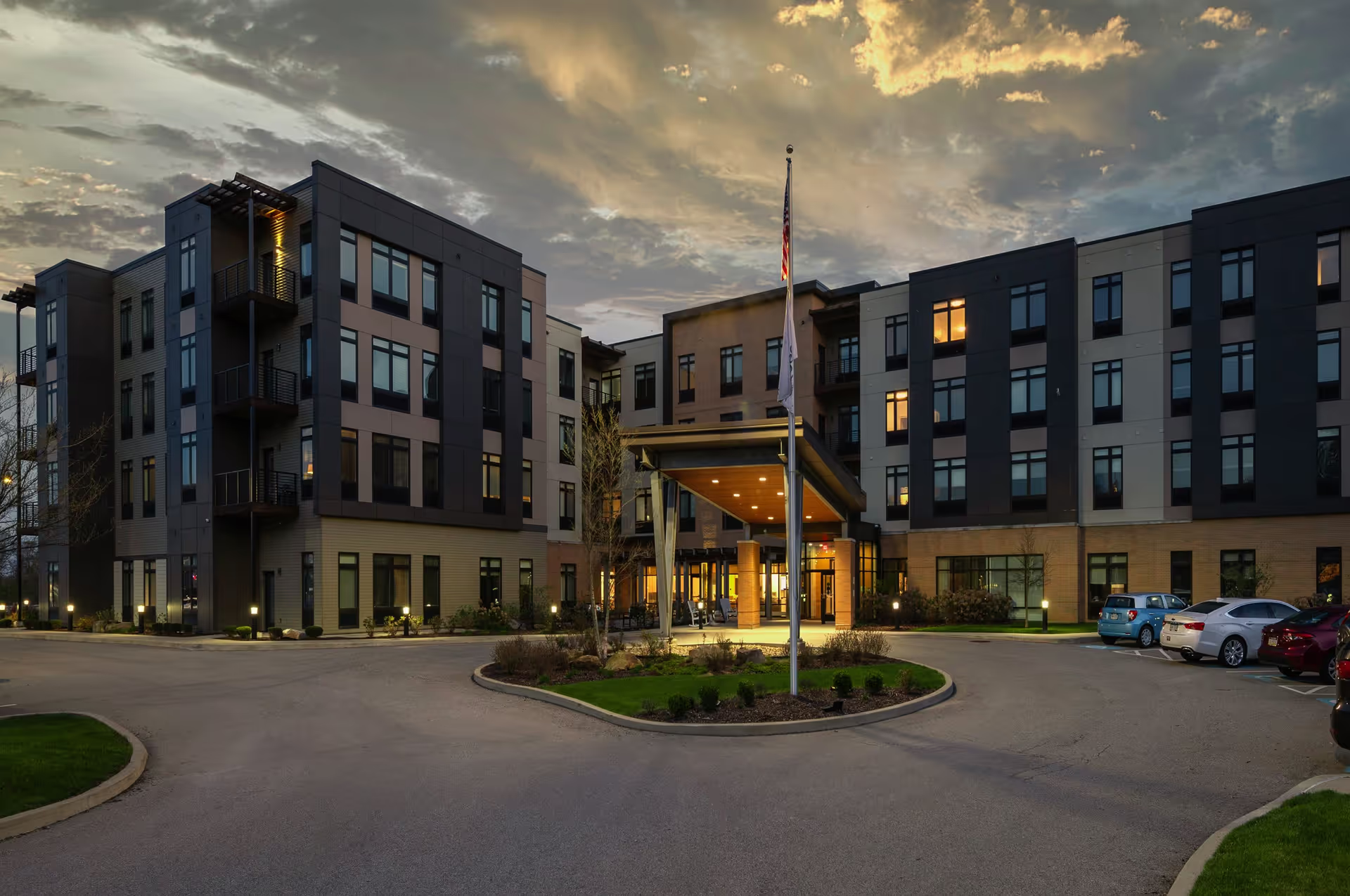
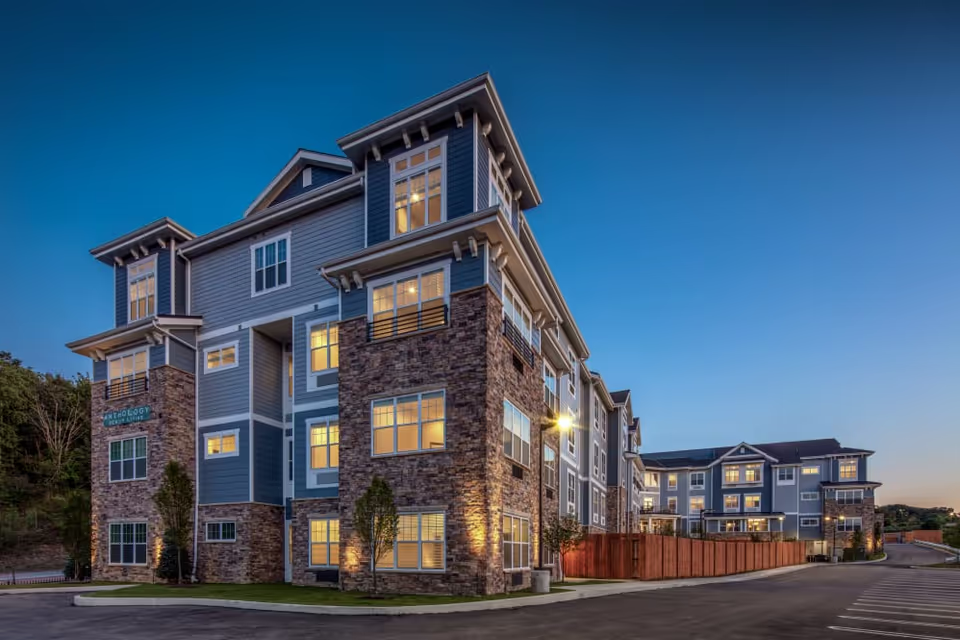
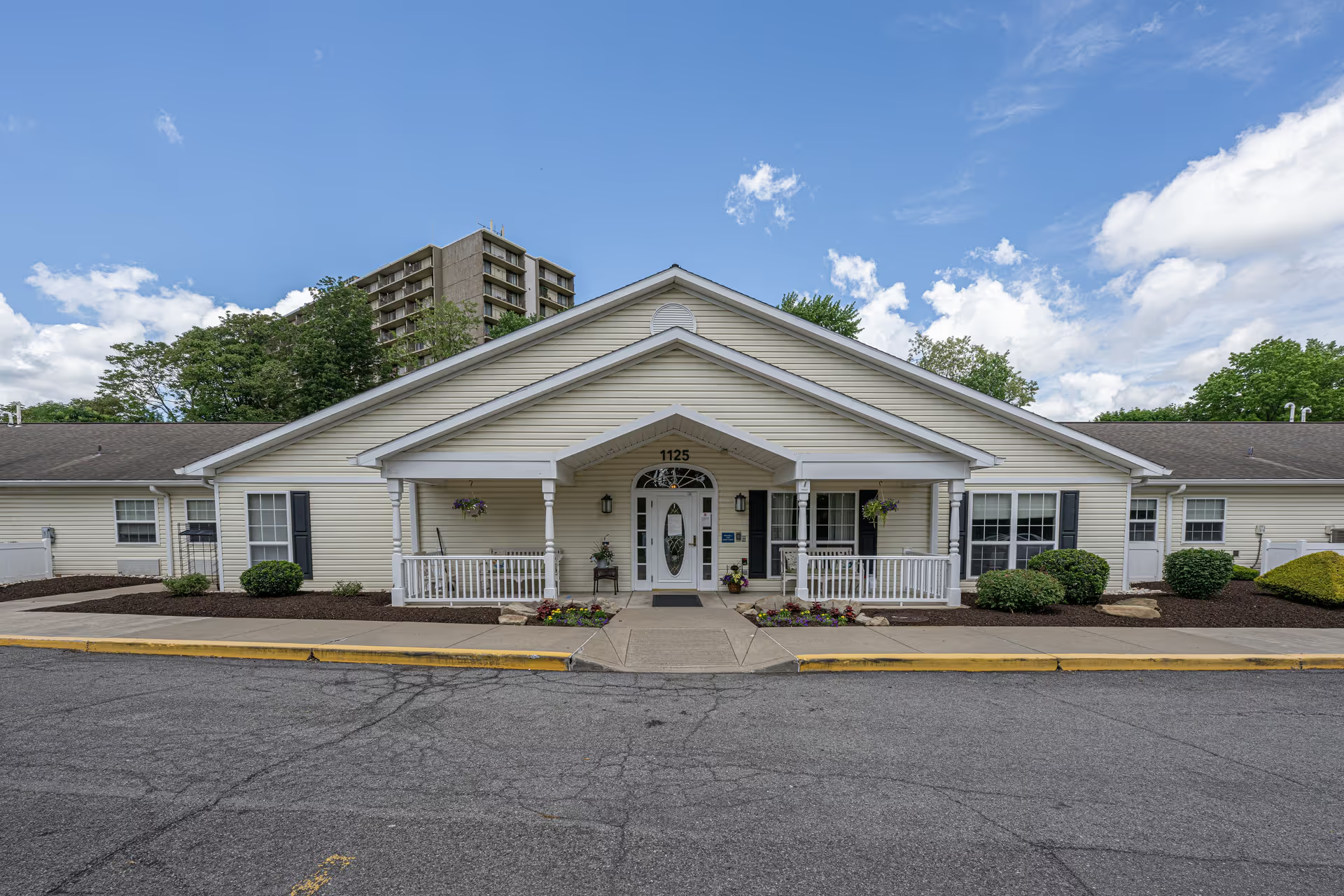
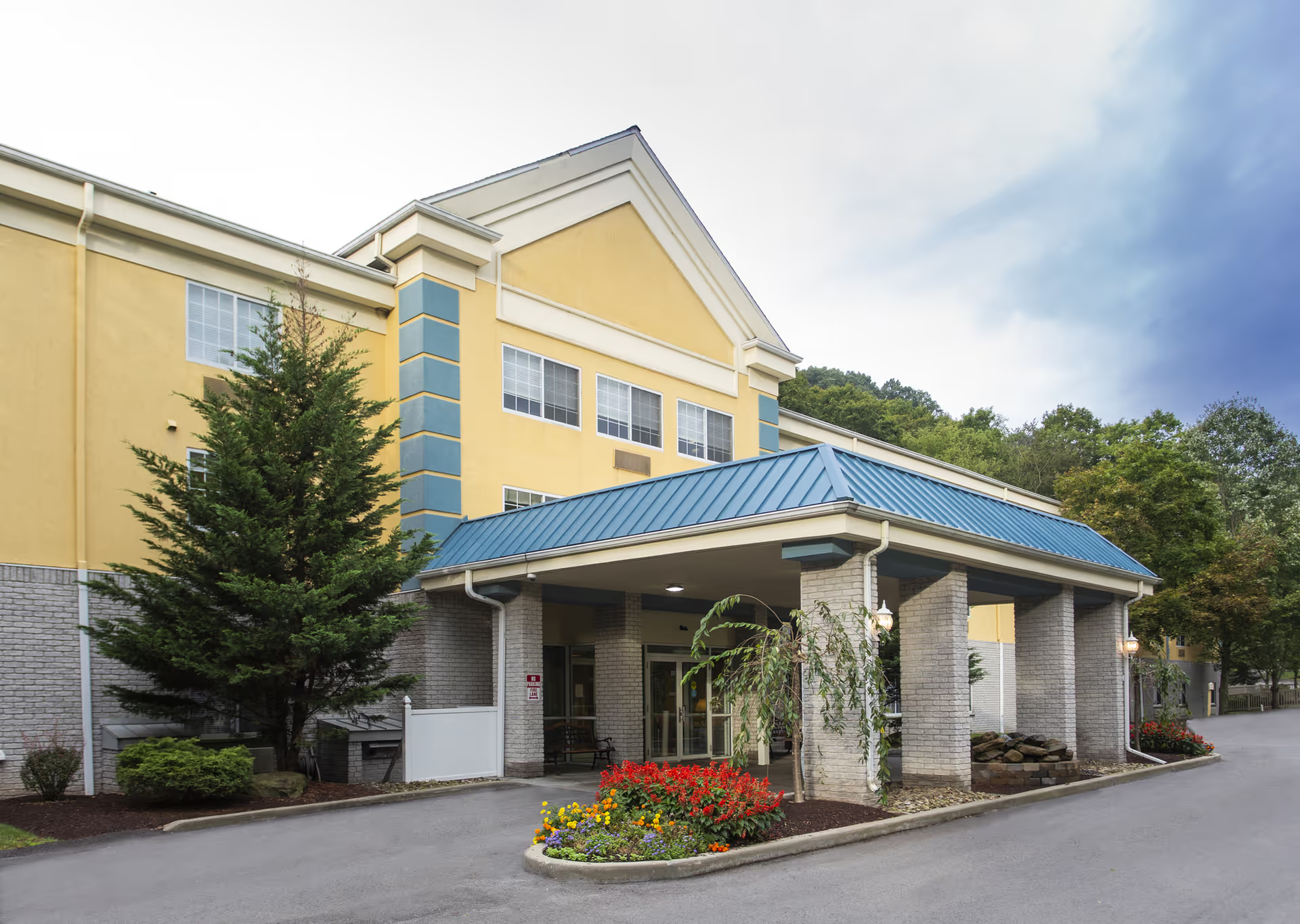
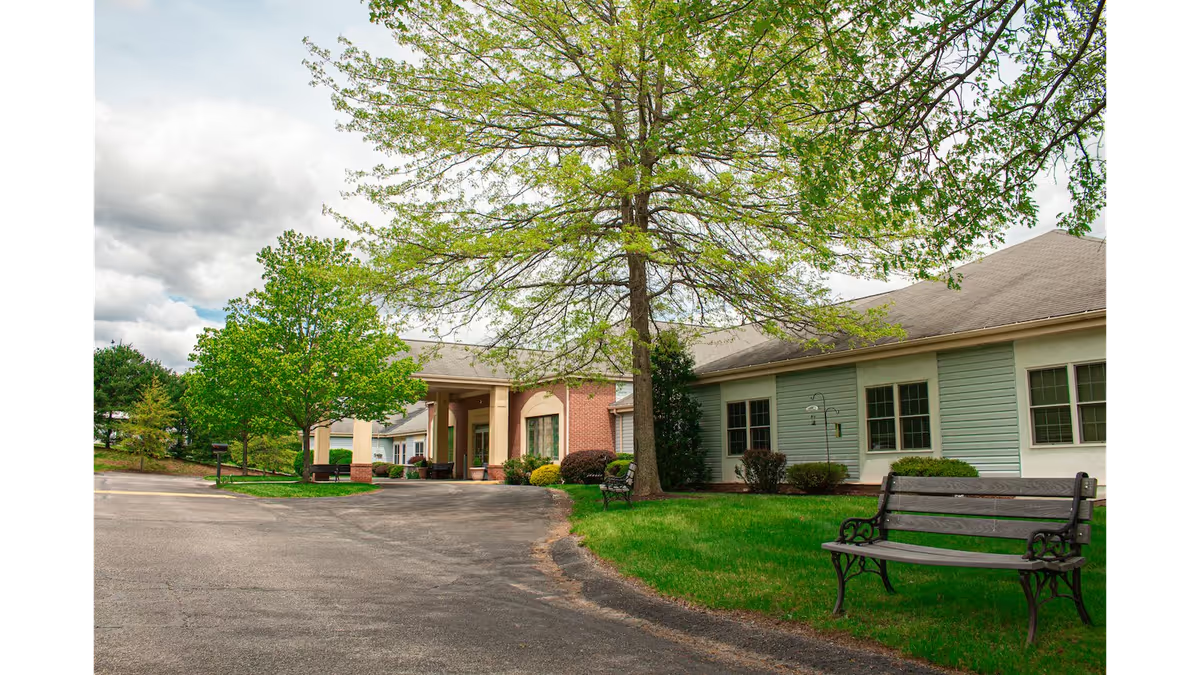
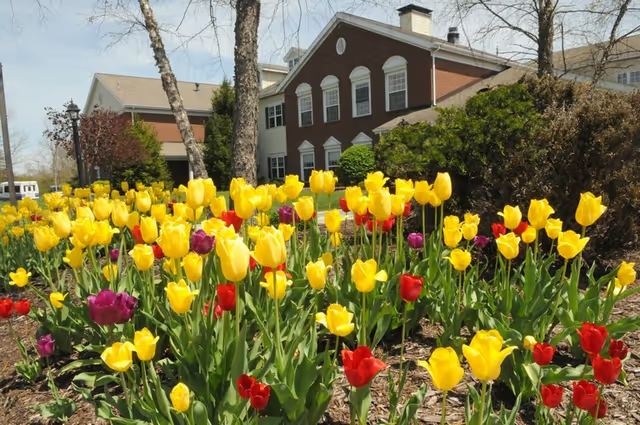
Facility condition and housekeeping show internal inconsistency. Several reviewers described renovated rooms, well‑maintained grounds, and responsive maintenance. At the same time, others described housekeeping and sanitation concerns within resident rooms and some common areas, including odor concerns and issues with laundry and linen availability. There were also notes about privacy and room maintenance protocols that could be improved.
Management and governance issues were frequently raised. Reviewers described inconsistent communication from administration, pressure around discharge timing, high staff turnover, and occasional reliance on agency or inexperienced staff. While some families experienced prompt, transparent communication and strong case management, others found administrative responsiveness lacking when concerns were escalated.
Notable patterns: understaffing is the most consistent explanatory factor for many operational problems (delayed care, hygiene gaps, missed medications, and variable food/housekeeping service). At the same time, strong therapy teams and individual caregivers provide meaningful positive experiences for some residents. Prospective families should weigh the facility’s robust rehabilitation capabilities and activity programming against the documented variability in staffing, cleanliness, clinical oversight, and management responsiveness. For higher‑acuity residents or those requiring consistent hygiene, toileting assistance, or tight medication oversight, follow‑up questions about current staffing levels, infection‑control and housekeeping protocols, medication‑safety processes, and weekend/overnight coverage are advisable. Families noting serious clinical or safety concerns may also consider requesting recent inspection records or speaking directly with case management about staffing and supervision practices.