Feedback about Hillcrest Center is strongly mixed: a substantive portion of accounts describe compassionate, clinically effective care and positive rehabilitation outcomes, while another portion raises operational and supervision concerns that families should assess before placement.
Care quality and clinical services are a clear strength in many narratives. Interdisciplinary coordination — including physicians, nurses, wound-care specialists, nutritionists, and therapists — is credited with stabilizing vitals, improving skin integrity, and restoring mobility for numerous residents. Physical and occupational therapy, wound care, and targeted rehab programs are often described as effective, and several families attribute measurable recovery progress to those services.
At the same time, recurring operational issues affect perceived consistency of care. There are repeated accounts of delayed or incorrect medication timing, inconsistent bathing schedules, and delays in attending to continence needs. These items point to variability in direct-care performance and responsiveness during some shifts. Reports about unrealistic therapy goal-setting and aggressive billing practices suggest families should clarify therapy plans and financial authorization processes prior to admission.
Staff behavior and professionalism are polarizing. Many comments praise CNAs, night staff, and selected nurses for attentiveness, kindness, and going above and beyond. Conversely, other accounts raise concerns about conduct, workplace fraternization, tone in communication, and supervision — issues that reviewers link to inconsistent resident experiences. Staffing continuity and supervisory presence are recurrent themes tied to both positive and negative accounts.
Dining and activities are similarly mixed. Dietary staff and individual cooks receive praise for accommodating restrictions and preparing appealing meals in many reports, but others describe inconsistent meal temperature and quality. The activities team and social workers are frequently highlighted as engaged and creative, though some accounts note limited or repetitive programming on certain units.
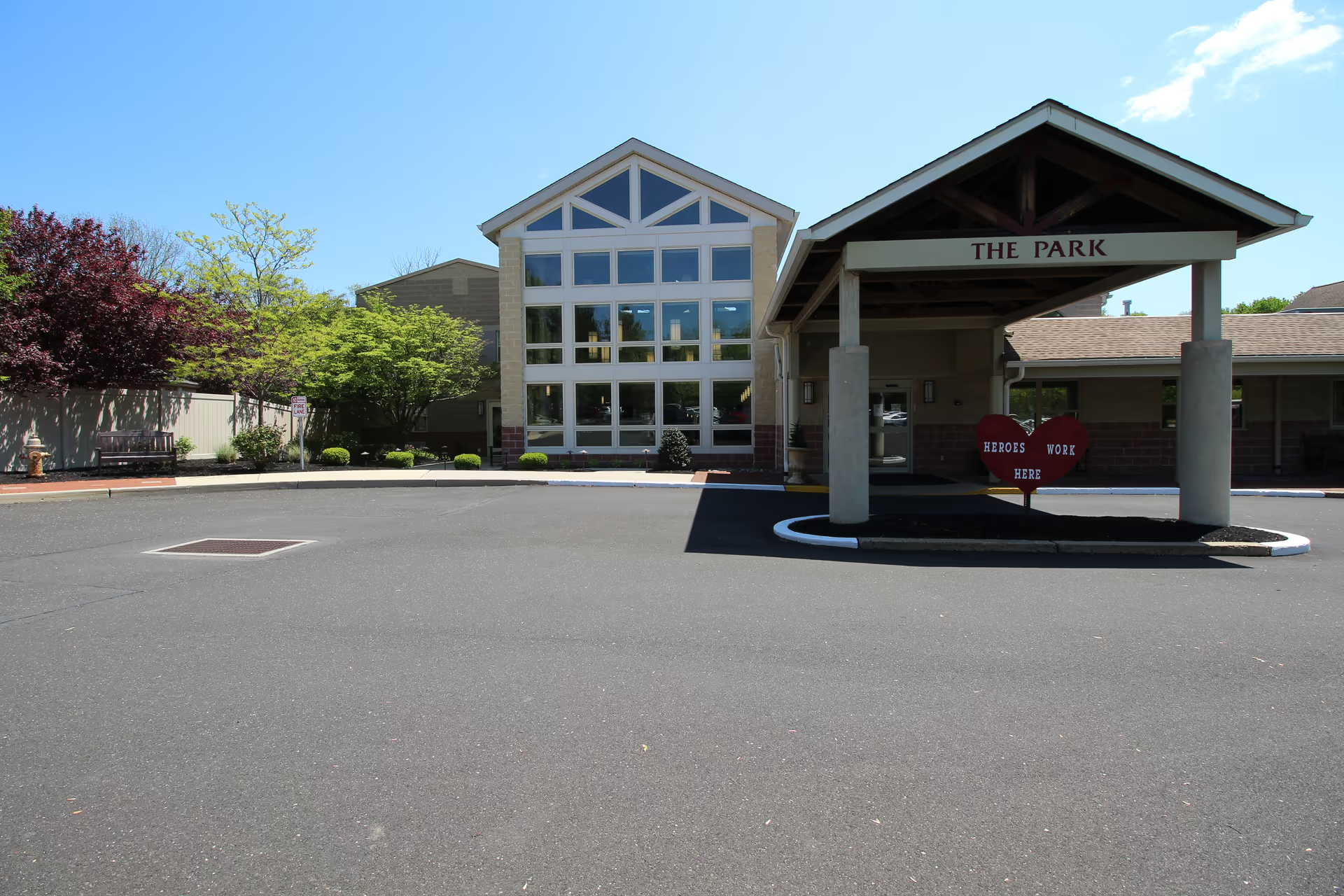
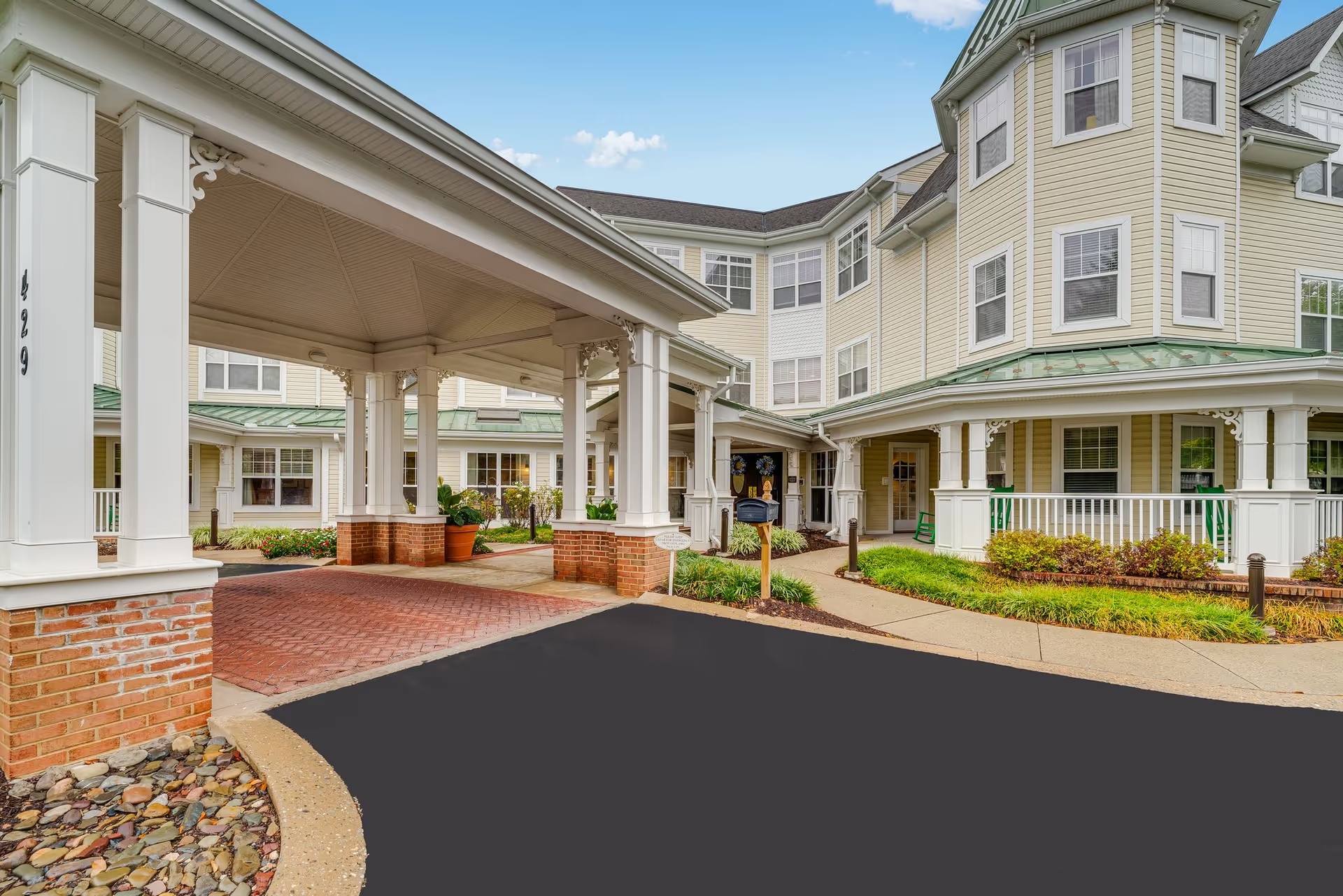
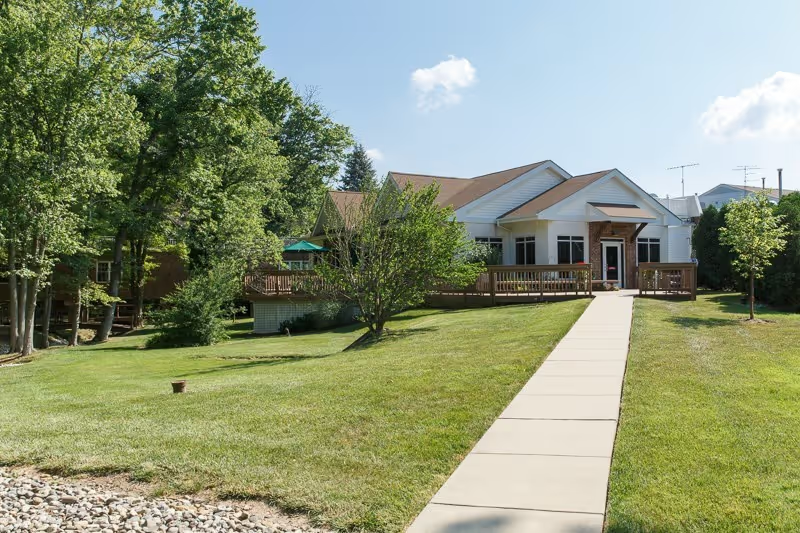
Facility condition and safety areas merit targeted questions. Several accounts describe a generally clean, well-decorated interior and pleasant outdoor areas, while others reference cleanliness variability, odor concerns in specific areas, delayed maintenance requests, and crowded multi-person rooms. Exterior concerns include dim entrance and parking-area lighting and challenging exit visibility; families should evaluate parking and lighting during a tour. Privacy concerns — including use of surveillance and biometric systems — are flagged and worth clarifying with administration before a move-in.
Management and communication produce divergent impressions. Many families praise responsive admissions, an engaged administrator or director of nursing, timely follow-up, and regular virtual updates or care conferences. Other accounts describe difficulty reaching leadership, unreturned calls, dismissive responses, and high staff turnover. There are also serious financial and security-related concerns in a subset of accounts, including allegations of missing personal items and contested charges; these items should prompt verification of billing practices, property safeguards, and grievance procedures.
Overall recommendation: Hillcrest Center offers demonstrable clinical strengths and a number of highly regarded staff members and programs, but the facility also exhibits inconsistent operational performance in areas that materially affect daily resident experience. Prospective residents and families should conduct an in-person tour at different times of day, request recent staffing ratios and turnover data, review medication- and billing-protocols, ask about privacy/surveillance policies, inspect room occupancy arrangements, and obtain references from current families before making a placement decision.