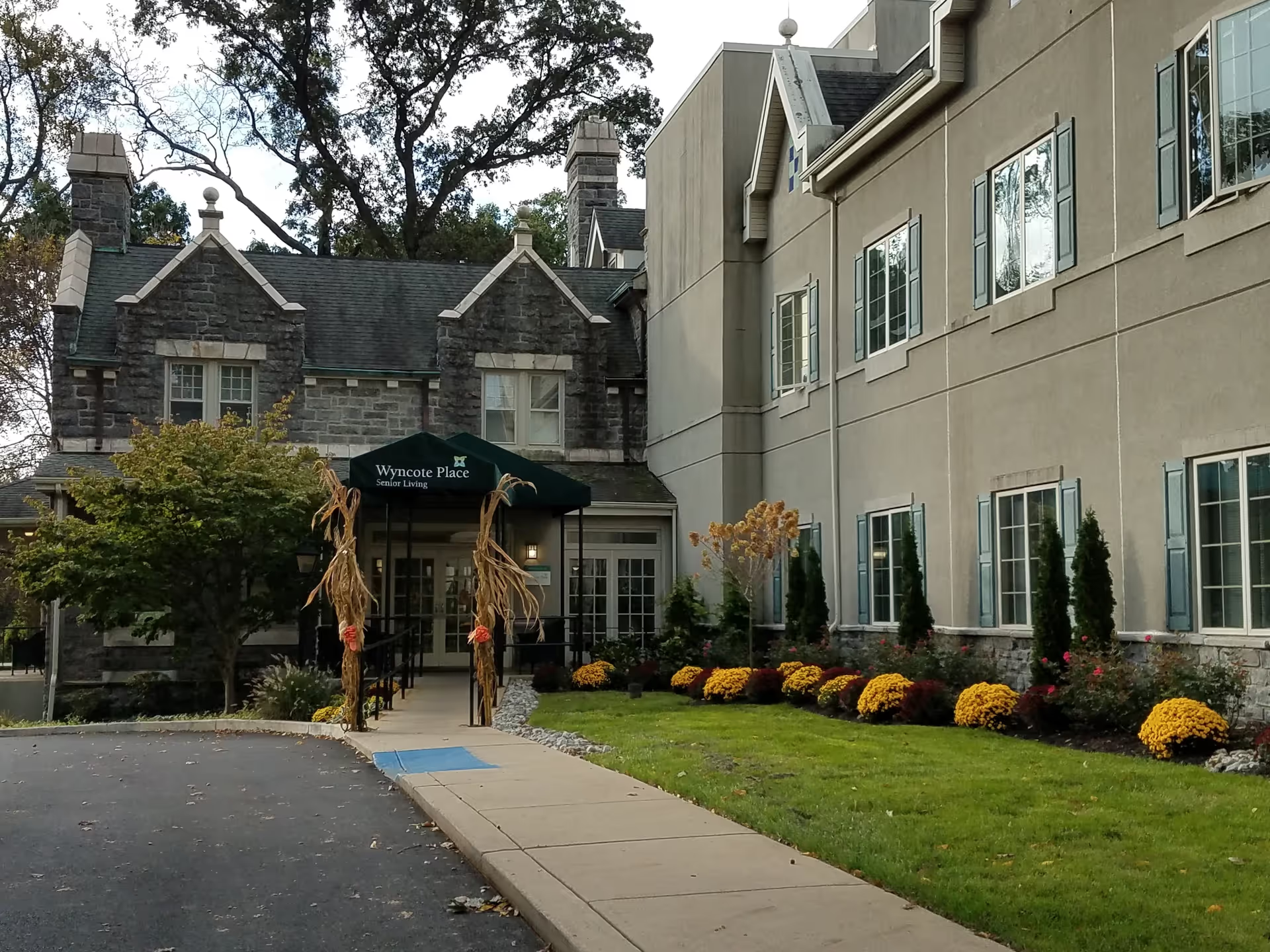
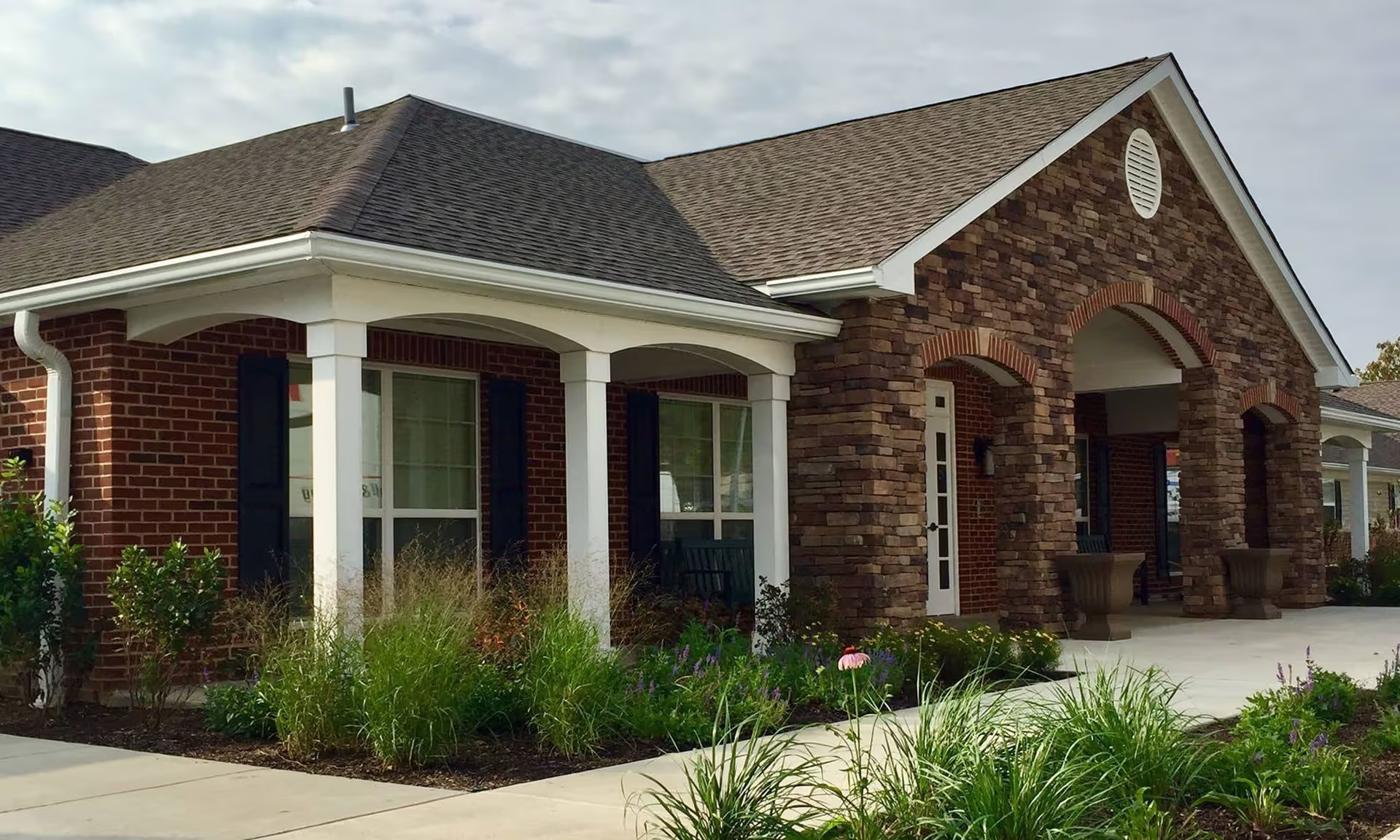
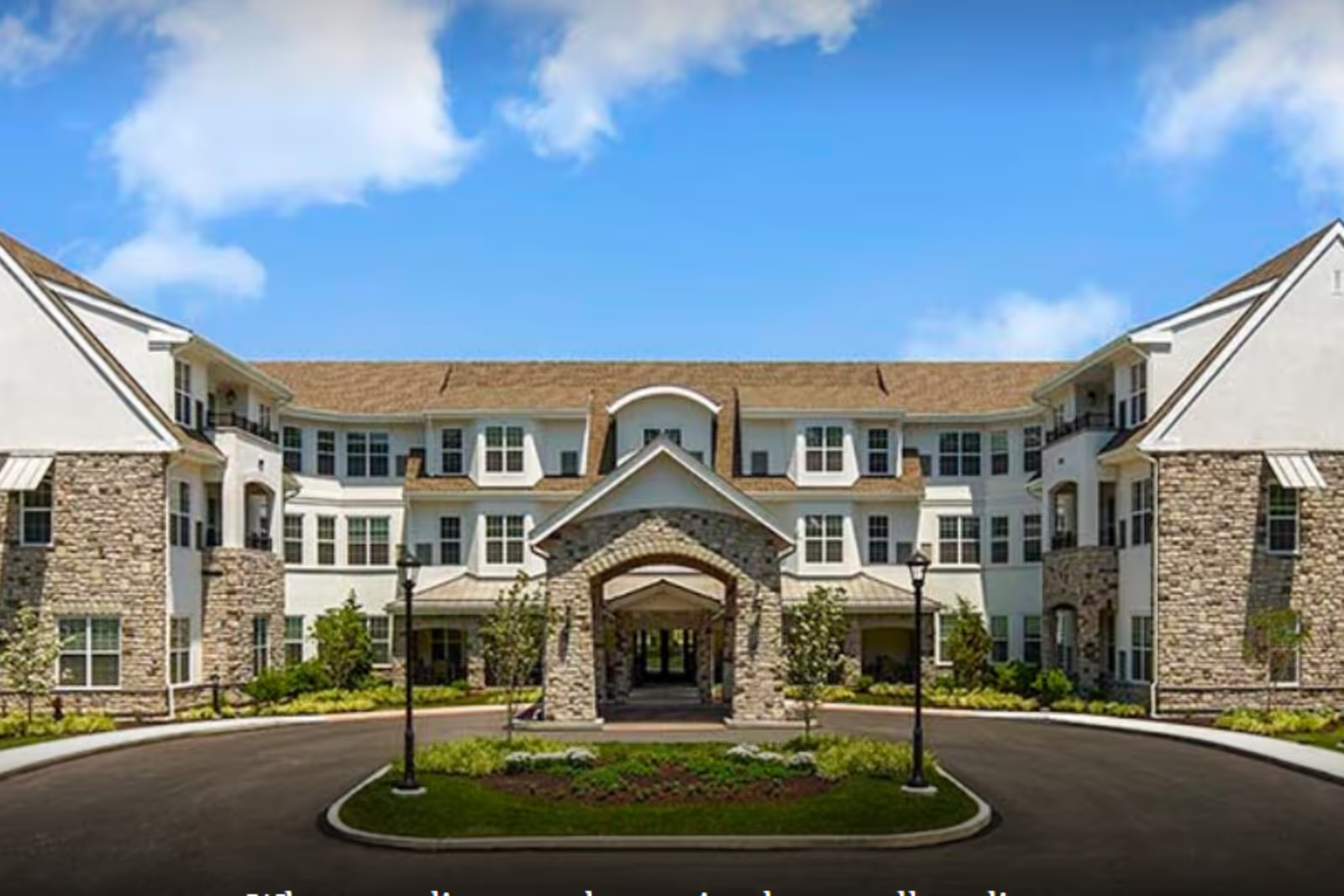
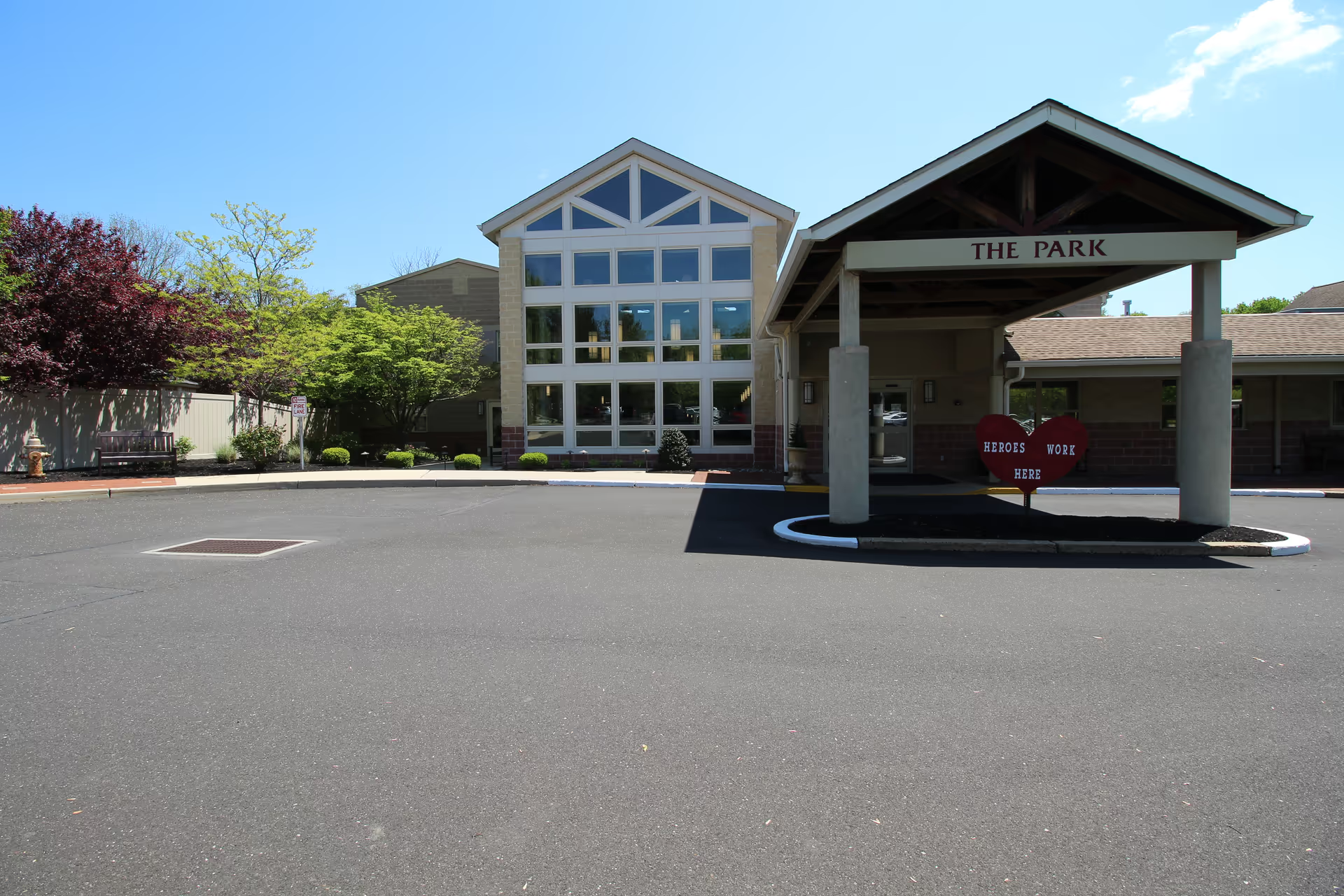
The collected reviews present a mixed picture of Hopkins Center: the facility receives repeated praise for its therapy programs, wound care, and many individual staff members, while also attracting substantive operational criticisms related to cleanliness, supervision, and administrative follow-through. Families and visitors frequently highlight strong rehabilitation outcomes, skilled therapists, effective wound-care clinicians, and staff who are welcoming, communicative, and supportive. At the same time, there are persistent comments indicating variability across units and shifts that affect everyday care and environment.
Care quality shows a clear bimodal pattern. Clinical strengths include well-regarded PT/OT services, successful wound management, and proactive nurse-practitioner involvement that contributed to measurable recovery for several residents. Conversely, reviewers raised concerns about gaps in clinical processes: delays in vital-signs and lab monitoring, inconsistent medication-administration practices, and occasional failure to attend promptly to call bells or repositioning needs. Transfer- and mobility-safety practices were questioned in a subset of accounts; prospective families should seek documentation of staff training and injury-prevention protocols during a tour.
Staff behavior and communication are also described inconsistently. Many comments single out compassionate, professional nursing aides, therapists, and front-desk personnel who provide family-oriented communication and reassurance. However, other accounts describe problematic conduct and tone from some staff, inconsistent responsiveness when staff are occupied, and isolated but serious claims concerning theft and physical misconduct; these latter claims are framed by reviewers as allegations. Supervision and property-security controls were noted as an operational weakness in instances where belongings went missing or residents were unsupervised.
Dining and activities are similarly mixed. The recreation program is frequently praised for its variety and engagement, and several families credit activities with improving residence quality of life. Food-service comments range from appreciation for occasional good meals to complaints about repetitive menus, limited options, and culturally or religiously insensitive choices. Prospective families may wish to sample meals and ask about menu cycles and accommodations for dietary restrictions.
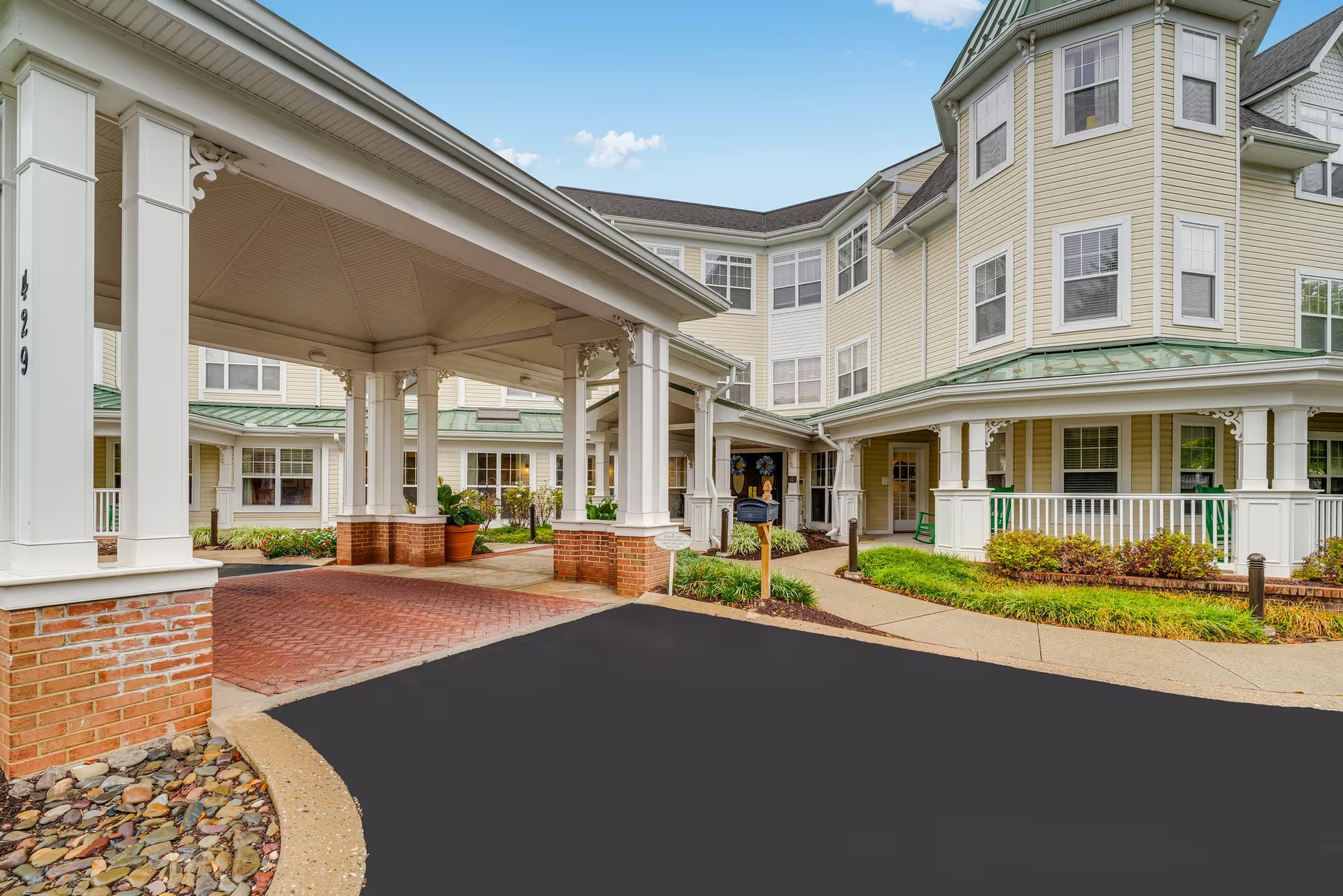
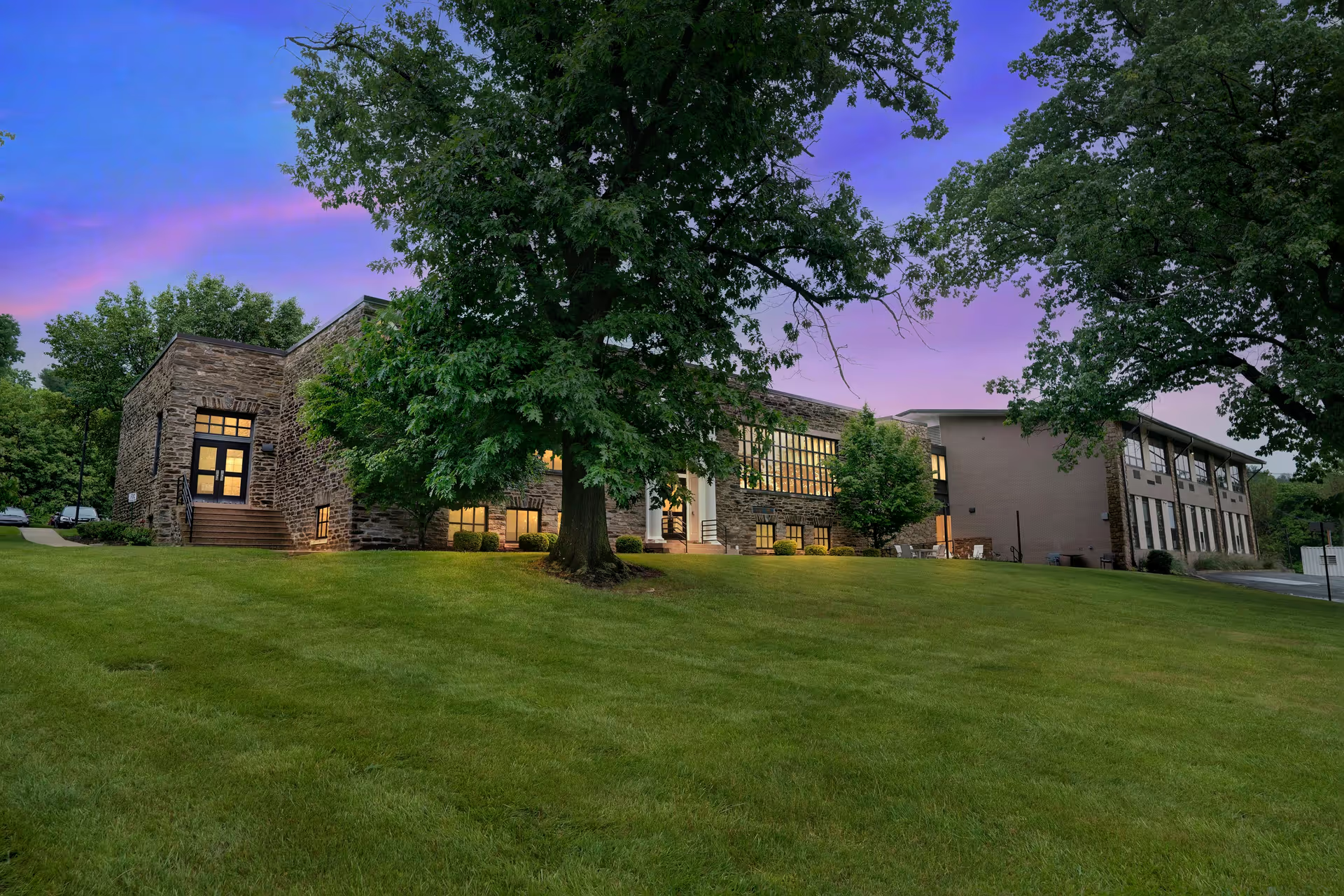
Facility condition and housekeeping represent a common concern. Multiple reviews mention sanitation and odor concerns in bathrooms and common areas, delayed or inadequate housekeeping, pest-control issues in some units, and an overall dated appearance that would benefit from renovation. At the same time, other visitors describe portions of the facility as clean and well-managed, suggesting inconsistency in maintenance standards across areas and times.
Management and administration elicit polarized impressions. Several families praise engaged administrators and proactive communication, while others describe slow or ineffective responses to incidents and requests. These divergent experiences point to variability in administrative follow-through and accountability. For those considering Hopkins Center, an in-person assessment is recommended: observe mealtimes, cleanliness, and staff–resident interactions; ask for recent state inspection reports and corrective-action plans; request details on staffing ratios, housekeeping schedules, therapy credentials, incident-reporting processes, and security measures for resident belongings.
Overall, Hopkins Center appears to offer strong clinical rehabilitation and some highly valued staff members, but it also demonstrates operational inconsistencies that can materially affect resident experience. A focused tour and direct questions about the specific concerns outlined above will help families determine whether the facility’s strengths align with their priorities and whether management has addressed the cited weaknesses.