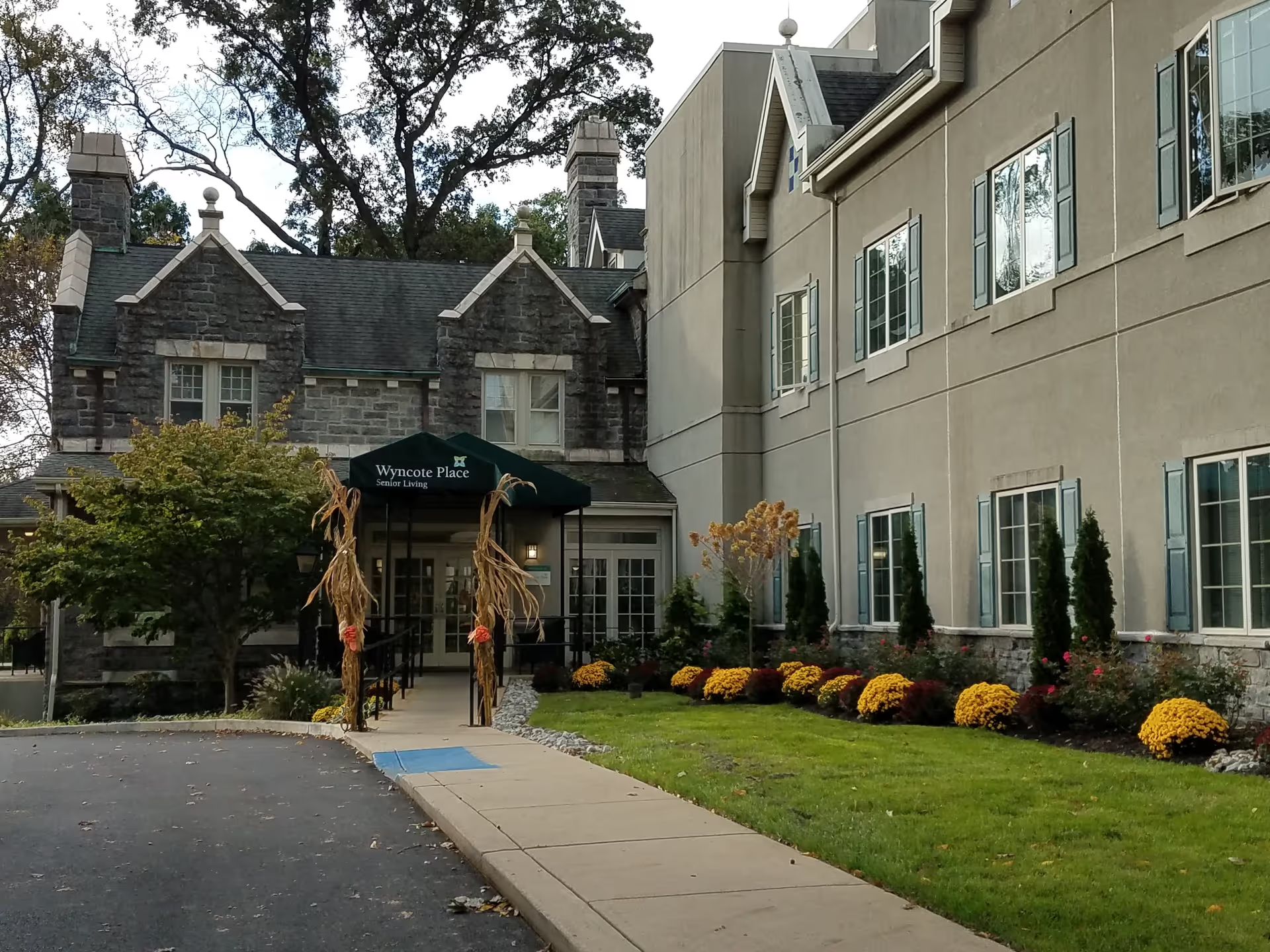
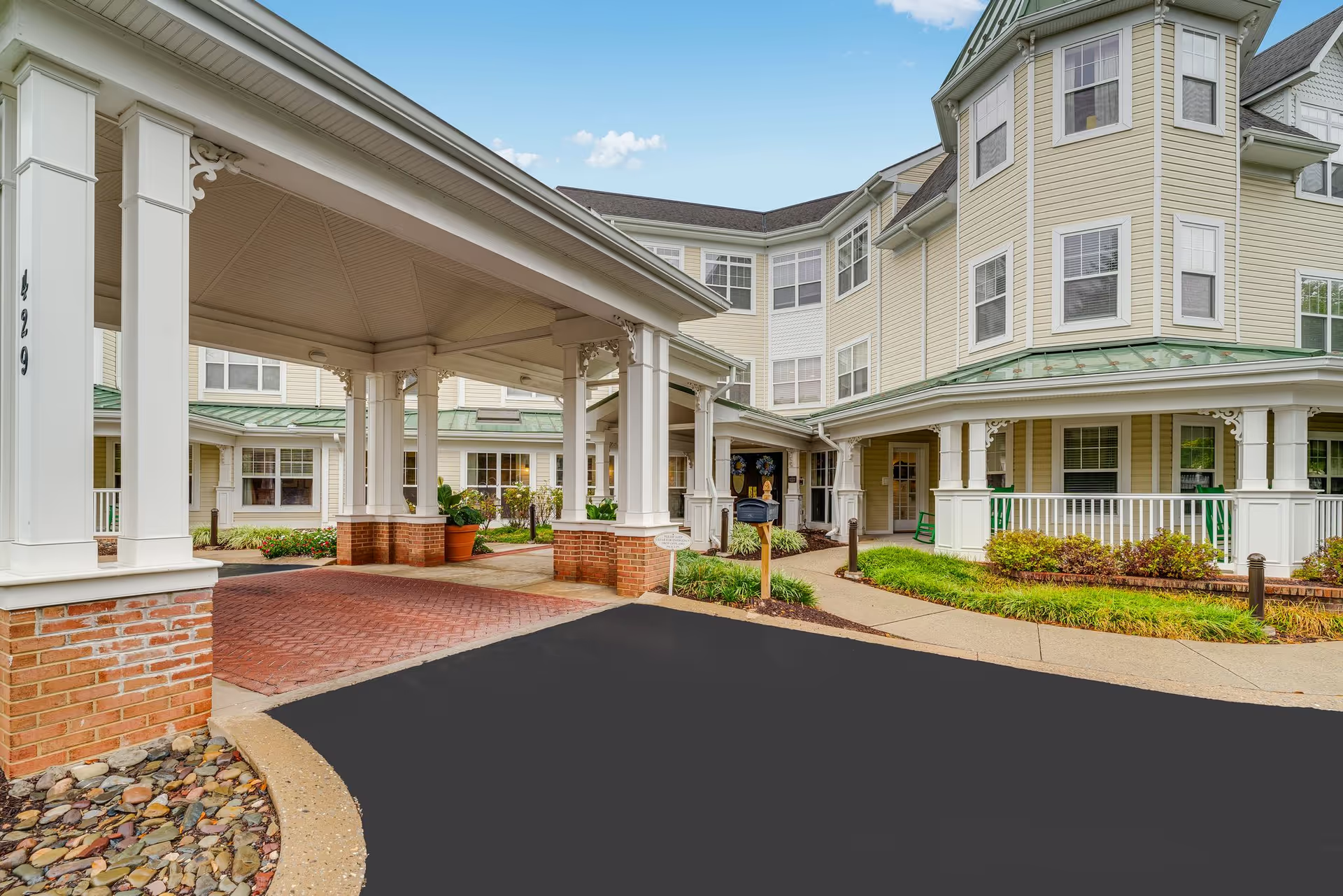
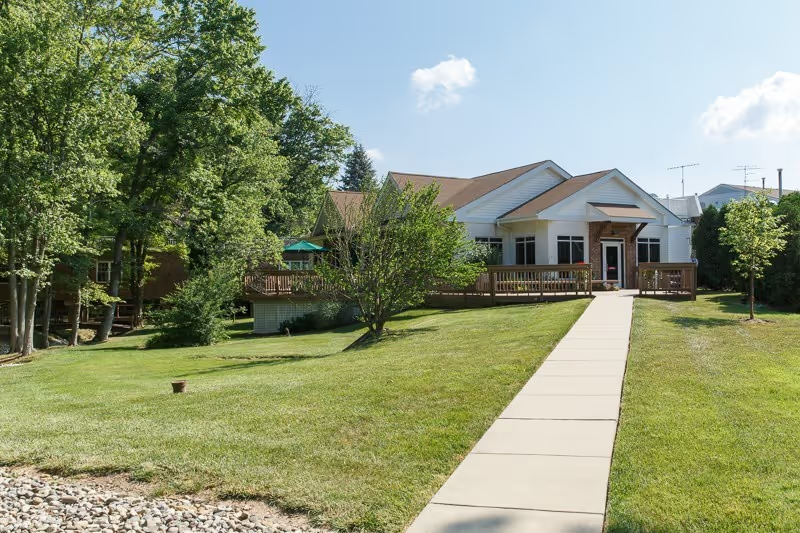
Phoebe Wyncote elicits a mix of strong praise and notable operational concerns. Many families and residents highlight the facility's clinical strengths: a generally compassionate nursing team, highly regarded physical/occupational therapy and speech services, and an activities program with a robust calendar. Reviewers frequently cite helpful admissions staff and rehab leadership, private rooms that can be personalized, a pleasant exterior and grounds, and meal programs that accommodate special diets. For short-term rehabilitation stays and structured therapy goals, several families described positive outcomes and rapid progress.
Care and staffing present a divided picture. Nursing leadership and some RNs receive consistent commendation for responsiveness and clinical attention, but there are recurring concerns about overall staffing levels and dependence on agency aides. These staffing patterns are associated with delays in assistance, longer wait times for basic needs, shift-change disconnects, and variable aide attitudes. Reviewers described specific clinical-safety concerns related to medication management and hydration; while these are not universal, they indicate gaps in medication-administration controls and care coordination that warrant direct questions during a tour or intake.
Dining and activities are generally viewed as strengths with caveats. The facility offers multiple dining options, meals that many residents enjoy, and staff willingness to accommodate dietary restrictions. At the same time, some families reported inconsistent meal temperature, small portioning for some residents, and a menu that could be more varied. Activities are comprehensive on paper and several residents enjoy social programming, though participation and outing frequency appear uneven — some residents take part enthusiastically while others remain largely in-room.
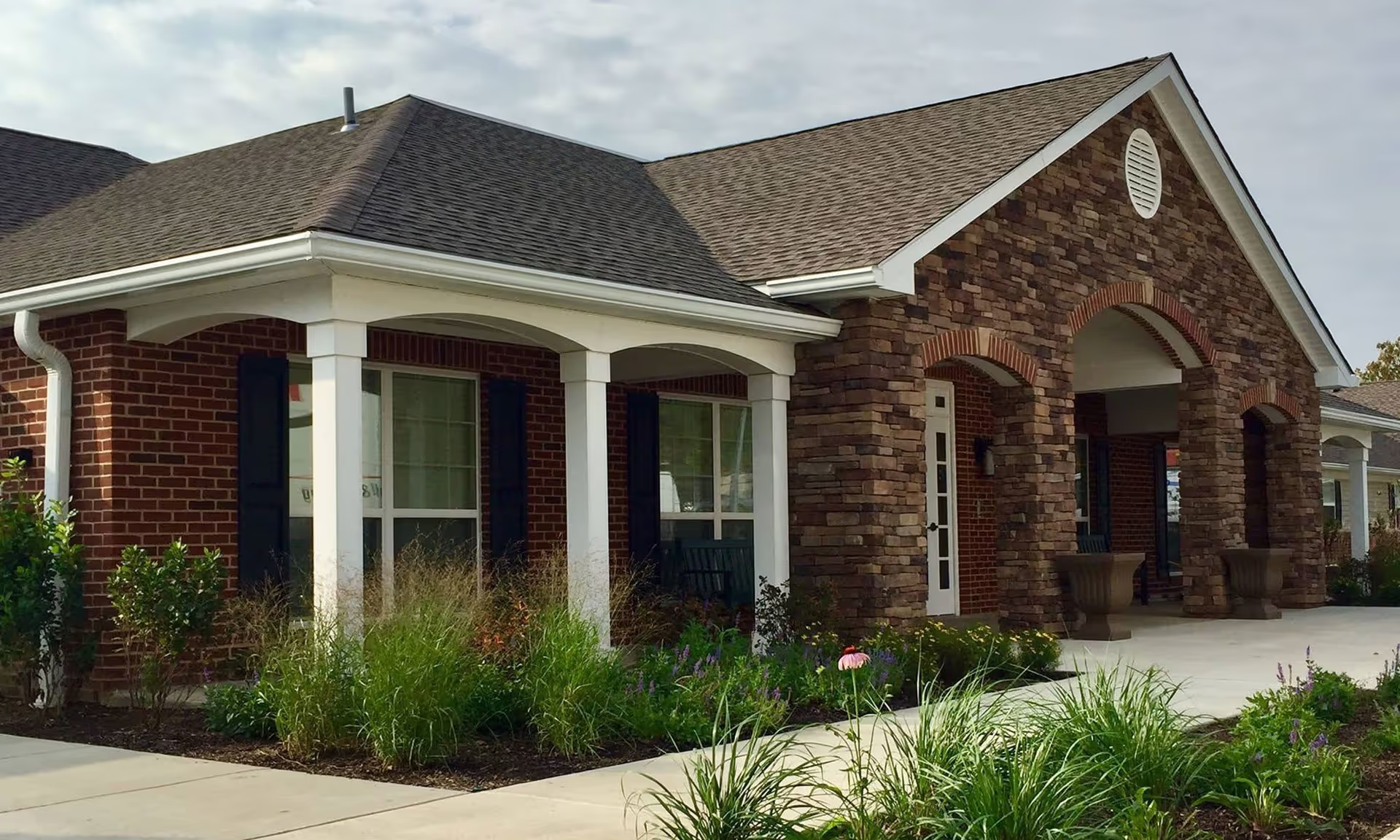
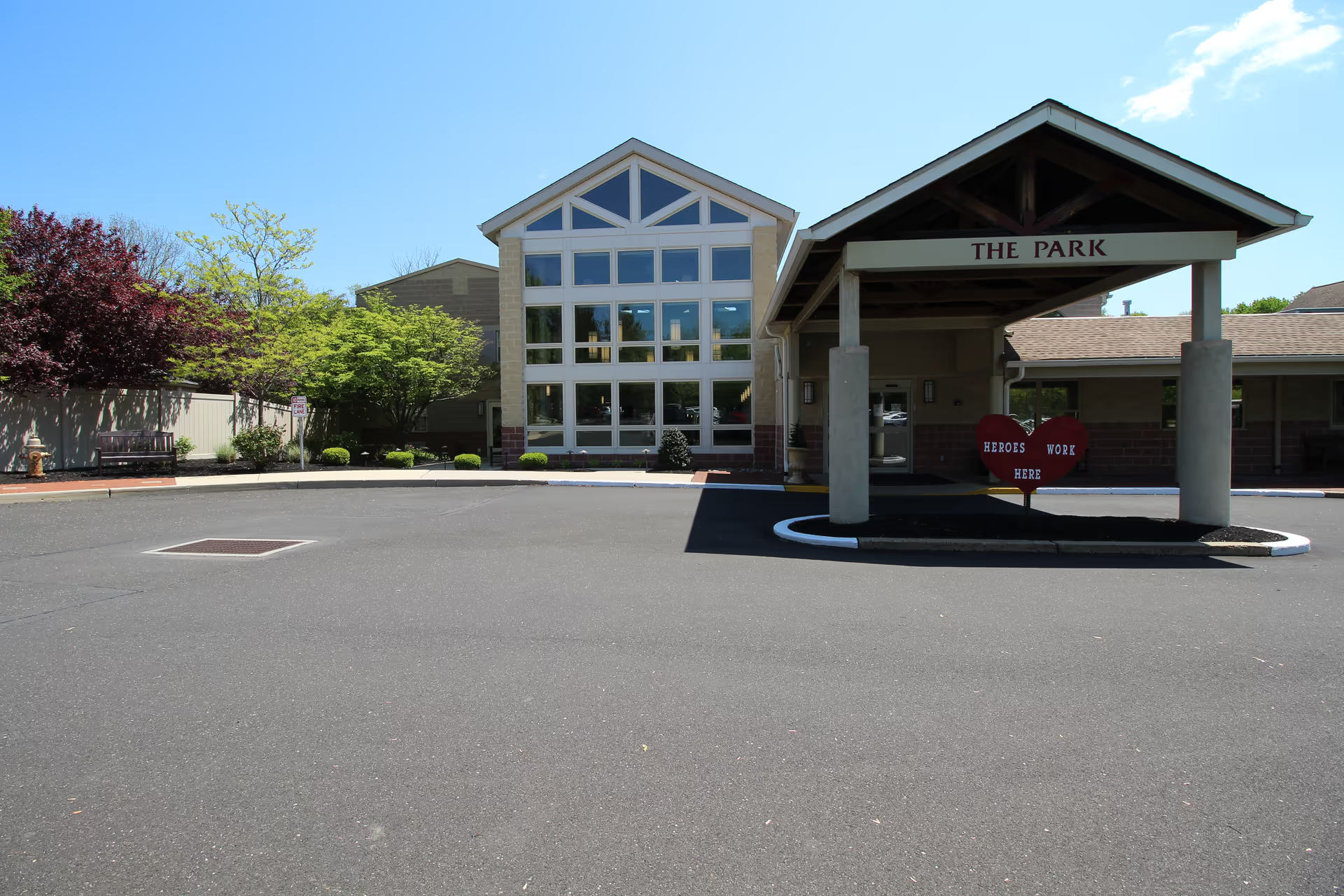
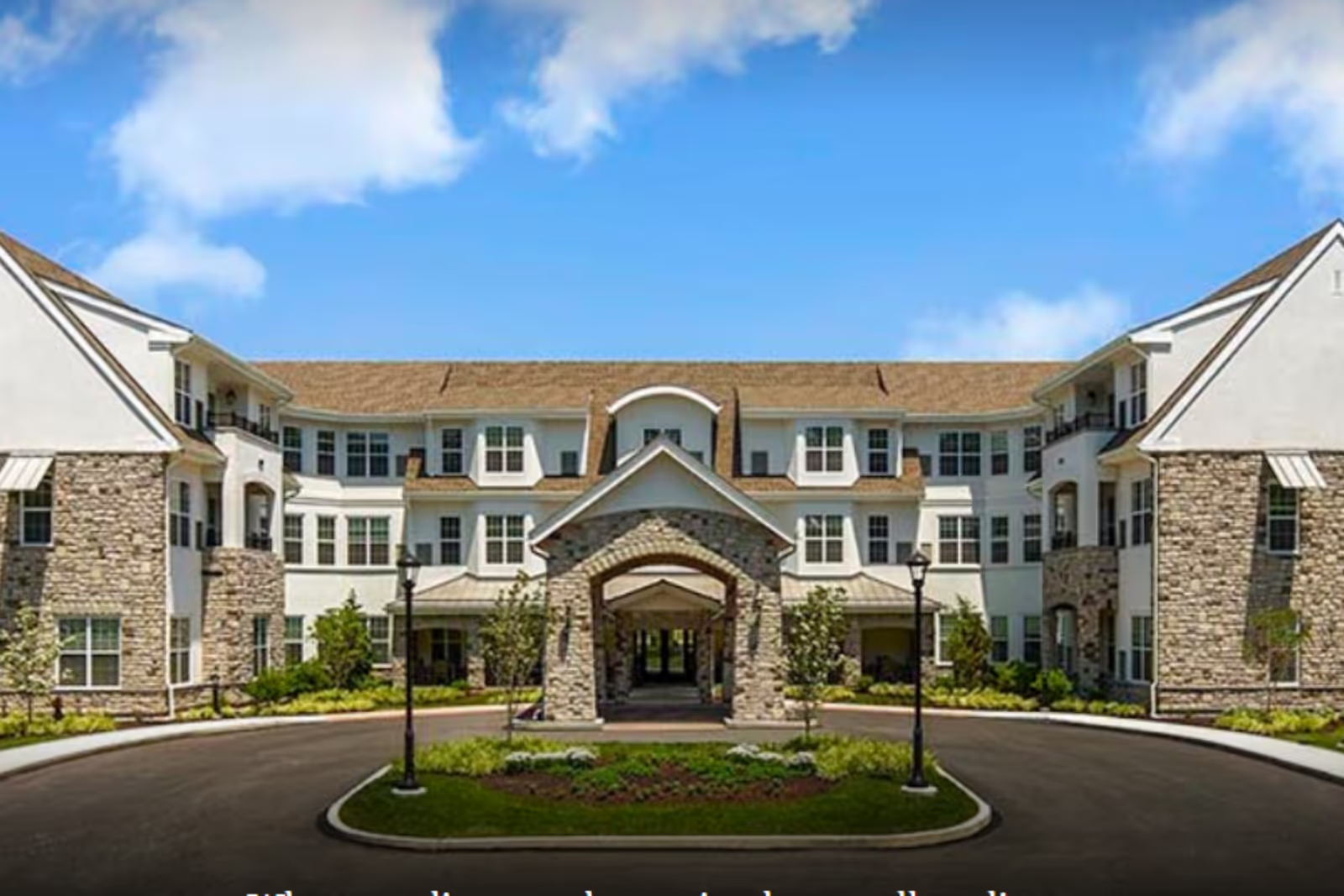
Facility condition and housekeeping feedback is mixed. Common areas and grounds are frequently described as clean and attractive, and many reviewers praised daily cleaning routines. Conversely, there are comments about an aging interior, sticky floors in places, small elevators, uneven HVAC or missing air conditioning in some rooms, and sanitation/pest-control concerns in particular areas. Housekeeping consistency and secure handling of personal items also emerged as issues for some families.
Management, communication, and administrative processes show variability. Some families report proactive, 24/7 phone access and regular updates from staff; others describe difficulty reaching the front desk, unreturned calls, and a social-work team that is hard to contact. There are also concerns about billing practices, insurance paperwork handling, and transparency around charges. A small number of serious individual allegations — including missing personal items — were mentioned and suggest the need for clear documentation and property-accountability procedures.
Overall, Phoebe Wyncote appears to be a facility with tangible clinical and social strengths, particularly in short-term rehabilitation and hands-on nursing when staffing allows. However, recurring operational themes — inconsistent staffing, communication gaps, medication- and hydration-management concerns, variable housekeeping/sanitation, and administrative transparency issues — mean prospective residents and families should conduct targeted due diligence. Recommended questions include current staffing ratios and use of agency aides, medication-safety protocols, bathing and incontinence-care schedules, property-accountability procedures, after-hours front-desk coverage, and a clear explanation of billing and insurance processes.