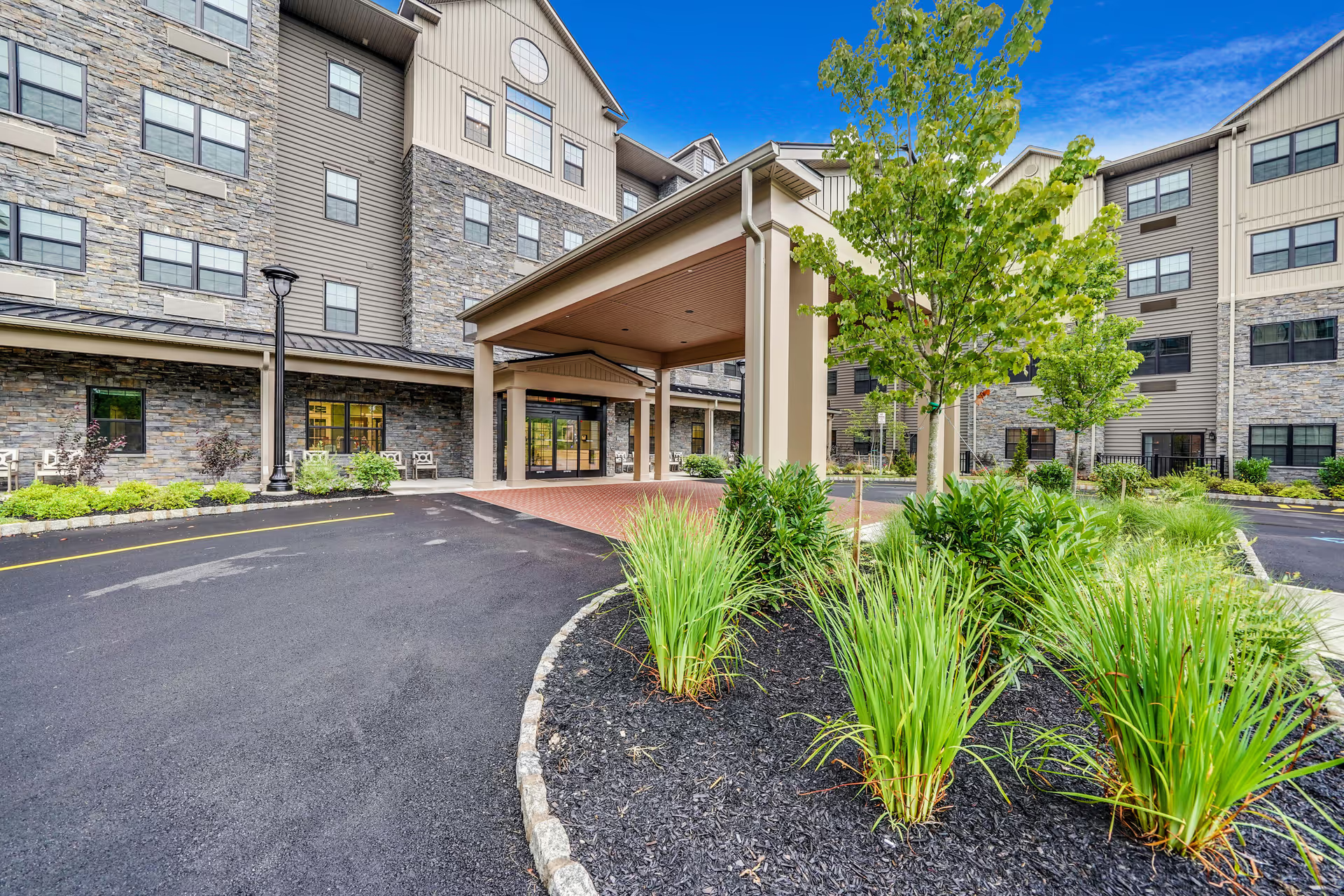
Chestnut Hill Lodge elicits strongly polarized feedback. Many families and patients praise the facility for its compassionate bedside care, effective rehabilitation services, and active engagement programs. Physical therapy and occupational therapy are frequently cited as strengths with measurable mobility improvements and satisfactory discharge outcomes. Admissions and front-desk personnel are often described as helpful and communicative, and several reviews highlight attentive maintenance and prompt resolution of room issues. On multiple occasions reviewers described welcoming interactions, a family-like atmosphere, and well-run weekday units where leadership is visible and responsive.
Counterbalancing those positive accounts are recurring operational concerns that affect safety and day-to-day quality. Staffing appears inconsistent: reviewers commonly cite thin weekend and night coverage, high turnover, and uneven training that produces variable interactions and response times. Several reviewers raised sanitation and pest-control concerns as well as odor concerns and incontinence-care delays; these point to gaps in environmental services and incontinence management rather than single isolated events. Laundry and personal-property processes are frequently noted as unreliable, and there are repeated mentions of missing clothing or delayed retrieval. Communication around medications, medication delivery timing, and clinical updates to families is another recurrent issue — compounded at times by delayed administrative follow-up.
Dining and resident services show mixed results. Some families report food that is improved over time and appropriate for rehabilitation diets, while others describe inconsistent meal quality and failures to honor dietary restrictions. Activities and memory-care programming are a clear strength on some units, with active schedules and engaged staff; elsewhere reviewers describe limited or minimal activities. Rehabilitation services and therapy teams receive generally favorable comments, whereas personal care tasks (bathing, grooming, timely toileting assistance) are where inconsistencies emerge.
Management and oversight appear to be in transition in several accounts: new leadership or ownership has been credited with improvements by some families, while others describe unresponsiveness from administration, slow responses to complaints, and unresolved operational problems. Serious allegations, including concerns about theft, medication handling, and requests for regulatory review, appear in a subset of reviews and warrant direct verification through regulatory records and facility inquiry.
For prospective residents and families: the facility shows the potential for high-quality rehabilitation and compassionate weekday care, but there are systemic risks tied to variable staffing, environmental services, and communication practices. Recommended due diligence includes on-site visits during weekday and weekend shifts, direct conversations about weekend staffing and medication-management protocols, review of pest-control and sanitation procedures, clarification of laundry and personal-property policies, and confirmation of activities schedules for the specific unit under consideration. Checking state inspection histories and asking the facility how recent concerns were addressed will help clarify whether operational weaknesses have been remedied.