Saunders House elicits strongly mixed impressions. Many families and patients praise the facility’s rehabilitation services, citing skilled physical and occupational therapy, rapid mobility gains, and frequent successful transitions home after a short stay. Admissions, front-desk hospitality, and select caseworkers receive frequent positive mention; housekeeping and several care aides are described as attentive, contributing to a generally clean and welcoming lobby, pleasant grounds, and active communal programming (music, bingo, church services, and an onsite cinema).
At the same time, a substantial cohort of reviewers describe operational problems that affect clinical care. Strengths in rehabilitation coexist with inconsistent nursing and personal-care delivery: reviewers describe delays in assistance with toileting and bathing, missed or delayed clinical attention, and variability in how activities of daily living are managed. There are repeated concerns about medication management and limited psychiatric oversight for complex behavioral or medication needs. Several accounts also point to gaps in monitoring for falls and medical-device use, and delayed escalation to physicians or hospitals in some situations. Reviewers raised concerns following a resident’s death and about the facility’s handling of infection-control events.
Staffing and communication are central patterns in the feedback. Positive accounts emphasize compassionate CNAs, effective therapists, and standout social-work support (several families named specific staff members). Negative accounts point to chronic understaffing, high turnover, poor phone responsiveness, and inconsistent professionalism or tone from some employees. Multiple reviews describe breakdowns in internal communication between nursing and social work or between shifts, which can complicate discharge planning, dietary accommodations, and clinical escalation.
Dining and activities present a mixed picture. The facility offers communal dining, varied entertainment, themed holiday meals, and occasional favorable menu items; when staffing and coordination are functioning the dining experience and nutrition accommodations are appreciated. However, other reviewers describe a basic or inconsistent menu, long gaps between meals, and insufficient tailoring of meals to specific medical dietary needs, indicating variability in how dietary services are delivered.
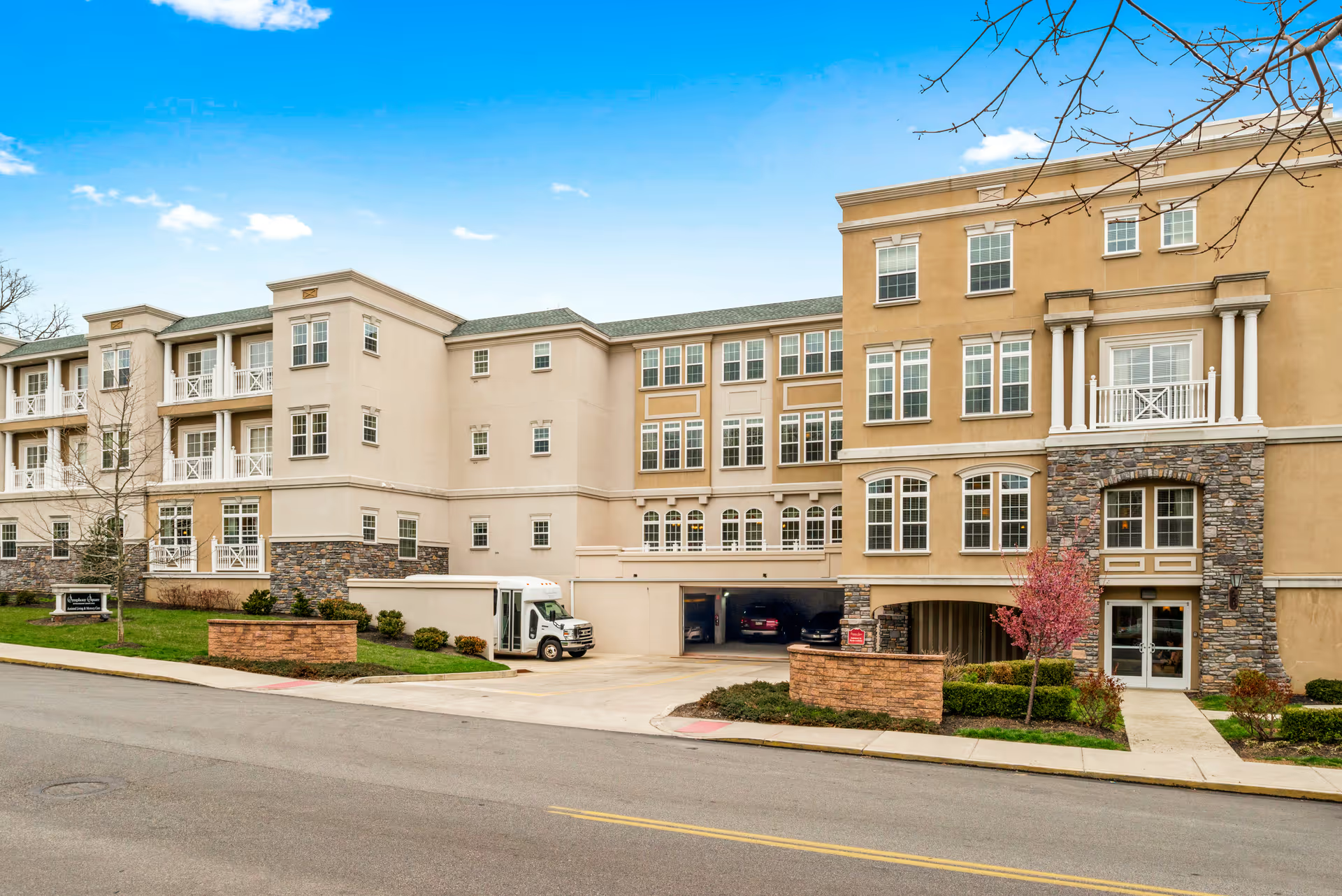
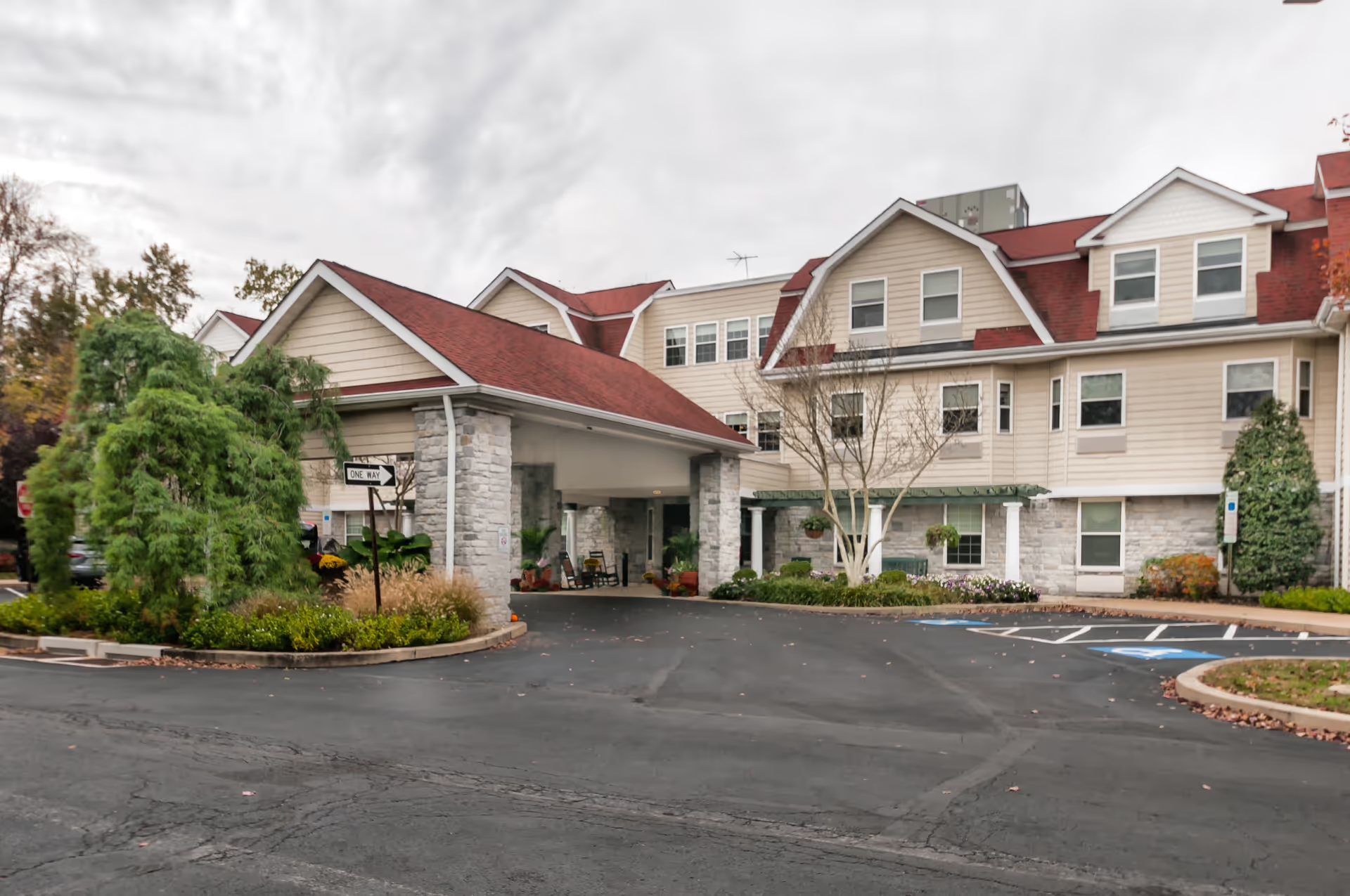
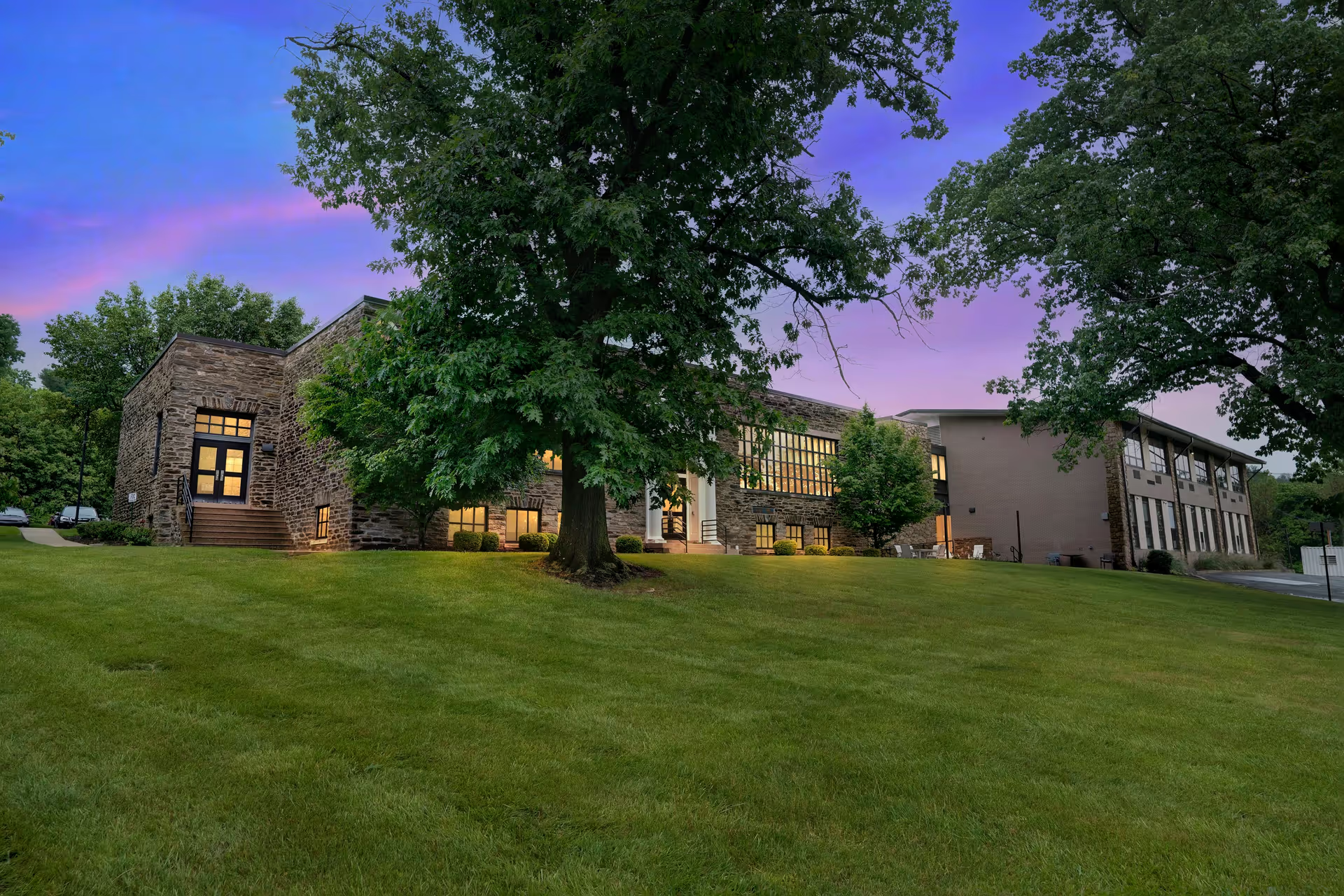
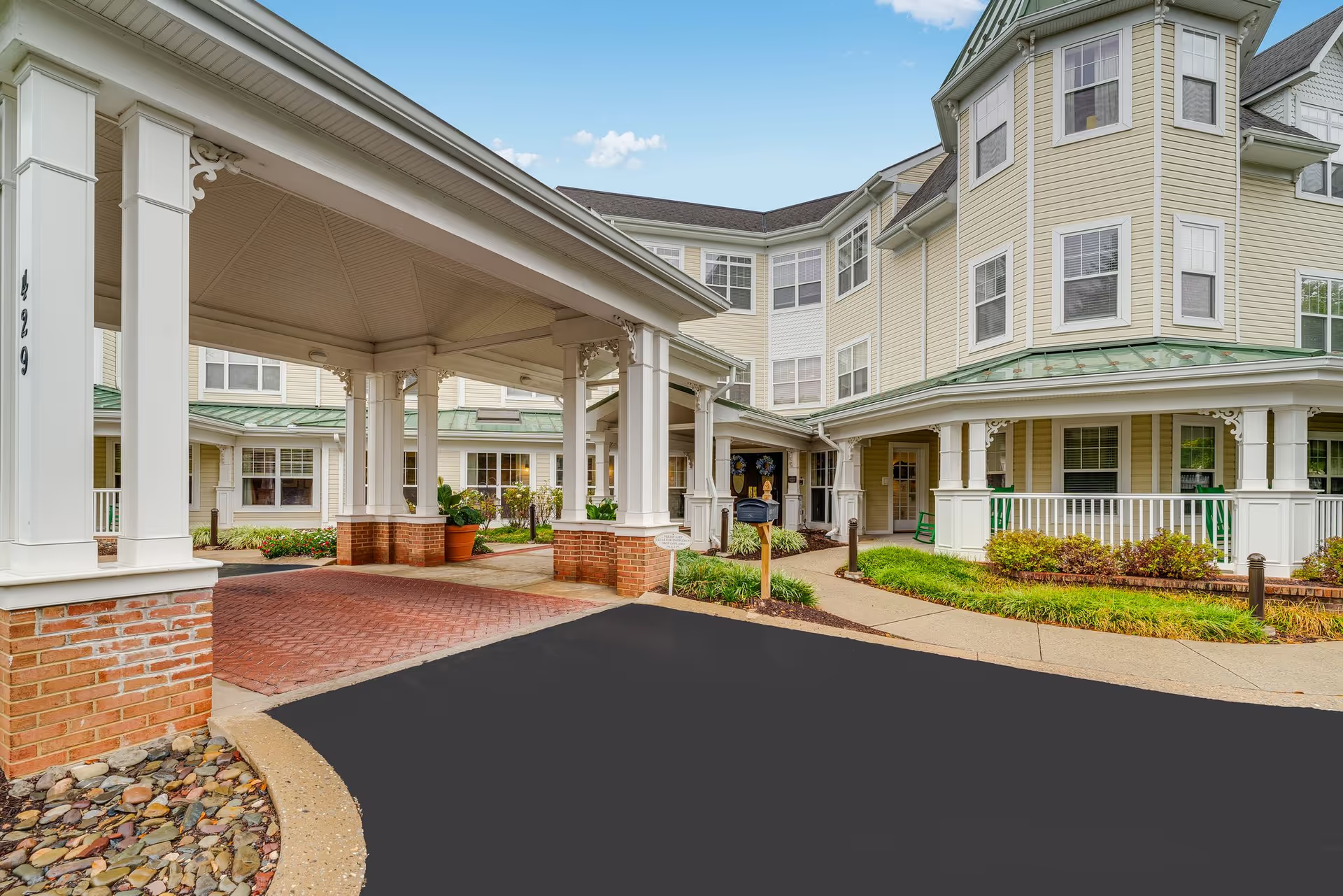
Facility condition and operational management also show contrasts. Many reviewers highlight a tidy, odor-free lobby, pleasant landscaping, and well-kept common spaces. Conversely, some reports cite room-level cleanliness and bathroom maintenance issues, carpet-spill odors in certain areas, long waits for room readiness, and problems with property handling during room moves. Admissions and discharge practices draw mixed reactions: several admissions staff are described as helpful, while others point to opaque discharge decisions, financial/placement concerns, and at least one allegation of inappropriate placement/discharge practices that families found distressing.
For prospective residents and families: Saunders House appears to offer strong rehabilitative resources and a number of dedicated staff who can produce good outcomes in short-stay scenarios. However, the facility also exhibits systemic weaknesses — notably inconsistent nursing coverage, communication gaps, and variability in dietary and sanitation performance — that can materially affect residents with higher medical complexity. Anyone considering Saunders House should schedule a focused tour, ask for current staffing ratios and medication/psychiatric oversight protocols, review infection-control and discharge policies, and identify the specific clinical supports required to ensure continuity of care.