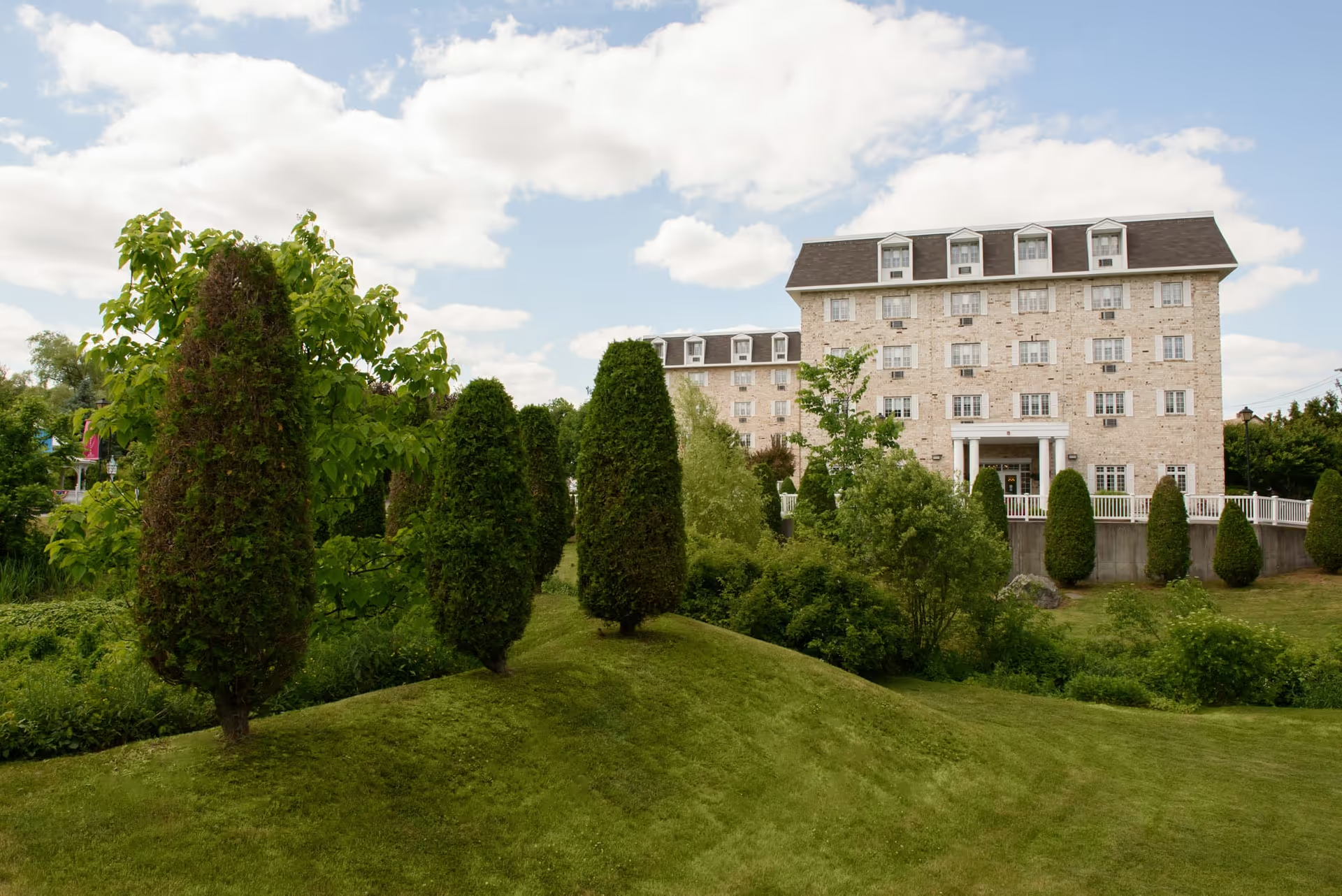
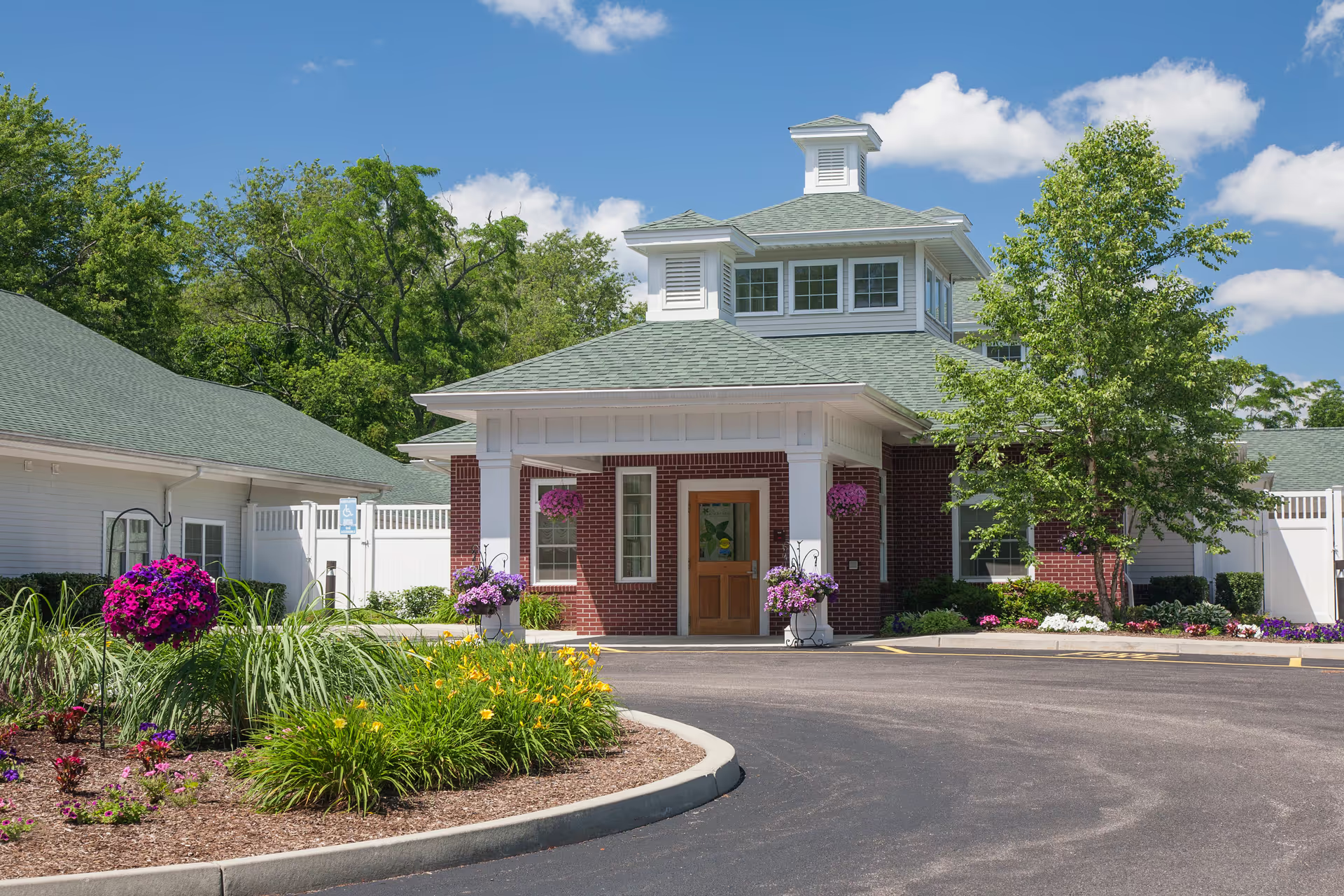
The reviews present a mixed but consistent picture of day-to-day life at this assisted living home. Positive themes include a clean, comfortable Victorian building with pleasant common rooms and a large television-equipped dayroom; reviewers frequently described spacious accommodations, a nice dining room, and an overall well-kept interior. The facility’s small-house scale and staff approach produce family-like relationships: many accounts highlight friendly, attentive caregivers who know residents by name and provide personal attention. The home also appears to have an active social calendar — walks, crafts, exercise classes, meditation, puzzles, cards, bingo, musical performances and regular shopping or bus outings are all mentioned — and residents generally find the food plentiful and enjoyable. Operationally the facility accepts Social Security and has taken Medicaid placements, which some families view as improving affordability.
Care quality observations are mixed. On one hand, staff-level interactions and day-to-day assistance are described positively, with attentive caregivers and directors who can be helpful during tours and admissions. On the other hand, reviewers raised clinically relevant concerns: the facility is not licensed for skilled nursing care, and several accounts describe gaps in medication-administration processes and informed-consent communication. There are also reports of inconsistent staffing levels and situations that suggest weaknesses in transfer and fall-safety practices. Those issues are operational patterns rather than isolated commentary and should be considered by families whose loved ones require higher-acuity nursing oversight or mobility assistance.
Facility and safety issues surfaced in multiple reviews. Accessibility is constrained by the building’s stairs and limited ramping, creating mobility and fall-safety risks for some residents. There are pest-control and other sanitation concerns noted by families, and at least one reviewer described a lack of timely remediation when those concerns were raised. Memory-care practice is another area of concern: the presence of a locked memory unit and references to restrictive dementia-care policies have led to regulatory scrutiny in the past; there are also allegations of profit-driven administrative decisions and unresponsiveness from management in some accounts.
Management and admissions practices are a recurrent theme. While some families praised the director’s professionalism and found the tour and follow-up informative, others described slow communication, pushy sales tactics, and difficulty getting administrative responsiveness after move-in. Staffing variability and management responsiveness appear to be the principal drivers of the divergent experiences: where staffing and communication are consistent, families report satisfaction with meals, activities and personal care; where they are not, families describe safety, sanitation and medication-process concerns.
In summary, this assisted living option offers many of the elements families look for in a small, activity-rich, home-like setting — personable staff, regular programming, pleasant dining and an attractive Victorian environment — but also shows operational weaknesses that affect safety and clinical reliability for higher-acuity residents. Prospective residents and family members should verify licensing and clinical capabilities, ask about staffing levels and fall-prevention measures, review pest-control and sanitation practices, and seek documentation of any past regulatory actions before making a placement decision.