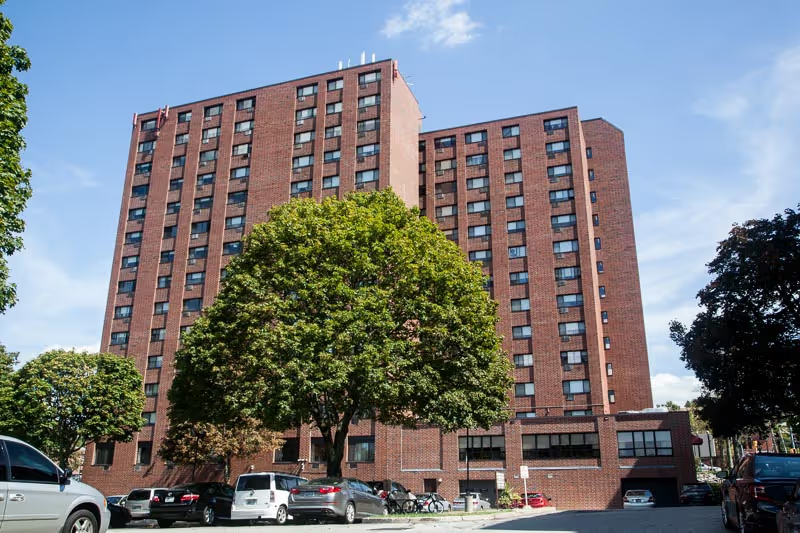
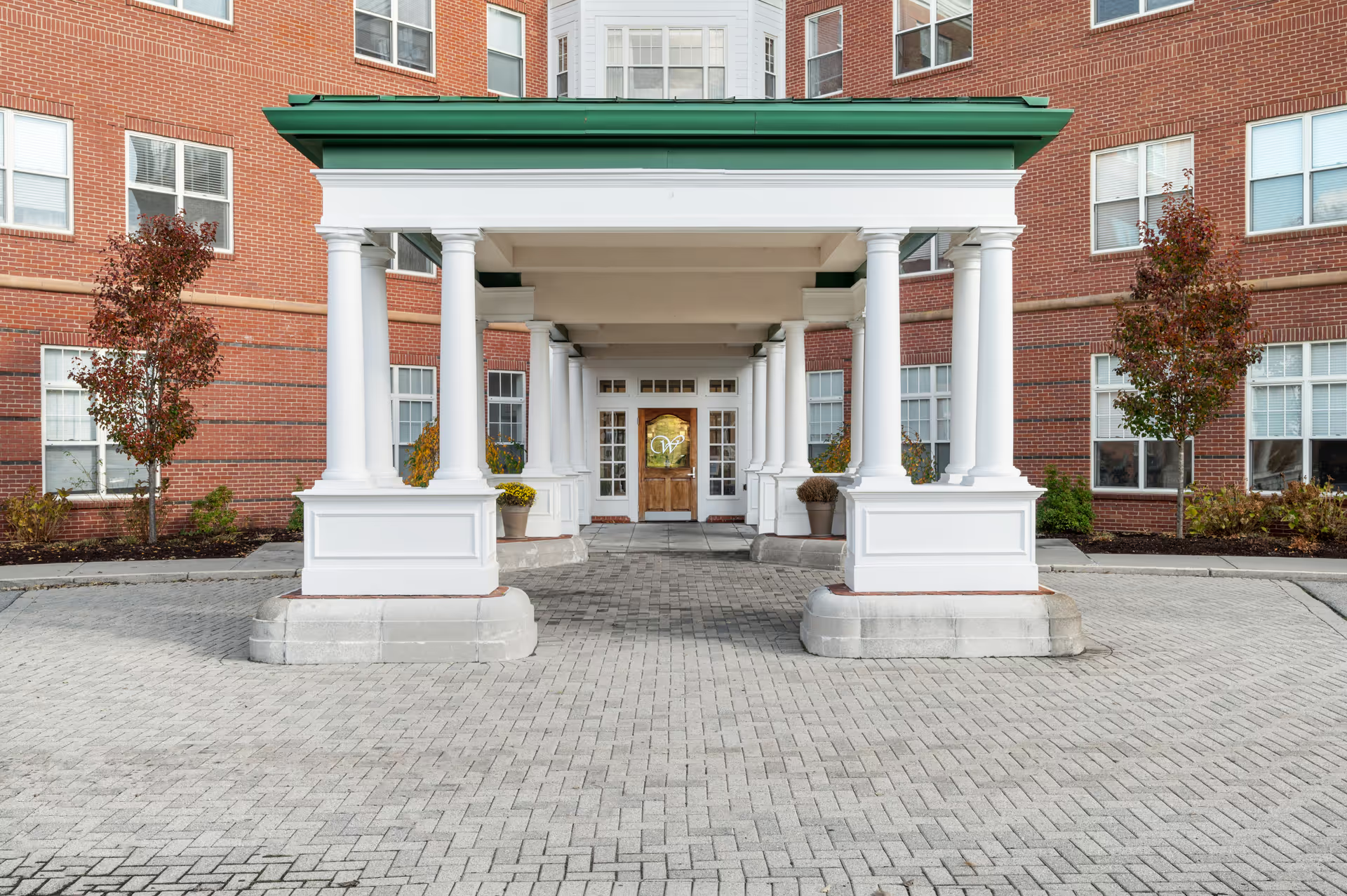
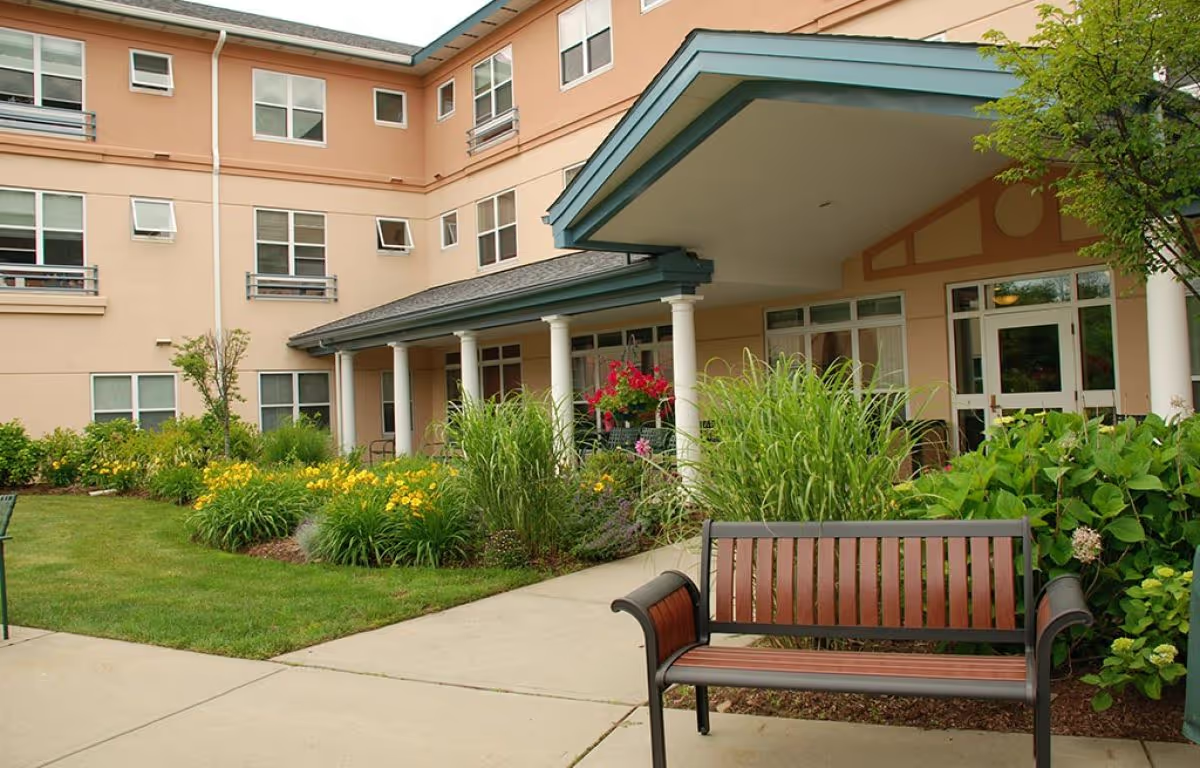
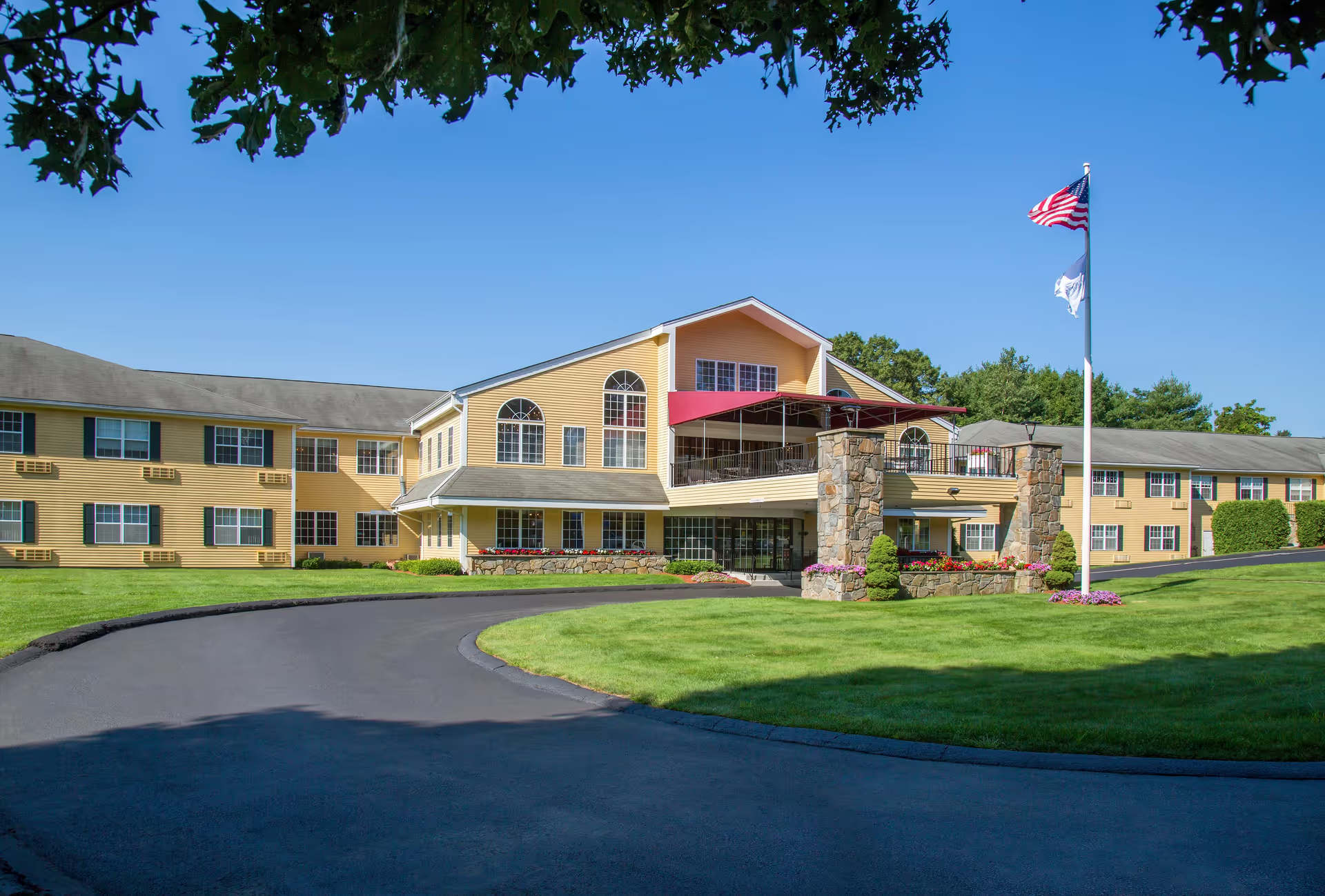
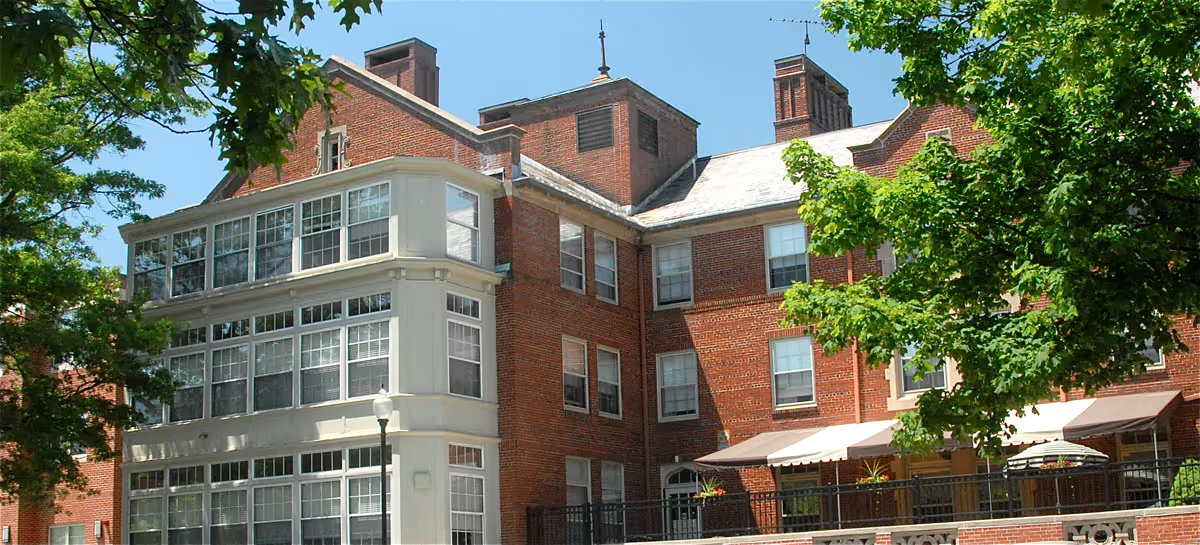
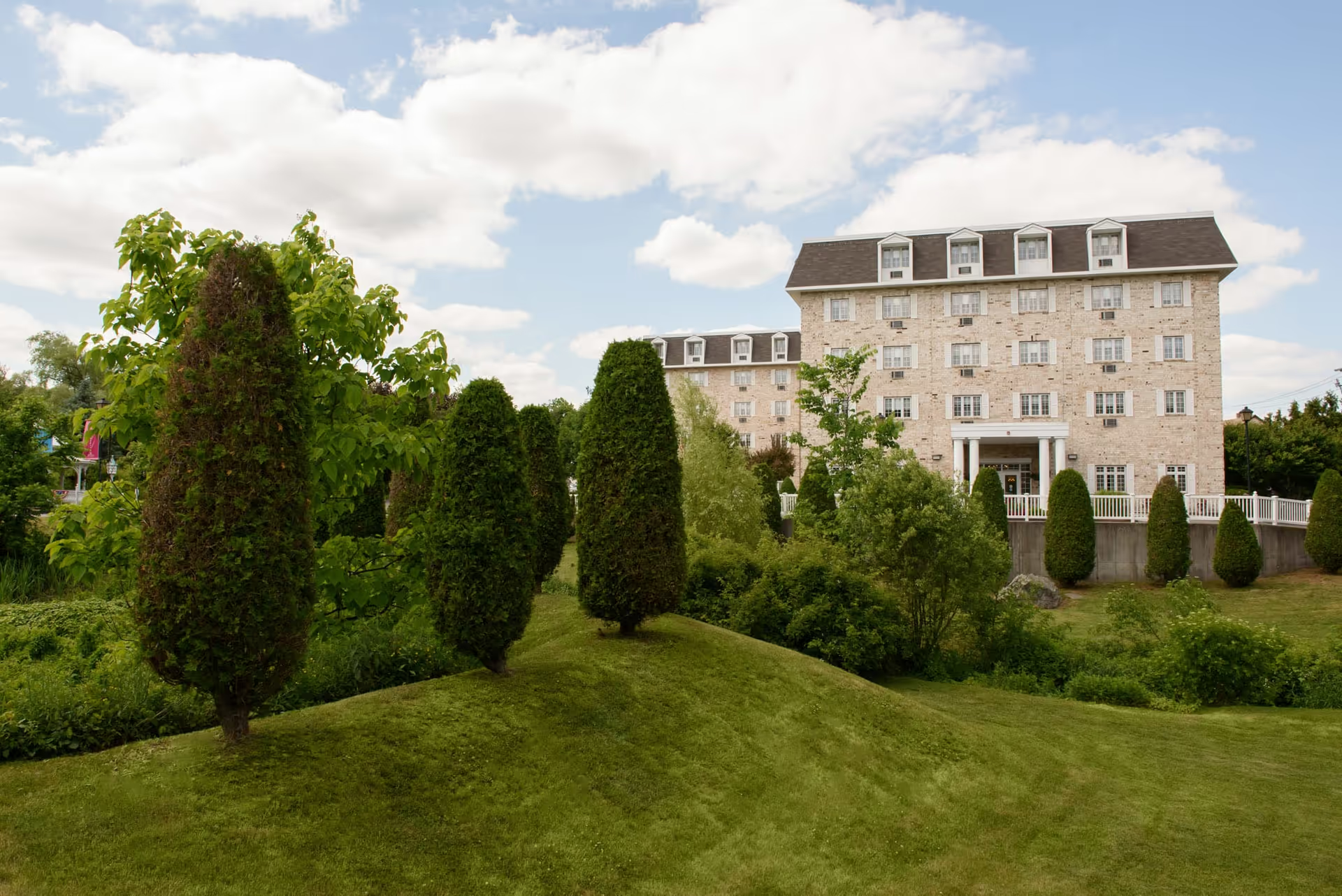
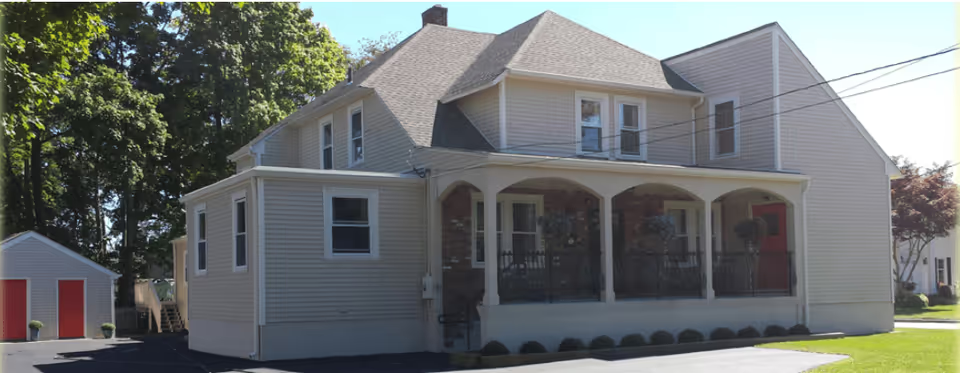
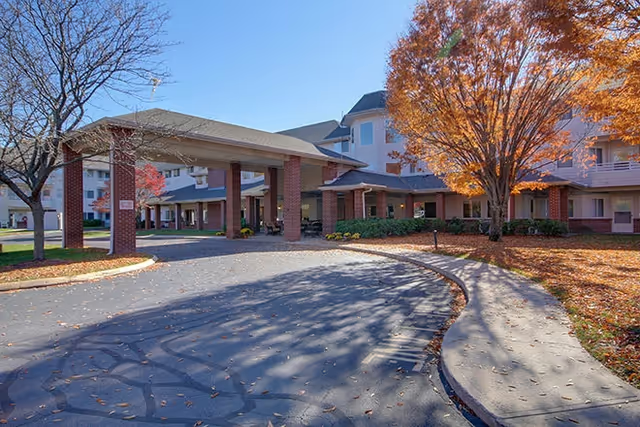
Highlands on the East Side presents as a small, home-like assisted living community with a clearly defined strength in person-centered staffing and memory-care programming. Reviewers commonly describe caregivers, nurses and CNAs as attentive and relationship-oriented; many families highlighted staff who go beyond routine duties, quick emergency response, coordination with hospitals and hospice, and active efforts to integrate new residents through ambassador programs. The facility's dedicated memory-care unit is repeatedly identified as a positive feature, with tailored activities, comfortable common spaces, and staff experienced in dementia support.
Dining and activities are frequent selling points. The community offers restaurant-style dining (three meals daily), a variety of social and cognitive activities (word and memory games, trivia, bingo, resident-led classes), and regular outings including bus trips. Multiple reviewers credited the program staff with fostering social engagement and improved resident mood or nutrition. Apartments are described as spacious and well-lit, with practical storage, and the grounds, patio, courtyard and ancillary spaces such as a library and beauty salon contribute to a pleasant campus feel. The location near medical facilities and the general small-community scale are additional positives for families seeking proximity and social connection.
At the same time, the reviews reveal a pattern of operational inconsistencies. Clinical care and responsiveness are described as variable: while many families praise nursing follow-up and hands-on attention, others raise concerns about medication handling, delayed attention to personal-care needs, and limited overnight supervision. Cleanliness and housekeeping performance are also uneven; reviewers mention intermittent housekeeping gaps and odor concerns in parts of the building, as well as episodic lapses in staff hygiene and food-safety practices. Meal quality is often praised but occasionally described as inconsistent, sometimes tied to kitchen staffing turnover.
Administrative and financial issues appear as recurring themes. Admissions and intake are frequently commended for being warm and supportive, yet families also flagged price increases, a notable one-time fee, and unclear billing or deposit policies. Staffing turnover and introduction of newer staff members were linked by some families to variability in care and communication. Communication with families is generally positive in many accounts but also described as inconsistent in others, suggesting variability in care-coordination updates and family outreach.
For prospective residents and families: the facility demonstrates clear strengths in compassionate caregiving, active programming, a strong memory-care unit, and attractive common areas. At the same time, there are operational areas to probe during a visit — ask about staffing ratios and turnover, overnight coverage, housekeeping schedules and vendor arrangements, medication-administration protocols, kitchen staffing continuity and food-safety practices, and the full fee and billing structure (including any one-time charges). Request recent inspection records, examples of family communication practices, and references from current families to get a balanced, current view before making a placement decision.