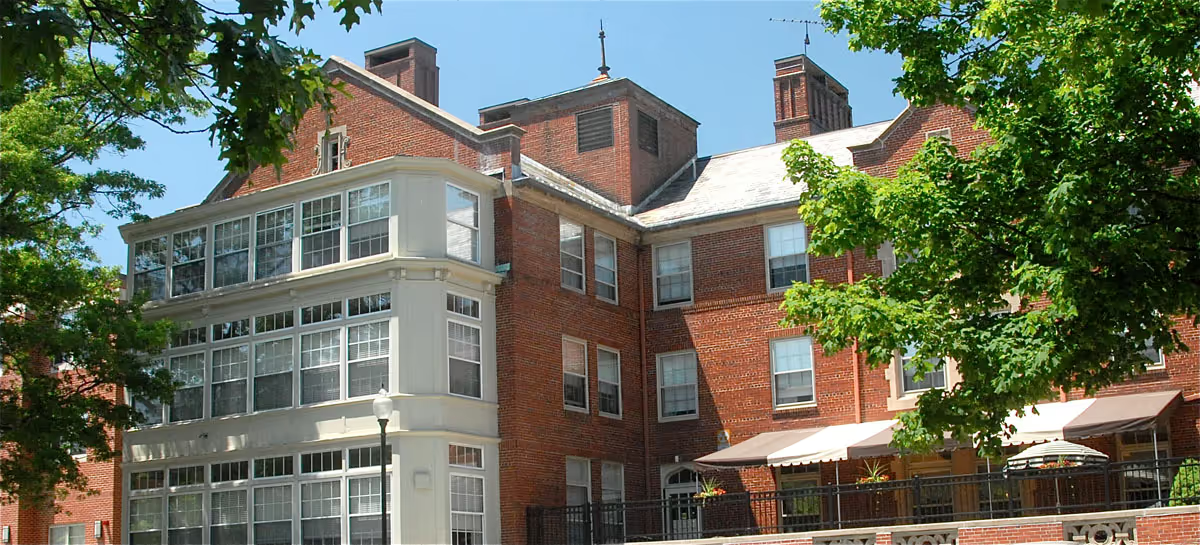
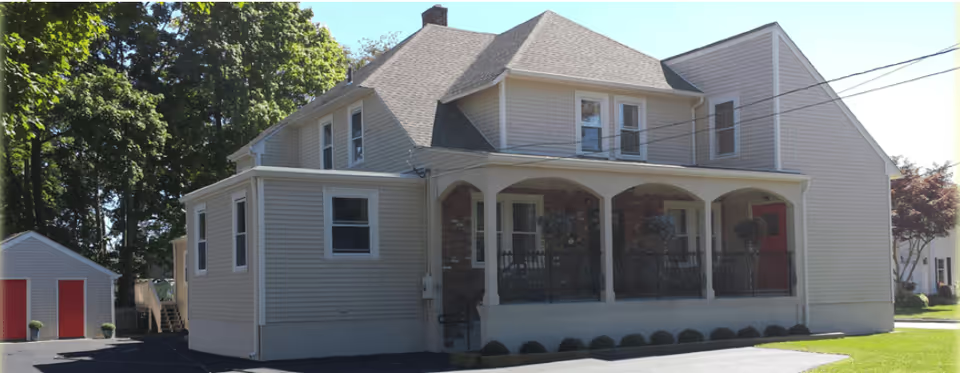
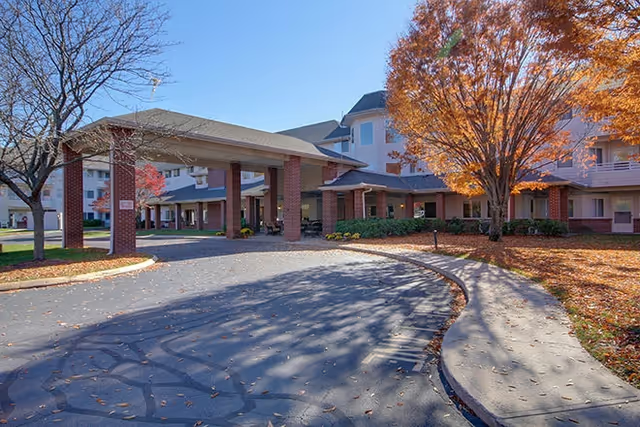
Community feedback for Summit Commons Rehabilitation and Health Care Center is markedly mixed, with a clear pattern of strong rehabilitation services and highly positive experiences among families who used the facility primarily for short-term therapy. Numerous accounts emphasize effective physical and occupational therapy, dedicated therapists, and measurable functional gains. Several families credited the therapy teams and some long-tenured staff with meaningful recovery outcomes and described a supportive, recovery-focused environment.
Staff performance is described unevenly. Many reviewers praise individual nurses, CNAs, and ambassadors for kindness, consistent check-ins, mobility assistance, and emotional support; these staff members are frequently singled out as putting families at ease. At the same time, other accounts describe variability in staff conduct, responsiveness, and skill levels. Language barriers and perceived training gaps were noted as factors that can degrade the resident experience during certain shifts.
Clinical operations and safety present recurring concerns. Reviews indicate instances of missed or delayed medications, problems with medication reconciliation at discharge, and delays in clinical escalation for urgent issues. There are also references to safety incidents such as falls and transfer-related problems. Several families raised concerns about end-of-life and hospice coordination and about communication following serious clinical events, including a resident death. These comments point to opportunities to strengthen medication controls, escalation protocols, and hospice coordination pathways.
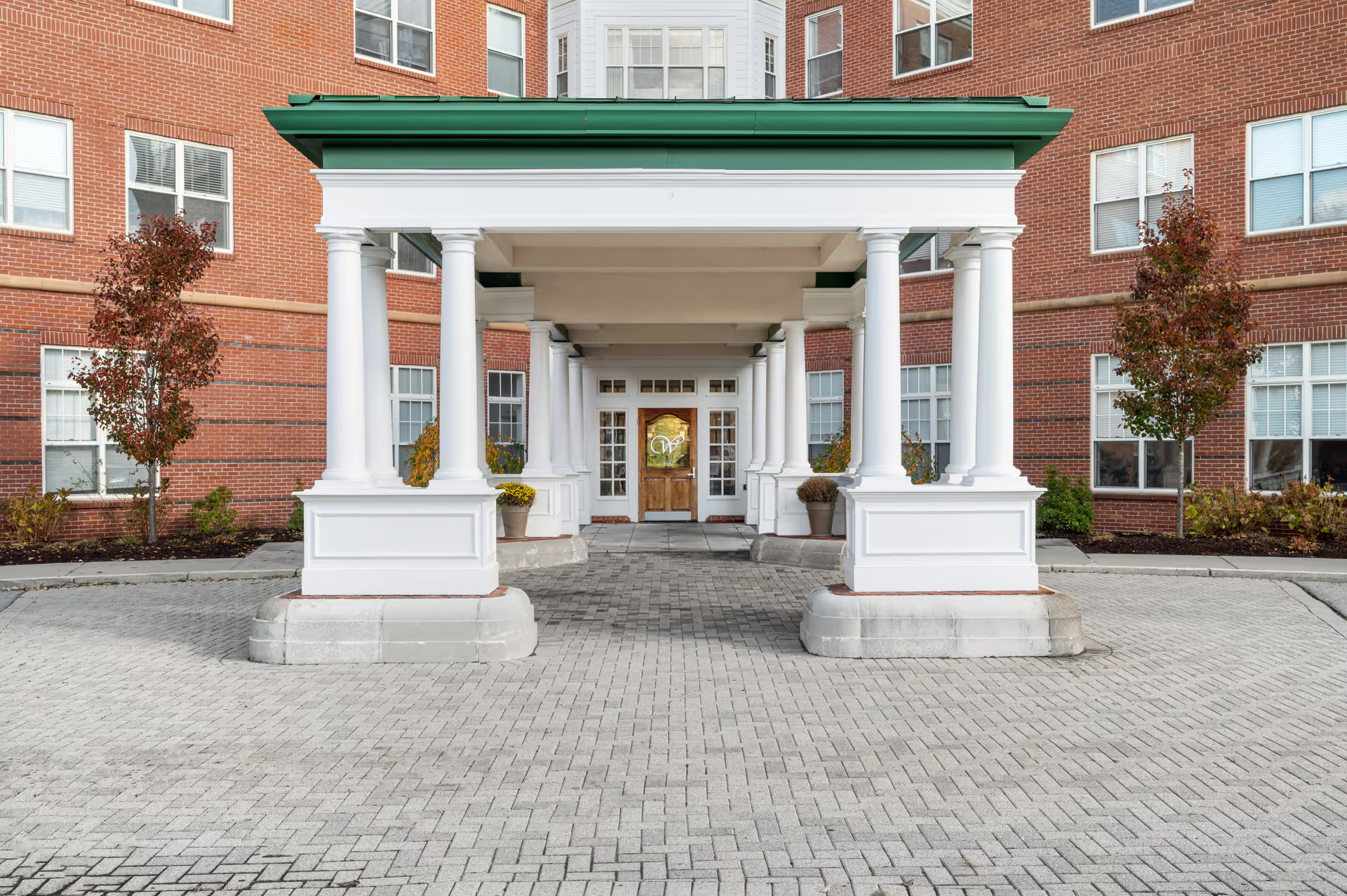
Personal care and environmental maintenance also show variability. Some families reported inconsistent assistance with bathing, grooming, and incontinence care, and noted sanitation or odor concerns in parts of the facility. Conversely, other reviewers described clean, comfortable common areas and a welcoming entrance. Dining receives mixed comments as well: some found the food unacceptable or inconsistent, while others did not emphasize dining as a major issue.
Management and communication patterns are similarly mixed. Positive notes include effective social-work involvement, helpful discharge support, and staff who successfully resolve problems. Negative patterns center on insufficient family communication, delayed notifications during clinical declines, and frustration with physician coordination and follow-through on orders. A few families indicated they pursued external complaints or regulatory action, reflecting the level of dissatisfaction in those cases.
In summary, Summit Commons appears to offer robust short-term rehabilitation services with notable individual staff strengths, particularly in therapy and certain nursing/CNA relationships. However, recurring operational issues — including staffing variability, medication and clinical escalation gaps, inconsistent personal-care routines, and uneven sanitation and dining experiences — warrant careful evaluation by prospective residents and families. When considering this facility, it is advisable to verify current staffing ratios, medication-reconciliation procedures, hospice and end-of-life protocols, language-assistance availability, cleanliness standards, and family-notification practices; arrange tours across different shifts and speak directly with therapy, nursing, and social-work staff to assess fit for the intended level of care.