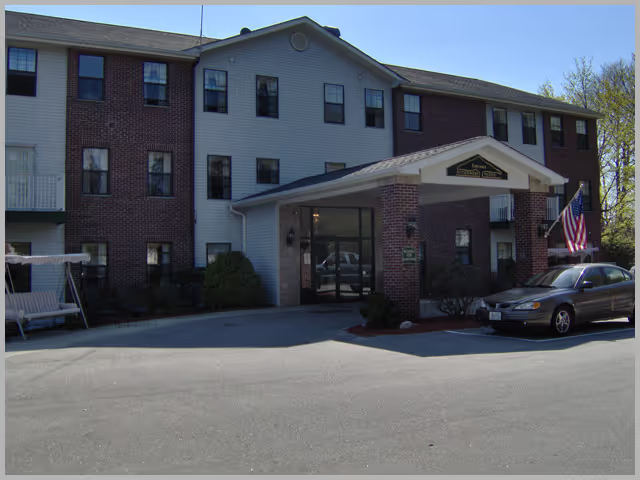
The reviews present a notably polarized view of The Ballou Home. Several reviewers emphasize a clean, small, and comfortable facility with well-kept common spaces and appropriately sized rooms, while other reviewers raise concerns about aspects of daily care and administrative responsiveness. Overall, impressions range from highly favorable—describing attentive staff and exceptional care—to dissatisfied accounts that cite operational and communication shortcomings.
Care quality is described inconsistently. Positive accounts characterize the care as excellent and highly recommended, with staff who prioritize resident comfort and safety. Contrasting accounts indicate lapses in responsiveness and deficiencies in caregiver training, suggesting variability in how consistently clinical and personal-care needs are met. These divergent impressions point to an underlying variability in day-to-day care delivery rather than a uniform standard across the facility.
Staff observations are similarly mixed. Many comments praise individual caregivers as compassionate and dedicated, and some families note supportive management that facilitates good resident–staff interactions. At the same time, there are statements about unprofessional conduct and gaps in frontline caregiver training; reviewers also cited frequent short staffing. Together these comments imply strengths in staff commitment but operational instability that can affect behavior and availability.
There is limited information about dining specifically in the provided summaries. No consistent positive or negative pattern about food quality, meal service timing, or dietary management emerged from the reviews supplied, so prospective families should request menu samples and meal-service details during a tour.
Activity programming appears limited. Reviewers mentioned few organized activities and a tendency for residents to gather in a large communal area, which may suit some residents but suggests modest formal programming. Families seeking a robust, varied activities calendar or structured therapeutic programming—particularly for residents with cognitive impairment—may find offerings constrained.
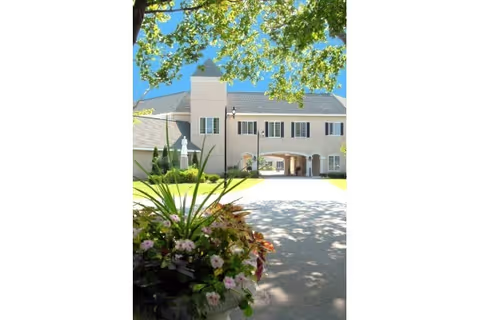
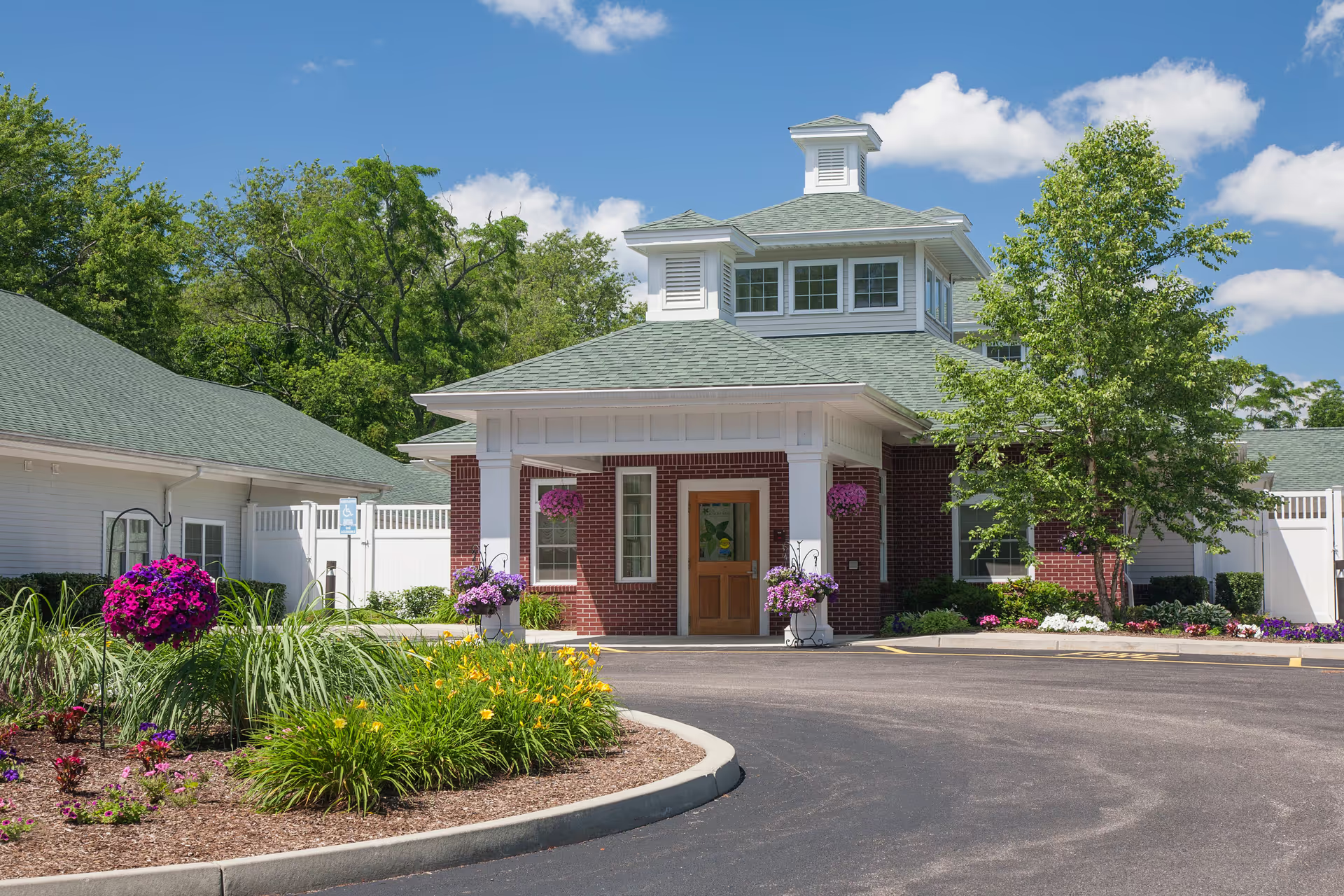
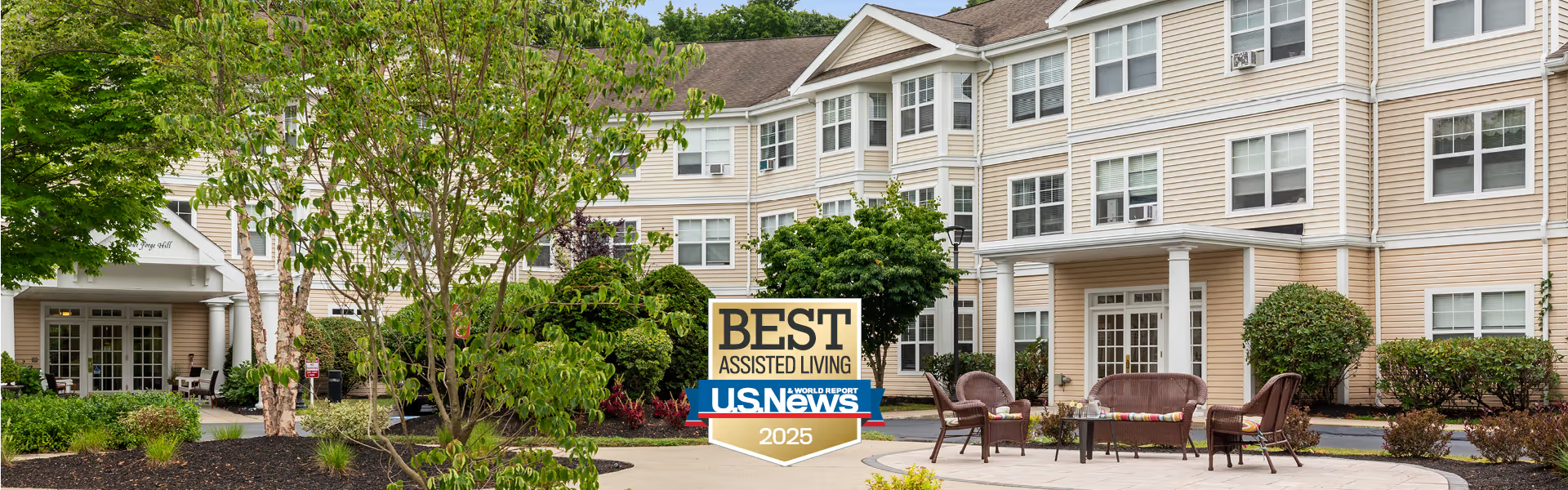
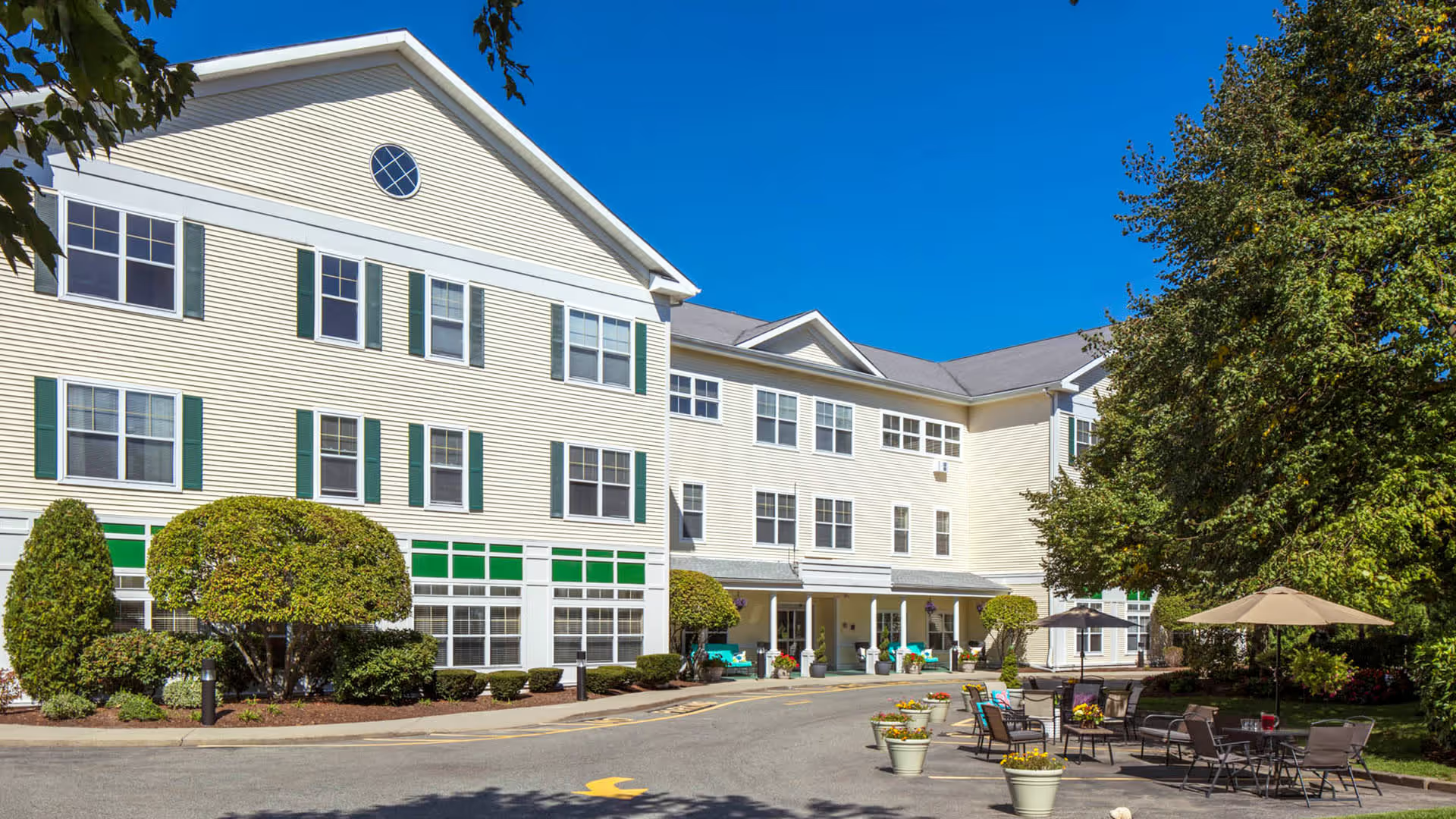
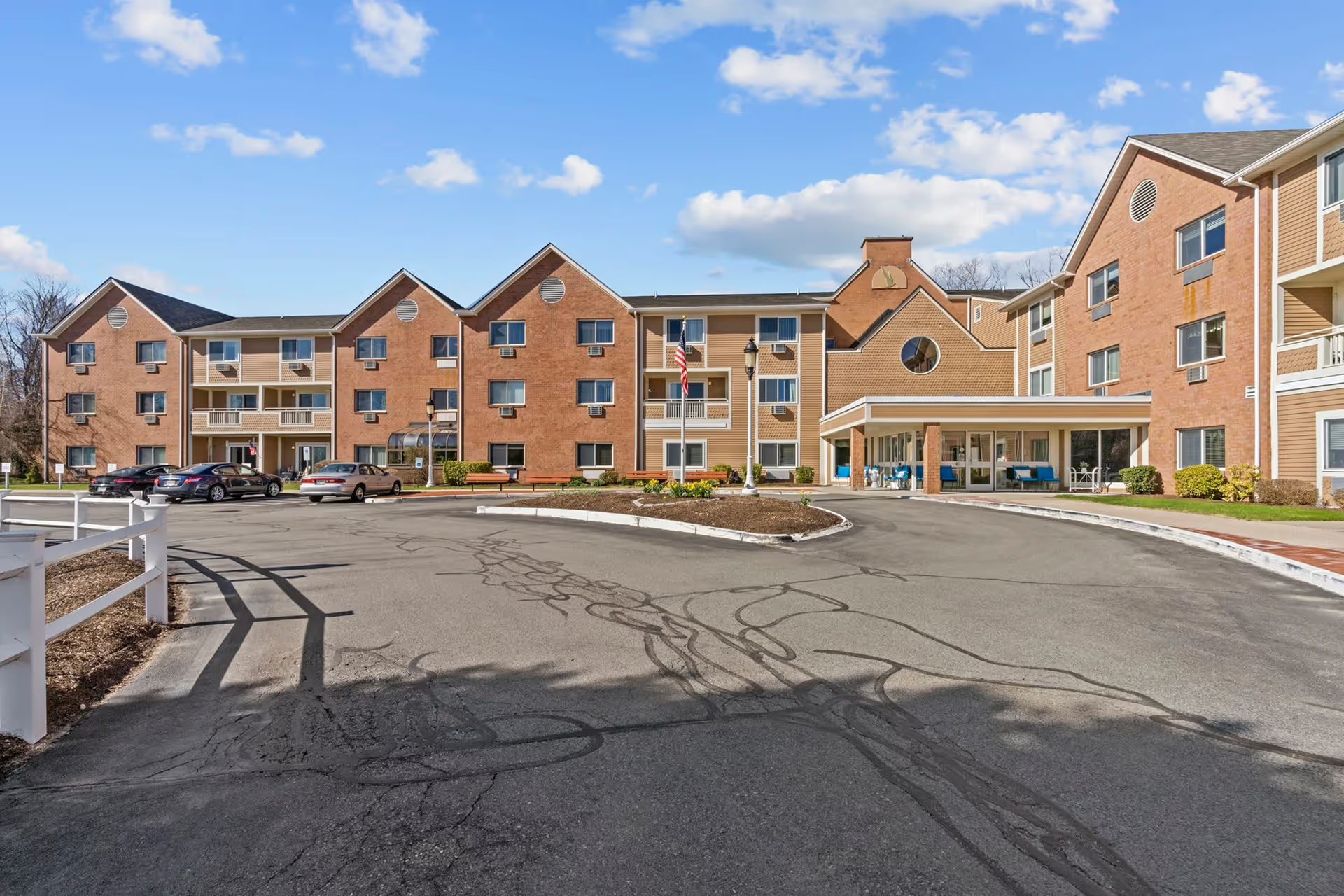
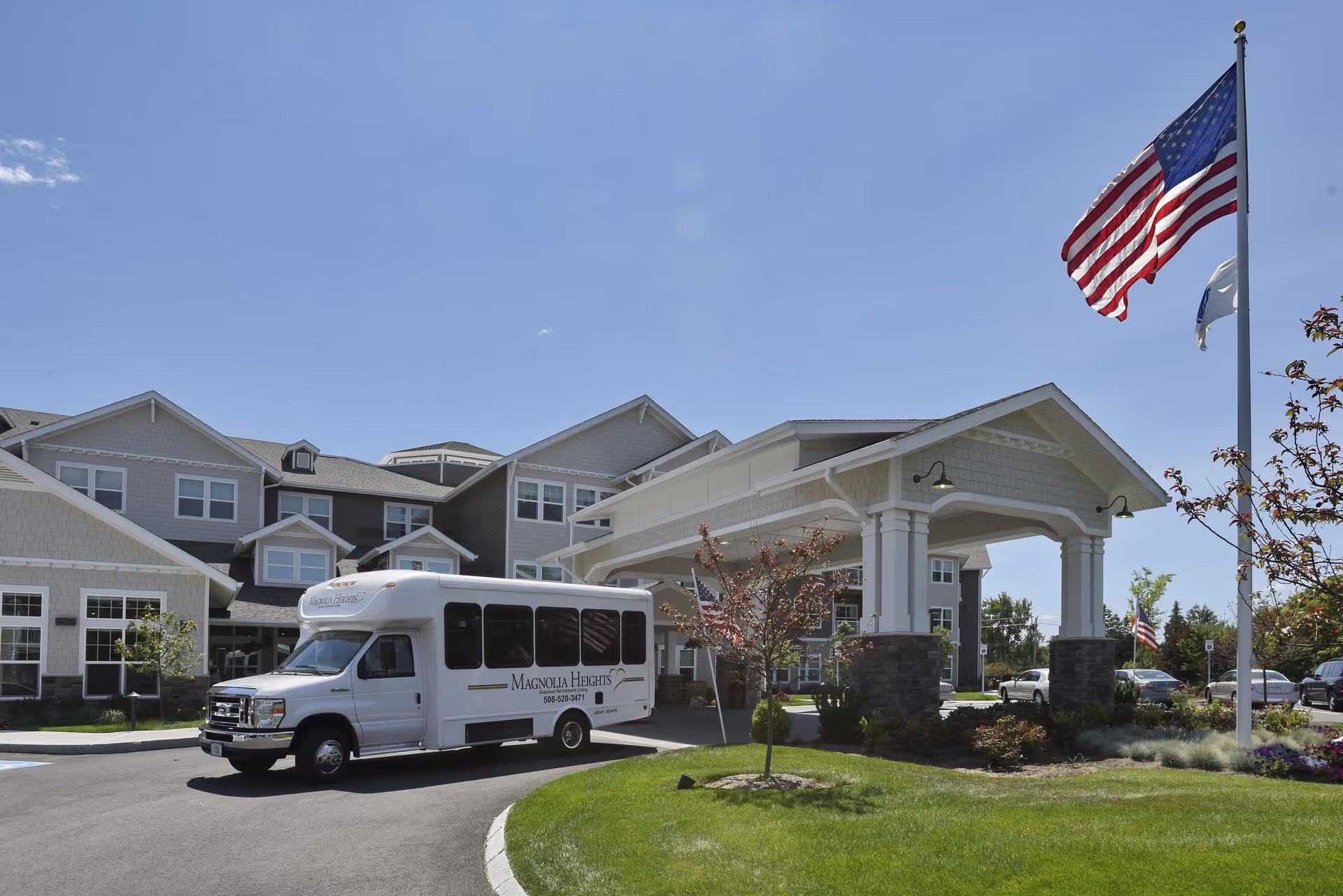
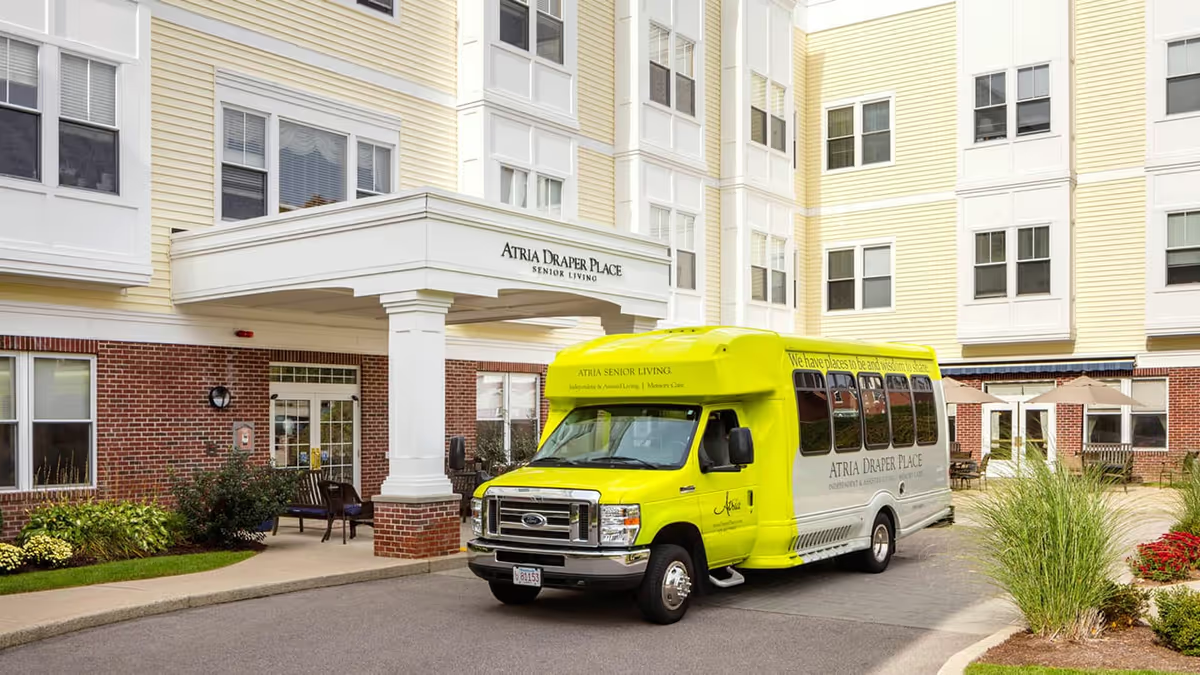
Facility characteristics are a clear strength: reviewers frequently describe the building as beautiful, quaint, neat, and well maintained, creating a cozy and safe atmosphere. However, the facility does not have a secure, locked dementia unit and therefore is not equipped to care for residents who require locked or highly specialized memory-care services.
Management and administrative communication are an area of concern and inconsistency. Some reviewers report supportive and effective management, whereas others describe problems when raising questions, including dissatisfaction with transparency and handling of clinical logistics (for example, difficulty coordinating vaccinations). These mixed experiences suggest variability in how administrative issues are handled and the potential for challenging interactions for families seeking clear, consistent communication.
Notable patterns across the reviews include a strong core perception of a well-kept, small-scale residence with caring staff, contrasted with recurrent operational themes: staffing instability, uneven caregiver training or conduct, limited activity options, and gaps in dementia-specific services and administrative coordination. Prospective residents and families should weigh the facility’s physical environment and reported caregiver dedication against these operational concerns, and consider targeted questions during visits about staffing ratios, caregiver training, activity schedules, dementia care pathways, and how the administration handles clinical coordination and family communication.