The Friendly Home presents a mixed but generally positive profile. Many families highlight strengths in direct care: nursing staff and CNAs are frequently described as compassionate, attentive, and communicative, and therapy teams (physical and occupational) are noted as goal-driven and effective for both short-term rehab and longer stays. The facility offers engaging activities, daily housekeeping, an on-site hairdresser, and pleasant outdoor spaces that residents and families appreciate. Administrative touchpoints such as admission screening, discharge planning, and post-discharge follow-up are often reported as smooth and helpful.
Despite these strengths, a number of operational weaknesses recur across accounts. Medication administration and timing have been inconsistent for some residents, creating clinical risk and family concern; prospective families should ask about medication administration protocols and oversight. There is variability in staff conduct and responsiveness—while many staff are praised, other accounts describe delayed responses to call lights and concerns about tone or attentiveness. Staffing levels and shift variability appear to affect responsiveness at times.
Dining and nutrition show a divided picture. Several families praise meal variety and food that residents enjoy, yet others describe inconsistent food quality and problems with special-diet management (including puréed or thickened liquids and hydration between meals). Attention to dietary modifications and mealtime monitoring is an area that may require specific verification during a tour. Therapy services are frequently viewed positively, but some reviewers felt rehab intensity or coordination could be improved in particular cases.
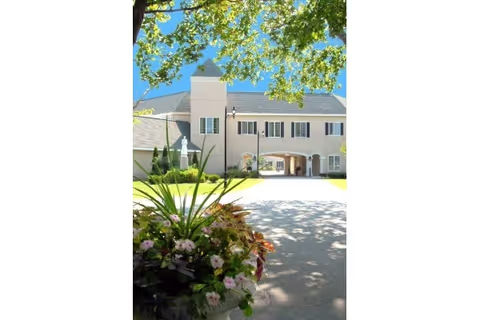
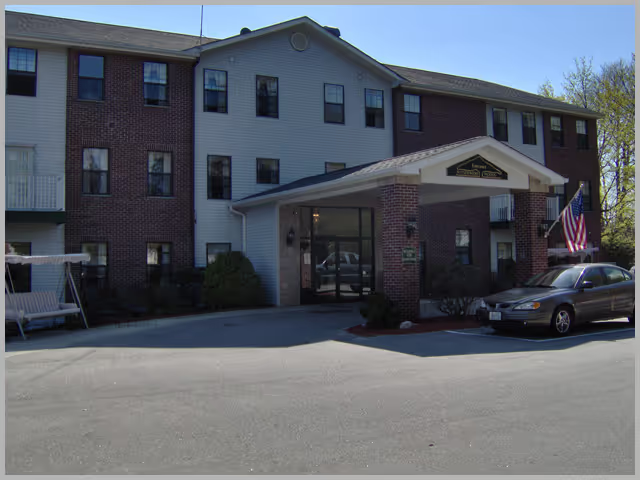
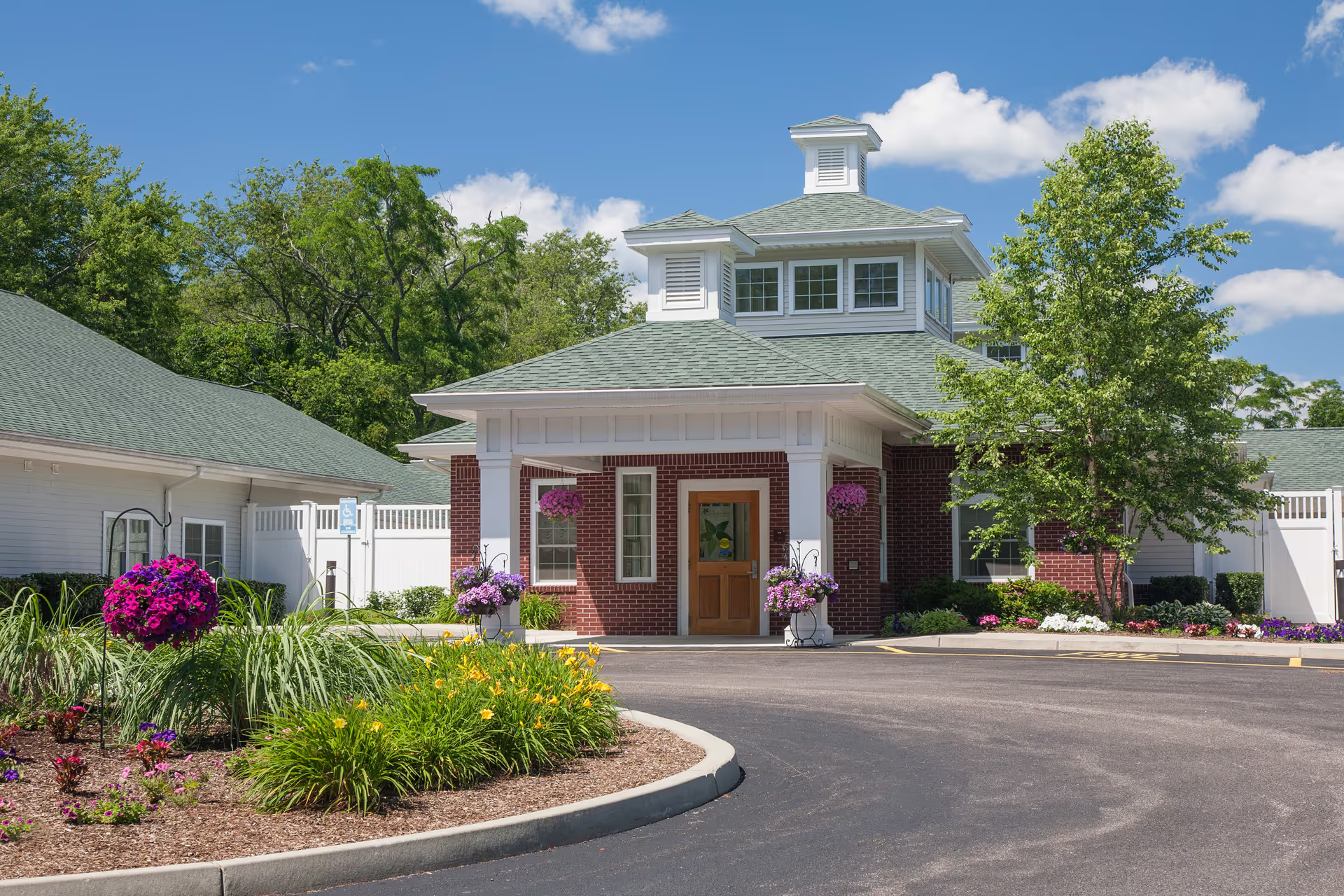
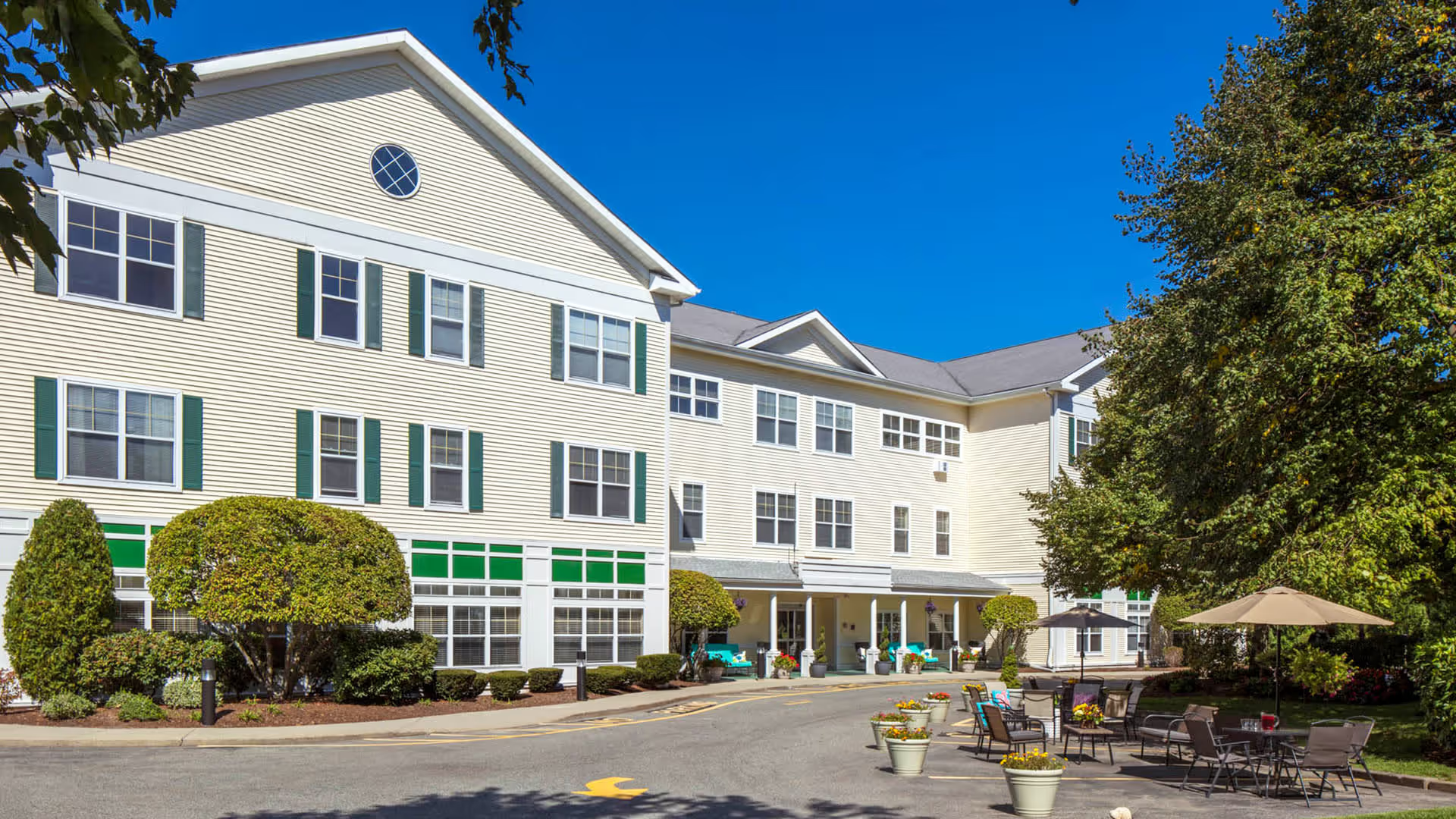
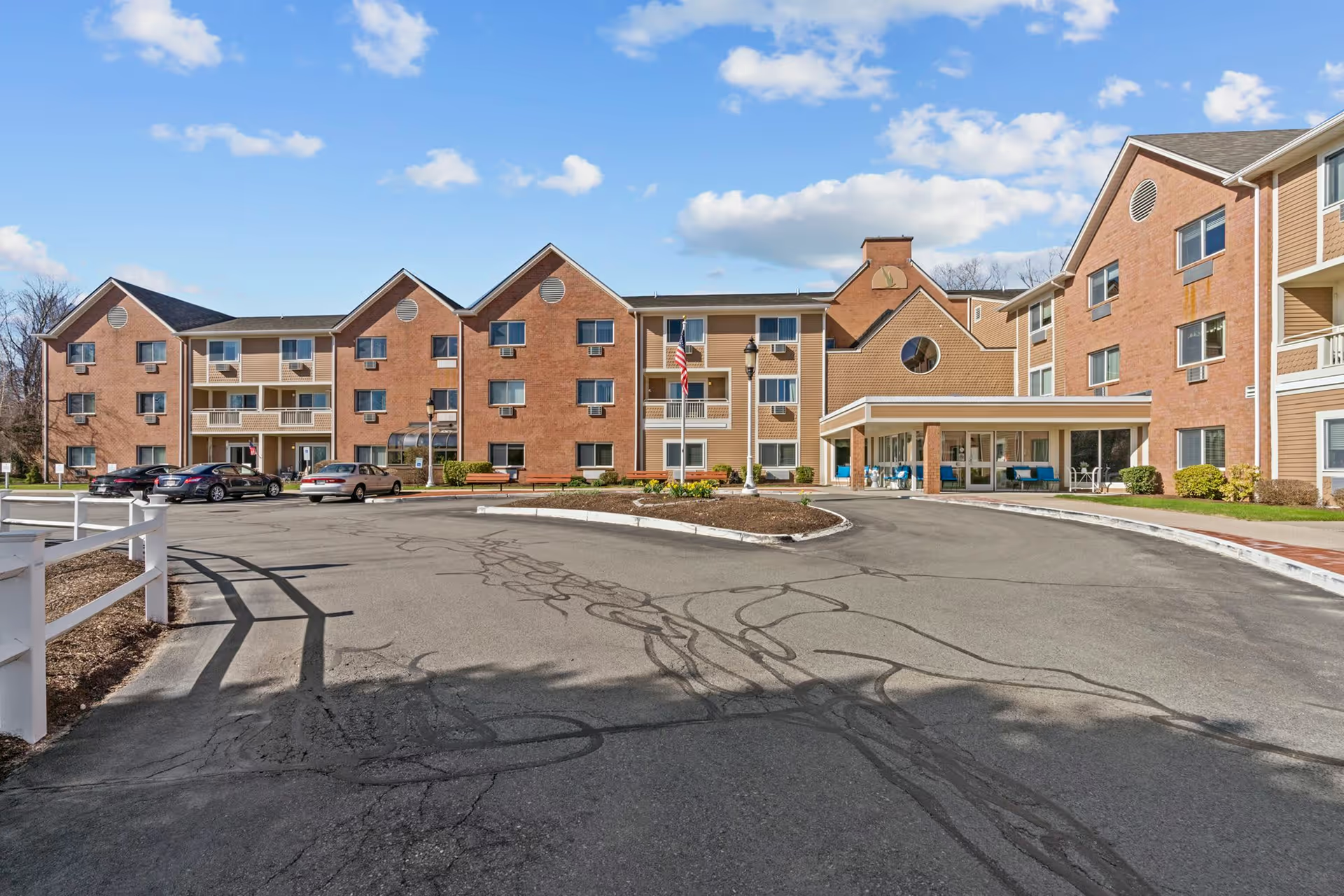
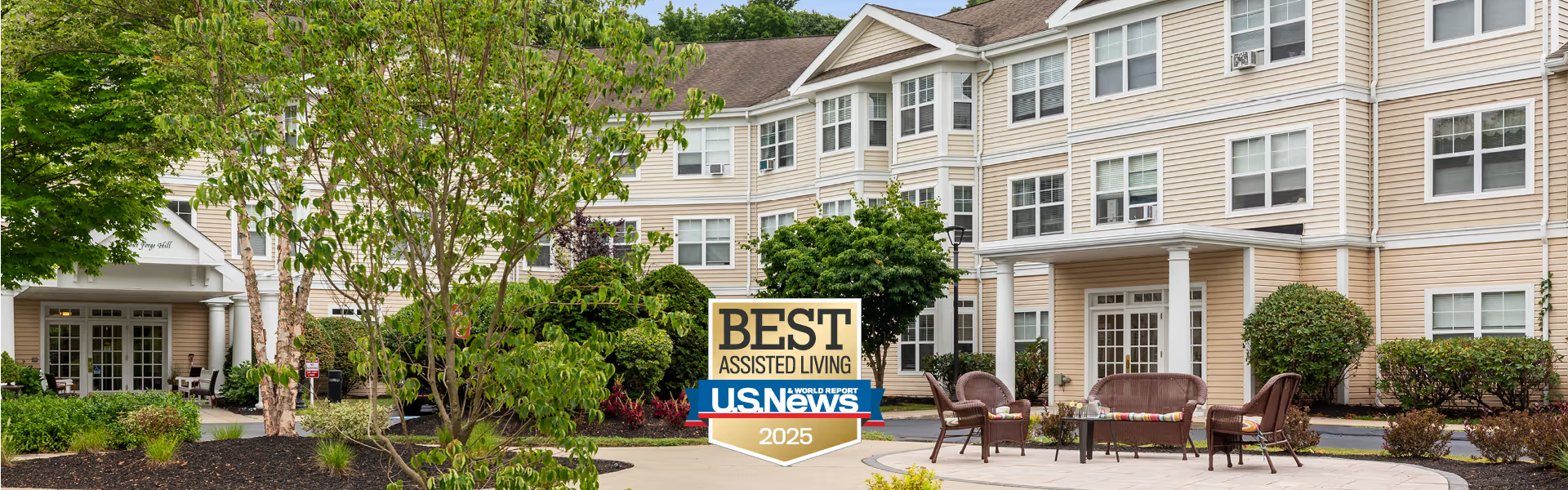
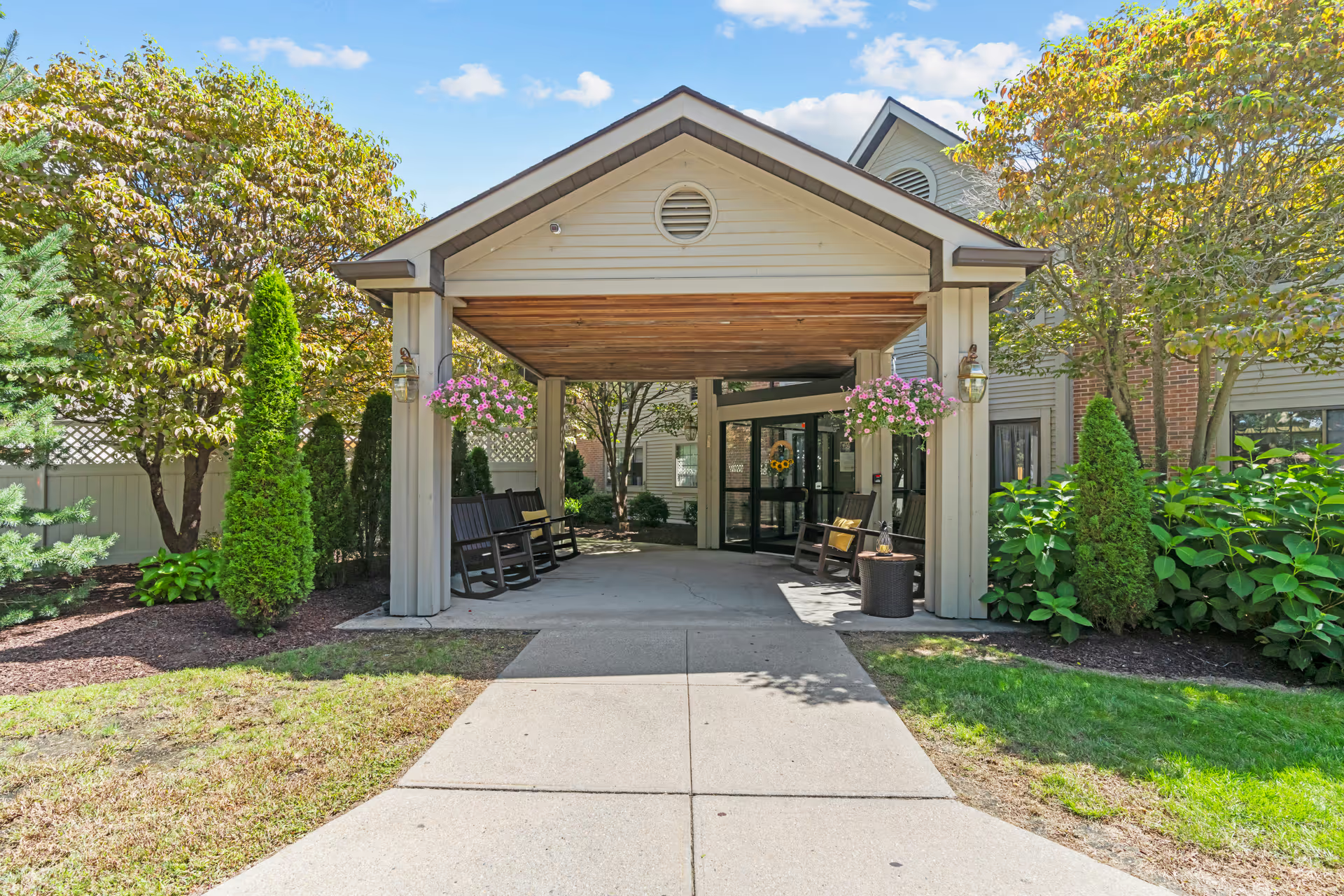
Facility features are generally favorable: the building is described as clean and well kept, with attractive outdoor seating and walking areas. However, there are practical accessibility limitations (non-automatic entry doors and a touchscreen kiosk without audible features) and some comments about outdated interior decor and limited in-room entertainment (small TVs, few channel options). A few accounts raise cleanliness or odor concerns in specific common areas and note inconsistent handling or labeling of personal items such as glasses or hearing aids.
Management impressions are mixed. Several families commend helpful front-office and HR staff and note improvements under newer leadership, while others describe insufficient responsiveness from administration when raising clinical or family concerns. Given this variability, prospective residents and families should ask targeted questions about staffing ratios, medication-safety procedures, dietary accommodation processes, personal-item policies, accessibility features, and how clinical incidents are escalated and communicated to families. Overall, The Friendly Home may be well suited to residents seeking a smaller, family-oriented setting with active therapy and social programming, but families of higher-acuity or medically complex residents should verify clinical safeguards and responsiveness before placement.