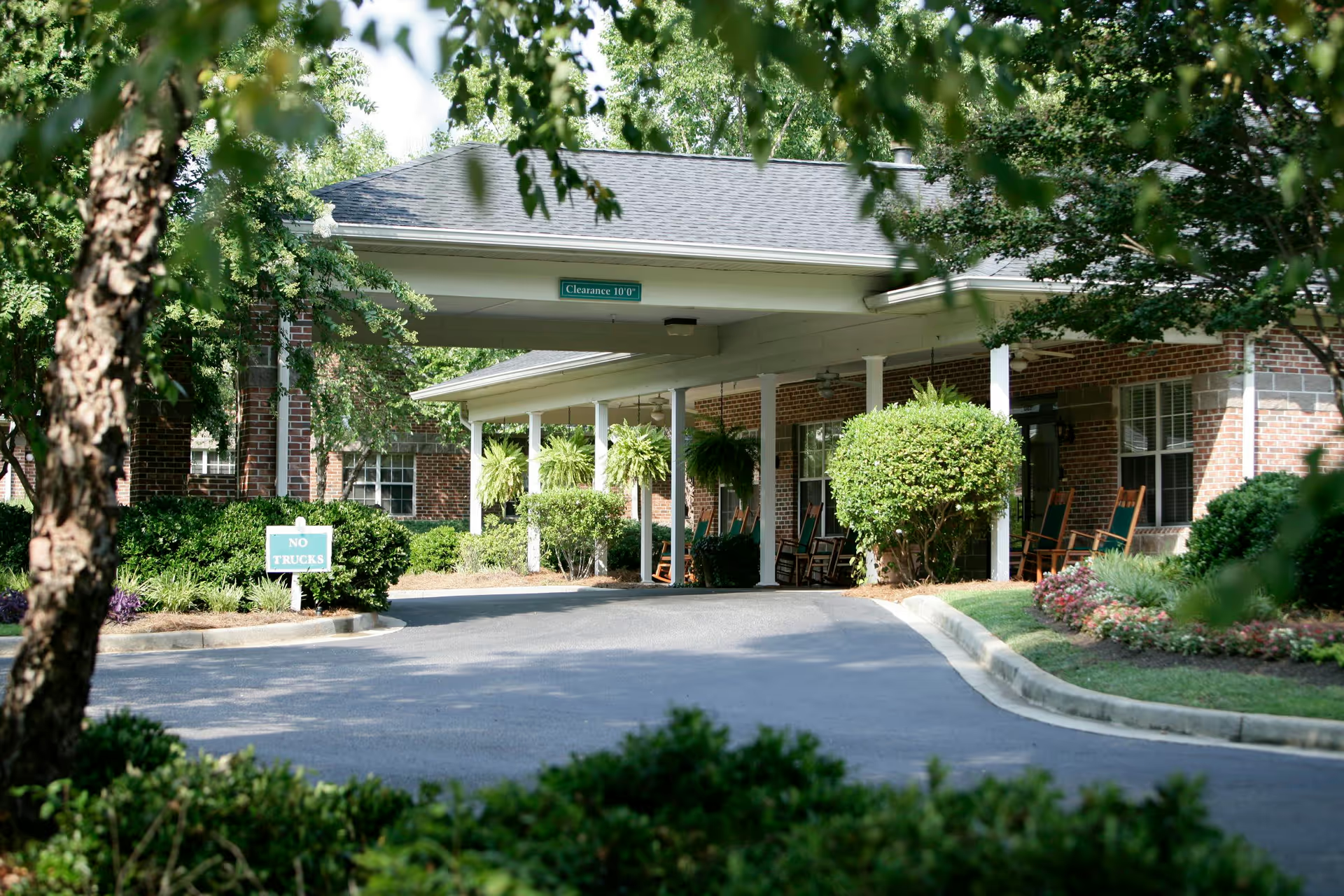
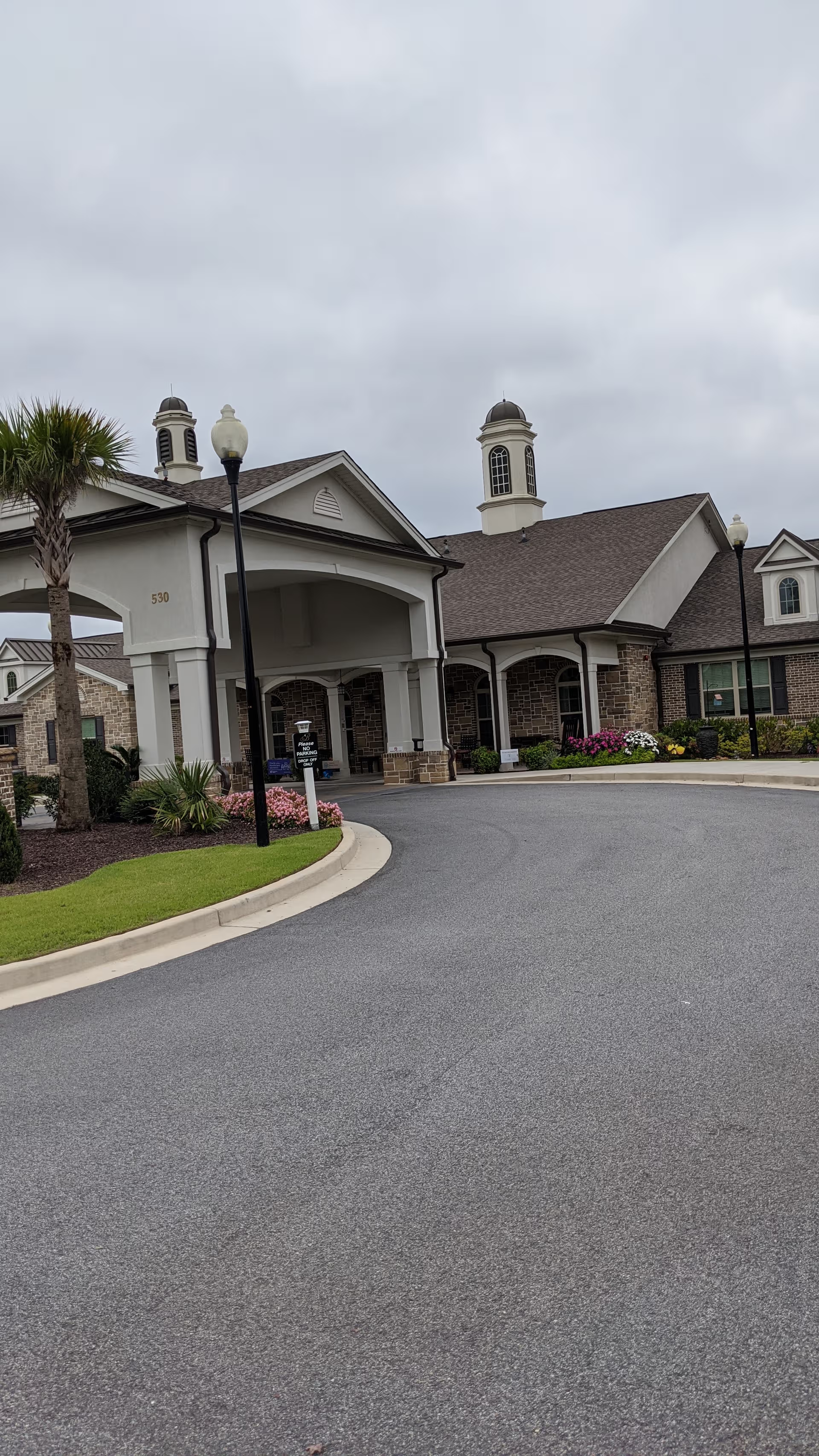
The reviews of PruittHealth - Bamberg present a mixed picture: many families and residents praise individual caregivers, certain clinical staff, and a generally warm, faith-oriented atmosphere, while others raise operational concerns that affect day-to-day quality of life. Positive comments center on specific staff members — nursing aides, a thorough nurse practitioner, and welcoming reception personnel — who delivered attentive, compassionate care and helped families during transitions. Several reviewers described areas or interactions as clean, orderly, and home-like; others provided strong recommendations based on their experiences with particular caregivers.
Care quality appears uneven. Some clinical interactions were described as timely and appropriate, including correct diagnoses and appropriate medication management. At the same time, reviewers raised concerns about inconsistent personal-care practices: delayed assistance in responding to needs, irregular bathing and feeding support, and lapses in repositioning that were linked to pressure-injury prevention worries. Infection-control practices also drew attention; while staff often used gloves, reviewers described inconsistent hand-hygiene behaviors and uncertainty about testing protocols in certain instances.
Dining and daily services receive mixed comments. Food quality was generally described as acceptable to inconsistent, and reviewers noted meal-service timing and continuity issues at times. Laundry and personal-item management emerged as a recurring operational weakness, with reports of missing gowns and concerns about how resident belongings are handled. Maintenance and facility condition were commonly mentioned: the building and finishes (carpets, windows, fixtures) were characterized as dated and in need of updating.
Staffing, management, and communication are central themes. Many reviewers praised individual employees and described supportive, respectful management interactions; however, staffing shortages and uneven staff performance across shifts were repeatedly cited as drivers of longer wait times, inconsistent care, and variable resident experience. Communication shortcomings included difficulty reaching the facility by phone, disconnected calls or undelivered messages, and unclear or delayed family notifications and care plans. A small number of more serious claims, including allegations regarding missing belongings, were raised and warrant careful follow-up by interested families.
There is no strong pattern of commentary about organized activities in the review set; activity programming either was not frequently mentioned or did not emerge as a distinguishing feature. Overall, prospective residents and families should weigh the facility's clear strengths — compassionate individual caregivers, some strong clinical practitioners, and a faith-based culture — against operational weaknesses such as inconsistent staffing, communication gaps, infection-control variability, and facility maintenance needs. Visiting in person, asking for recent staffing and infection-control metrics, reviewing the facility's laundry and valuables policies, and speaking directly with the clinical leadership about care plans and pressure-injury prevention would help assess current conditions and fit for a particular resident.