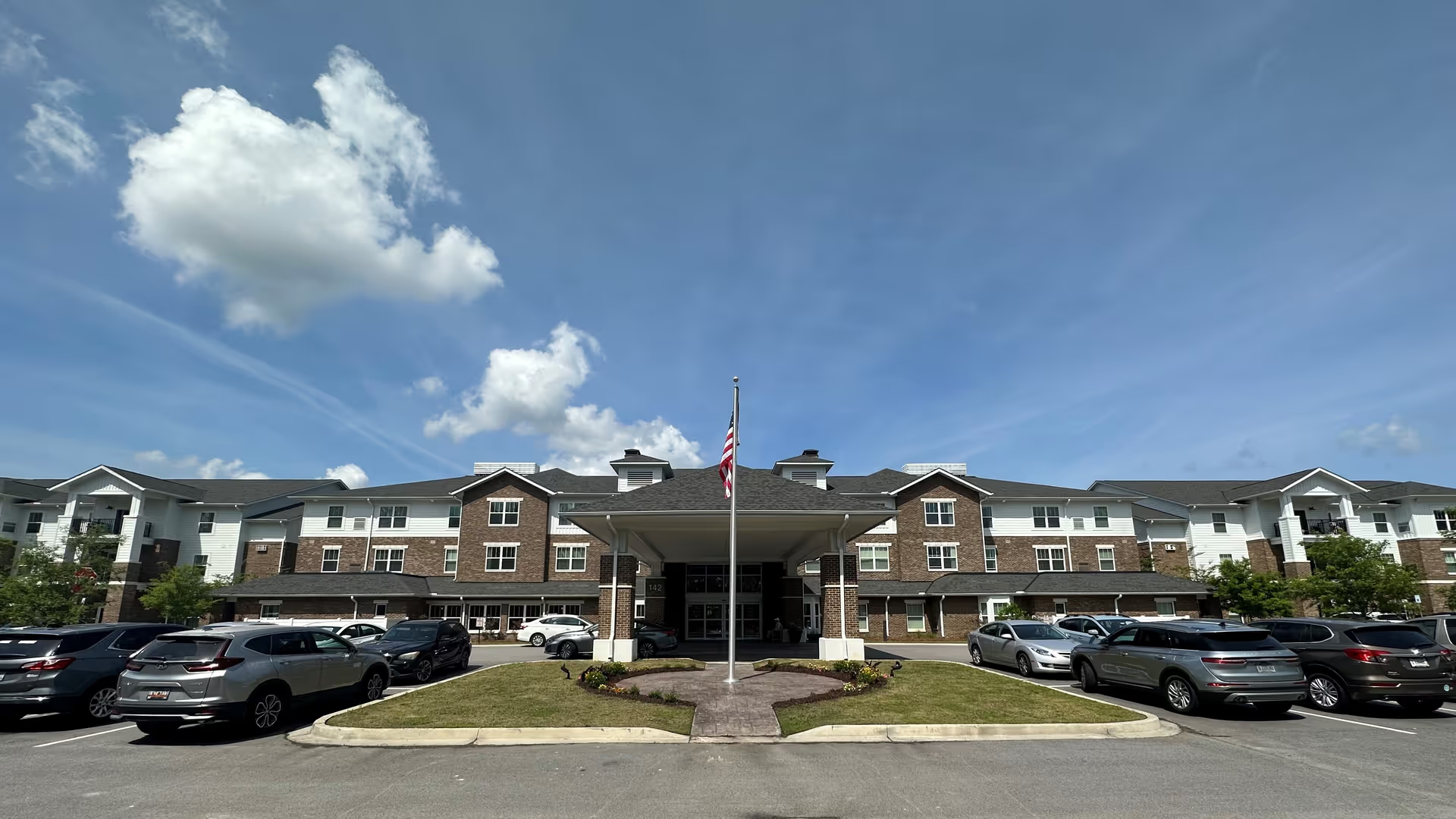
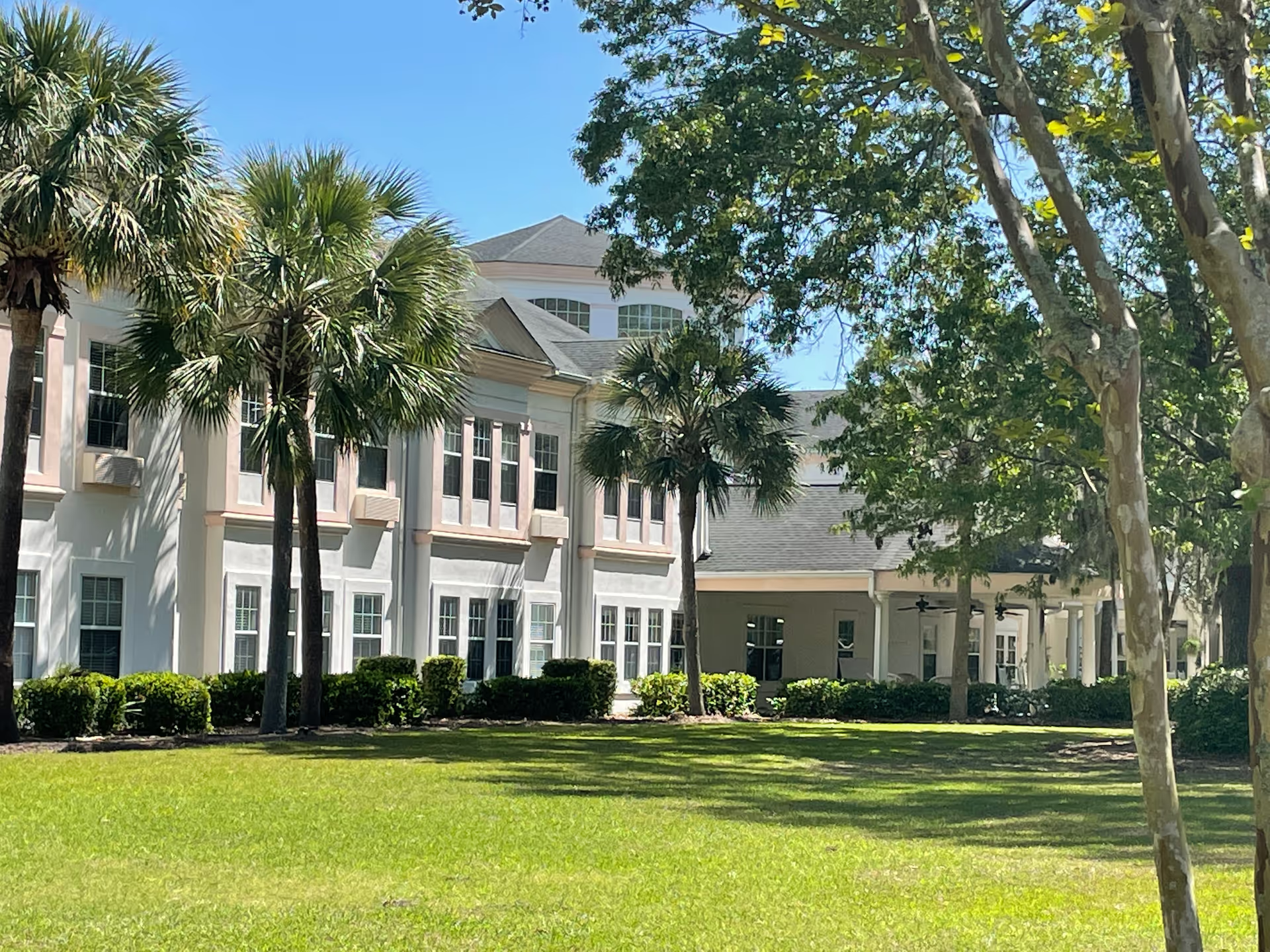
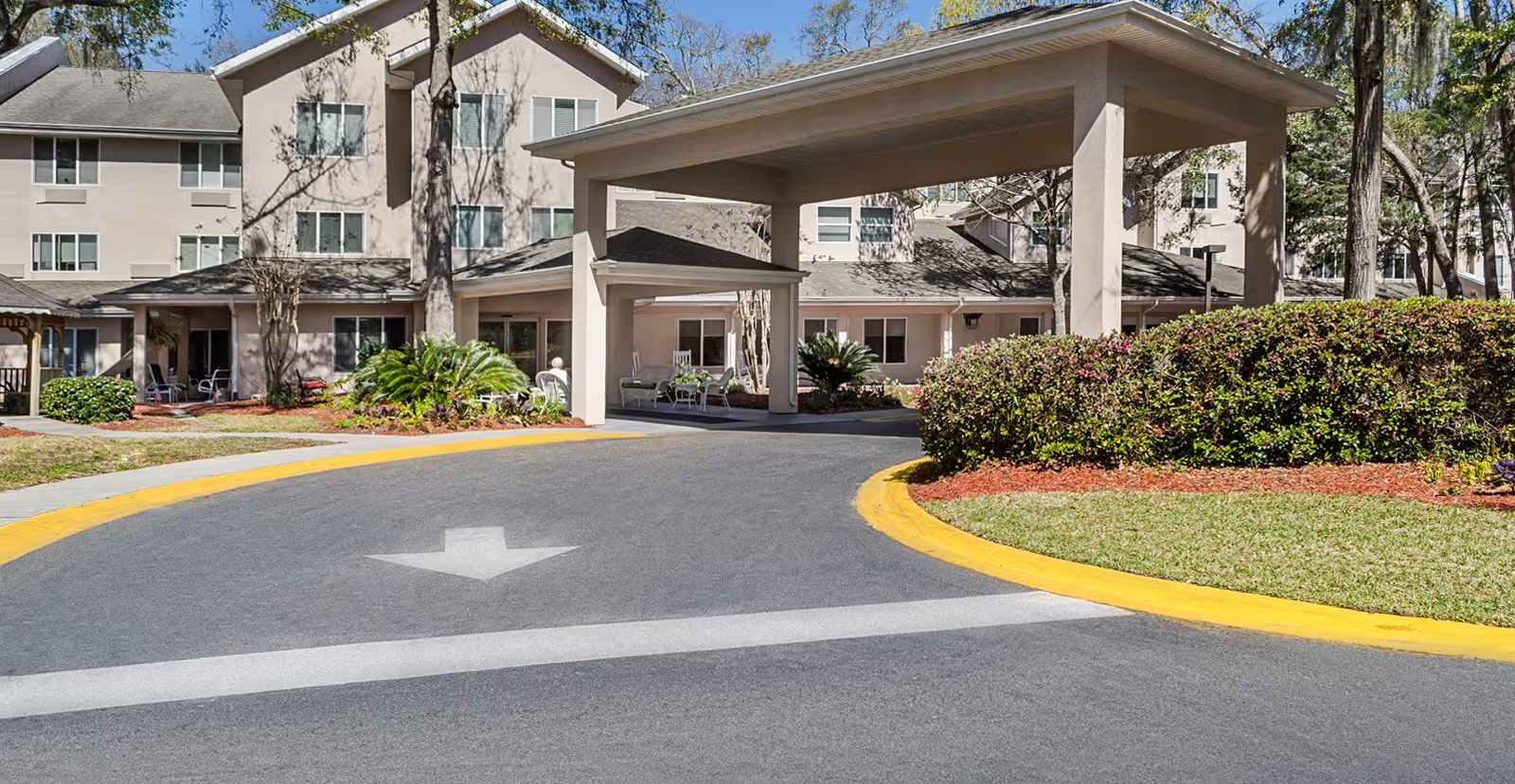
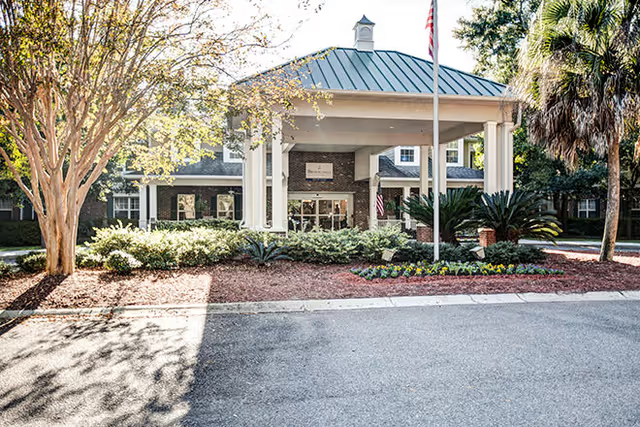
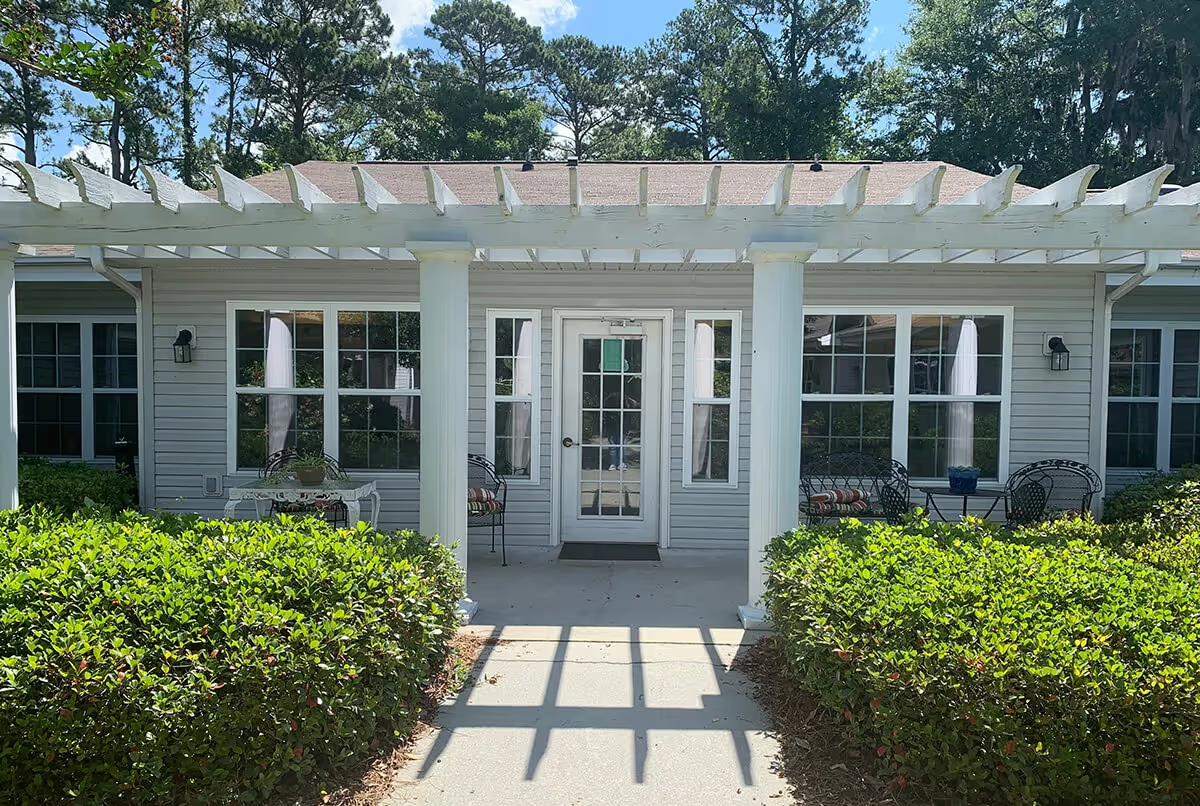
Overall impression: Reviewers consistently praise the quality of frontline care and the facility environment while identifying several operational limitations. The caregiving team, activity coordinators, and local leadership receive frequent positive remarks for compassion, attentiveness, and active resident engagement. The physical plant is generally described as new, well maintained, and thoughtfully laid out: spacious apartments, private bathrooms, attractive common areas, and amenities such as a salon, gym, and walking paths. Families also note strong move-in support and practical services like weekly laundry and medication-transition assistance.
Care and clinical oversight: Many families describe attentive caregivers and a capable memory-care team; residents are often reported as more engaged and better supported after admission. At the same time, there are recurring concerns about clinical monitoring and response processes. Reviewers point to delayed responses to call lights and inconsistent attention to mobility and clinical changes, as well as episodic transfers to higher-level care. These concerns cluster around weekends and off-shift hours, suggesting gaps in staffing coverage and in handoff communication that can affect timely clinical interventions.
Dining and activities: The activity program (bingo, seated exercise, music and holiday events) is a frequently cited strength and contributes to a social, community feel. However, scheduling choices and activity timing (for example, programs held after dinner) can limit participation for some residents. Dining receives mixed feedback: some families appreciate meal variety and dining spaces, while others describe inconsistent food quality, service delays, and occasional limitations in dietary accommodations (for example, difficulty with tough or dry foods for residents with dentures). Additional charges related to meal delivery and perceived food-service shortcuts were also raised as concerns.
Management, communication, and operations: Local management and specific staff members are commonly commended for family communication and responsiveness, but reviewers also note uneven communication between weekend and weekday staff, and between different departments. There are repeated comments about weekend staffing shortages, medication-ordering and handoff issues on weekends, and transportation or appointment coordination problems. Several reviews reference administrative and corporate-level responsiveness as a weakness, including billing or payment delays and inconsistent follow-through on family concerns. A notable and serious escalation described by families involved an end-of-life administrative action that prompted ombudsman and regulatory attention; this appears to be an isolated but significant operational dispute.
Patterns and recommendations for prospective families: Prospective residents and families can expect a newly maintained facility with a strong emphasis on social programming and caring frontline staff. Those for whom consistent clinical monitoring, rapid call-response, or robust weekend coverage are critical should inquire specifically about staffing ratios, after-hours coverage, and handoff procedures. Families concerned about dining should request recent menus, sample meals, and clarification of dietary accommodations and any extra meal charges. For people with advanced mobility limitations or complex clinical needs, confirm transfer and monitoring protocols and how weekend coverage is handled. Overall, the facility's strengths in person-centered staff and amenities are clear, but operational variability—especially around dining, weekend staffing, and communication—warrants direct discussion during tours and contract review.