Overall impression: Ashley River Healthcare elicits strongly mixed impressions. Many reviews praise the facility's rehabilitation strengths, compassionate frontline caregivers, and recent physical upgrades; however, a substantial set of operational concerns recurs in areas such as staffing consistency, responsiveness, cleanliness, and family communication.
Care and clinical services: Physical and occupational therapy are frequent highlights — reviewers describe patient-focused, effective rehab that led to successful discharges and measurable improvement. Nursing and CNA staff are often characterized as kind, attentive, and informative; several families singled out individual clinicians and therapists for exceptional care. At the same time, reviewers cite inconsistencies in clinical follow-up, missed or delayed therapy sessions, and variability in medication- and symptom-management processes that suggest uneven clinical reliability across shifts.
Staffing and responsiveness: A common pattern is variability in staffing levels and reliance on agency personnel. This reportedly contributes to delays in responding to call lights and bedside assistance, inconsistent bathing and toileting support, and uneven continuity of care. While many staff members receive praise for their compassion and professionalism, these positive interactions coexist with accounts of slow response times and inconsistent bedside attention.
Dining and activities: Activity programming and the social environment receive largely favorable comments; reviewers describe engaging, meaningful activities and a family-like atmosphere. Dining impressions are mixed: some residents and families note enjoyable meals and pleasant dining rooms, while others cite inconsistent meal quality or delivery failures (for example, meals served in bed when dining was expected).
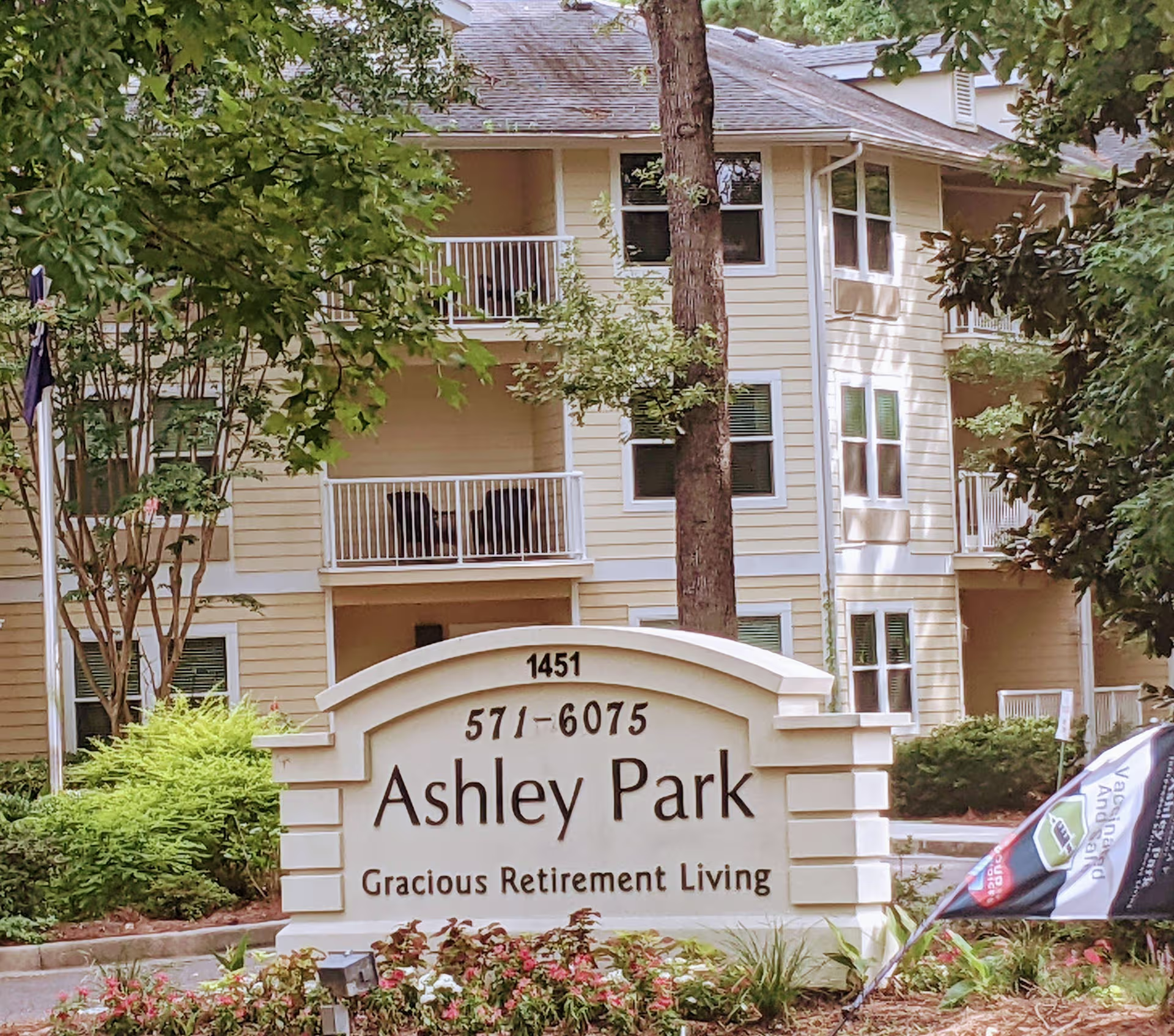
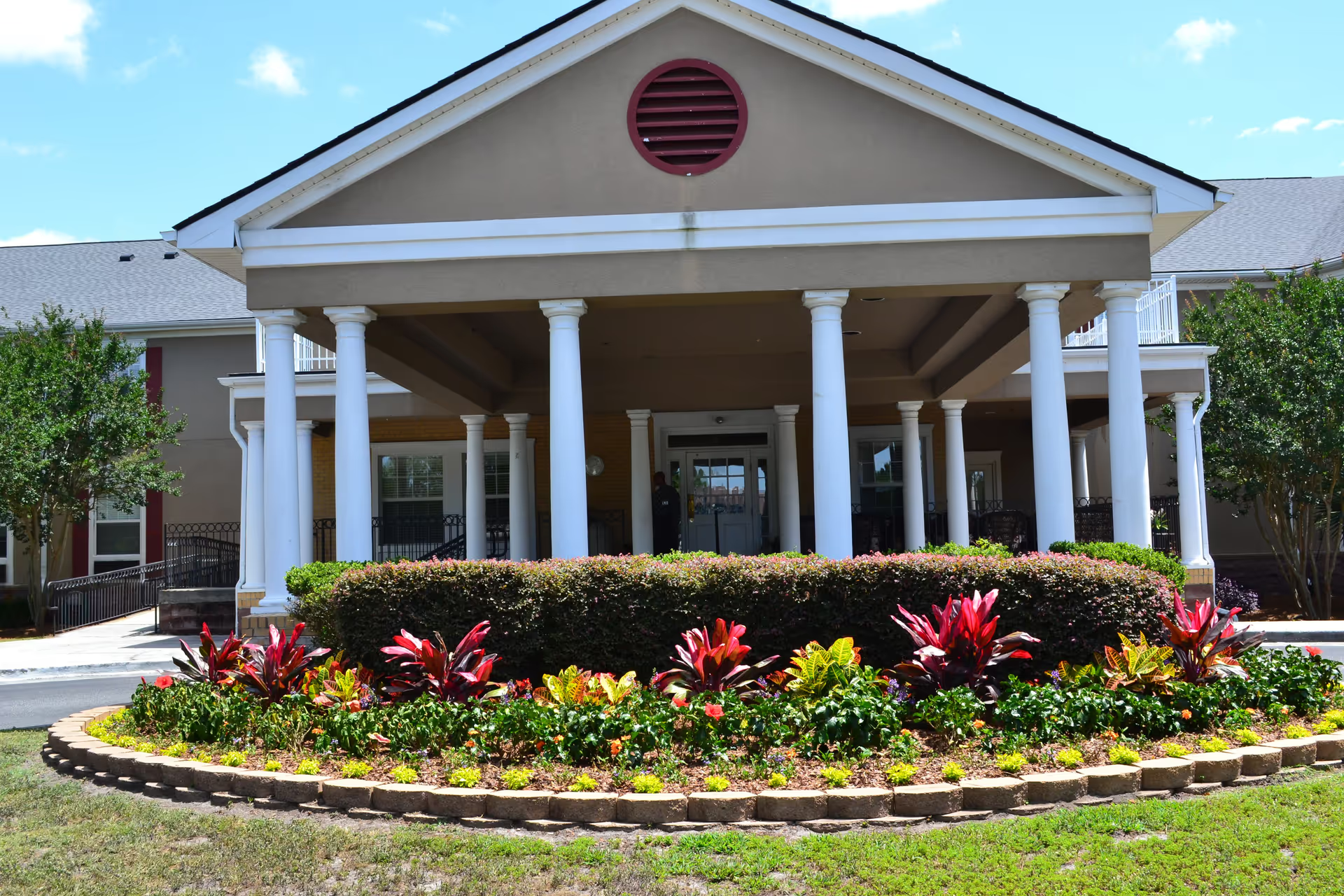
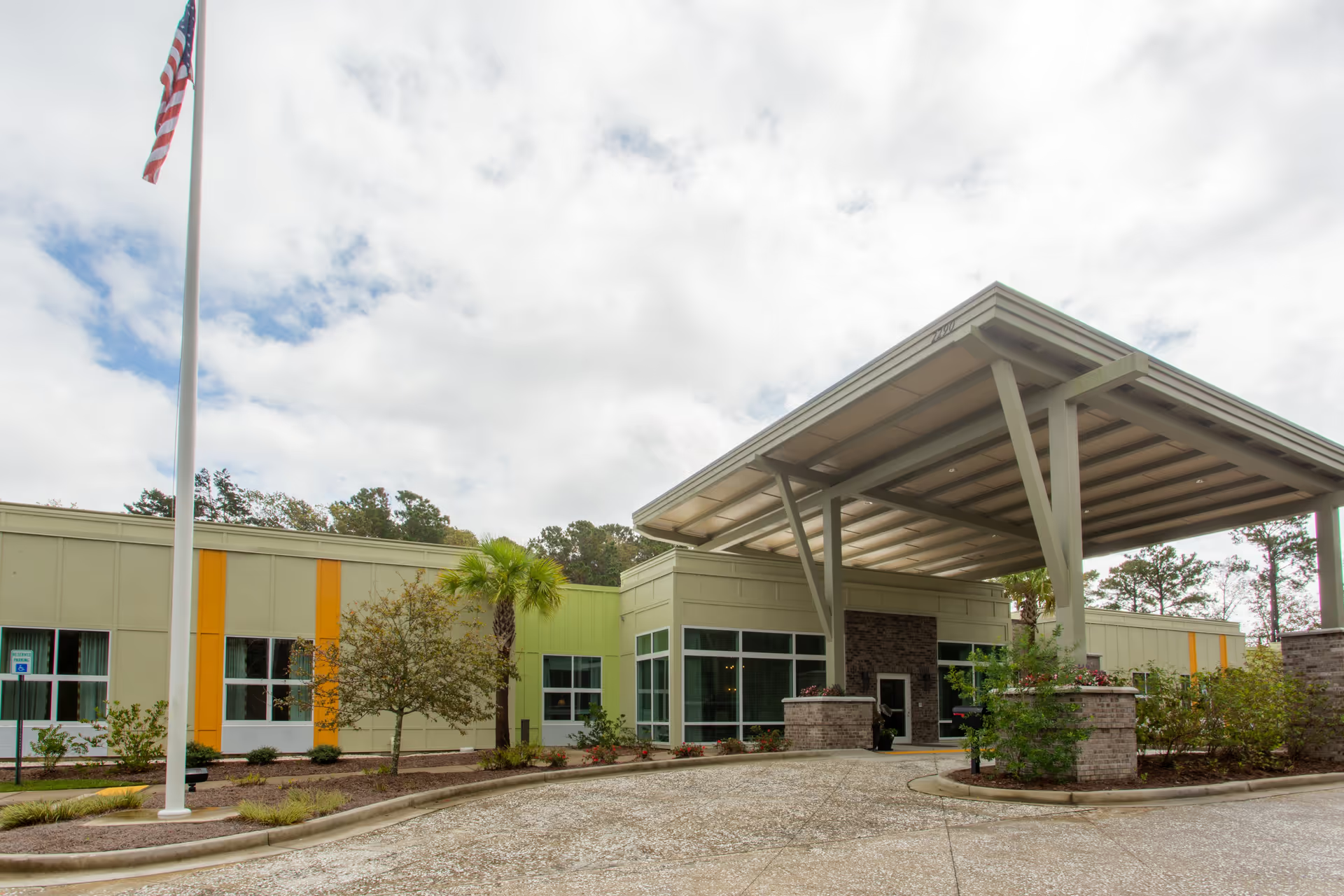
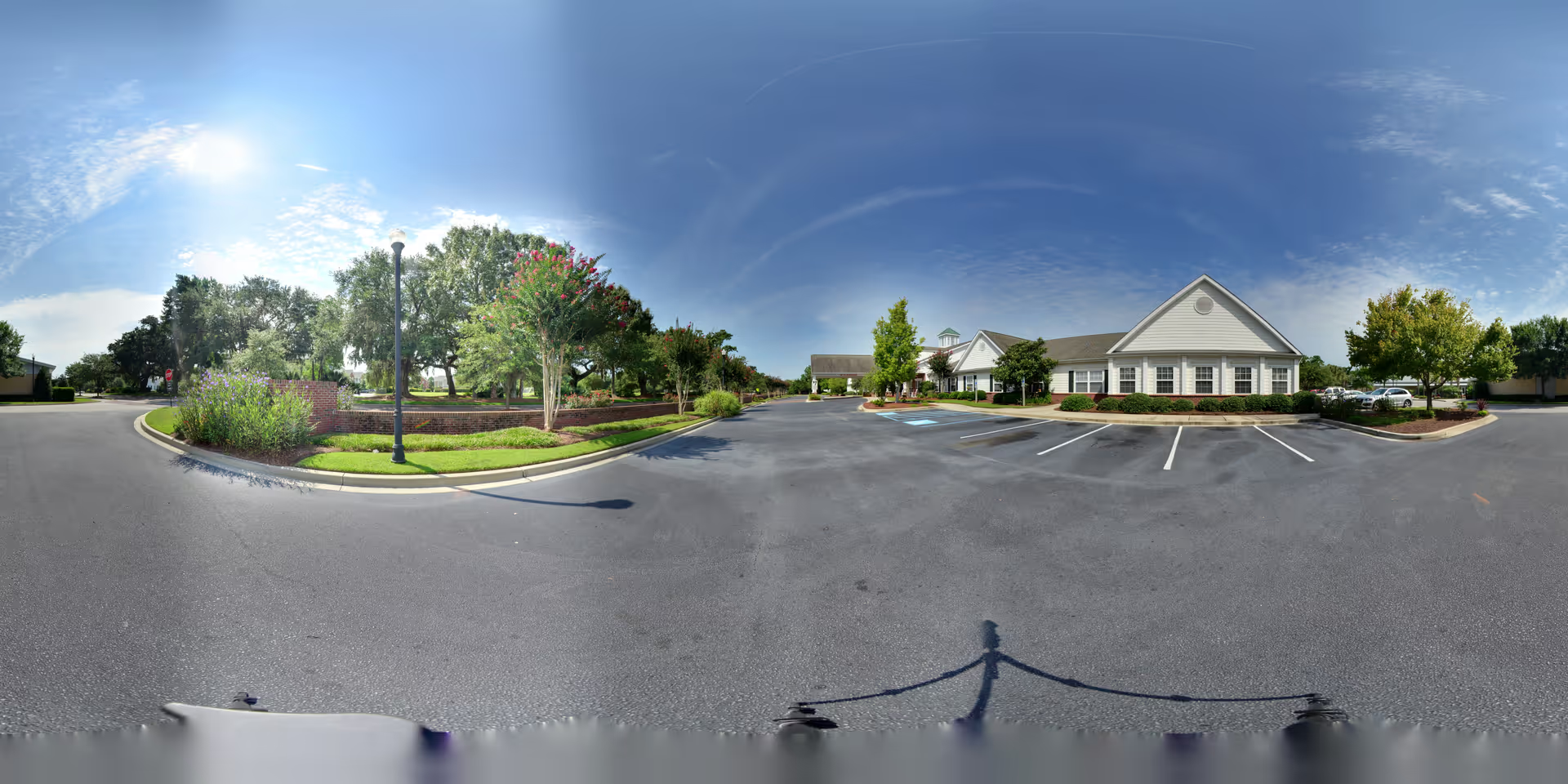
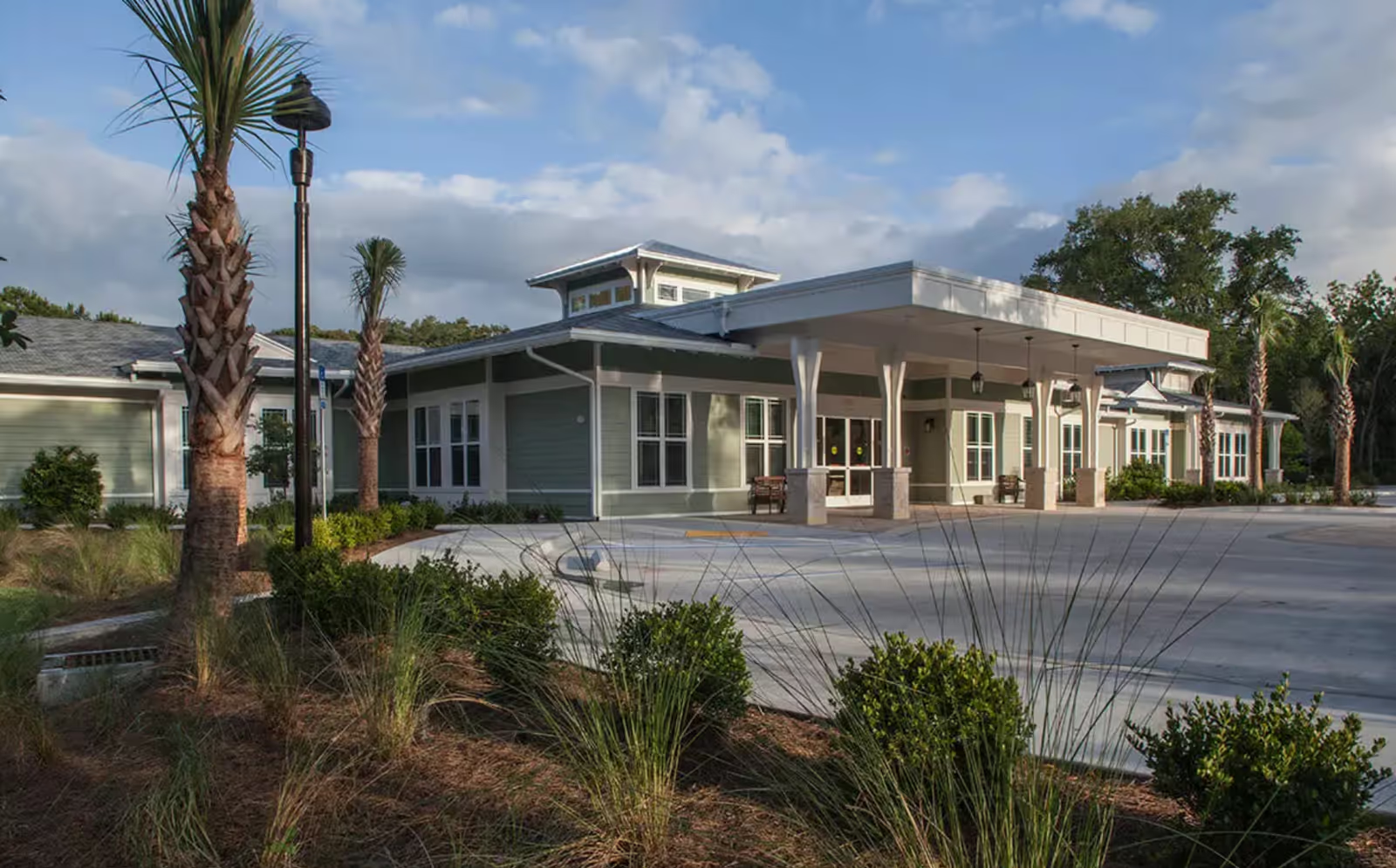
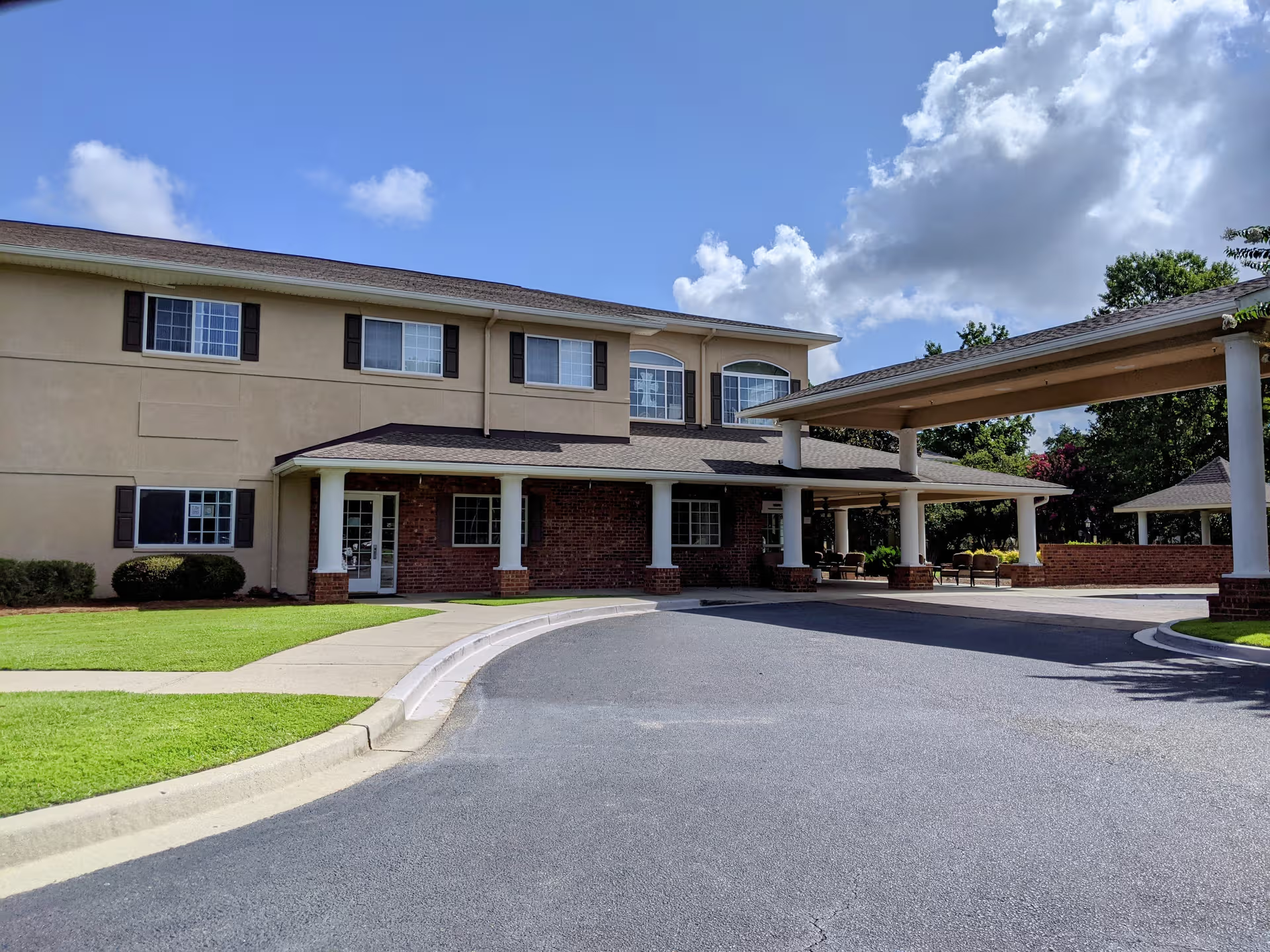
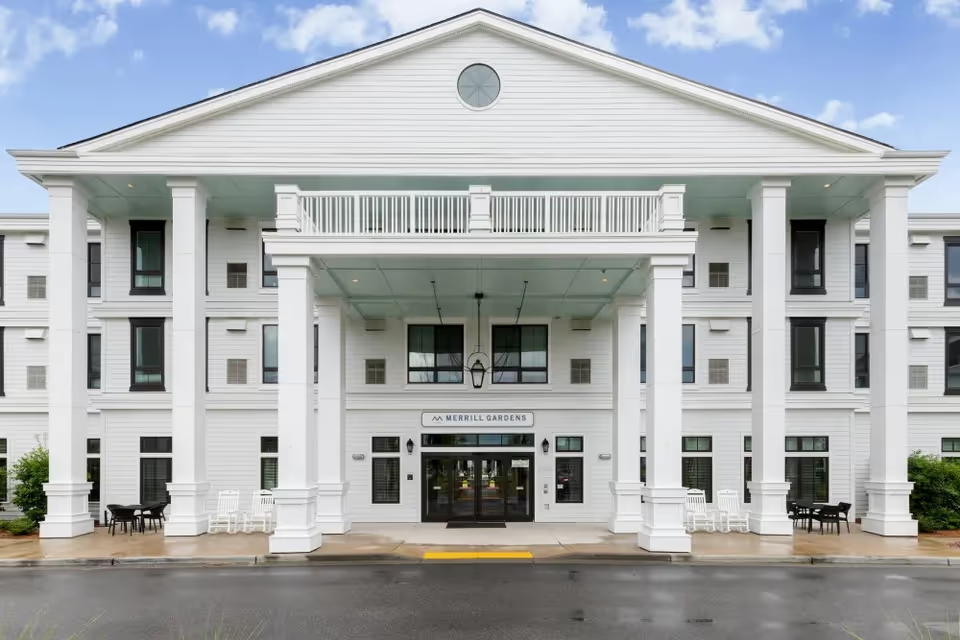
Facilities and environment: Multiple reviewers appreciate the renovated building, private-room options, ample room layout, secure entry, and generally clean public spaces. Conversely, cleanliness and sanitation appear inconsistent by unit and time; several reviewers raised odor concerns, surface-cleaning issues, and pest-control questions in particular areas. Security at the front desk and the overall campus design are frequently described as strengths.
Management, communication, and policies: Management perception is mixed. Some reviews credit recent leadership changes, visible administrative engagement, and improved environment under new managers. Others describe gaps in communication — especially during critical events such as evacuations, discharge planning, or a resident's death — and frustration with unreturned calls or an unresponsive care line. There are also specific operational concerns about property handling (missing or damaged belongings) and billing transparency that families found troubling.
Notable patterns and takeaways: Prospective residents and families can expect strong rehabilitation services, many compassionate frontline caregivers, and a facility with updated physical spaces. However, they should also anticipate operational variability: staffing levels, responsiveness, unit-level sanitation, meal consistency, and family communication may vary by shift and unit. For families prioritizing intensive, reliable nursing coverage and consistent facility hygiene, it would be prudent to ask about current staffing ratios, agency use, cleanliness audits, property-management procedures, and how the team communicates during transfers or critical incidents. For those focused on rehab outcomes and a welcoming environment, the facility's therapy program and renovated spaces are likely to be meaningful assets.