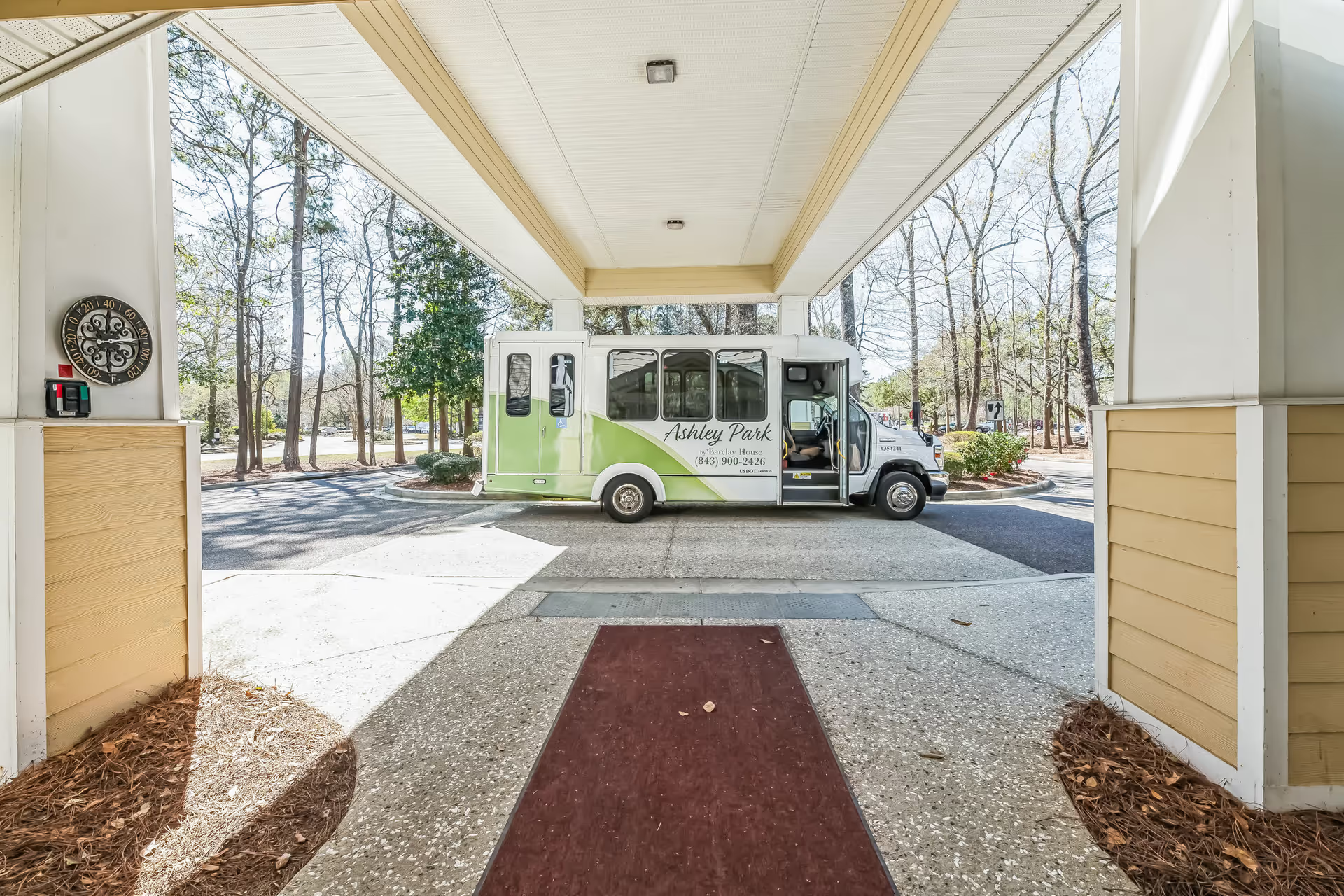
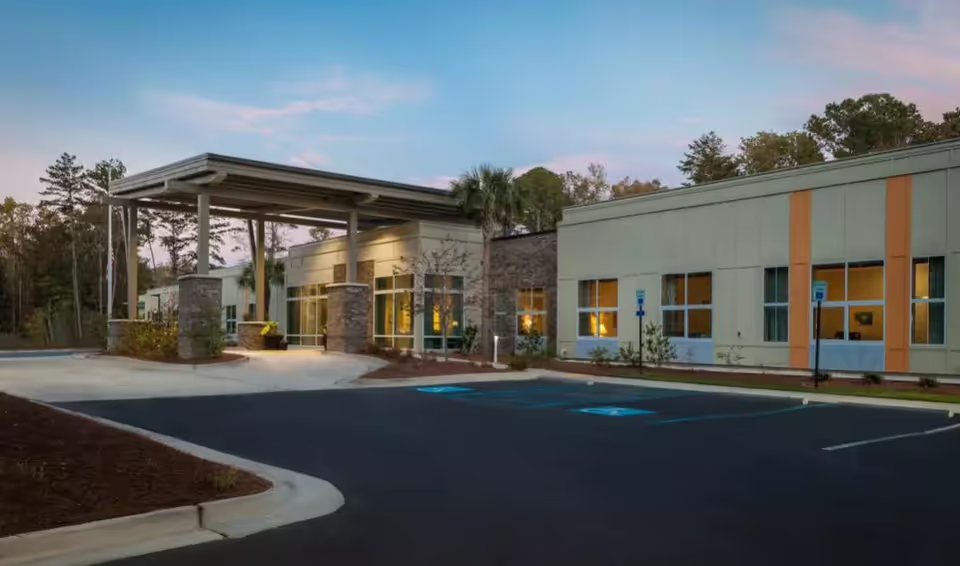
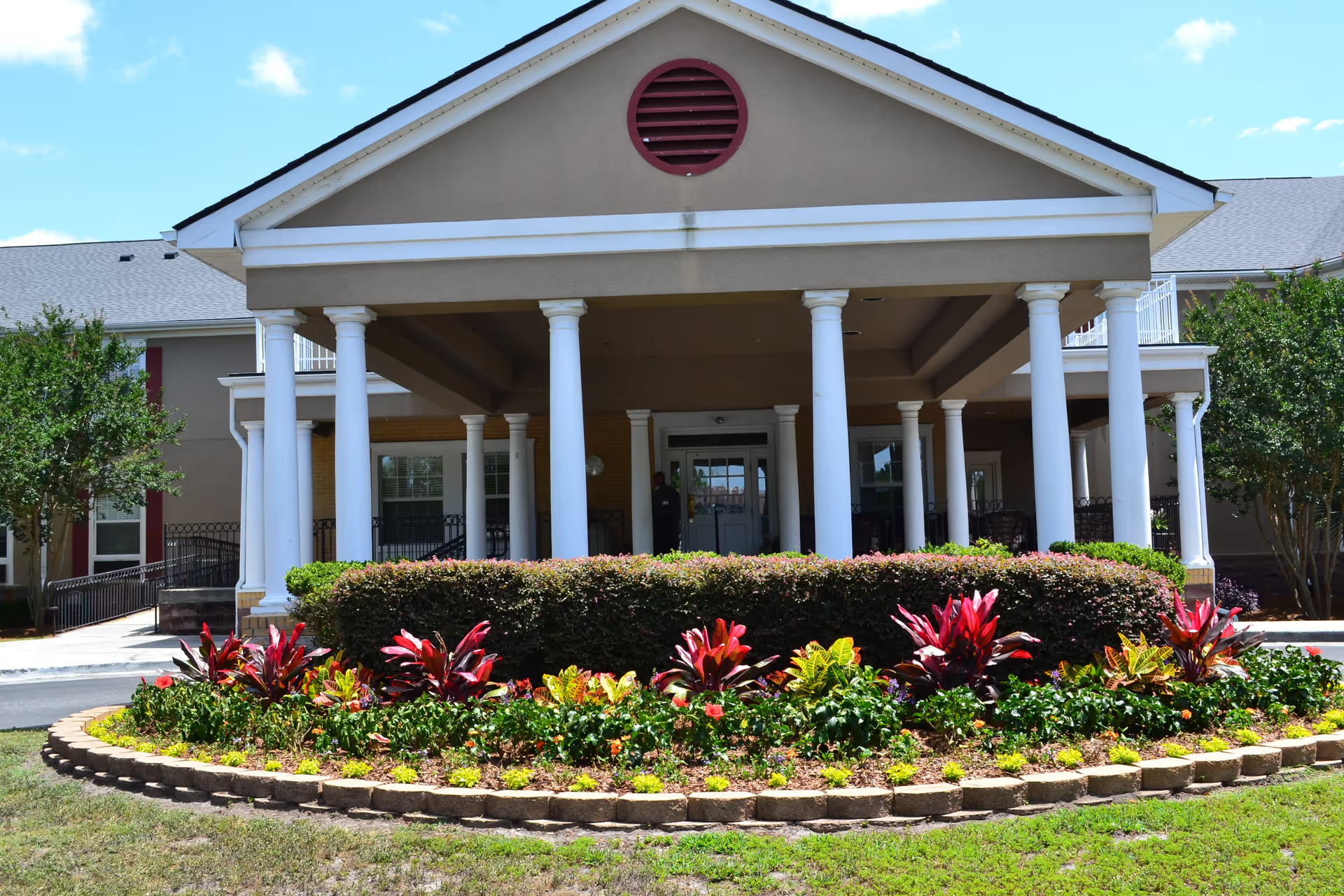
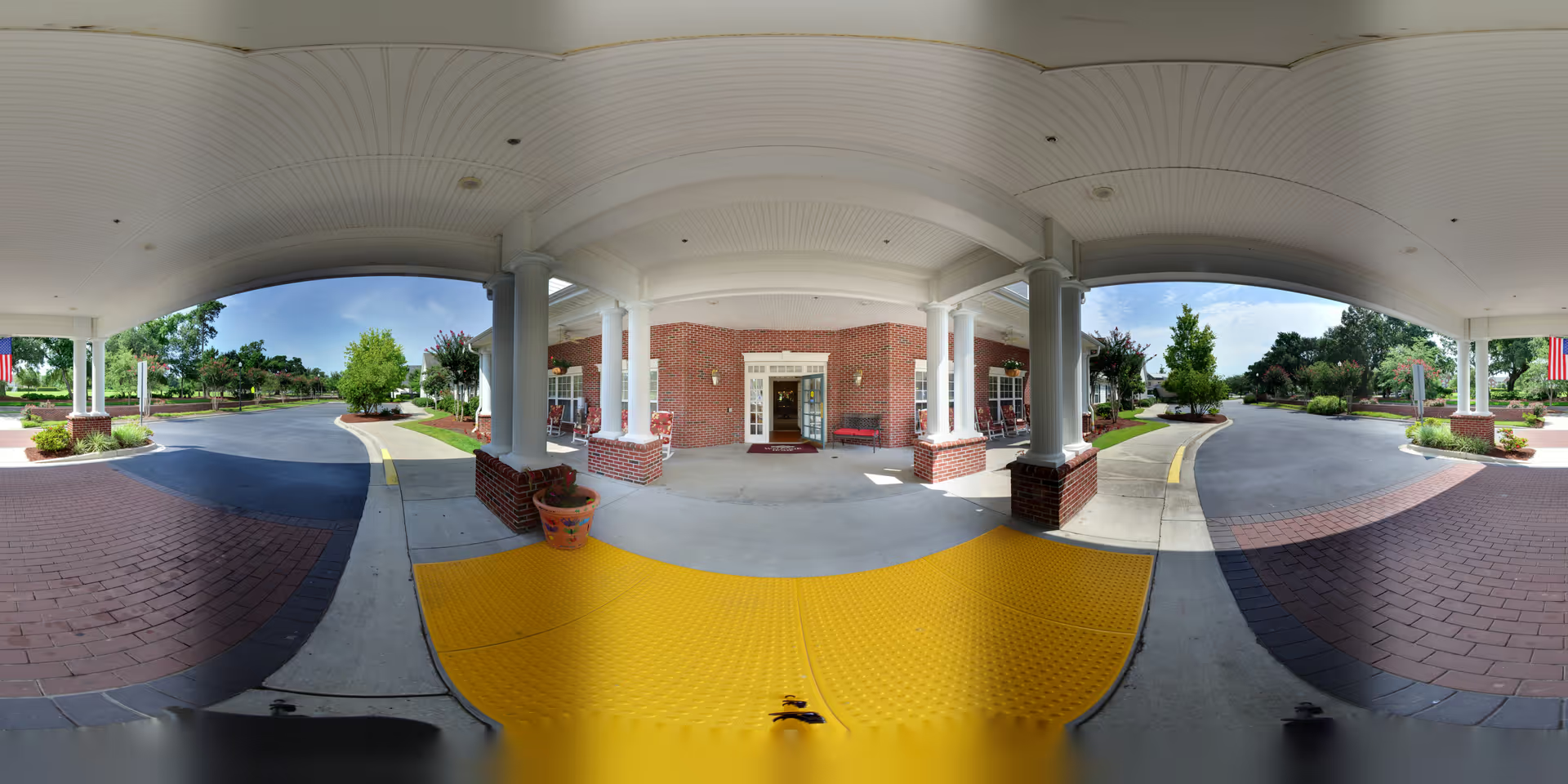
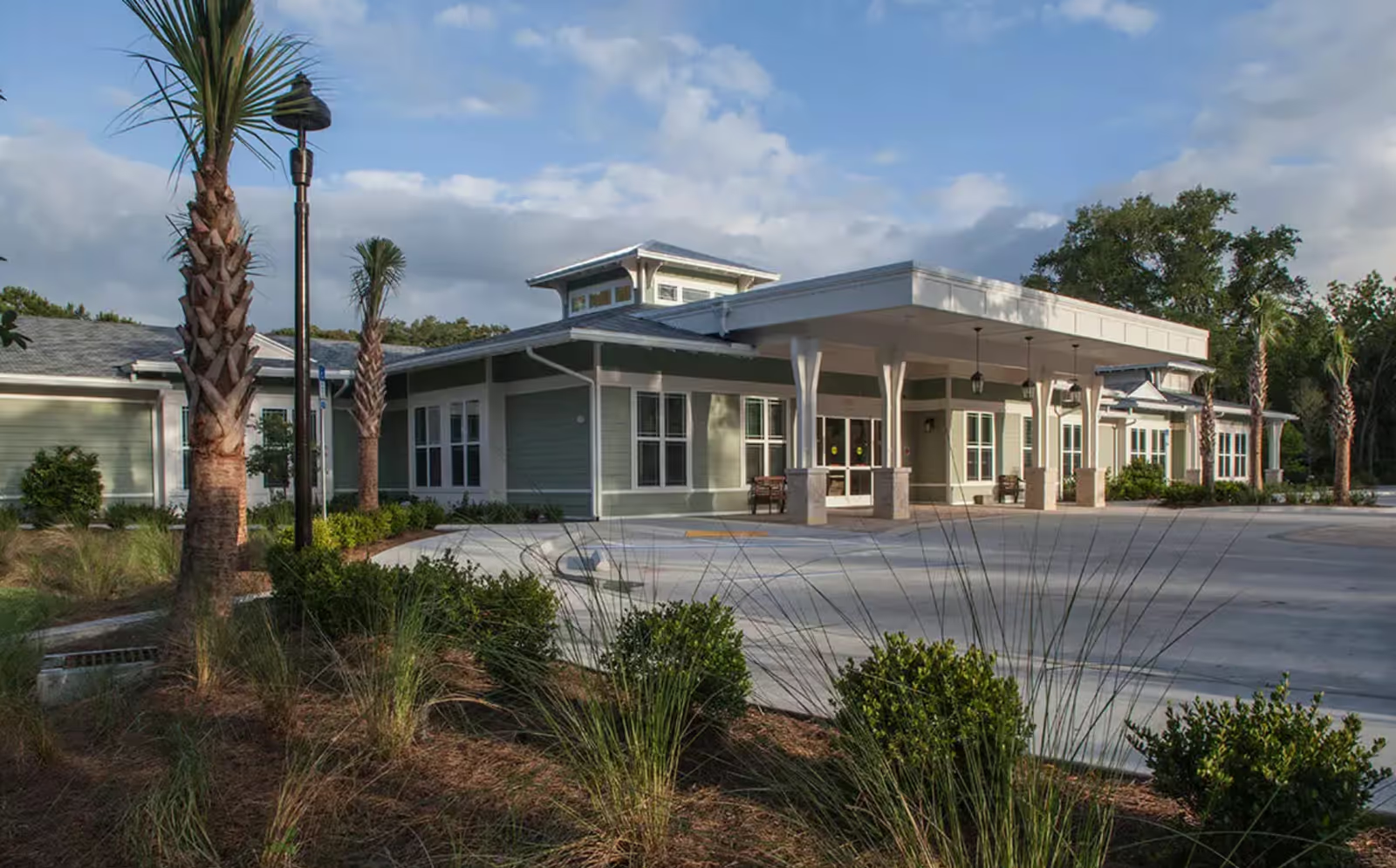
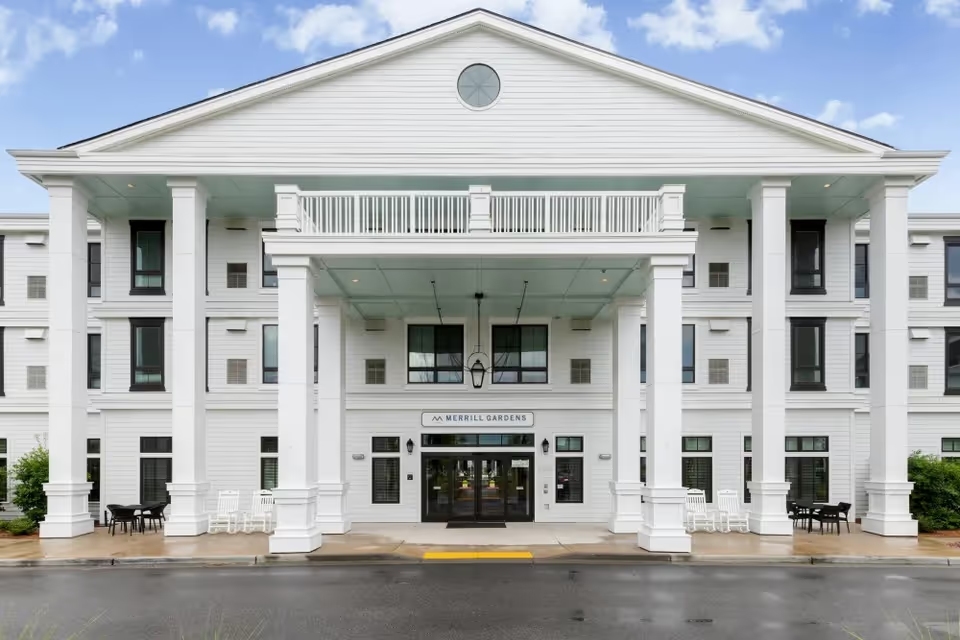
Bishop Gadsden Life Care Retirement Community presents a largely positive picture in terms of physical plant, amenities, and programming. Reviewers consistently describe a well-maintained, attractive campus with extensive landscaping, diverse housing types (apartments, houses, single rooms) and resort-like finishes. On-site amenities noted include multiple dining venues (including upscale and self-serve options), a chapel with strong music programs and organ performance, recreational features such as a croquet court and a Steinway grand piano, and visible artwork in common corridors. Housekeeping and laundry services, as well as end-of-life and continuing-care capabilities, contribute to its positioning as a full-service retirement community with a range of price points.
Clinical and rehabilitative services receive favorable remarks for skill and outcomes in many accounts: occupational and speech therapists are singled out as strong, and families describe follow-up medical support after transitions. At the same time, a recurrent operational theme is inconsistent communication about clinical progress. Reviewers cite a lack of routine condition reports, limited therapy progress updates, and late discharge notices, which suggests gaps in care-transition protocols and family-facing clinical reporting. These communication weaknesses appear organizational rather than individual, and they can materially affect family confidence during short-term rehab and transitions.
Staff quality is a prominent strength in many accounts: caregivers are described as professional, respectful, empathetic, and attentive, creating a sense of safety and hospitality akin to a five-star environment. Conversely, there are reports indicating uneven staff conduct and morale in some units following supervisory changes. Patterns flagged include perceived staffing instability, concerns about management responsiveness to staff- or family-raised issues, and allegations of favoritism or nepotism affecting personnel decisions. These management and supervisory concerns correlate with accounts of declining consistency in service for a subset of residents.
Dining and activities receive strong praise overall. Reviewers highlight high-quality cuisine, multiple dining settings, and active social calendars with concerts, religious services, and special events that foster community participation. The arts and music programing, including choir and organ recitals, is repeatedly called out as a defining cultural asset. However, operational complaints include occasional sanitation or cleanliness variability in some common or operational areas and pest-control concerns affecting exterior spaces; these items suggest opportunities to strengthen facilities maintenance and environmental services.
Taken together, the reviews depict a high-end, well-appointed continuing-care community with notable strengths in amenities, dining, therapy services, and cultural life, balanced against operational weaknesses in communication, certain aspects of facilities maintenance, and managerial consistency. Prospective residents and families should weigh the community’s extensive programming and clinical capabilities alongside the identified risks around information flow at care transitions, staffing continuity, and maintenance responsiveness. Direct conversations with clinical leadership about therapy-update protocols, discharge timelines, pest-control plans, and staff turnover trends would help clarify how these patterns are being addressed before making a placement decision.