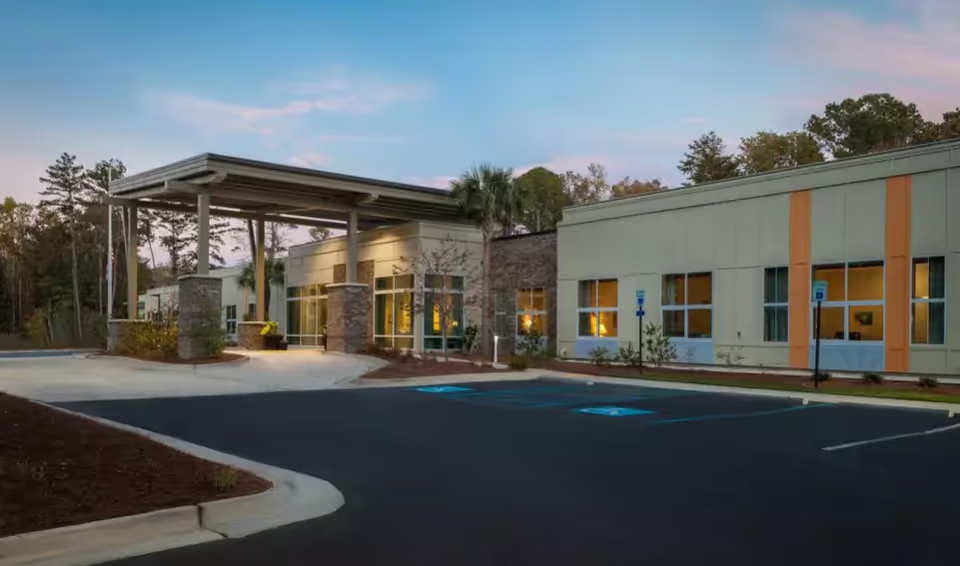
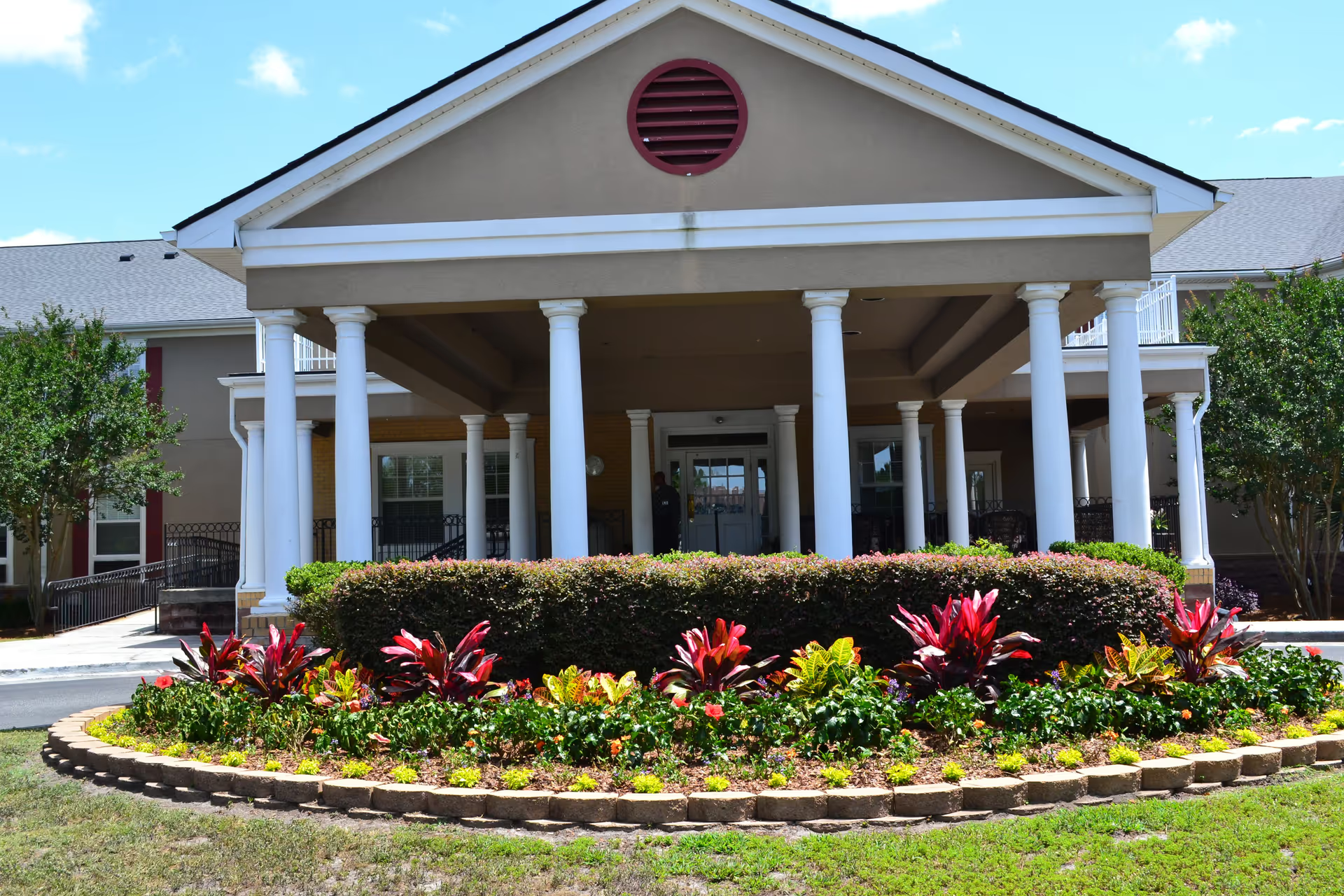
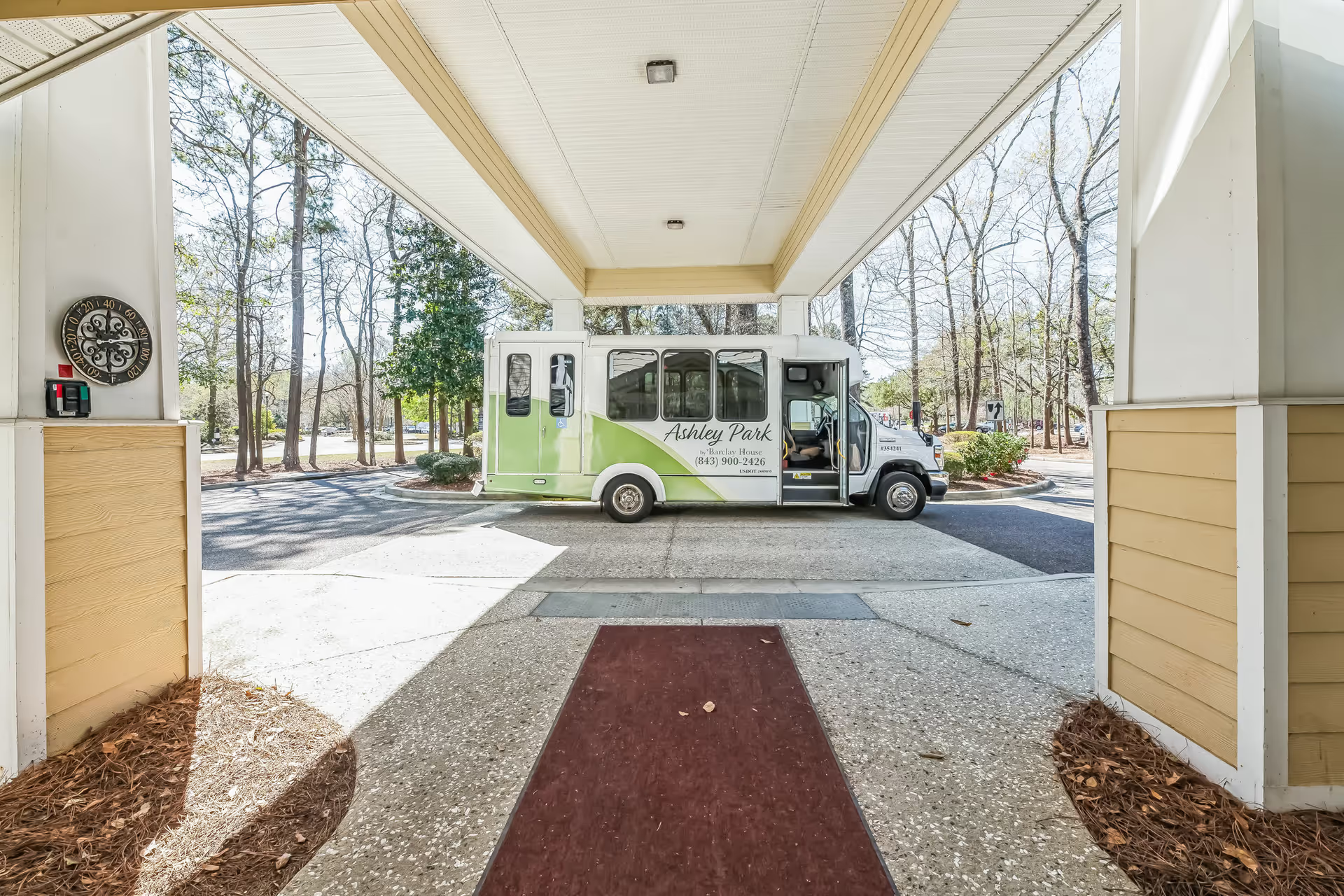
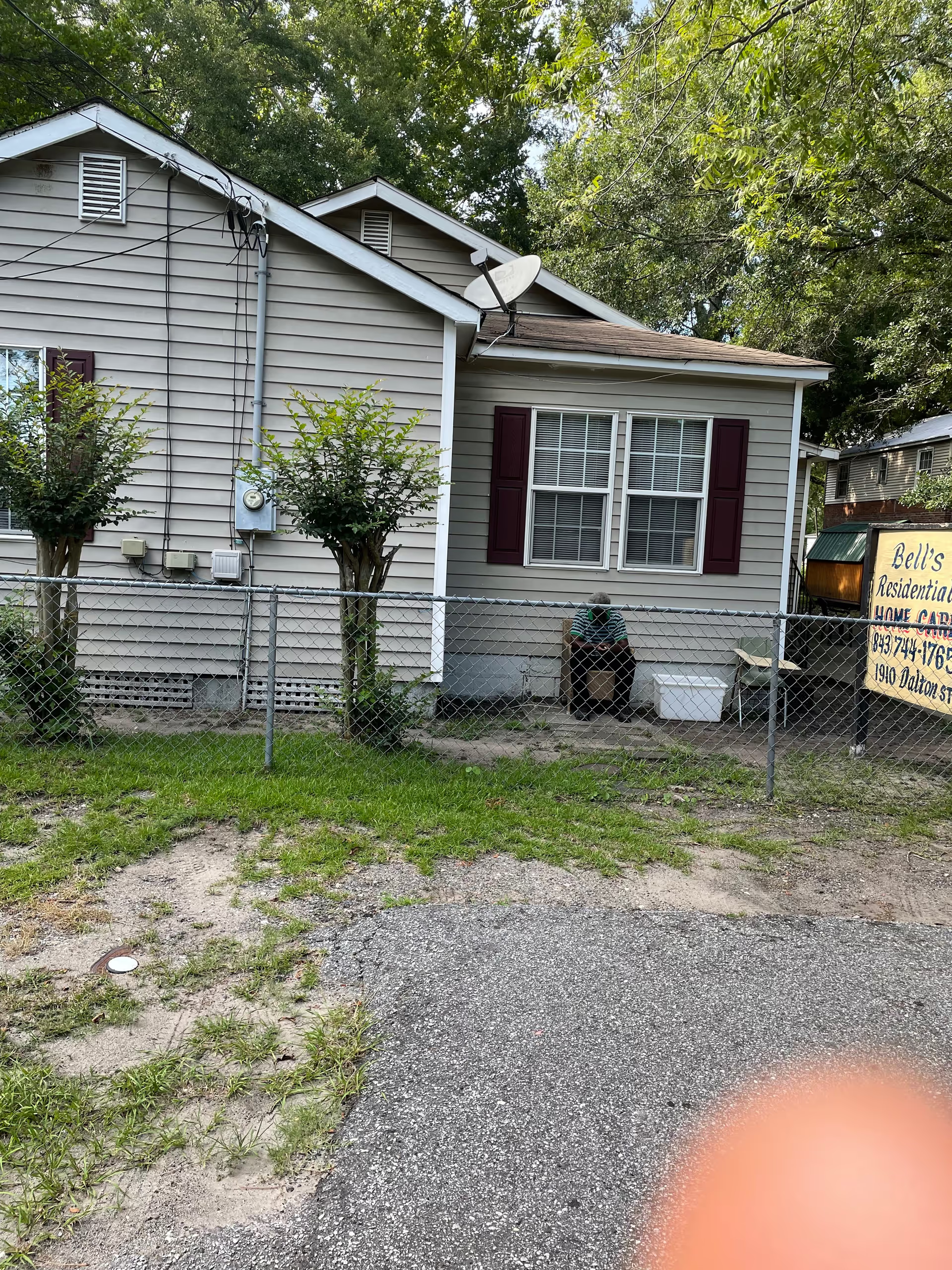
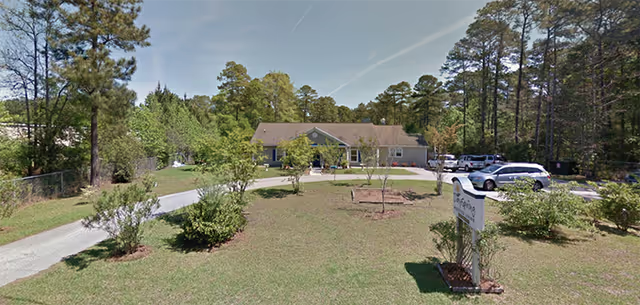
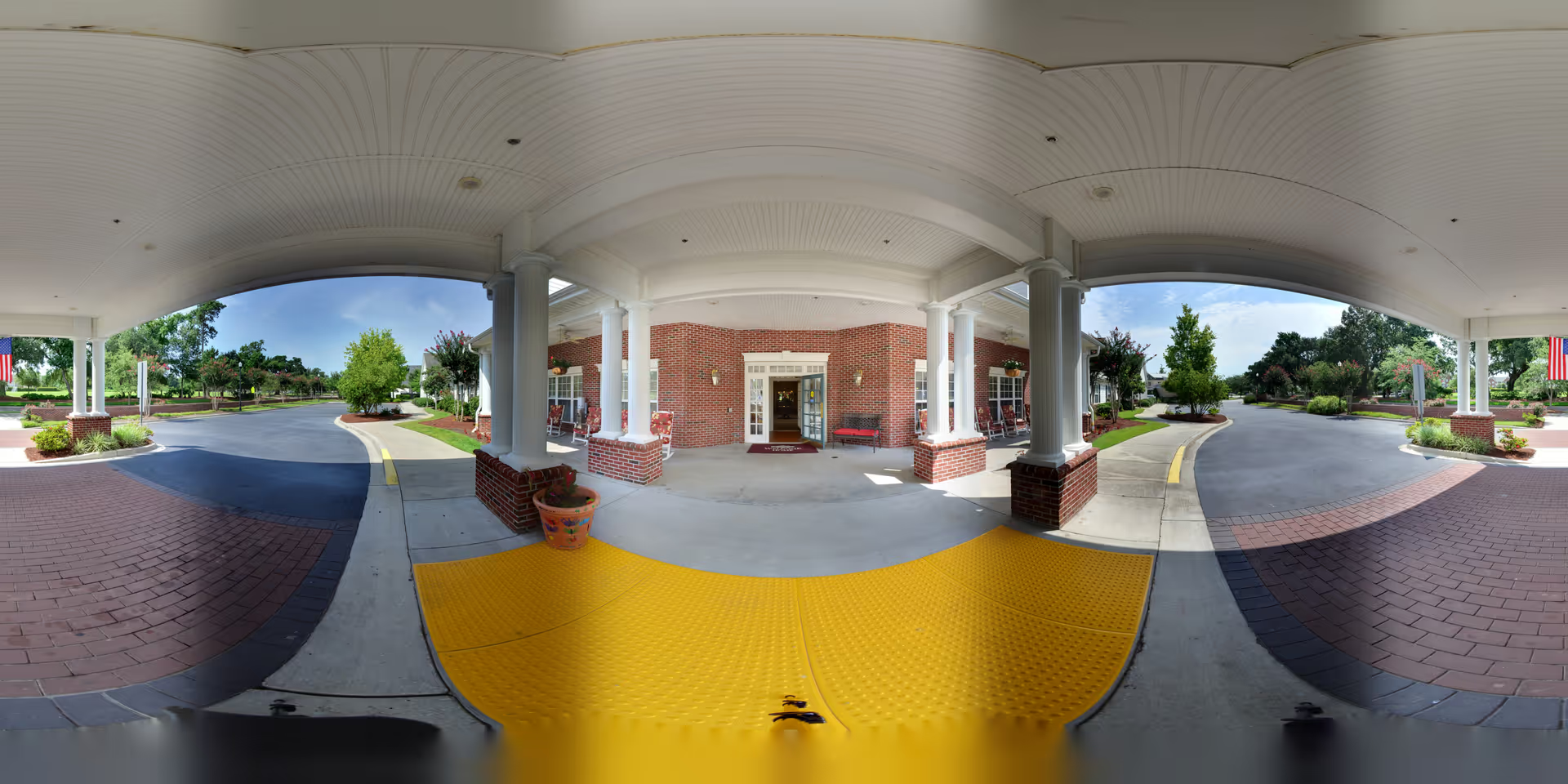
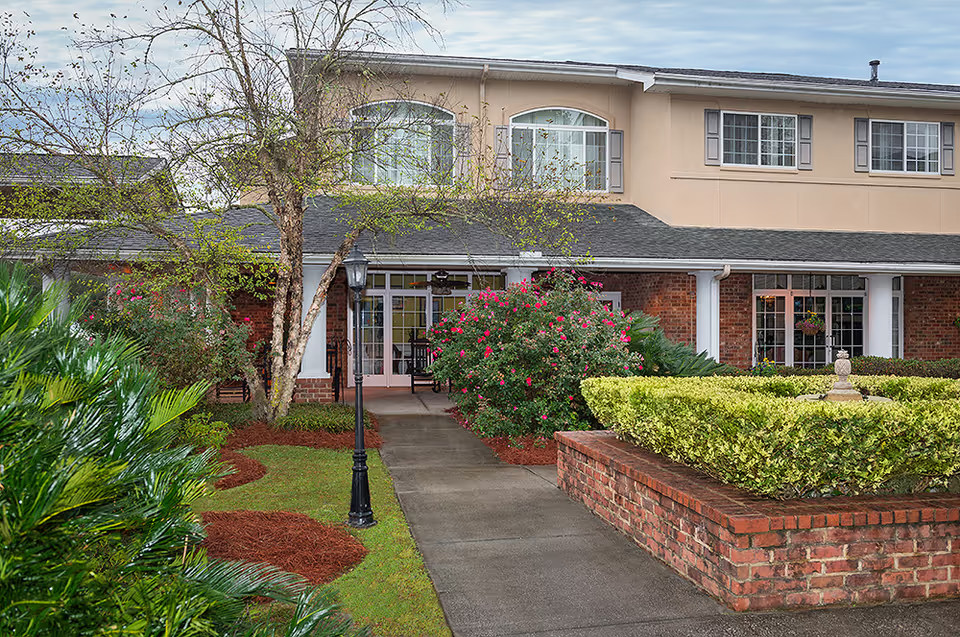
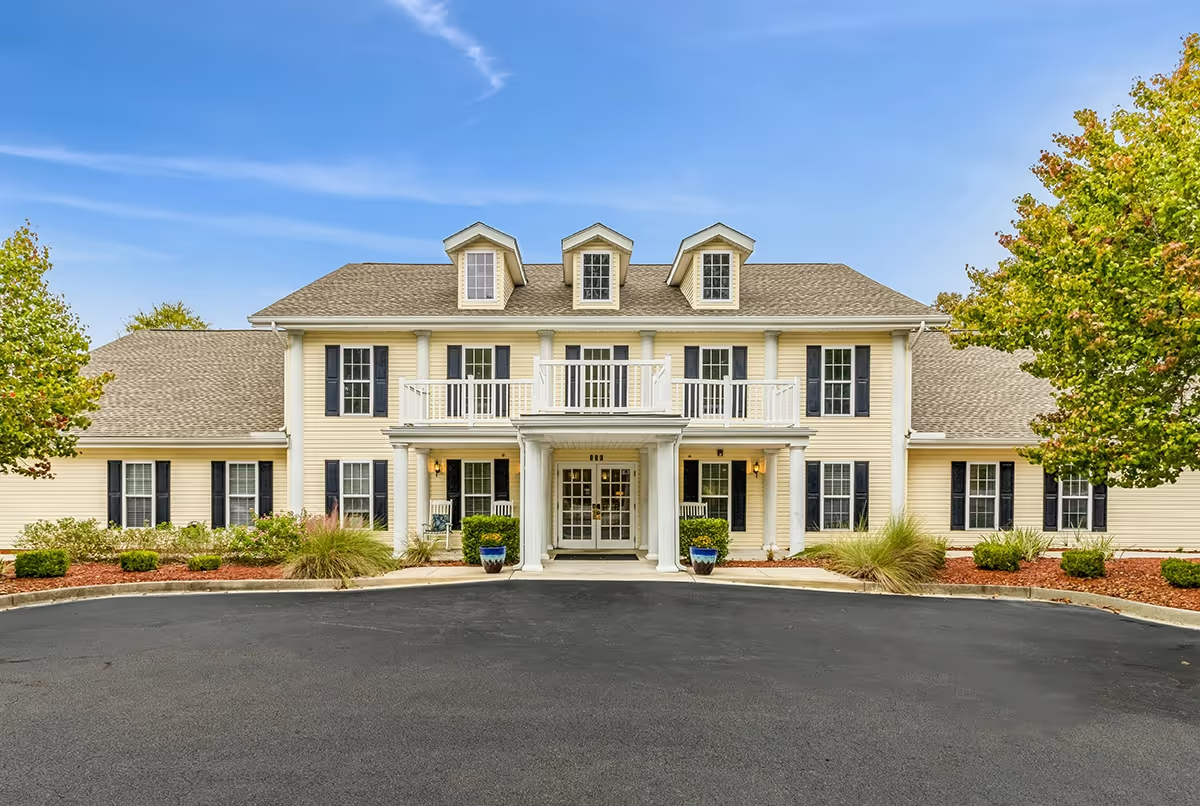
Overall impression: Reviews describe a small, single-story community with many features families seek—spacious private units, attractive outdoor courtyards, on-site amenities (salon, movie room, screened porch), and a generally warm, relationship-focused atmosphere. Many reviewers praise the front-line caregiving staff and highlight engaged activities, on-site therapy services, and individualized attention that can make transitions easier for new residents.
Care and staff: Care quality impressions are mixed. Numerous comments commend front-line caregivers and memory-care staff as compassionate and attentive, and some clinical services (physical therapy, nurse practitioner involvement) are seen as strengths. However, an ongoing operational concern is chronic understaffing and low staff-to-resident ratios, with particular gaps noted during evenings, nights and weekends. Reviewers describe related consequences such as delays in assistance, uneven supervision, and difficulties for residents who require more hands-on personal care (bathing, daily living assistance). There are also recurring comments about inconsistent communication and coordination between families and management, which can complicate care planning and follow-up.
Dining and activities: The community offers an active calendar and a range of social programming (bingo, pet visits, visiting entertainers, cooking activities), which reviewers say keeps many residents engaged—especially those who are mobile and socially active. That said, several accounts indicate activities may be less appropriate or less accessible for residents with higher care needs or reduced mobility. Dining feedback is variable: some families describe good meals and flexible a la carte/main-course options, while others report a decline in food quality and inconsistent meal service.
Facilities and housekeeping: Many reviewers describe clean, well-kept common areas, attractive design, and easy navigation due to the single-level layout. Spacious rooms and bathrooms are frequently noted as positives. Contrastingly, there are reports indicating inconsistent housekeeping and sanitation practices in parts of the community and isolated pest-control concerns. Some interior maintenance and updates were also identified as needed.
Management, administration, and financial practices: Admissions and marketing staff receive repeated praise for responsiveness and help with transitions. Conversely, several reviews point to leadership instability, management turnover, and weak operational follow-through. Financial-administration issues are a clear pattern in the feedback: billing errors, overcharges, slow responses to refund requests, and at least one serious reference to alleged theft and financial misconduct. Corporate or ownership-change communication and responsiveness were also described as slow in some cases. These operational weaknesses have affected families’ trust in the administrative side of the community.
Notable patterns and guidance for families: The pattern in reviews is one of strong front-line caregiving and appealing small-community amenities combined with operational weaknesses that can affect safety, cleanliness, and billing. Prospective residents and families should consider in-person checks and targeted questions: confirm staffing ratios and coverage during nights/weekends, observe mealtime service, review housekeeping and pest-control protocols, ask about recent leadership changes and their impact, request written billing and refund procedures, verify emergency call-button response expectations, and assess how activities are adapted for residents with higher care needs. These steps can help clarify whether the community’s caregiving strengths are supported by reliable operational practices for an individual resident’s needs.