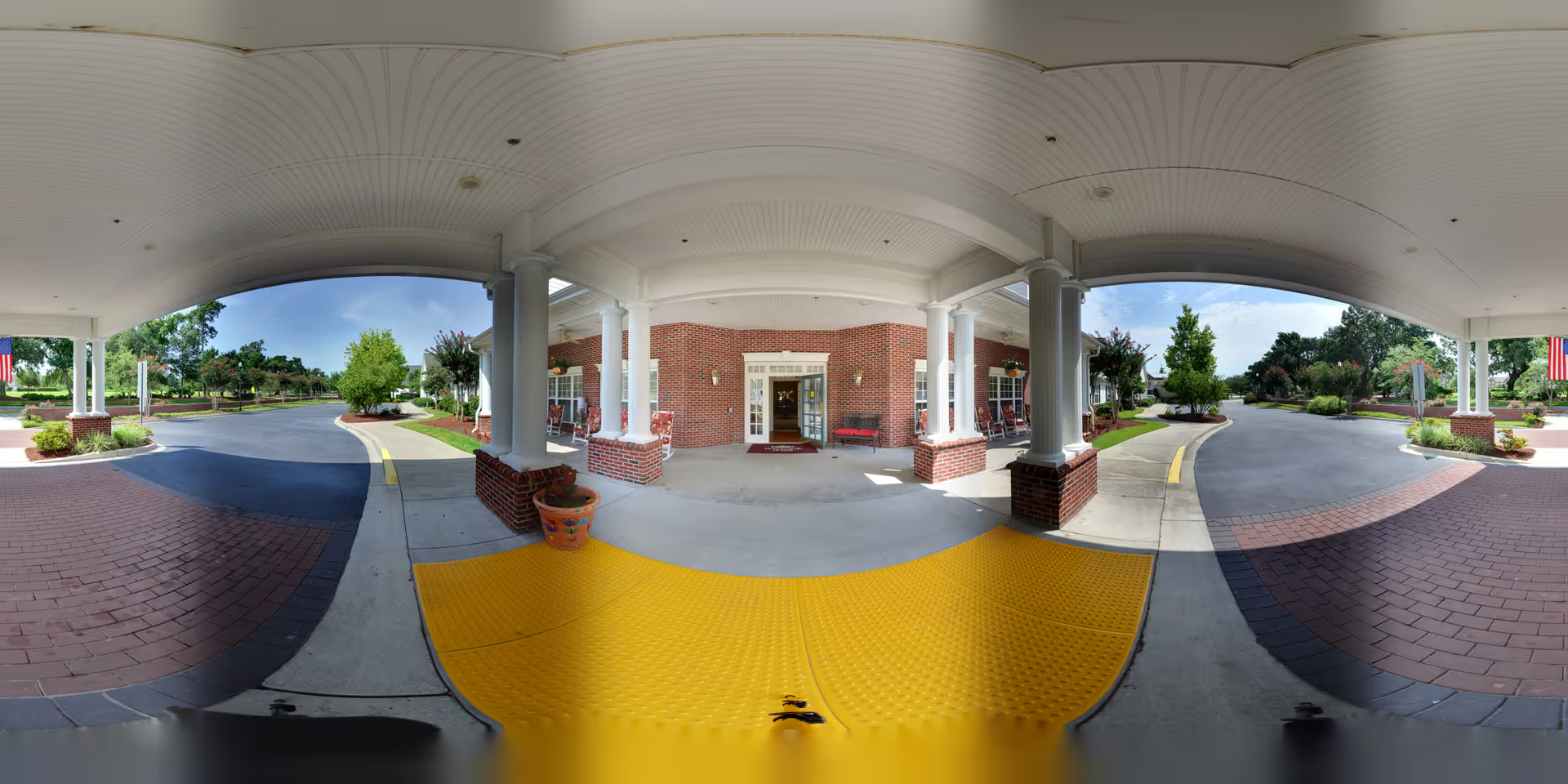
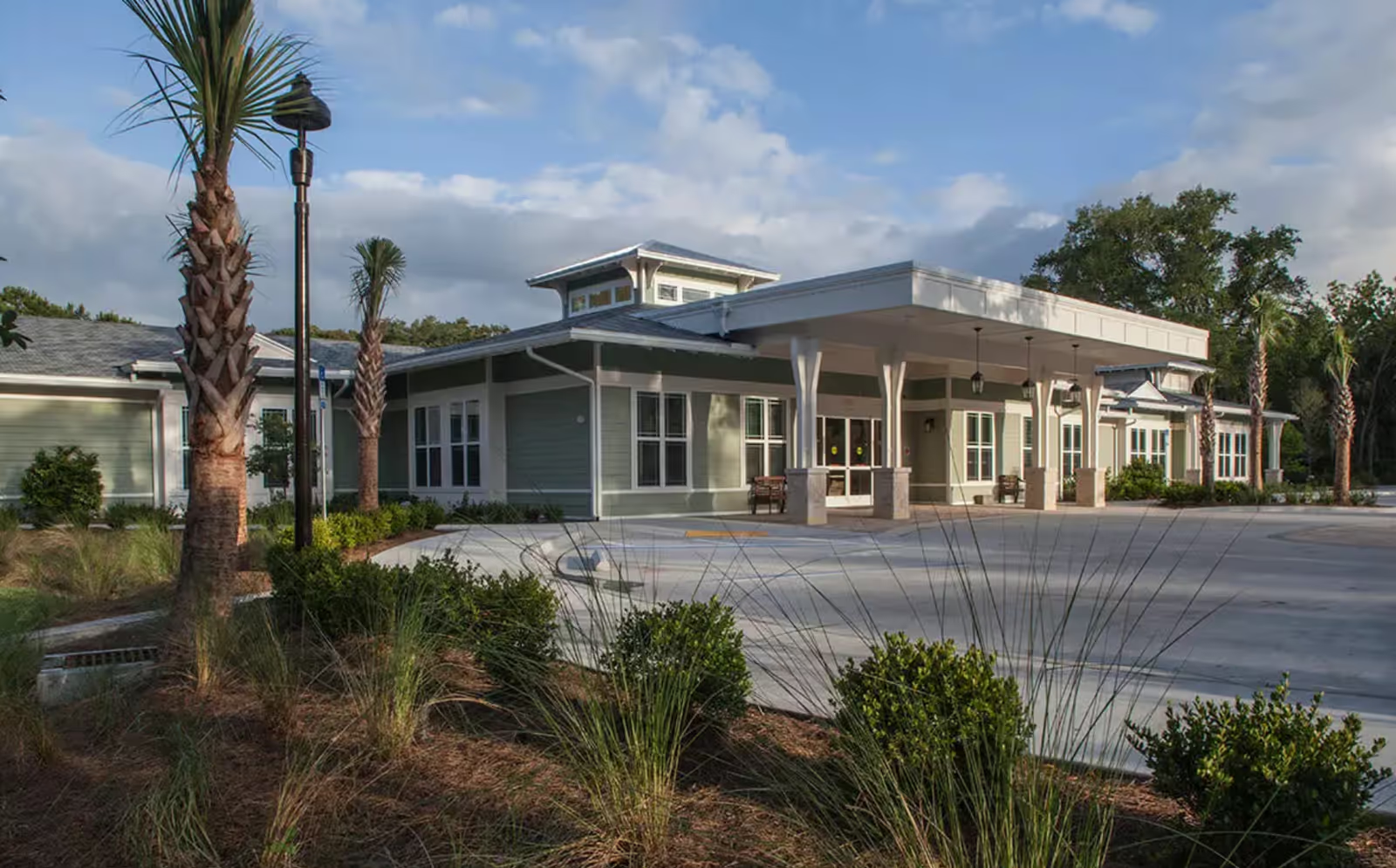
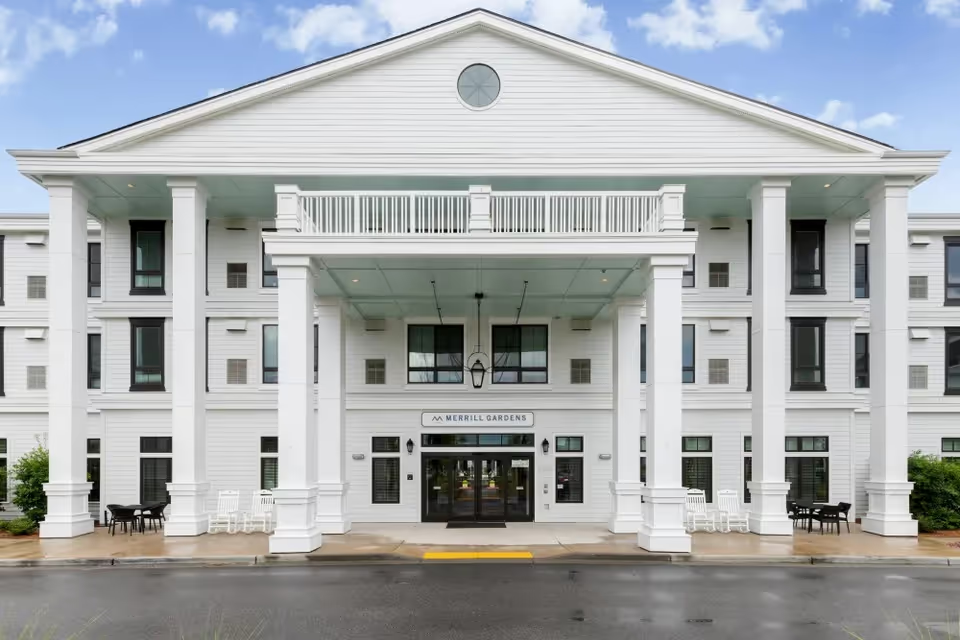
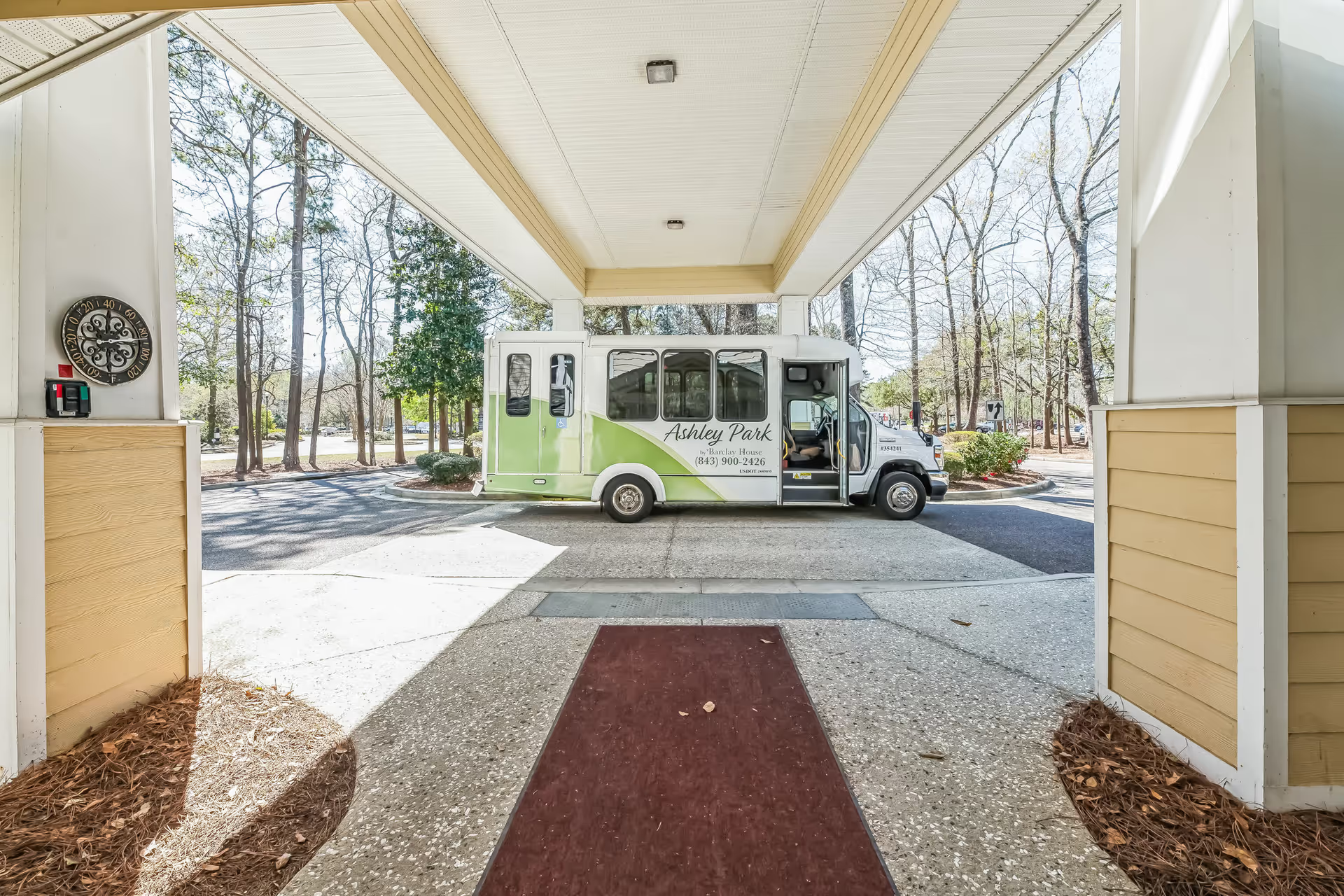
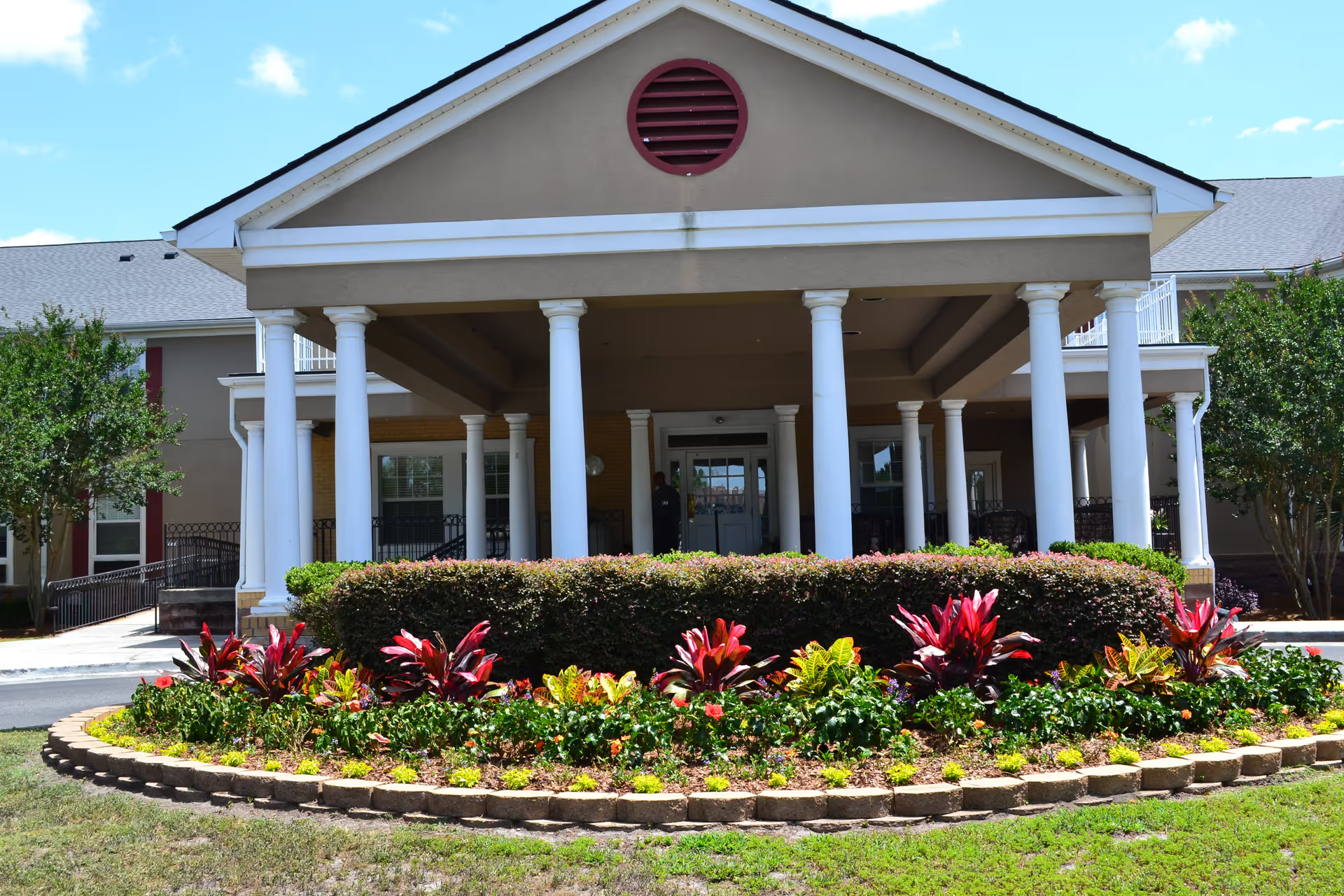
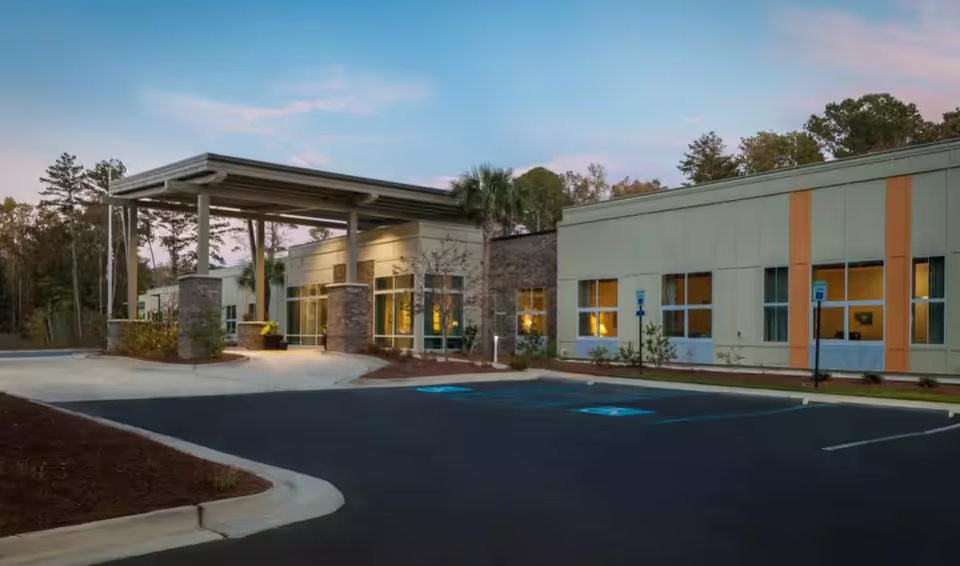
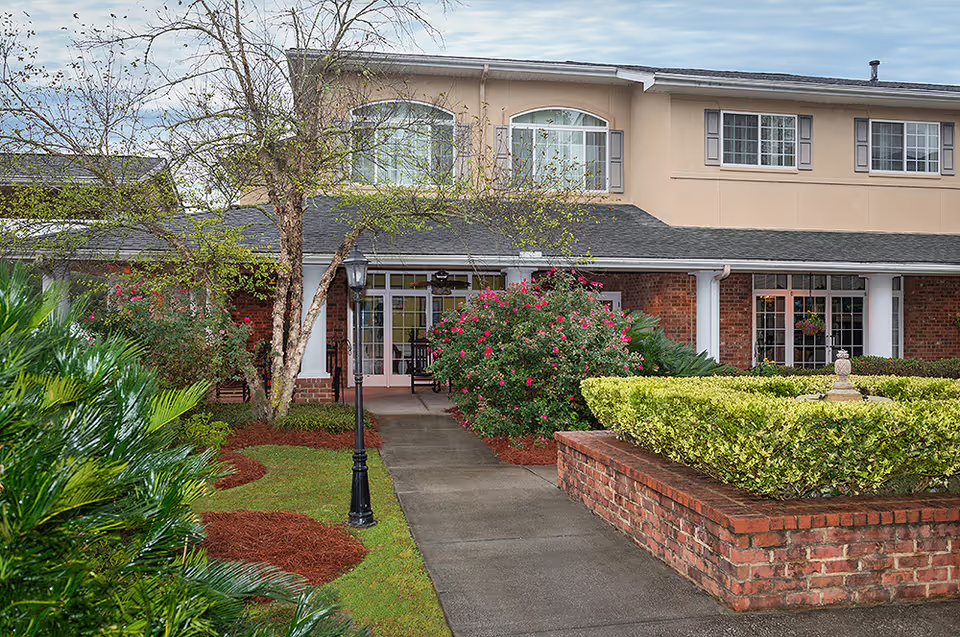
Wellmore of Daniel Island presents as a modern, high-end senior living community with many of the amenities and systems buyers expect from a newly built, hospitality-oriented campus. Reviewers consistently highlight the facility’s attractive design, spacious apartments (many with in-unit laundry), abundant natural light, and amenities such as a saltwater pool, multiple common rooms, private dining, and on-site salon and spa spaces. The location on Daniel Island and the hotel-style atmosphere are repeatedly described as strengths that support a pleasant, residential experience.
Clinical and rehabilitative services receive strong commendation across reviews. The on-site rehabilitation teams (physical and occupational therapy, and speech where applicable) are repeatedly called out as effective; several families credited the therapy staff with significant functional improvements after surgery or short-term stays. Skilled nursing, hospice coordination, and end-of-life support also earned positive comments for compassion and coordination in many accounts. At the same time, there is a recurring pattern of operational concerns that affect perceived care reliability: families and residents describe inconsistent medication administration and documentation practices, variable responsiveness from nursing staff (including slow responses to calls), and examples of personal-care lapses. These items suggest gaps in medication management workflows and night/shift coverage rather than uniformly poor clinical capability.
Staff culture and programming are a notable area of strength. Many reviews emphasize warm, professional, and engaged front-line staff, an active and creative wellness/activities team, and thoughtful move-in coordination that eases transitions. The activities program — including fitness classes, water aerobics, group excursions, and memory-care specific programming — is frequently identified as a core contributor to resident quality of life. Dining is another mixed area: the community offers restaurant-style service, chef-driven menus, and frequent praise for presentation and variety; however, several accounts describe variability in food quality over time, with some residents/families reporting declines or inconsistent meal experiences, which points to operational challenges in food preparation or service continuity.
Facility operations show both strengths and weaknesses. Housekeeping, linen service, and general cleanliness are praised by many, with specific notes about spotless rooms and daily room service for some residents. Conversely, others reported variability in housekeeping follow-through and isolated maintenance failures (elevator/finish issues, intermittent salon or spa downtime). Leadership and communication also receive mixed feedback: some families commend open, accessible administrators and proactive updates, while others cite communication delays, inconsistent follow-through on maintenance and care issues, and concerns about inexperienced leadership or front-desk interactions.
Taken together, the pattern suggests a community with strong design, robust rehabilitative resources, and an energetic activities program that many residents and families find life-enhancing. Operationally, the most important due diligence items for prospective residents and families are staffing stability and coverage, medication-administration policies and audit trails, consistency of personal-care routines, and systems for maintenance and incident response. Prospective families should ask specific, measurable questions on staffing ratios and turnover, medication reconciliation and documentation procedures, recent quality audits, sample menus and dining-schedule consistency, and the process for escalating and tracking maintenance or clinical concerns. Those who prioritize upscale amenities, strong therapy services, and an active social program may find the community well suited to their needs, provided they confirm operational reliability in the areas noted above.