Overall impression: Clemson Downs is consistently described as a well-kept campus with a strong emphasis on attentive caregiving and social programming. Families and prospective residents frequently cite professional, considerate staff and a range of housing options from apartments and duplexes to single-family homes and condos. The community offers on-site memory care and a full-care transition option, which contributes to family confidence and perceived peace of mind.
Care and staff: The dominant pattern is positive: staff are characterized as helpful, personable, and responsive, with specific praise for memory-care teams and clinical-transition capabilities. Staff responsiveness and a respectful tone are cited as core strengths that support family trust. Management is described as willing to accommodate individual needs, including customization or renovation of apartments to suit a resident’s preferences.
Dining: Dining is presented as a structured service with multiple menu choices and generally solid meal quality. Many reviewers praised substantial meals and available menu options, while a smaller number expressed dissatisfaction with particular meals (notably some dinner experiences). Prospective residents should plan a meal visit and ask about meal variation by time of day and how the facility manages meal consistency.
Activities and social life: Activity programming is a clear strength. The community offers a broad calendar—crafts, religious services, movie nights, exercise classes, bus trips, cocktail/social events, and outdoor activities—supporting an active social environment. That said, program continuity can be affected by infection-control measures or other campus-wide restrictions, which intermittently reduce the scope of on-site activities.
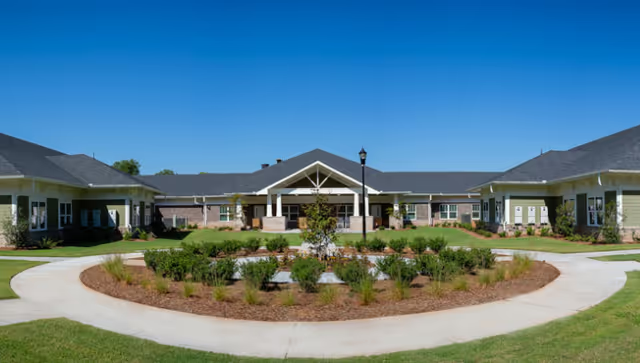
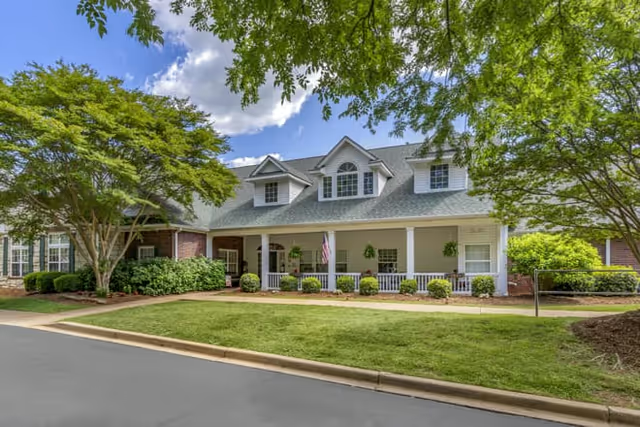
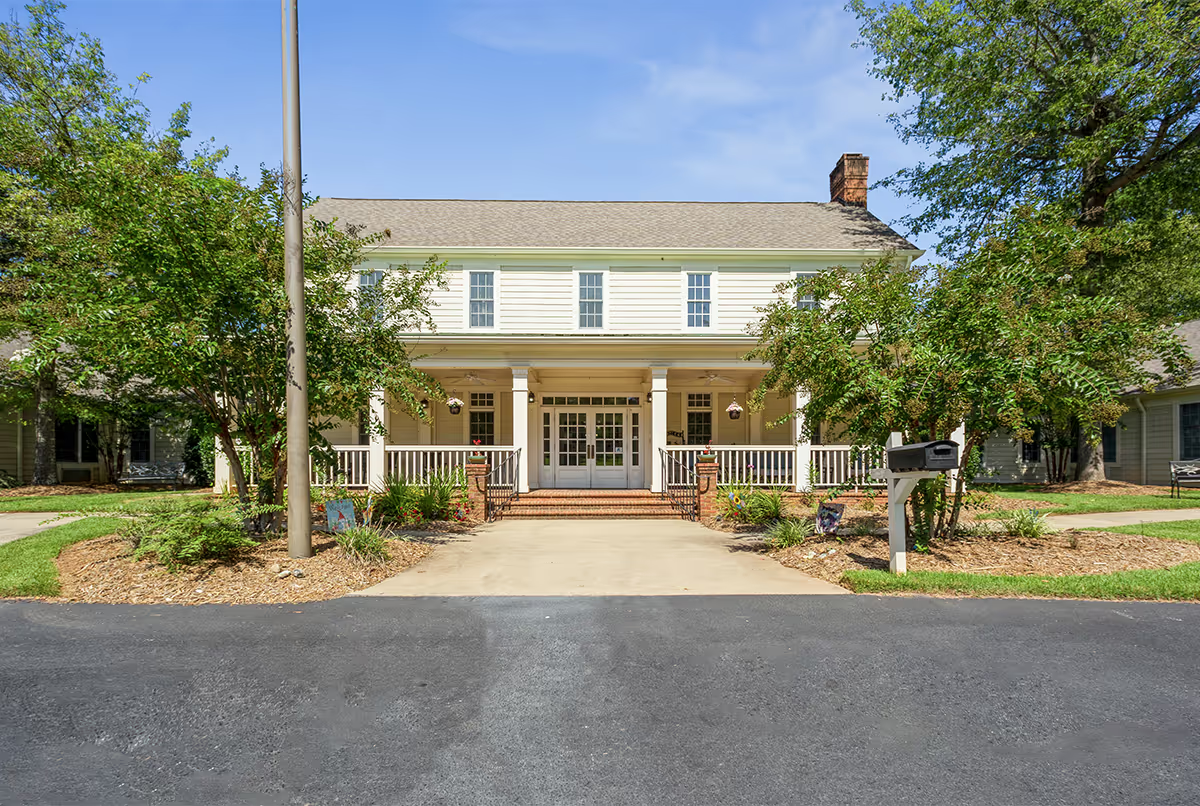
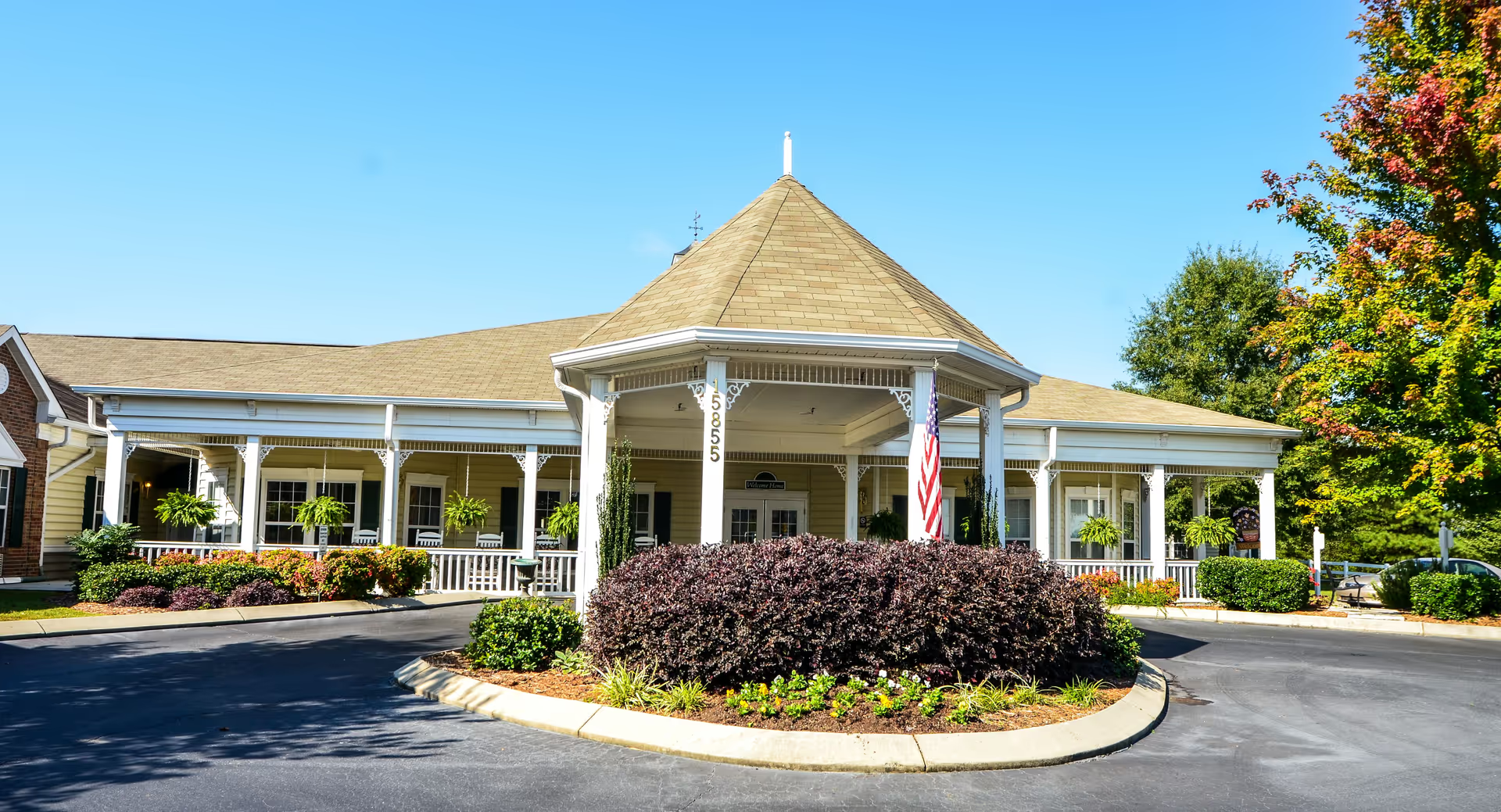
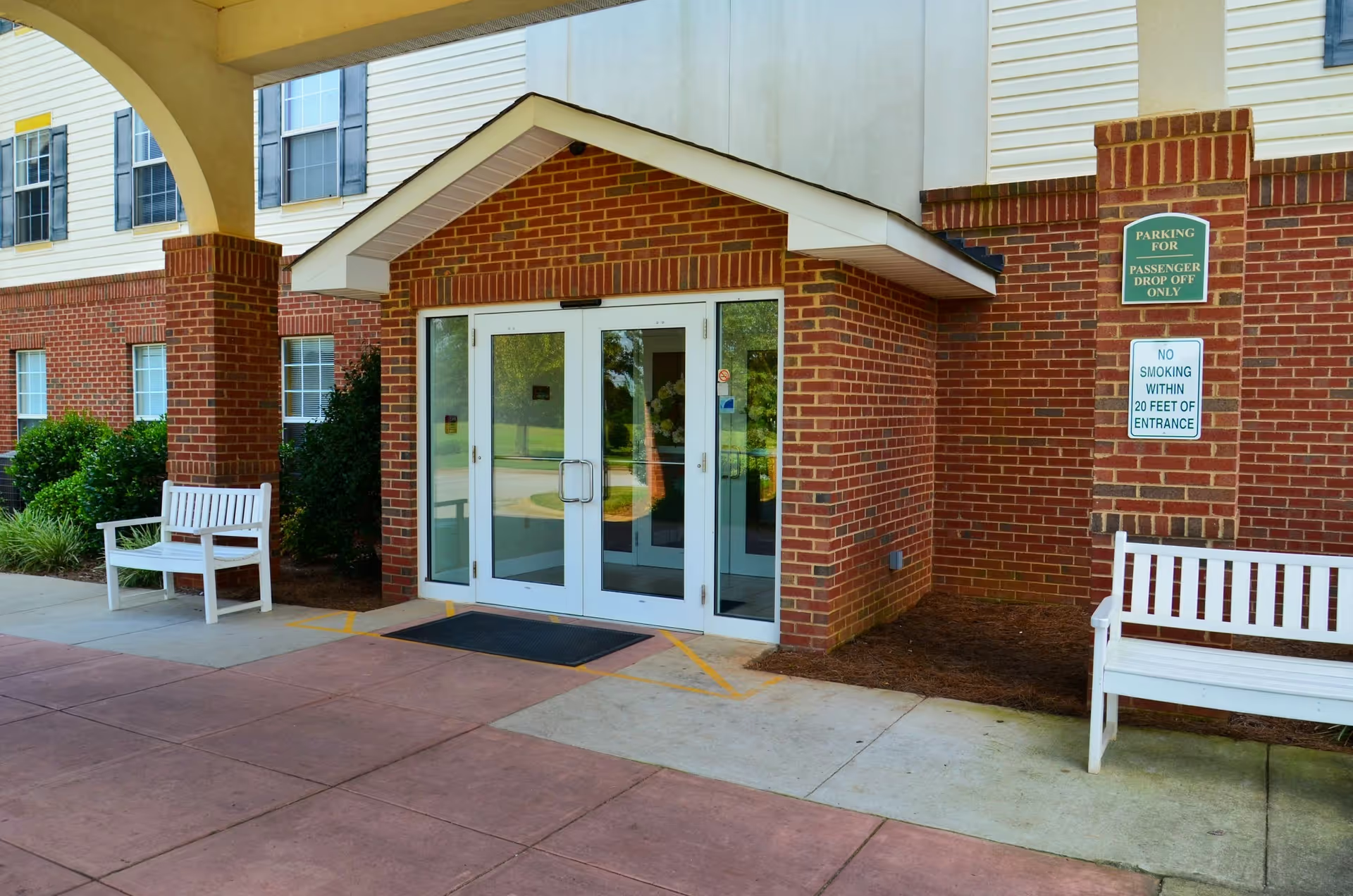
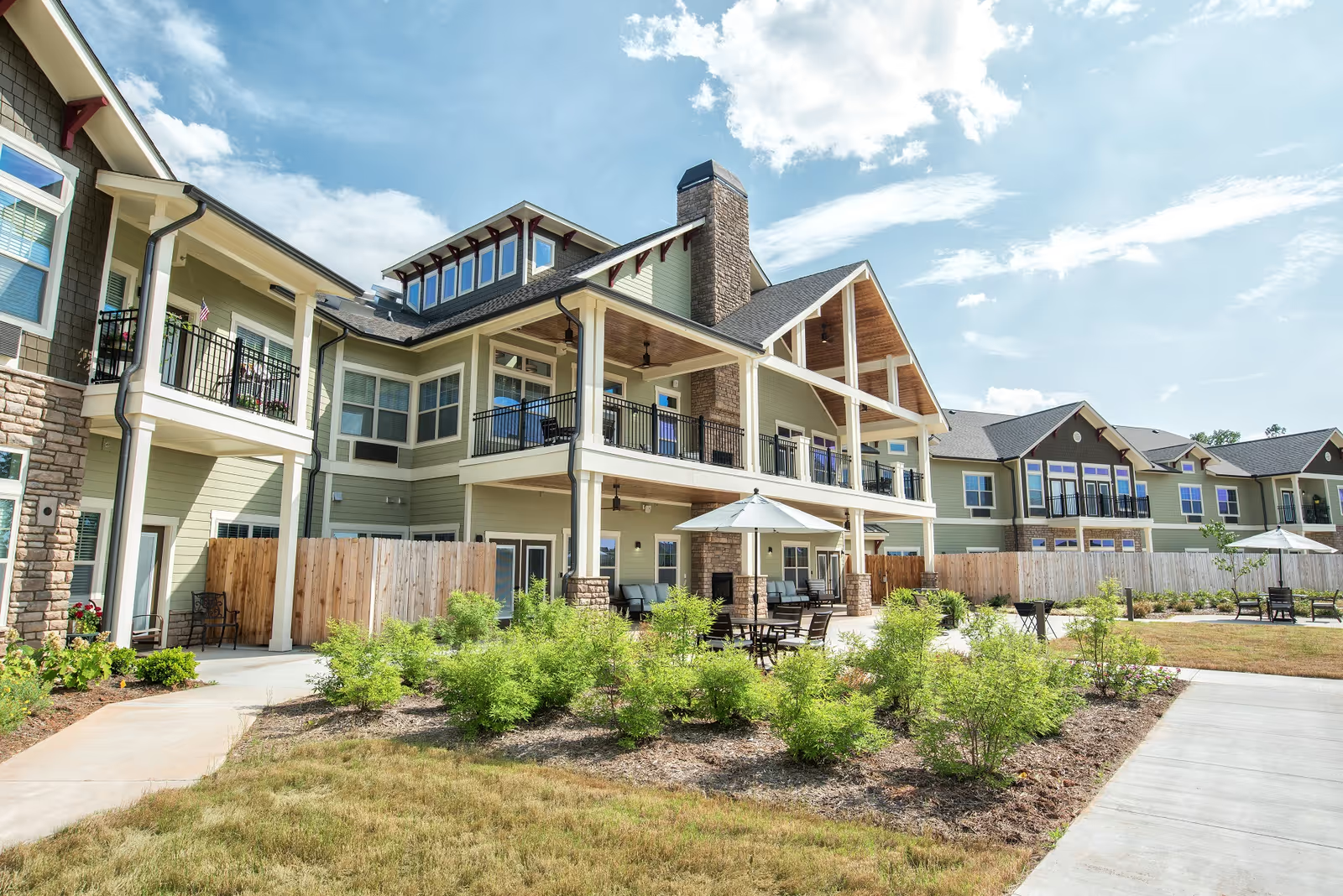
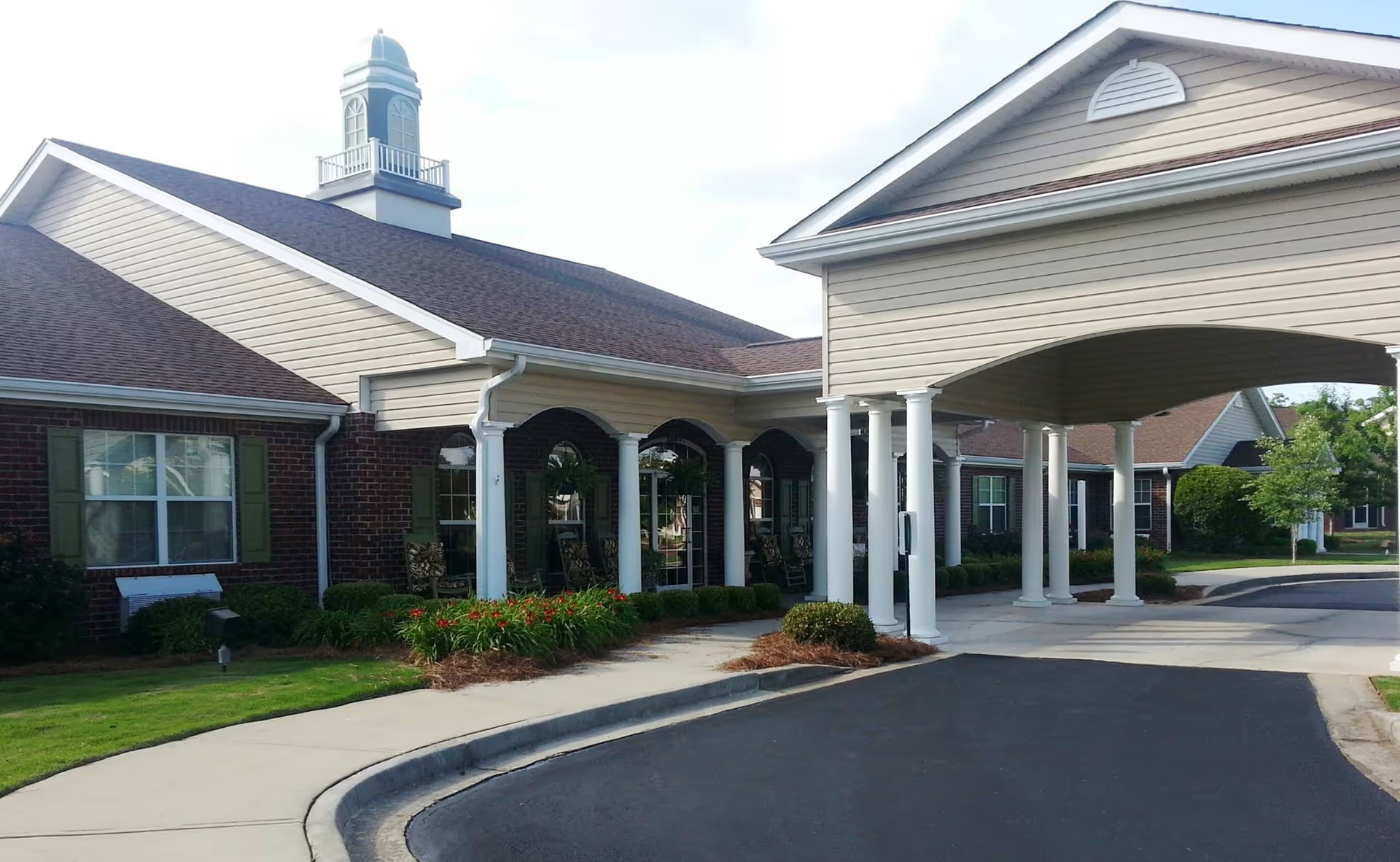
Facilities and living spaces: Physical spaces are generally described as clean, bright, and comfortable, with pleasant outdoor areas, porches, wooded views, and walking trails. Unit sizes vary: there are spacious two-bedroom options, but some floor plans—particularly wheelchair-accessible units—are smaller than expected. Parts of the campus show older infrastructure and fewer contemporary amenities (for example, no swimming pool), so the physical plant quality is mixed across different buildings.
Notable patterns and guidance: The trade-off at Clemson Downs appears to be between higher cost and consistent staff quality plus robust programming. The main operational weaknesses are physical-plant age in places, limited amenity breadth, variable dining consistency, and smaller accessible-unit floor plans. For prospective residents and families, recommended next steps are to tour multiple unit types (including accessible units), attend a meal if possible, review the activity calendar and contingency plans for program interruptions, and discuss pricing and what is included versus optional services. Overall, Clemson Downs is likely a strong fit for families who prioritize attentive staff, active programming, and on-site clinical transitions and who accept a premium price for those services.