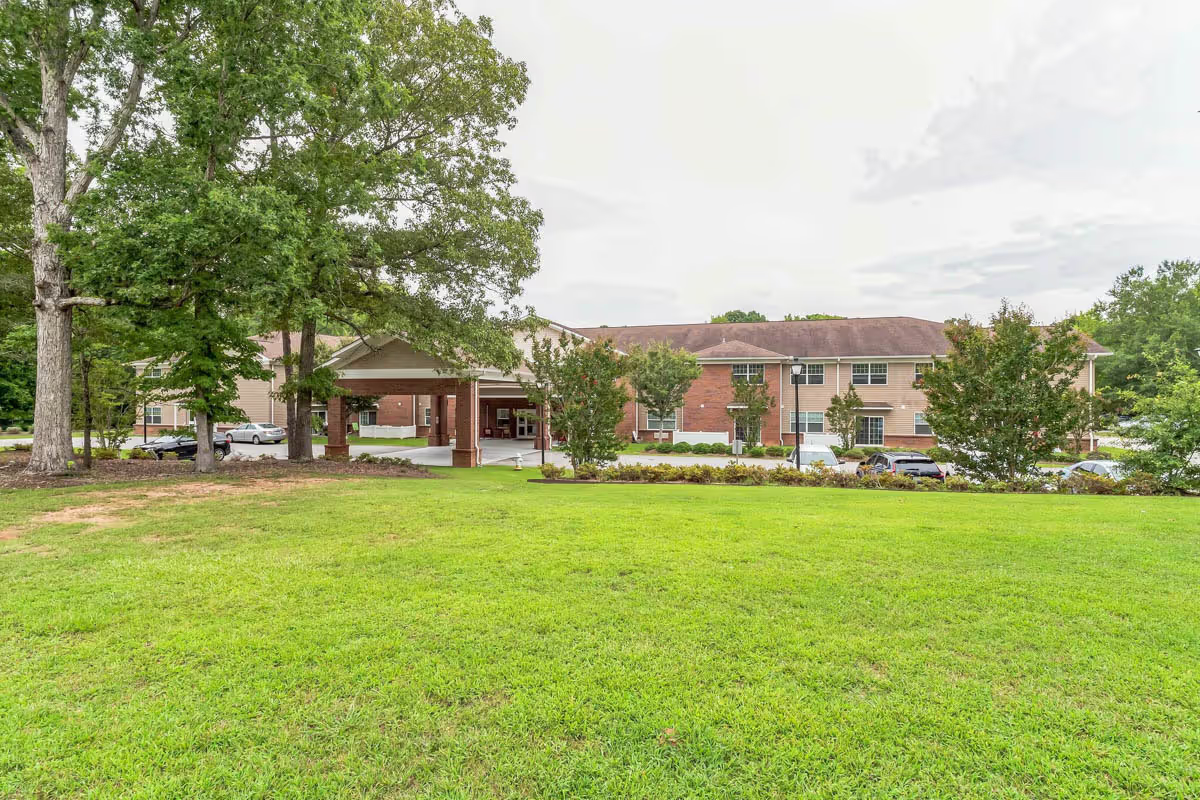
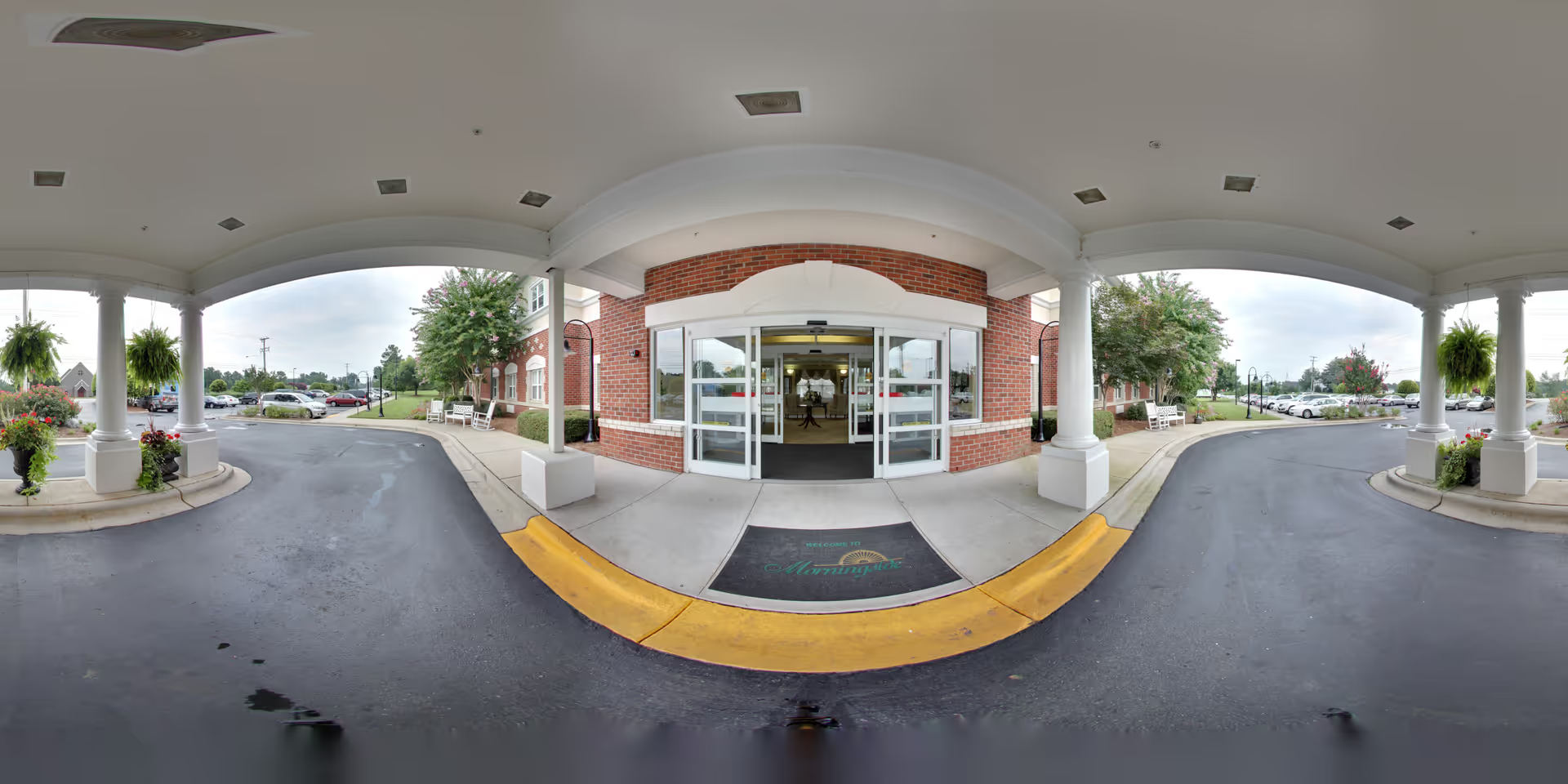
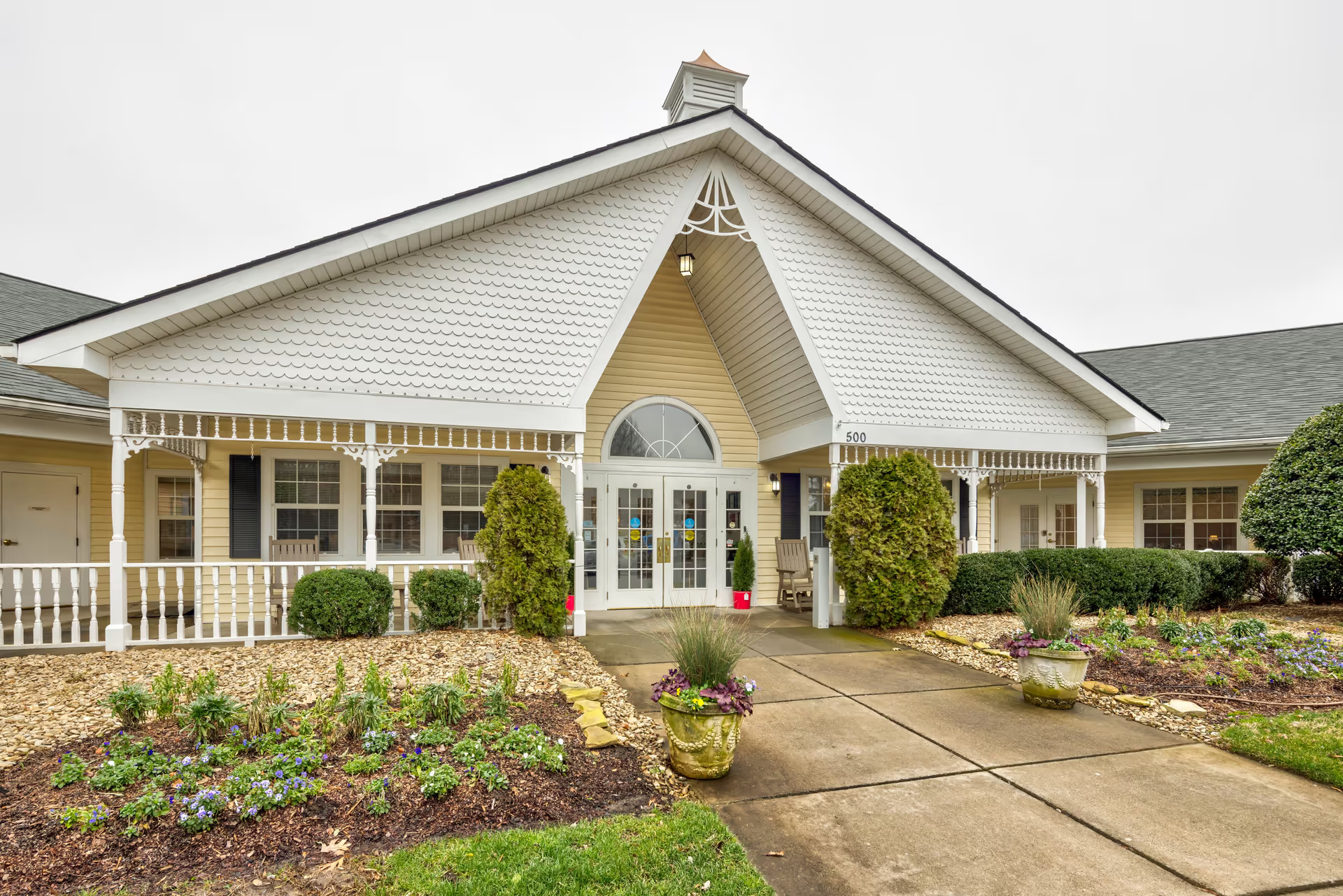
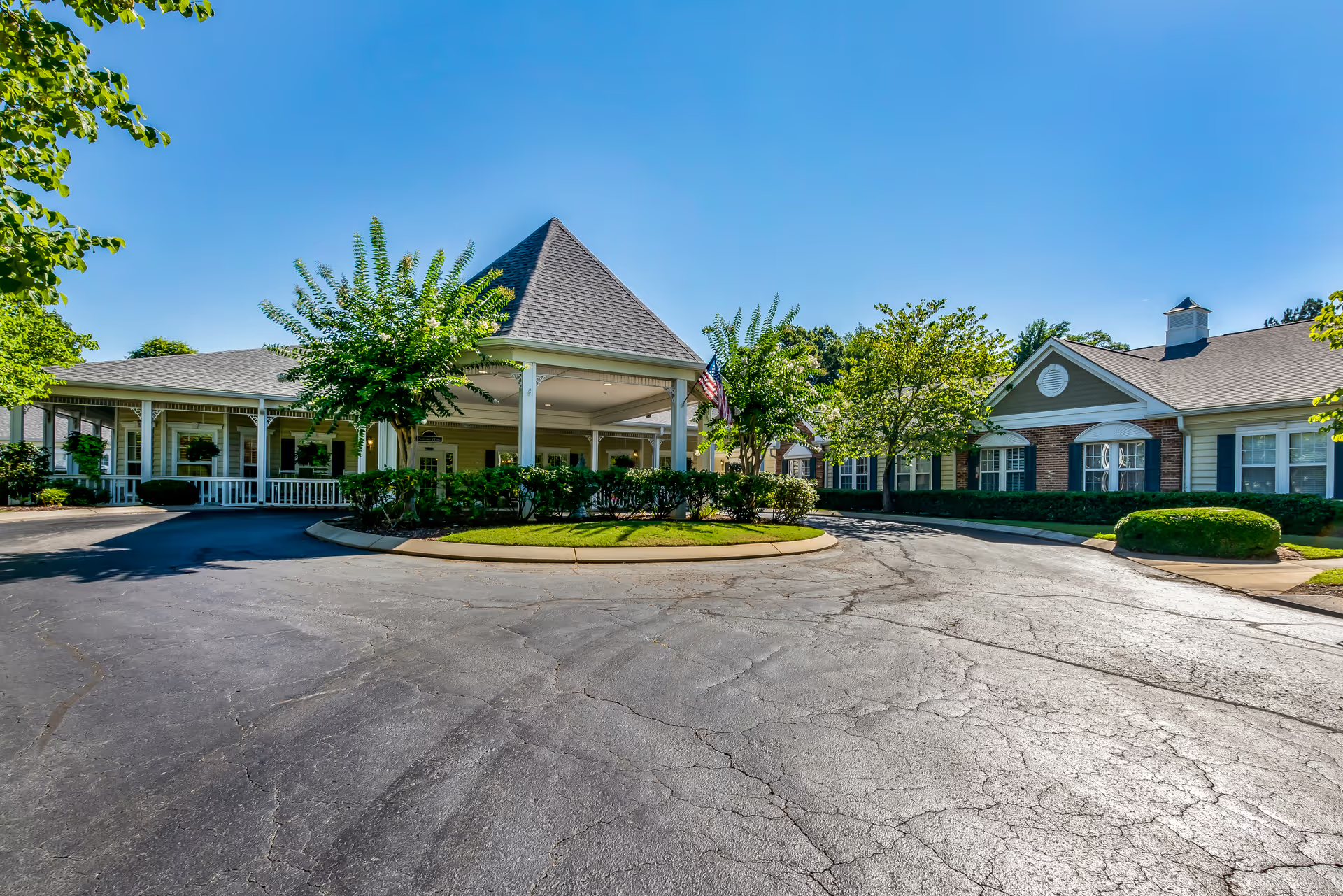
Overall impression: Reviews portray Magnolia Estates as a small, upscale, home-style senior living option with a strong emphasis on comfort, individualized environments, and well‑maintained grounds. The property is consistently described as recently updated, with thoughtfully decorated private rooms and accessible in‑room bathrooms. Common areas are characterized as inviting and conducive to socializing, and the landscaping and outdoor amenities are frequently highlighted as a distinguishing feature.
Care and staff: Care quality is presented positively throughout the reviews. Staff are described as compassionate, attentive, and willing to provide around‑the‑clock care; the presence of 24‑hour nursing coverage is noted. Ownership and leadership are presented as engaged and resident‑focused, and families comment on staff going beyond basic duties to support residents’ wellbeing. These descriptions point to a culture that prioritizes personalized attention and close staff–family communication.
Dining and activities: Dining is framed as a strength, with an on‑site chef and an emphasis on healthy meal options. The program mix described in reviews leans toward holistic wellness: fitness classes, social engagement activities, and nature‑oriented programming (use of the pool, gardens, and interaction with rescue animals) are all cited. This combination supports both physical activity and social connection, and reviewers link these offerings to residents’ independence and quality of life.
Facilities and management considerations: The facility’s small‑home model and boutique scale are core features—these support individualized décor, fewer residents per household, and a more intimate social environment. That small scale also limits capacity and the breadth of on‑site services that larger communities may offer. Location is the principal operational drawback identified: the setting is rural and tranquil, but it offers limited access to nearby commercial services and urban amenities, which may be an important trade‑off for families who require frequent external appointments or easy access to retail and medical specialists.
Notable patterns and guidance: The review set is overwhelmingly positive on atmosphere, staff responsiveness, dining, and property upkeep. Critical comments are limited and tend to focus on the facility’s remote location and the inherent limitations of a small‑house model rather than on clinical or safety deficits. Prospective residents and families should weigh the benefits of personalized, homelike care and extensive outdoor amenities against the constraints of rural placement and limited bed availability when evaluating fit.