The reviews present a mixed but distinct pattern: many families praise the facility for warm, attentive caregiving, an active social program, and frequent family communication, while other accounts raise significant operational and safety concerns. Strengths commonly cited include staff who are described as compassionate, creative with activities, and willing to assist; regular social events and activities that keep residents engaged; visible efforts by new management; and proactive family updates via phone, photos, and video during transitions.
Care quality appears to be uneven. Several families highlighted strong, supportive interactions with individual caregivers and appreciated hands-on assistance during move-ins. At the same time, a subset of families described delayed responses to clinically urgent needs, difficulties with mobility assistance, and instances where fall-prevention measures did not seem adequate. These comments suggest variability in how clinical and mobility needs are assessed and managed across shifts or staff members.
Staff-related feedback is similarly bifurcated. Positive remarks emphasize helpful, trustworthy staff and particular employees singled out for consistent support. Negative remarks point to organizational shortcomings: disorganized scheduling, assignment errors (including scheduling staff no longer employed), and some instances of inappropriate communication by staff, including racially charged language. Prospective families should ask about staff turnover, training on communication and de-escalation, and how the facility handles complaints about staff conduct.
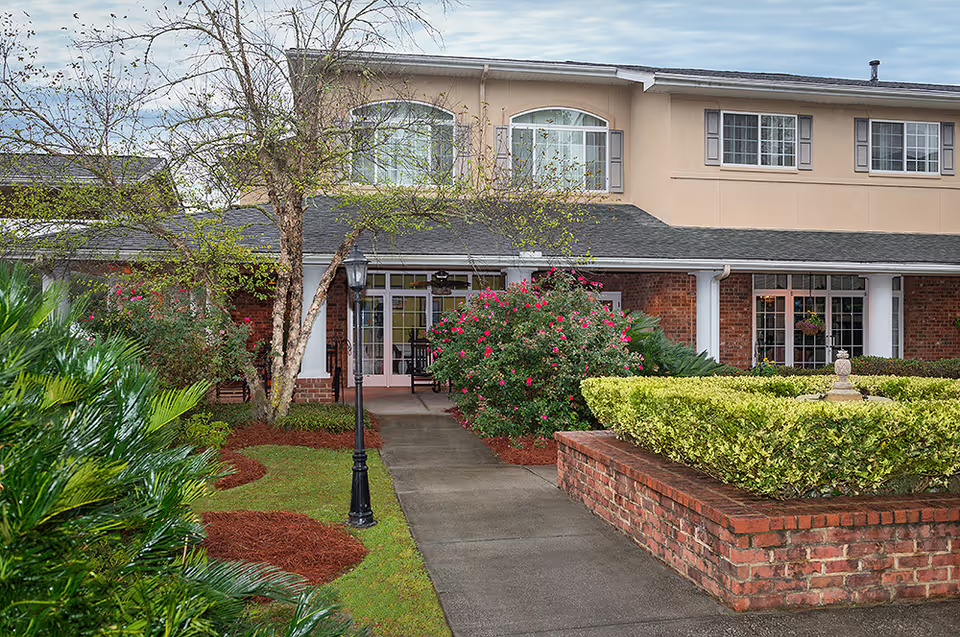
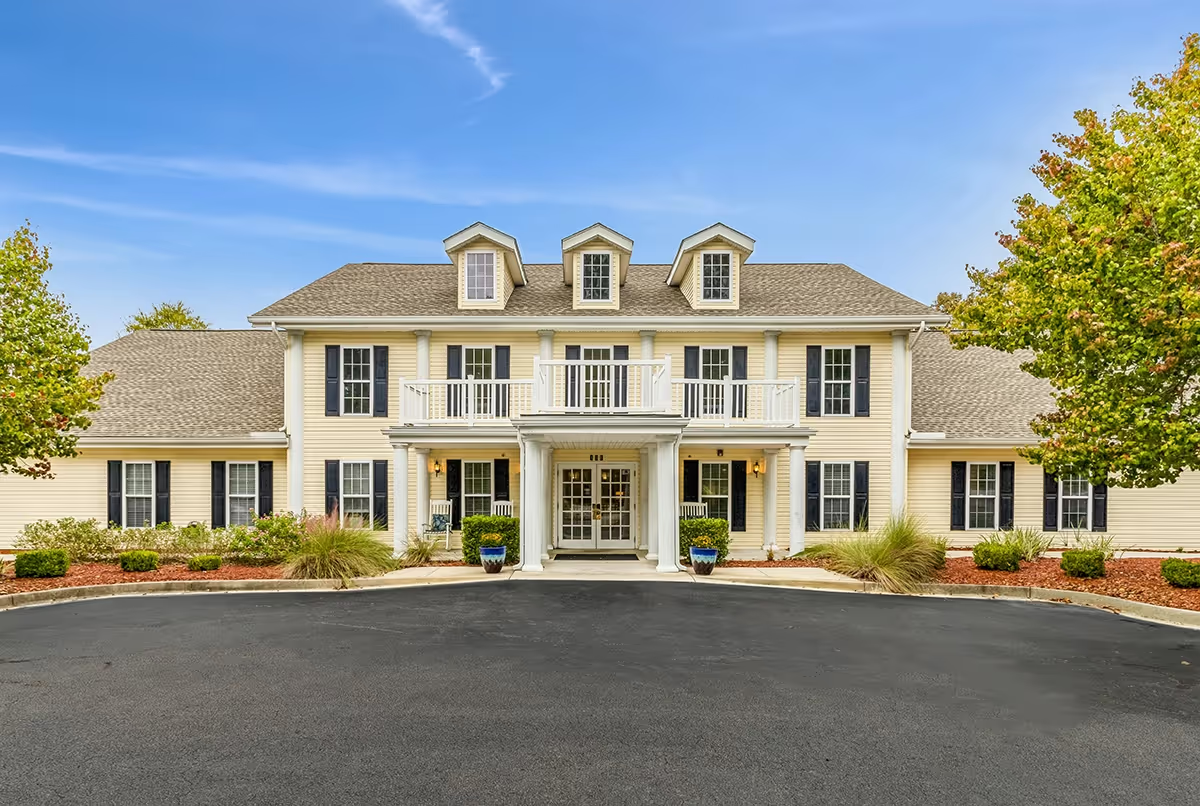
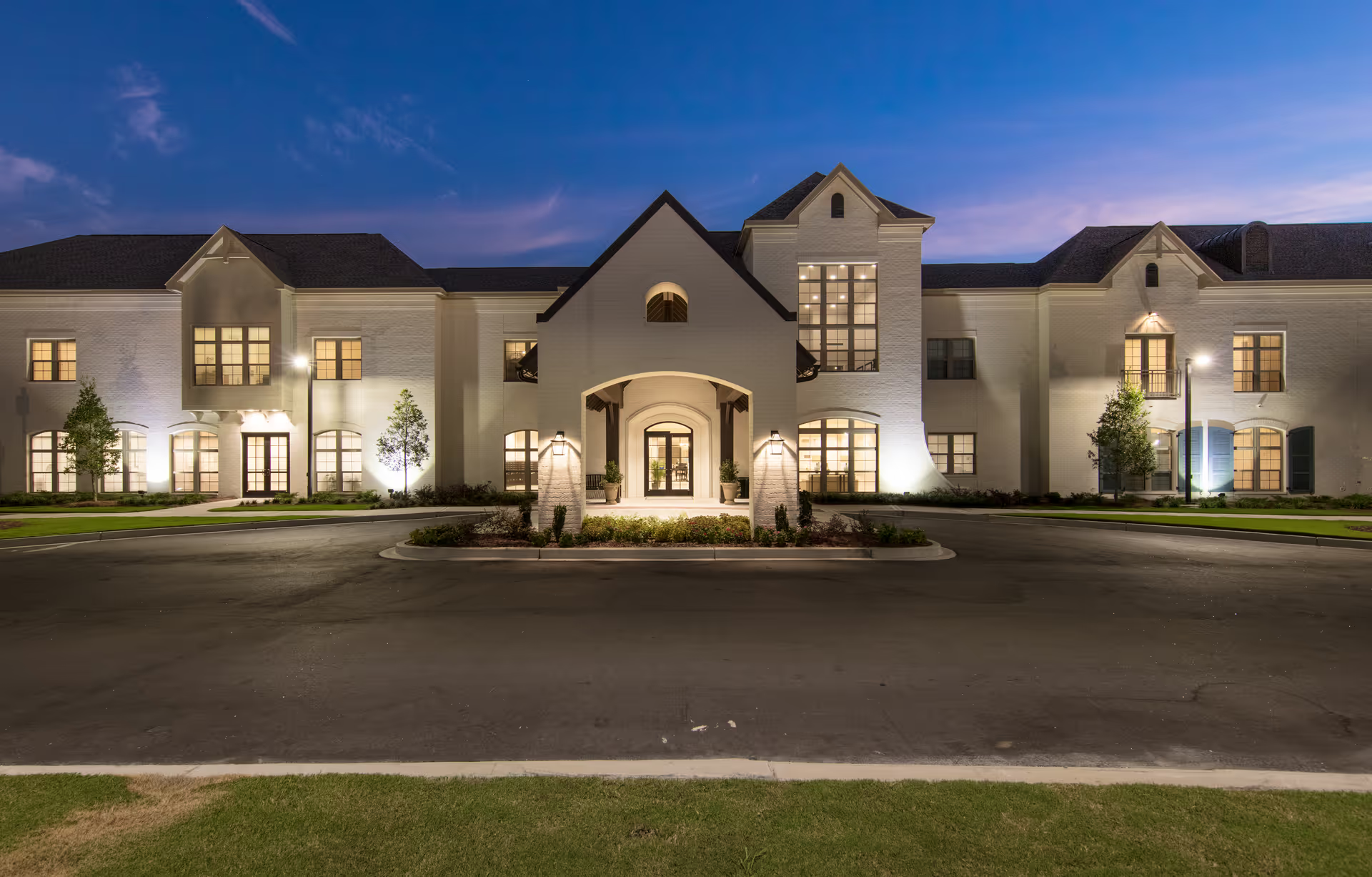
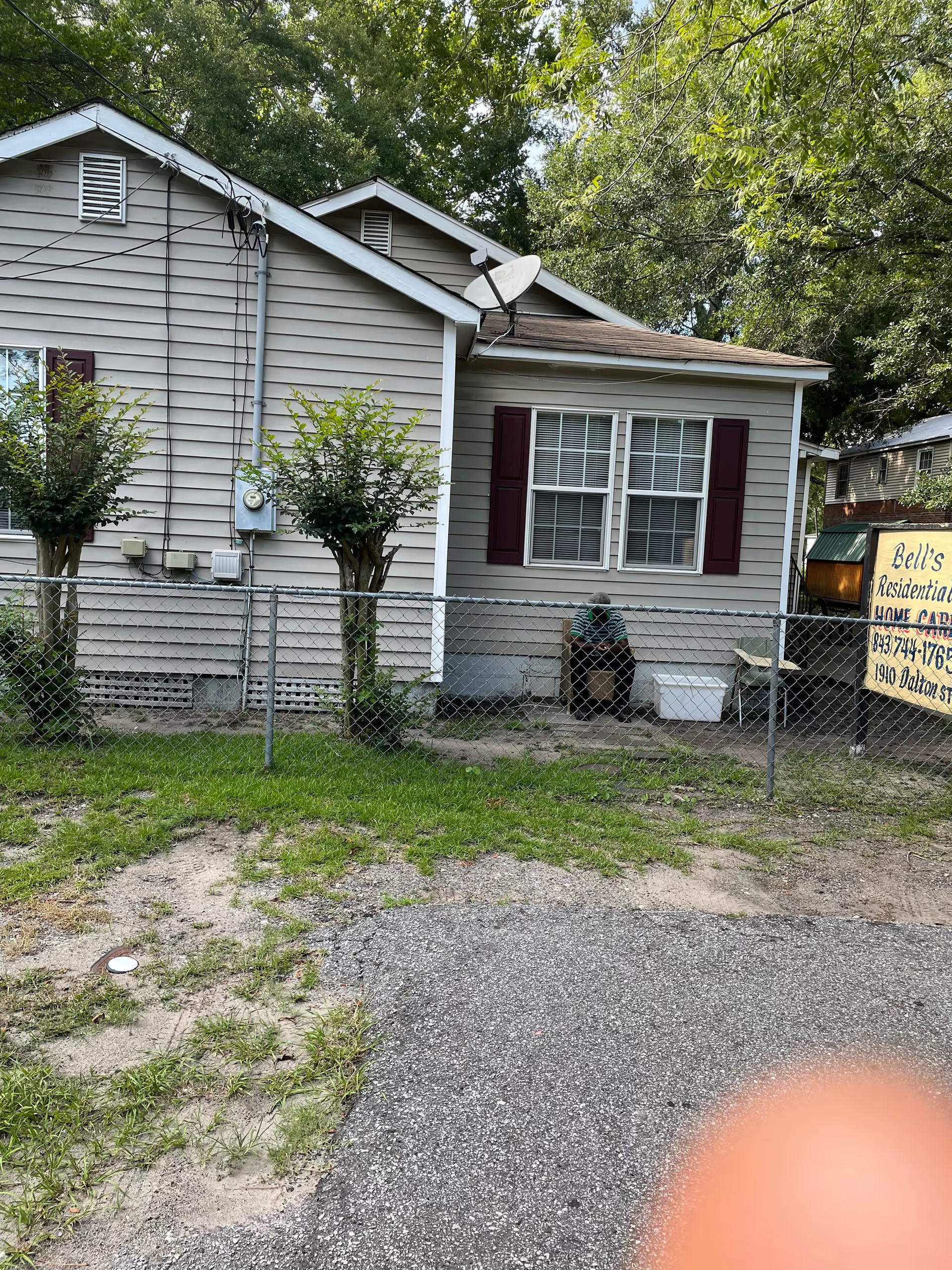
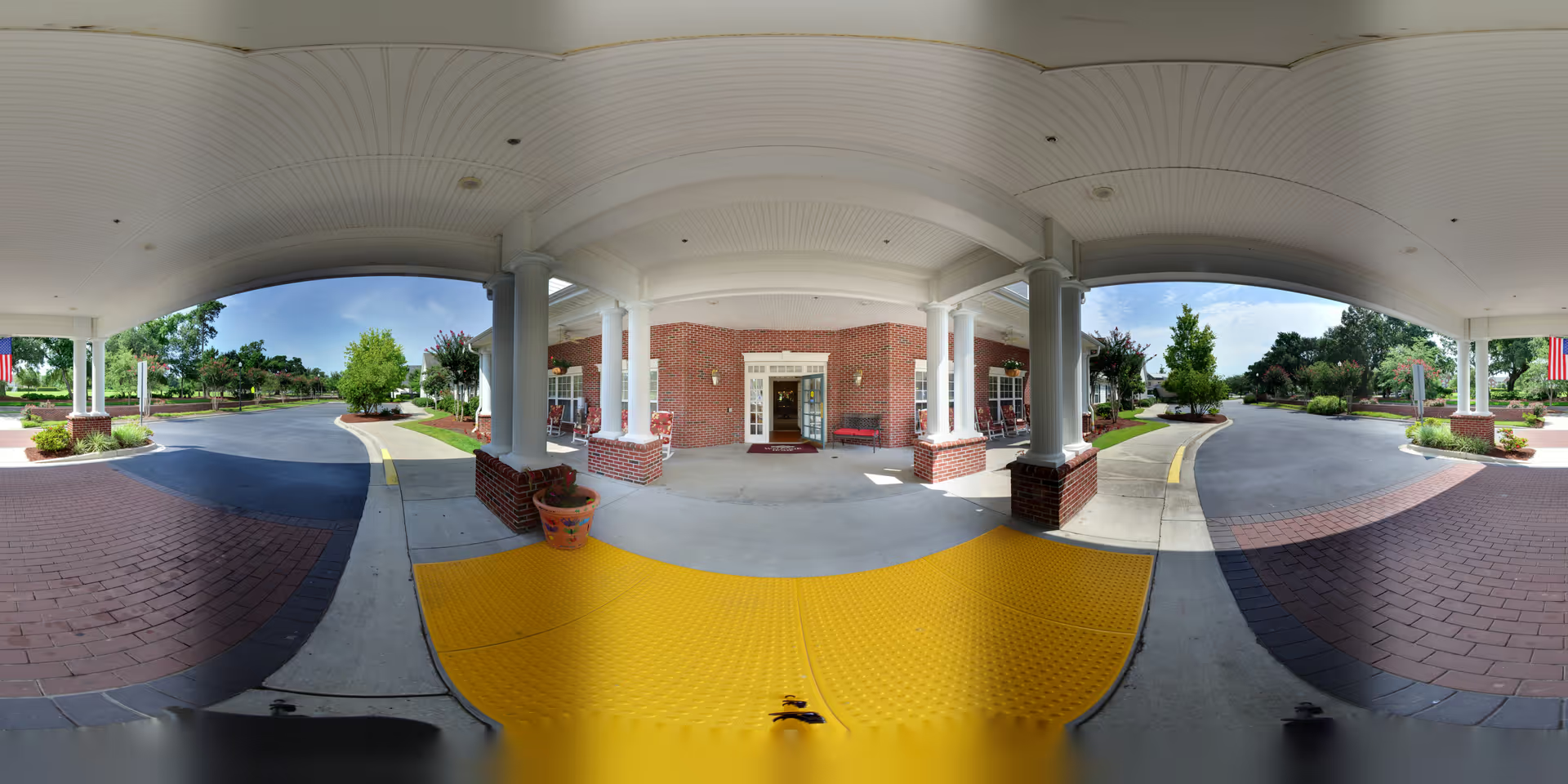
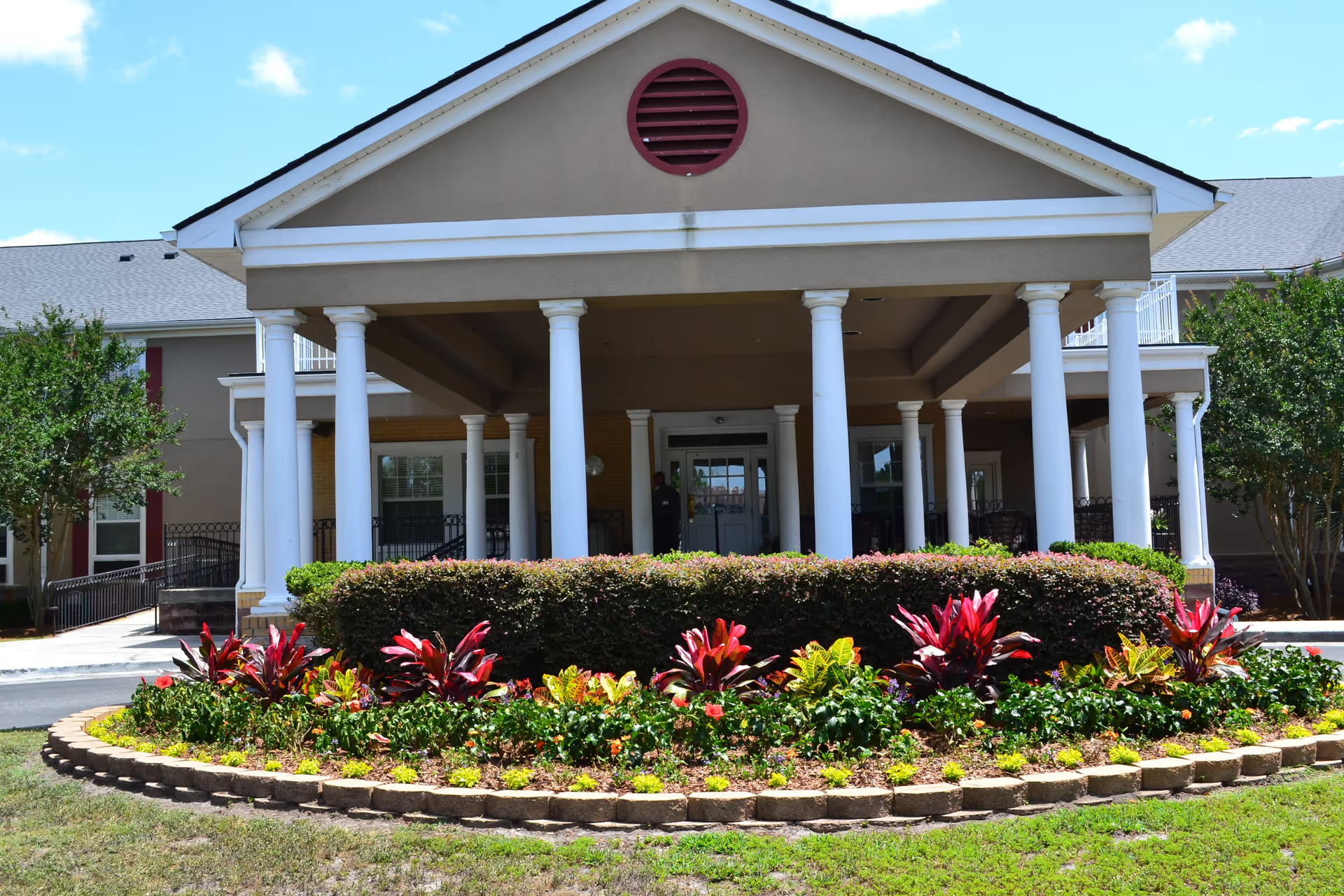
Facility and environment observations vary. Some reviewers describe clean, well-maintained common areas and a pleasant atmosphere under recent administration, while others raise sanitation and odor concerns tied to incontinence-care processes and inconsistent housekeeping in parts of the building. Safety concerns extend beyond internal operations: reviewers mentioned perceived neighborhood safety issues and on-site panhandling, and a few accounts referenced involvement by external protective services. There were also reports of missing personal items, suggesting a need for clearer property controls and incident documentation.
Dining was not widely discussed in the available summaries; where operational praise appears strongest is in social programming, staff warmth, and family communication. Management changes are noted as a positive by multiple families, with some optimism about improvements under new leadership.
Recommendation for prospective families: conduct an in-person tour focused on operational protocols rather than impressions alone. Ask for specifics on staffing levels per shift, fall-prevention and mobility-assist procedures, sanitation and incontinence-care policies, personal-property policies, how the facility investigates and documents incidents, and examples of staff training on communication and cultural sensitivity. Also inquire about recent regulatory or protective-services interactions and what corrective steps were taken. This facility shows clear strengths in resident engagement and individual caregiver relationships, but the pattern of operational gaps identified by others warrants direct, detailed questions before making a placement decision.