The reviews present a polarized picture of Cherrydale Post Acute. A recurring strength is the rehabilitative program: physical, occupational and speech therapy are frequently described as skilled, goal-focused and effective in restoring function. Many families also highlight individual clinicians — nurses, certain CNAs, therapists, social workers and admissions staff — who are compassionate, communicative and attentive; several accounts praise an admissions coordinator who facilitates transitions and administrators who engage with families. When those staff are present and consistent, reviewers describe good care coordination, effective wound and clinical monitoring, and a genuinely supportive, home-like environment.
Conversely, there are repeated operational concerns that suggest variability in day-to-day performance. Staffing and coverage inconsistency is a dominant theme: reviews describe delays responding to call lights, long wait times for assistance, and apparent shortages on weekends and nights. These workforce shortfalls are linked to safety- and quality-related problems such as delayed medication administration, gaps in incontinence-care and bathing schedules, missed clinical follow-ups, and inconsistent implementation of care plans. Several families described instances that indicate weaknesses in medication handling and pharmacy controls, and a few accounts raise serious privacy and medication-safety allegations that warrant administrative review.
Dining and nutrition are another frequent area of dissatisfaction. Many reviewers report cold or poorly prepared meals, limited diabetic and therapeutic diet options, meal-timing lapses, and inconsistent access to regular nourishment. In contrast, a subset of families praised the dining experience and meal service, reinforcing the facility’s overall variability. Activities and therapy programming receive generally positive remarks when staffing is adequate; creative and varied therapy or activity offerings are associated with better perceived outcomes.
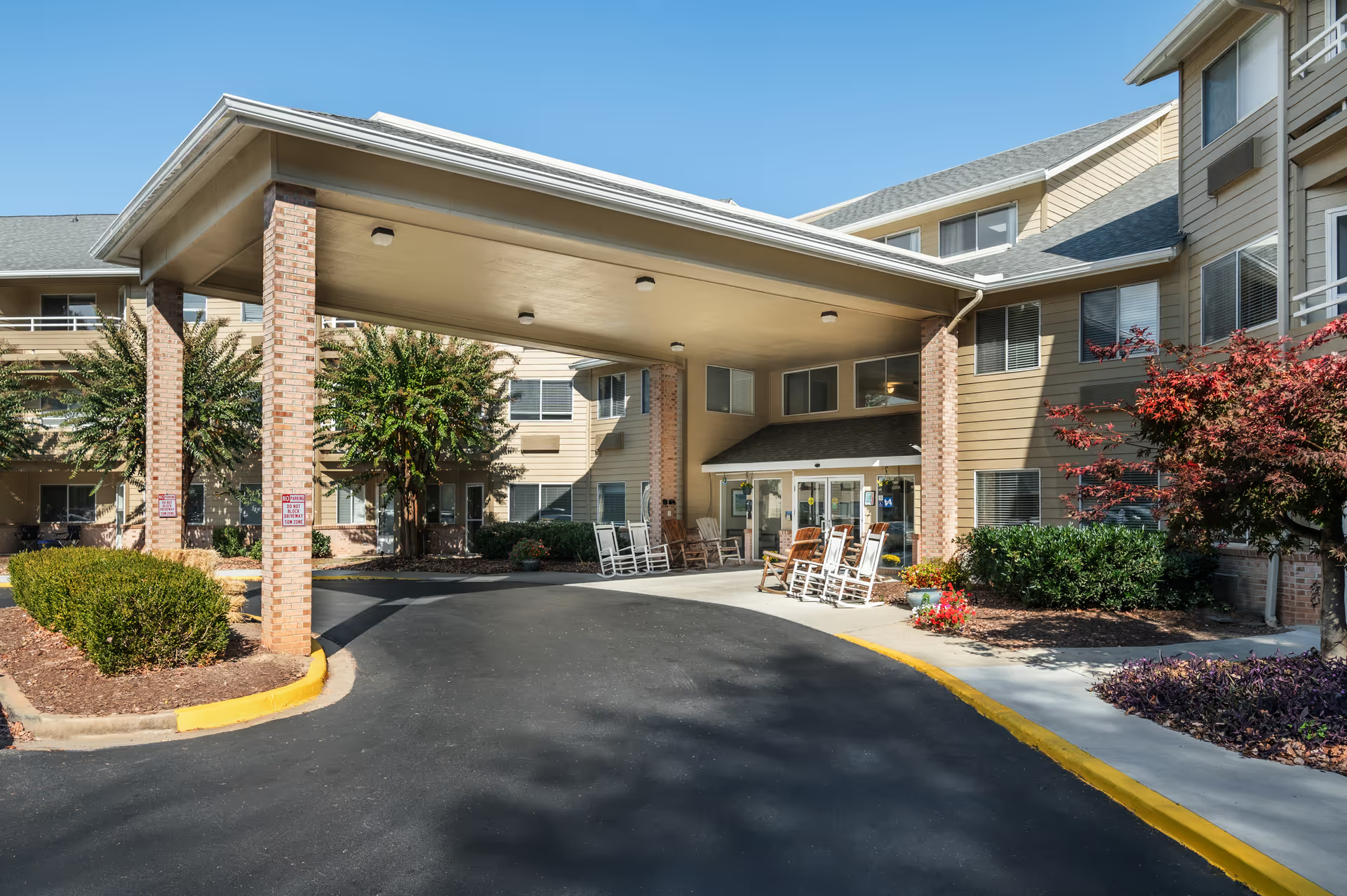
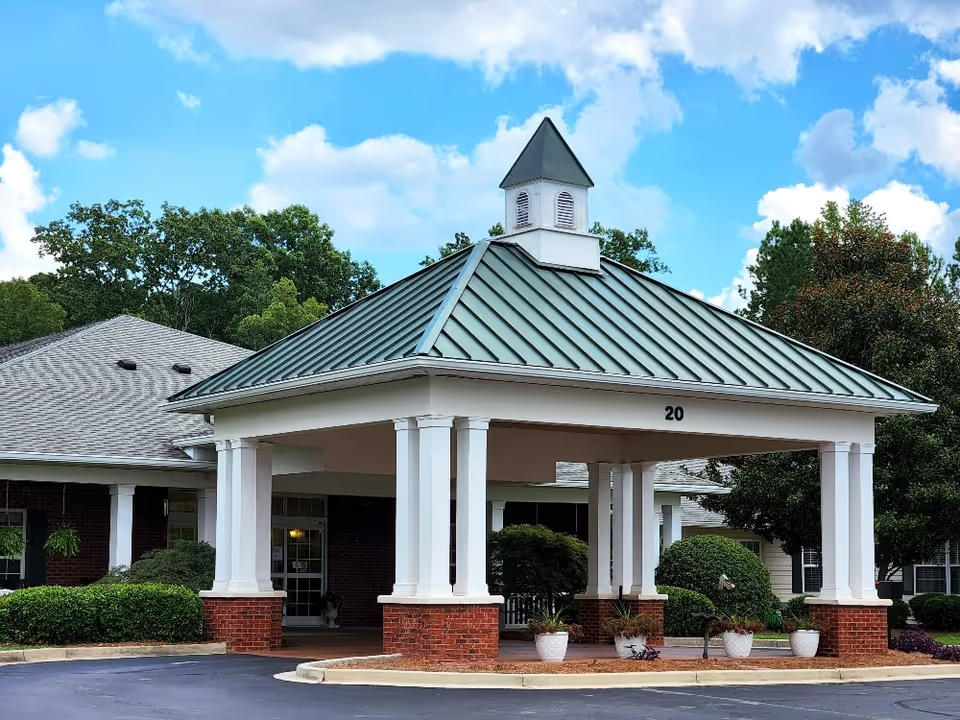
Facility condition and housekeeping are mixed. Multiple reviews cite sanitation concerns, inconsistent laundry handling, odor issues in certain areas, and pest-control concerns; others note clean shower or therapy spaces and long-term staff who maintain good resident relationships. The building’s age and apparent maintenance needs (worn finishes, dated aesthetics, plumbing or water issues) are commonly mentioned and appear to affect resident comfort and perceptions of safety.
Management and communication show clear inconsistency. Positive accounts describe responsive administrators and clear family updates; negative accounts describe difficult-to-reach leadership, delayed callbacks, unexpected billing or payor changes, and unclear discharge planning. Financial transparency and billing practices are also raised as concerns in some reviews. Overall, the pattern is one of strong clinical and rehabilitative capability when experienced staff and engaged leadership are present, offset by operational weaknesses tied to staffing, medication and housekeeping processes, dining services, and facility maintenance. Prospective residents and families should verify current staffing ratios, medication and infection-control protocols, dietary accommodations, and administrative responsiveness during any tour or admission discussion, and ask for examples of how the facility addresses the specific concerns identified here.