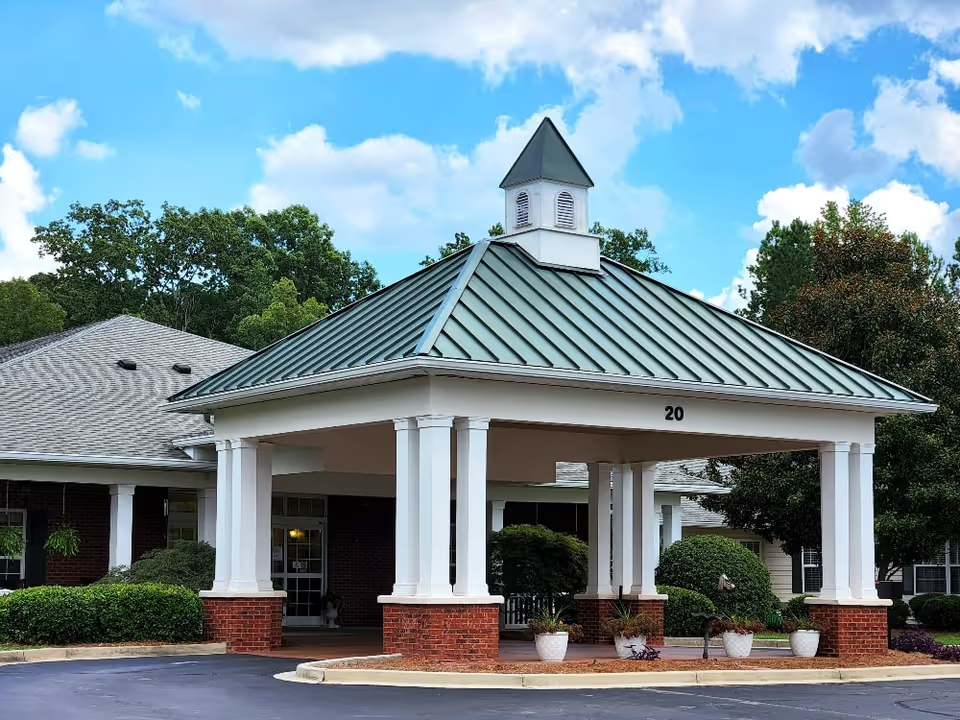
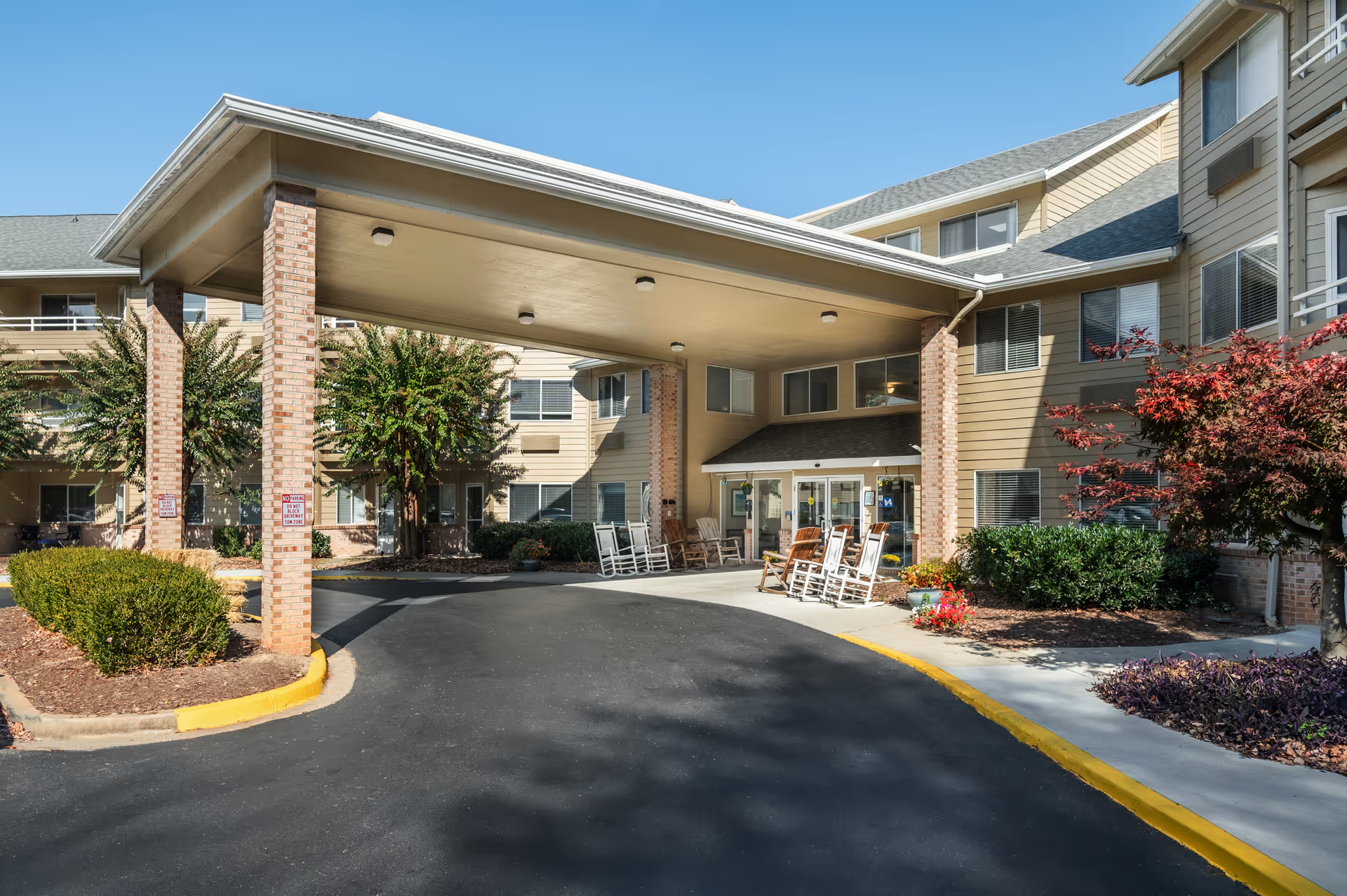
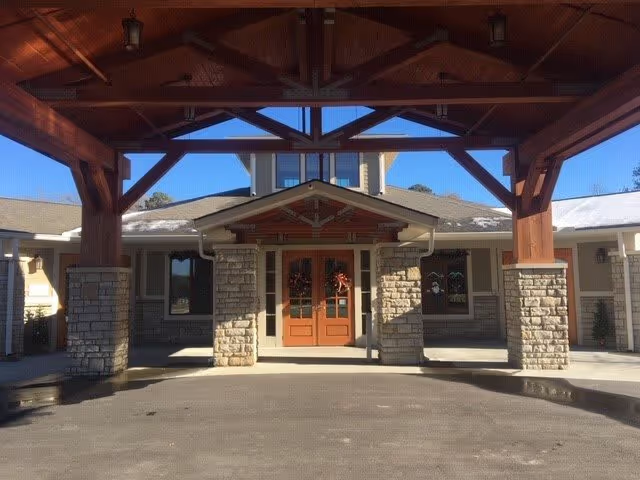
Greenville Glen draws polarized feedback. Many families and visitors describe a warm, home-like atmosphere driven by a hands-on caregiving staff and an active activities program. Staff are frequently characterized as compassionate, attentive, and familiar with residents; reviewers note a low staff-to-resident ratio, willingness to accompany residents to appointments, and supportive end-of-life/hospice accommodations. The activities program—led by an engaged activities director—is highlighted for seasonal themes, outings and frequent social programming, and meals are often described as satisfactory. The facility's pastoral setting, larger rooms with natural light, closet space, and overall affordability also attract positive comments.
At the same time, recurring operational concerns appear to affect family confidence. Leadership turnover and frequent changes in management are described as disrupting continuity and contributing to uneven administrative follow-through. Staff turnover and occasional shortages are also reported, which families link to service variability. Several accounts point to gaps in ongoing communication between administration and families, making it difficult for relatives to track changes to care plans, therapy providers, or medication arrangements.
Practical service issues feature in reviewer feedback. While many residents enjoy the activities and outings, there are also reports of promised events or holiday offerings that did not materialize, indicating inconsistent event follow-through. Dining is generally acceptable to some families, but the facility offers limited meal-service flexibility (for example, no in-room dining option) and there are mentions of uneven food availability during events. Concerns about changing physical-therapy arrangements and pharmacy/medication pricing suggest families should confirm therapy continuity and medication cost practices during tours.
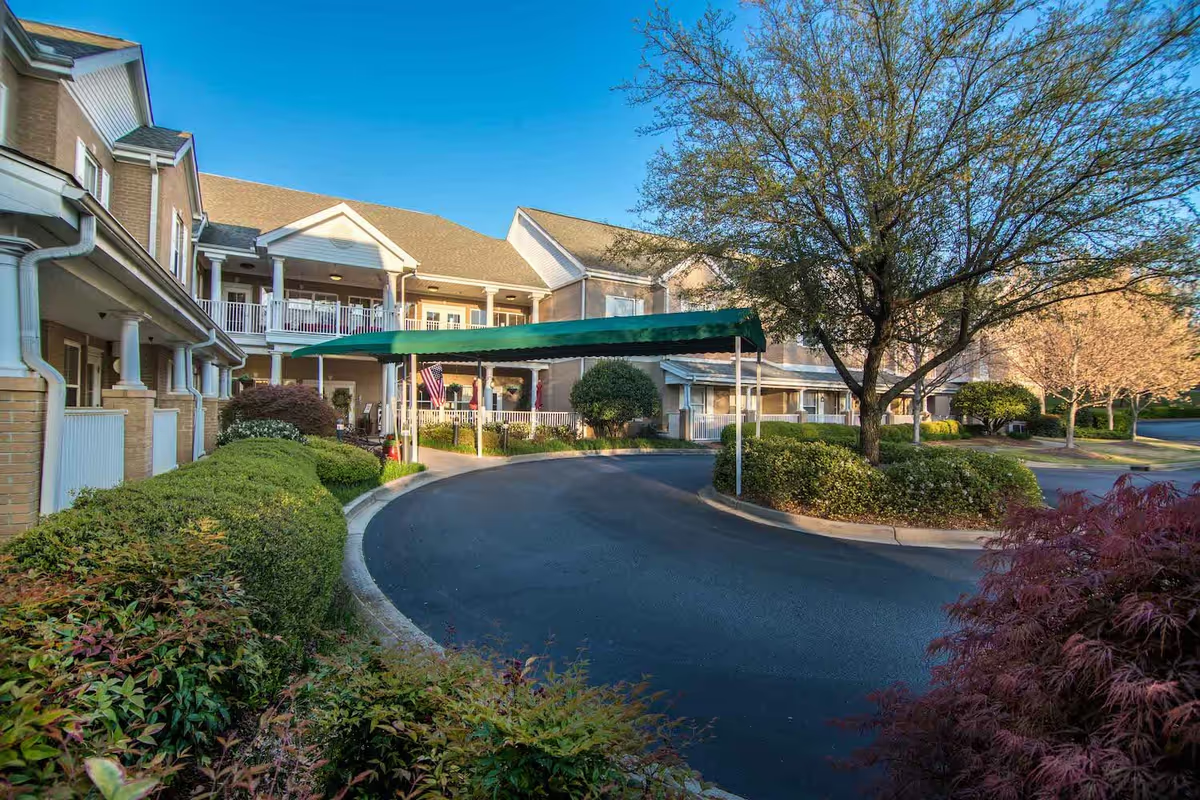
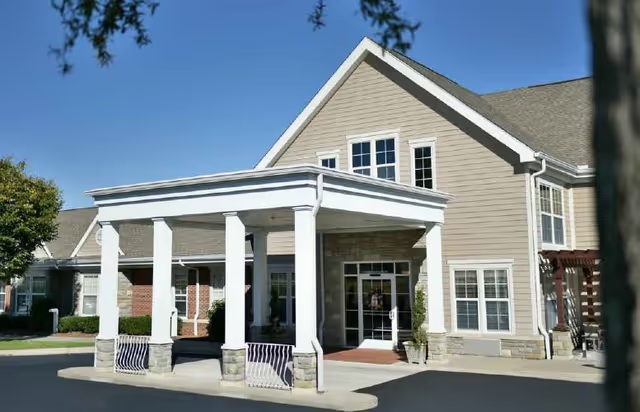
Facility condition feedback is mixed. Several reviewers praise recent painting, new carpeting, cleanliness, and well-kept common areas, but others describe uneven maintenance and areas that feel rundown. Specific operational concerns include pest-control issues in food-preparation/dining areas and bathroom layouts that may not accommodate adaptive equipment — both items that have practical implications for safety and daily living. A few reviewers also noted gaps in infection-control practices and nighttime staffing noise that can affect resident sleep and comfort.
Taken together, Greenville Glen may be a strong fit for prospective residents prioritizing a small, familial community, active programming, hands-on front-line staff, and affordability. Families for whom continuity of management, consistent administrative communication, tightly controlled environmental maintenance, and transparent medication/therapy arrangements are critical should evaluate those areas closely. Recommended steps for prospective families: observe an activity period and a meal service, ask for documentation on staff turnover and infection-control protocols, review bathroom/room accessibility for adaptive equipment, request written clarity on medication-pricing and therapy-provider arrangements, and speak directly with current family members about communication practices and recent leadership changes.