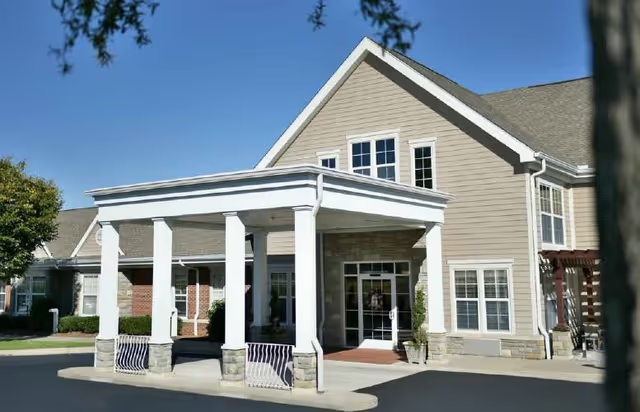
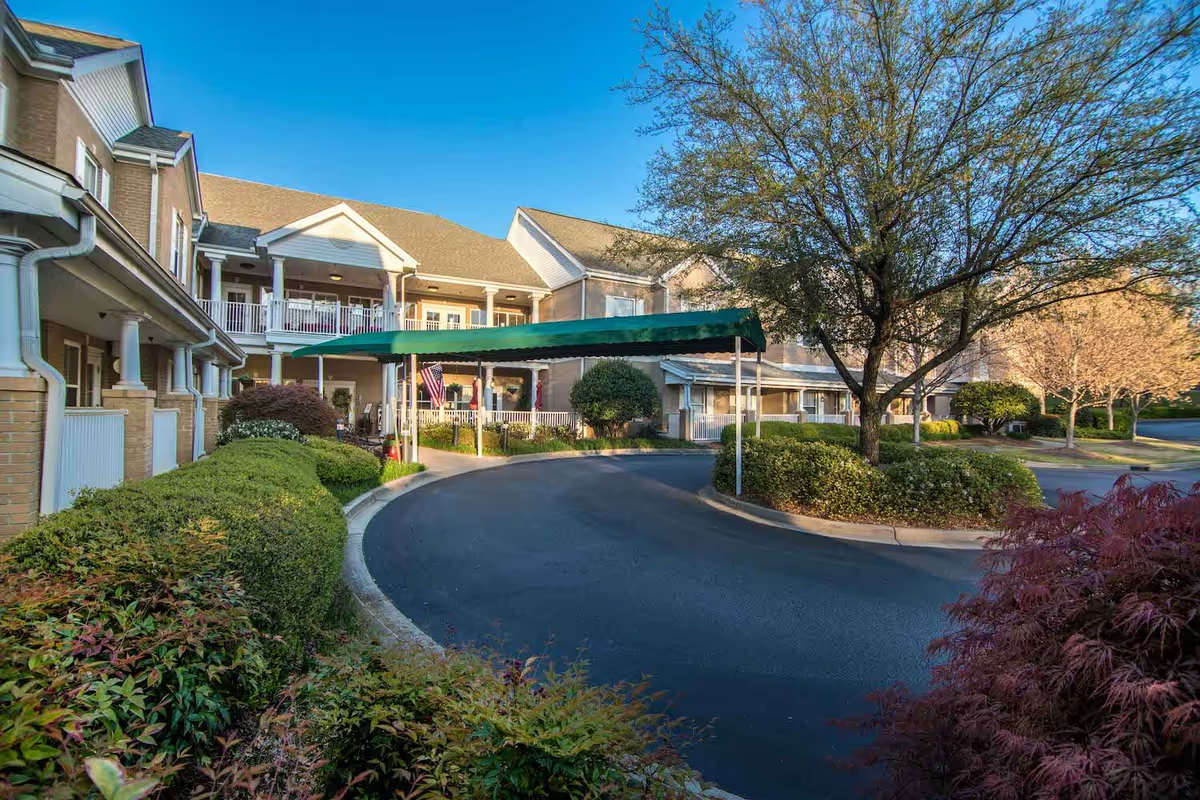
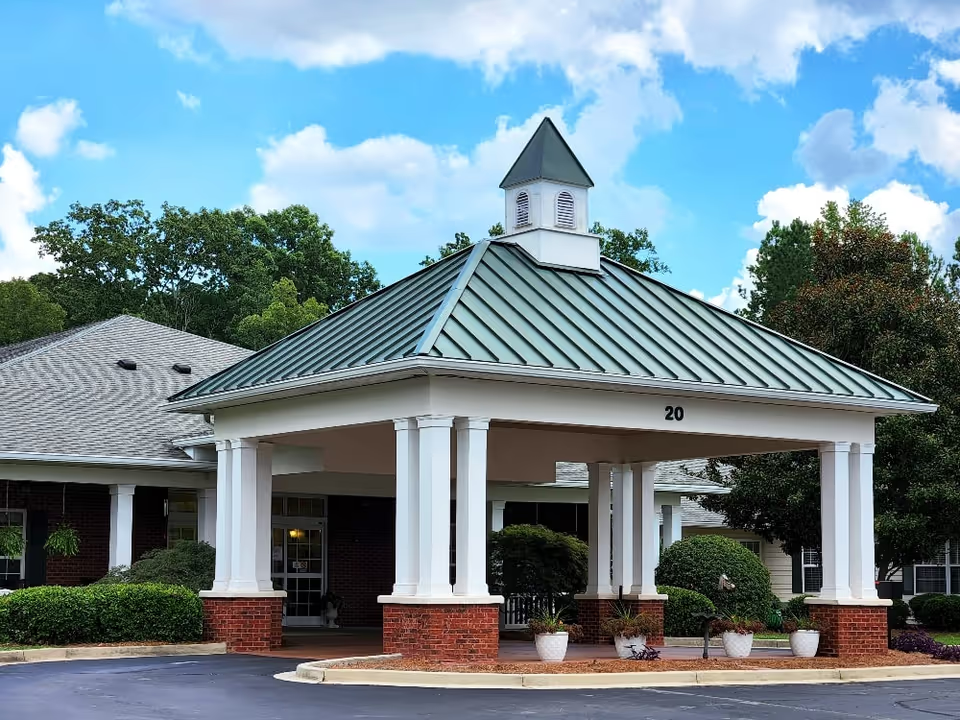
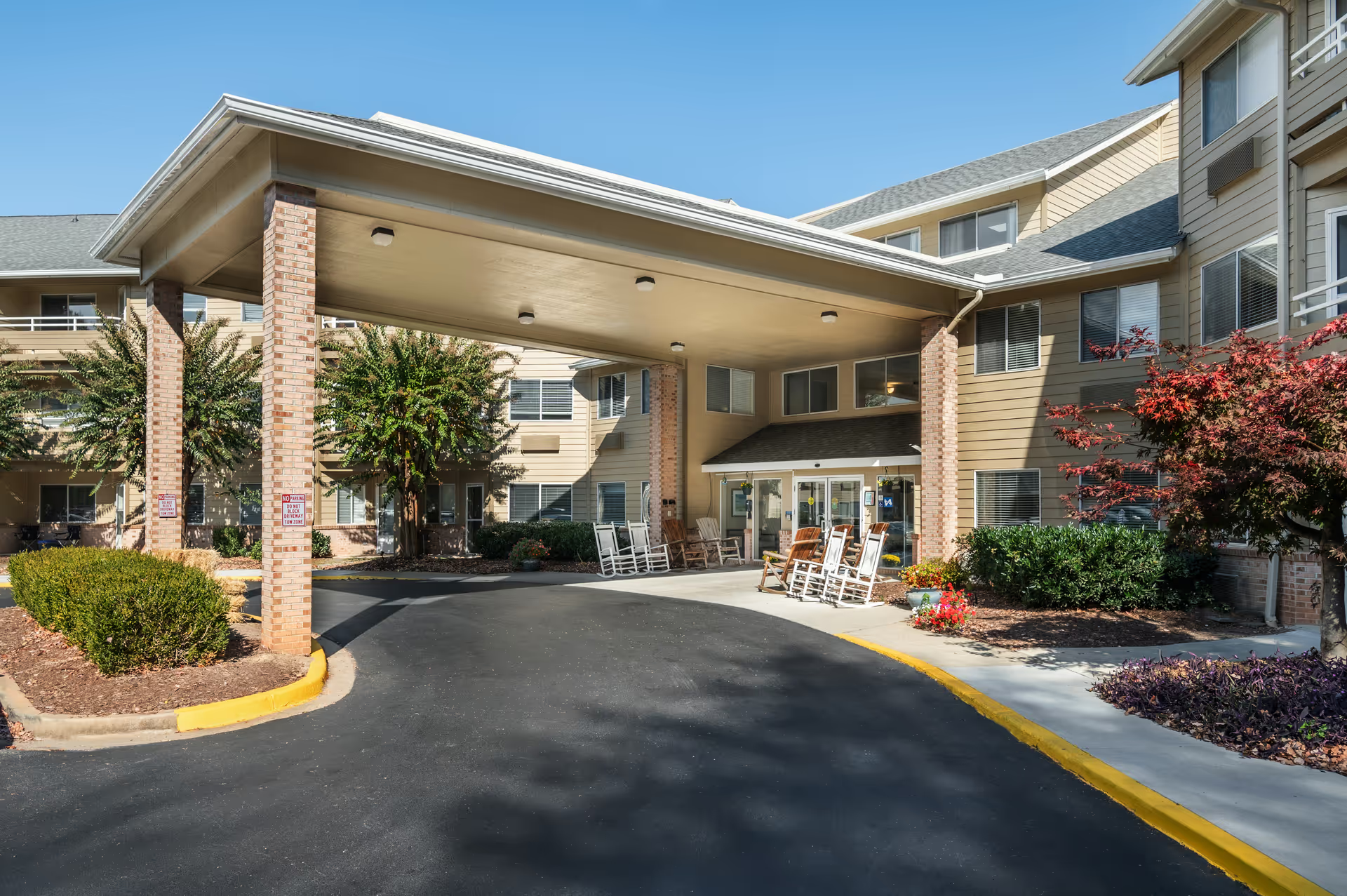
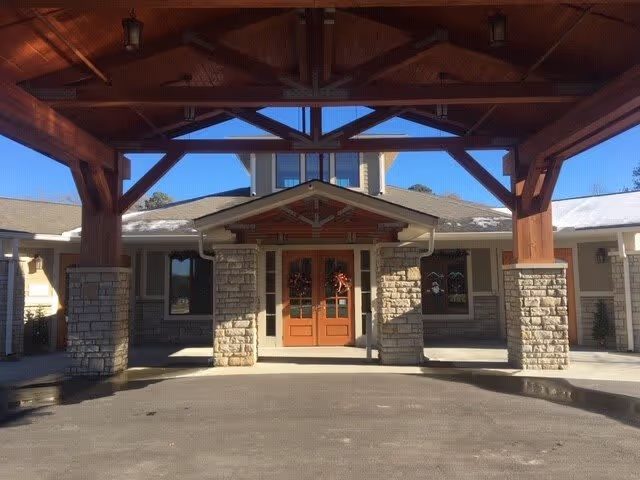
Rolling Green Village presents as a large, well-equipped retirement community with a broad continuum of care and many facility-level strengths. Reviewers consistently highlight attentive, compassionate frontline staff, a strong rehabilitation program with dedicated therapists, and high-quality, restaurant-style dining. The campus offers extensive amenities—fitness and therapy pools, library, transportation services, multiple activity offerings, spiritual services, and several housing formats (cottages, patio homes, apartments)—which contribute to an active, community-oriented environment. Grounds and buildings are frequently described as clean and well maintained, and the community is noted for family-focused touches such as memorial services and a generally welcoming atmosphere.
Clinical quality and everyday caregiving receive mixed but often positive commentary. Many families described successful rehab stays and meaningful relationships with nursing and CNA staff; several named individuals as strong assets to the rehab floor and long-term care units. At the same time, there are recurring accounts of uneven care quality between units and shifts: some reviews describe delayed responses to needs, inconsistent therapy outcomes, and gaps in medication handling or follow-up. These patterns suggest variability in staffing levels, skill mix, or supervisory oversight that can affect resident experience depending on timing and unit assignment.
Dining and activities are clear strengths for the community but also sources of operational friction. Food quality and meal service are frequently praised—multiple reviewers compared meals to restaurant standards—and the activity calendar, transportation to shopping and outings, and spiritual programming are strong contributors to resident satisfaction. Conversely, reviewers noted dining-area capacity constraints during peak times, restrictive guest-dining policies and dining-point rules, and occasional interruptions to meal delivery. Several reviewers also objected to recent policy changes that reduced access to small amenities (for example, package or magazine access and beverage machines), describing those changes as diminishing the lived-in feel of common areas.
Facilities and campus management show both investment and growing pains. The community has a number of newer buildings and ongoing expansion, with positive remarks about modern rooms, therapy spaces, and landscaping. However, construction activity has produced noise, dust, and disruption for some residents, and reviewers expressed frustration with how those disruptions were managed. Security features such as controlled access are in place, but there are isolated concerns around property control and inventory oversight (missing items, meal delivery lapses) that families consider important to address.
Administration and governance are the most polarizing areas. Multiple reviewers raised concerns about opaque billing practices, unexpected fees, and a perceived unwillingness by leadership to engage transparently on charges. Communication between administration and families—especially during hospitalizations or clinical transitions—was flagged as inconsistent. A few accounts raised serious allegations about medication handling and potential misconduct; these are significant concerns that would warrant direct inquiry and possible regulatory follow-up. Overall, comments about management range from praise for responsiveness to critical observations about leadership, human resources, and policy decisions that some residents find detrimental to quality of life.
Notable patterns for prospective residents and families: the community delivers strong amenities, engaging programming, and often excellent frontline care, but experience can vary based on unit, time of day, and who is on duty. Key due-diligence items include asking for recent staffing ratios and turnover data, observing meal service and a therapy session, reviewing the contract and fee schedule carefully, and clarifying policy changes around guest dining and resident amenities. Given the mix of high praise and substantive operational concerns, an in-person visit focused on leadership accessibility, clinical oversight, and how construction or policy changes are managed will provide the best insight into whether Rolling Green Village matches an individual’s expectations and needs.