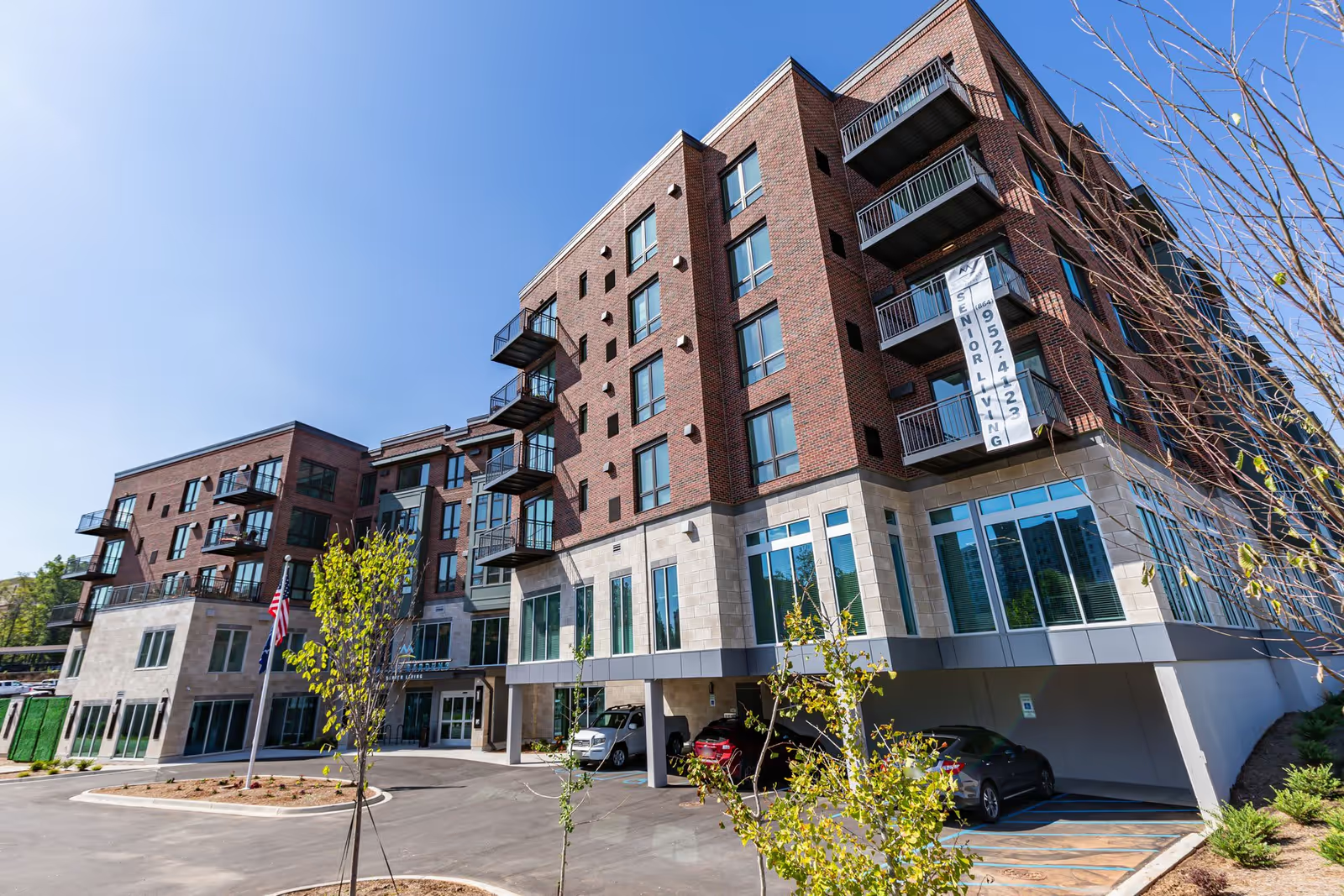
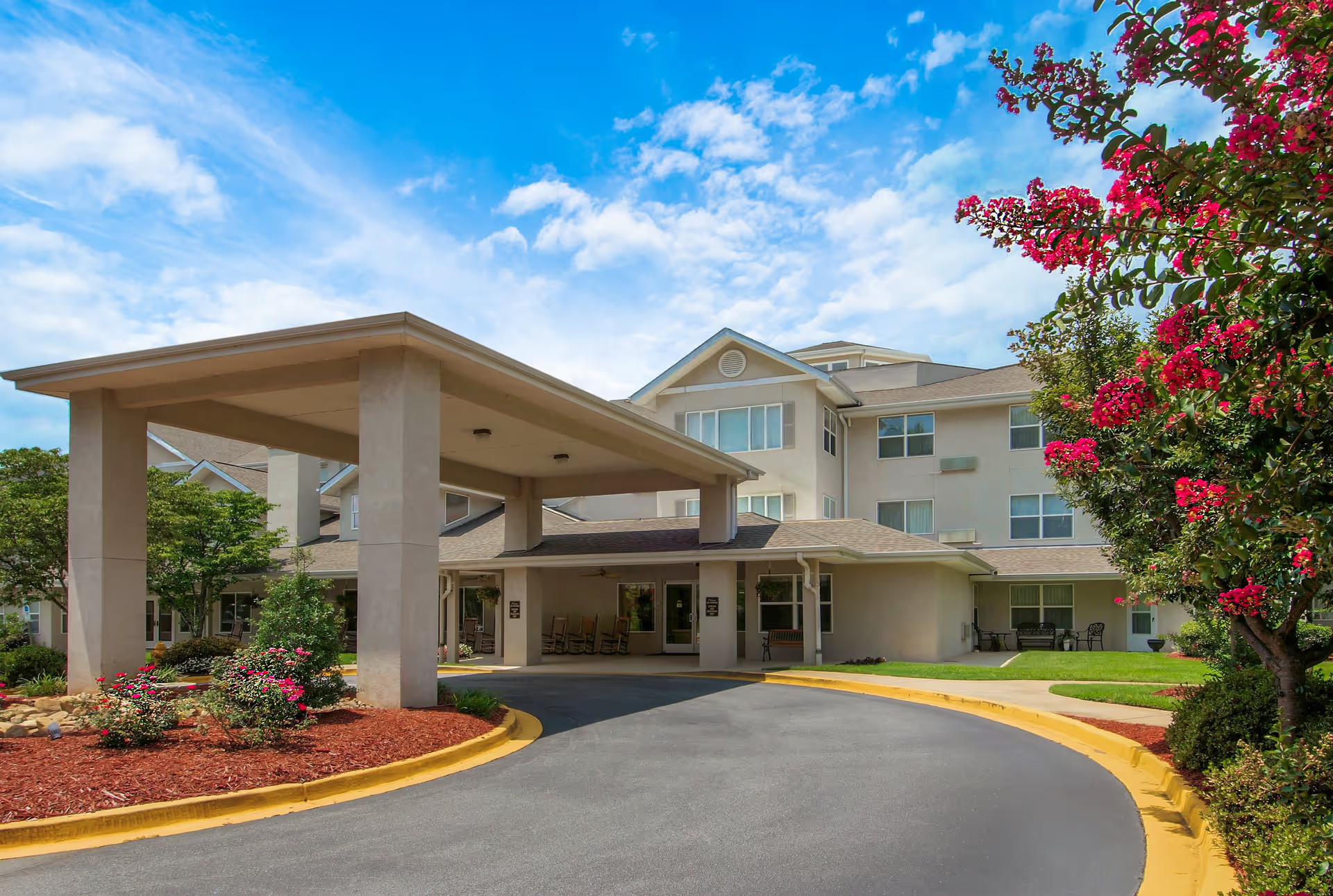
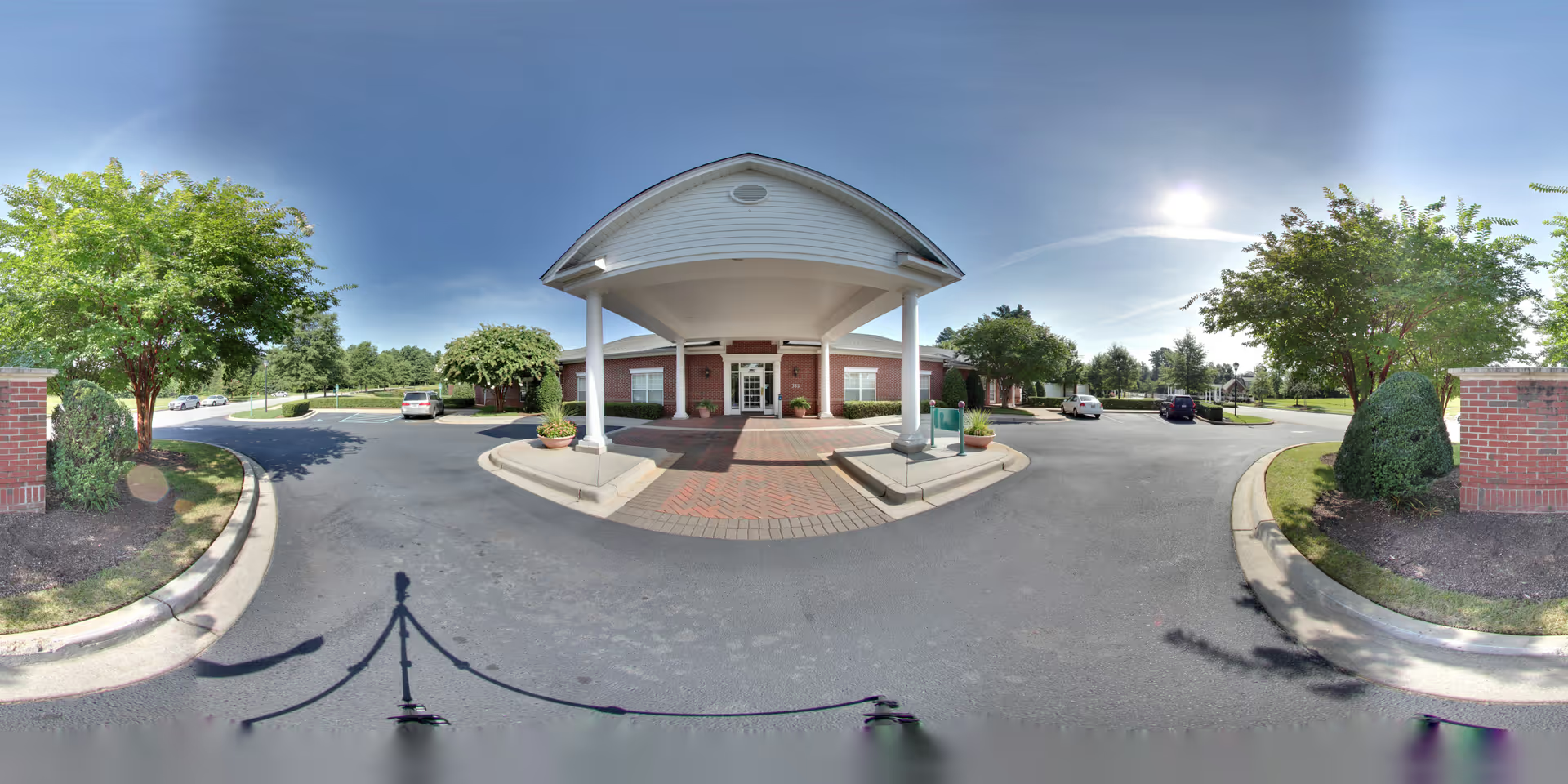
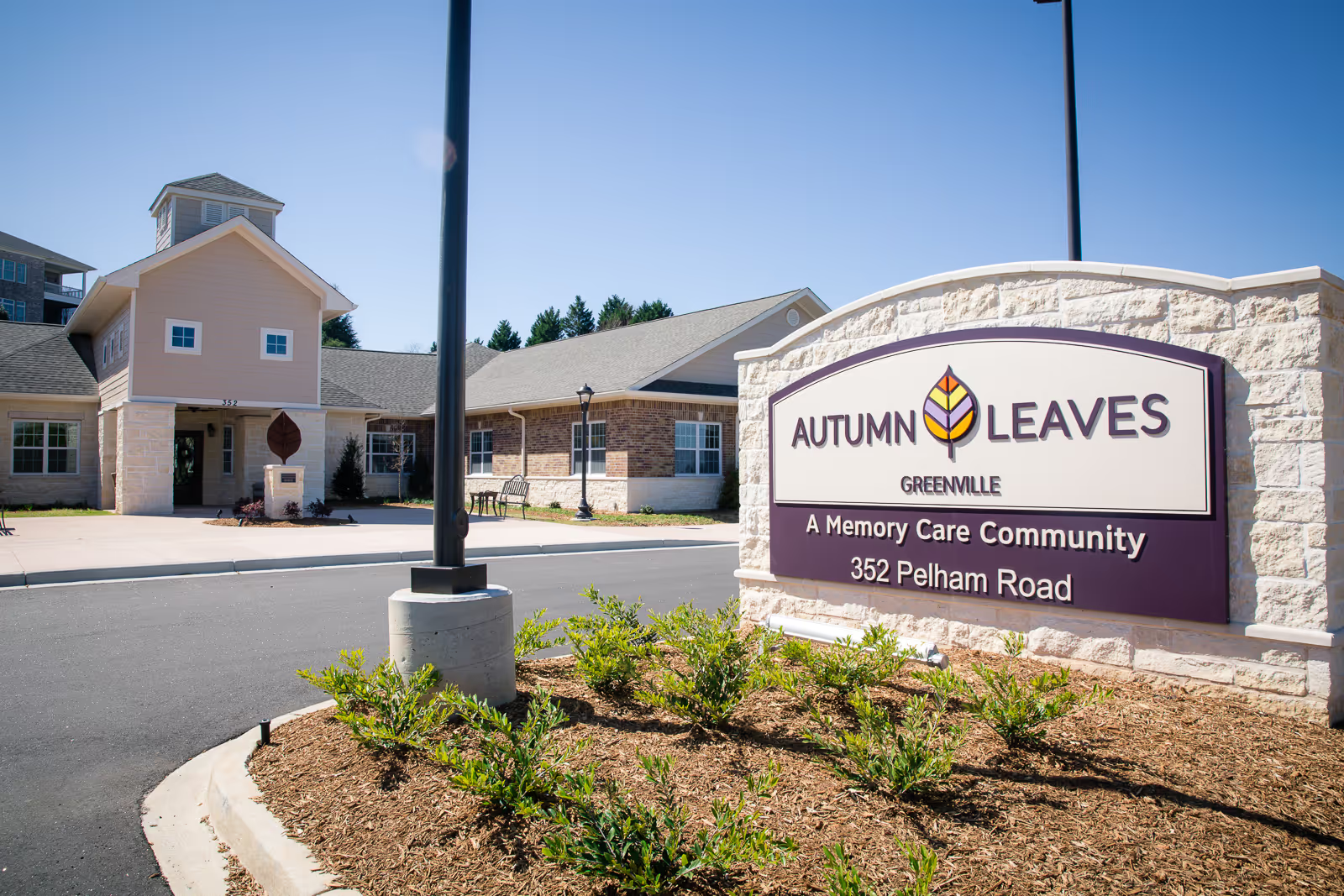
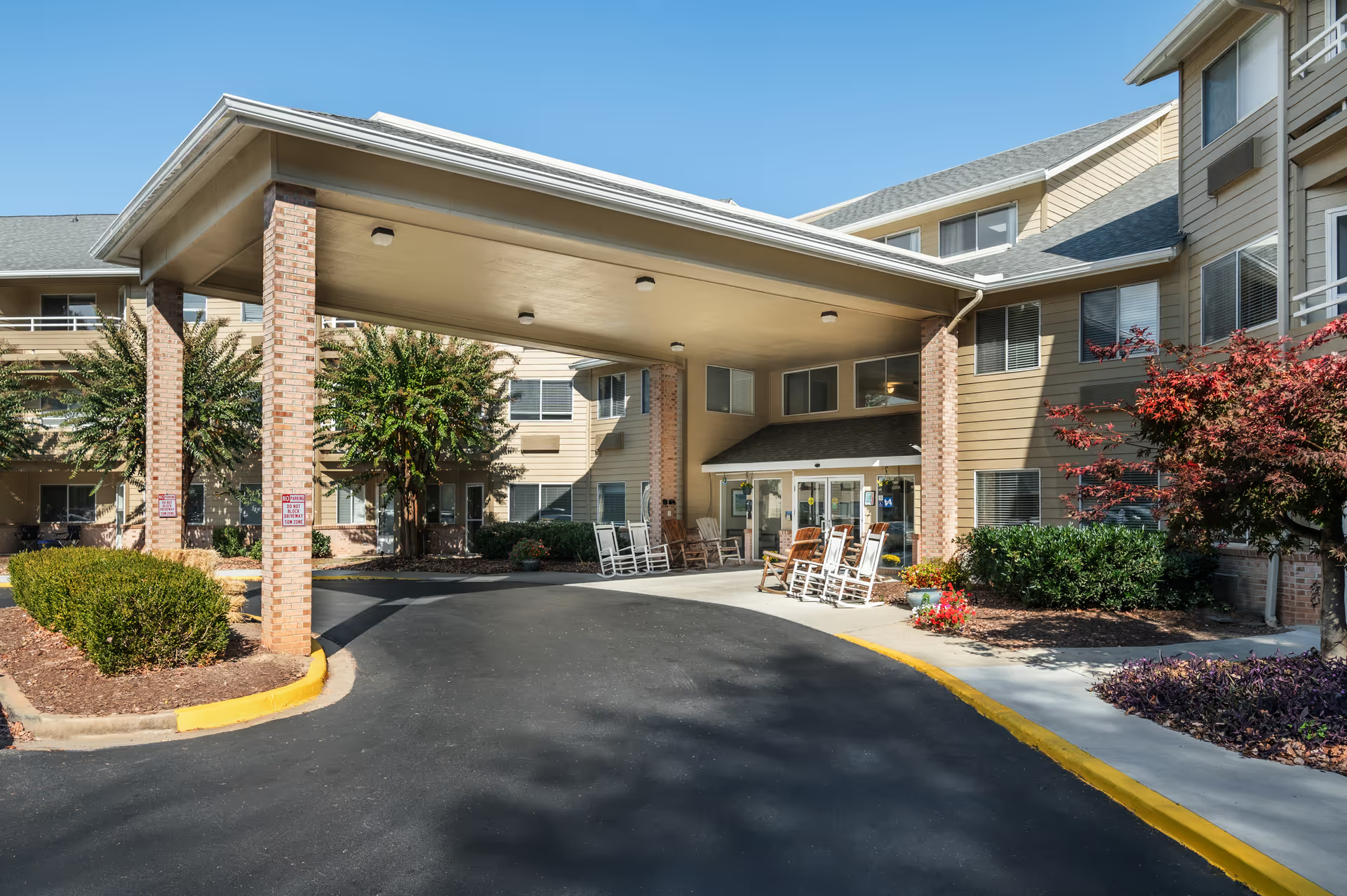
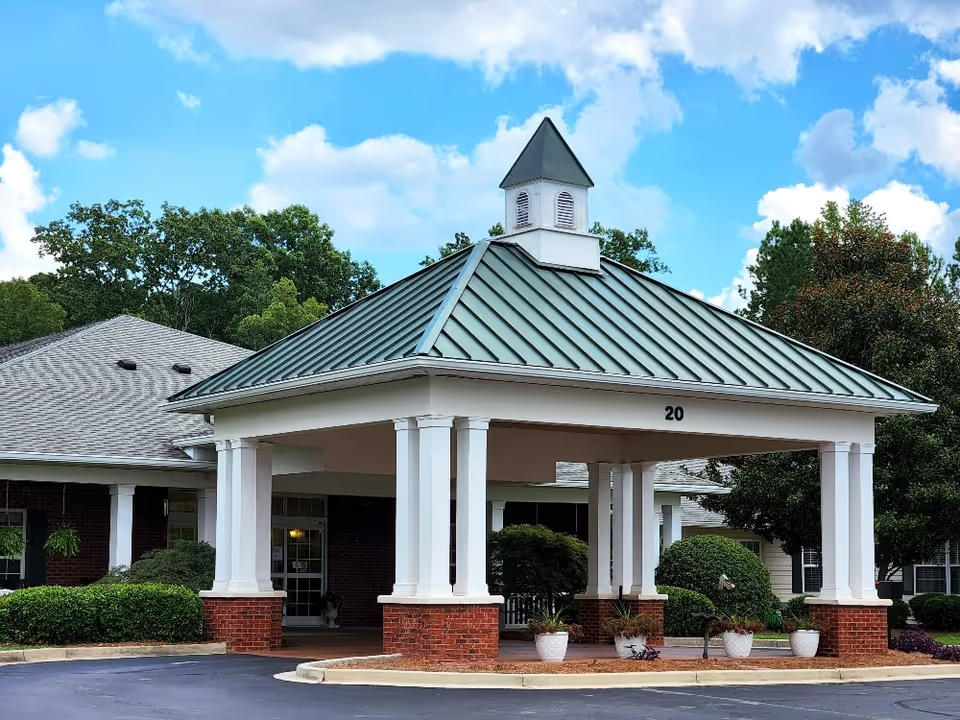
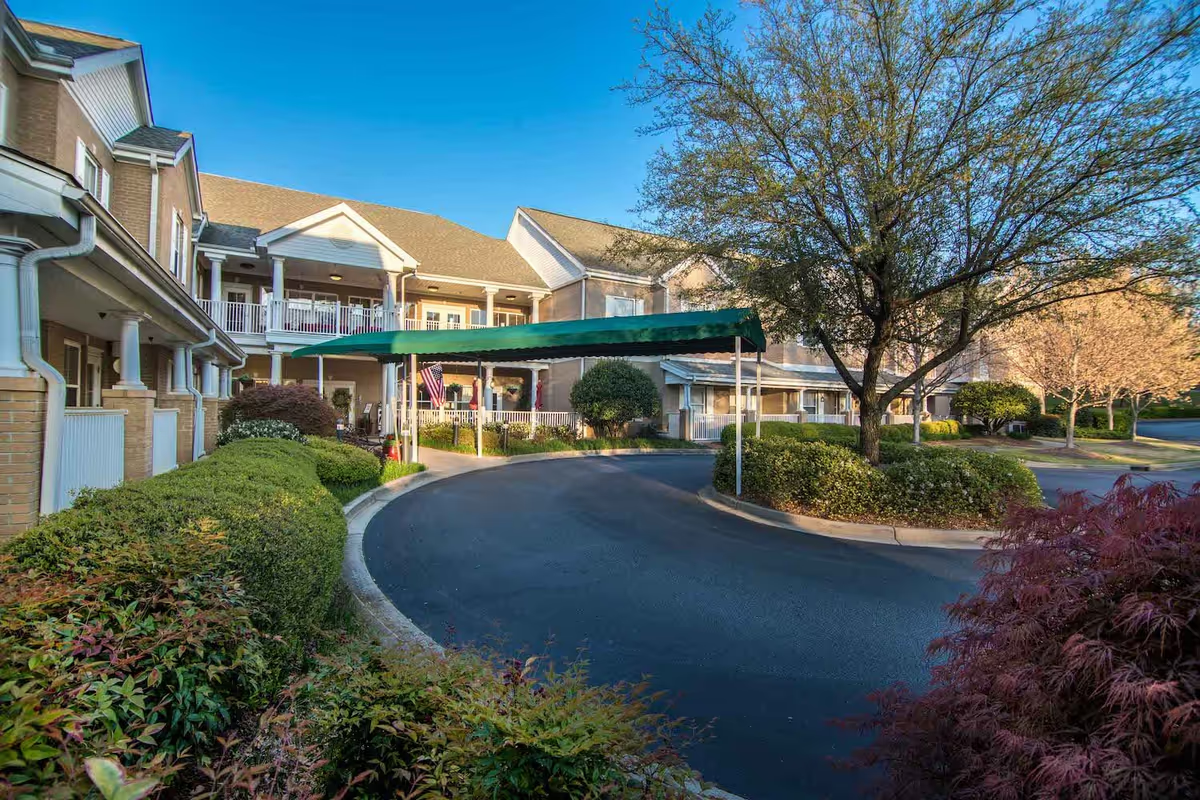
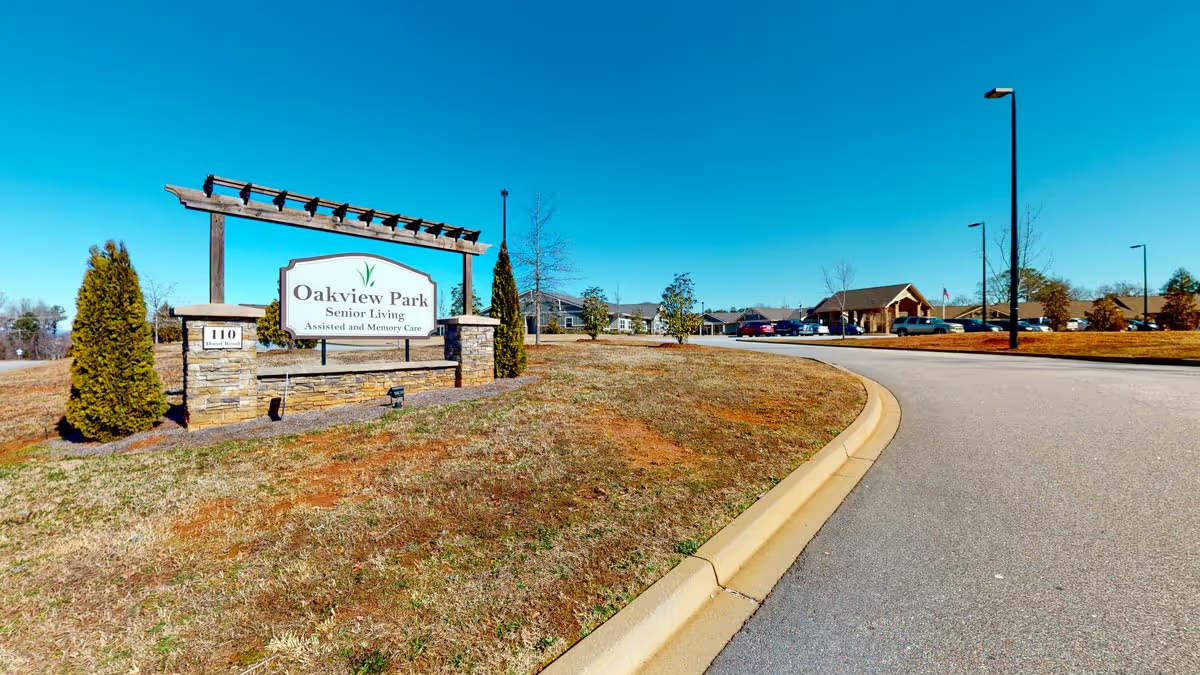
Waterstone on Augusta presents as an attractive, well-appointed community with many of the physical amenities buyers seek: a clean, hotel-like interior, attractive grounds, and a range of on-site features such as a theater, salon, bistro, courtyard, and rehabilitation services. Families frequently note spacious apartments, the ability to keep spouses together, and a downtown location convenient to doctors and hospitals. Volunteer programs and pet-therapy events are active elements of community life, and several accounts highlight effective short-term rehab and therapy stays.
Frontline staff are commonly described as kind, attentive, and supportive; many families praise individual caregivers, activities staff, and direct-care teamwork during events such as power outages. Activity programming is a clear strength in many experiences — diversified opportunities, outings, and on-site offerings (salon, theater, pet therapy) contribute to resident engagement. At the same time, several families found activity options did not always match a particular resident’s interests, indicating variability in personalization.
Care quality descriptions are mixed. Positive accounts point to thoughtful, timely nursing attention and strong aide support under some managers. However, recurring operational concerns include inconsistent staffing levels, slow response times to call buttons, and variability in clinical oversight and nursing coverage. Families also raised issues about medication coordination (missed medications in some cases) and the mandatory-pharmacy arrangement that can add cost and lead to prescription delays due to limited pharmacy hours. There are also repeated references to gaps in incident handling and family notification after hospitalizations or adverse events, which suggests the need for clearer protocols and communication practices.
Dining impressions are inconsistent: many reviewers enjoyed the food and menu variety, citing tasty meals and healthy choices, while others described uneven food quality and service problems. Meal delivery practices and room-service follow-up were noted as areas for improvement by some families. Administrative and management performance is similarly mixed. Several families commended responsive leaders and improvements under new nursing leadership, but others described poor upper-level responsiveness, unreturned calls or messages, billing opacity (for example, a lack of itemized invoices), and perceptions that sales presentations oversell capabilities relative to day-to-day operations. Concerns about staff morale and staffing cutbacks were raised alongside praise for dedicated staff who remain.
Notable patterns for prospective residents and families: the facility’s physical environment and many frontline staff are strengths, and Waterstone can be a strong option for short-term rehab or for families prioritizing amenities and proximity. At the same time, the community displays operational variability — particularly around staffing consistency, clinical coverage, communication after incidents, meal-service reliability, and administrative follow-through. Families considering placement should ask targeted questions about current staffing ratios and turnover, call-response metrics, nursing coverage and on-call clinician access, pharmacy arrangements and costs, billing procedures (including itemized invoicing), and specific memory-care staff training. A trial stay or detailed walk-through of incident-communication practices may help align expectations with operational realities.