Reviewer experiences at River Falls Post-Acute vary widely, producing a mixed portrait: the facility is repeatedly praised for its therapy services, many individual caregivers, and the social/activity offerings, while also drawing consistent concern about core operational and safety processes.
Care quality: The facility receives strong marks for physical and occupational therapy; multiple accounts describe effective rehabilitation outcomes and staff who actively support recovery goals. At the same time, reviewers describe important gaps in clinical coordination — including wound follow-up, medication scheduling, and discharge planning — that have led to care interruptions or premature transitions in some cases. There are also recurring concerns about timeliness of personal-care assistance and bathing schedules, and some families described instances that indicate weaknesses in incontinence-care responsiveness.
Staff: Many reviewers emphasize compassionate, friendly, and dedicated front-line staff — nurses, CNAs, and therapists who provide attentive, person-focused care and occasional above-and-beyond efforts. However, these positive impressions coexist with frequent notes about understaffing, long wait times for assistance, variability in staff conduct and professionalism, and fatigue-related lapses. Documentation and handoff failures between shifts and disciplines are described as a source of frustration and risk for continuity of care.
Dining and activities: The dining program is generally viewed positively; meals are described as home-style, well-balanced, and served family-style at times. Some reviewers find food tolerable to very good, and a night snack option is appreciated. The activities program is a clear strength, with a calendar of events, daily activity cart, bingo, birthday gatherings, and salon services contributing to a social, homelike atmosphere.
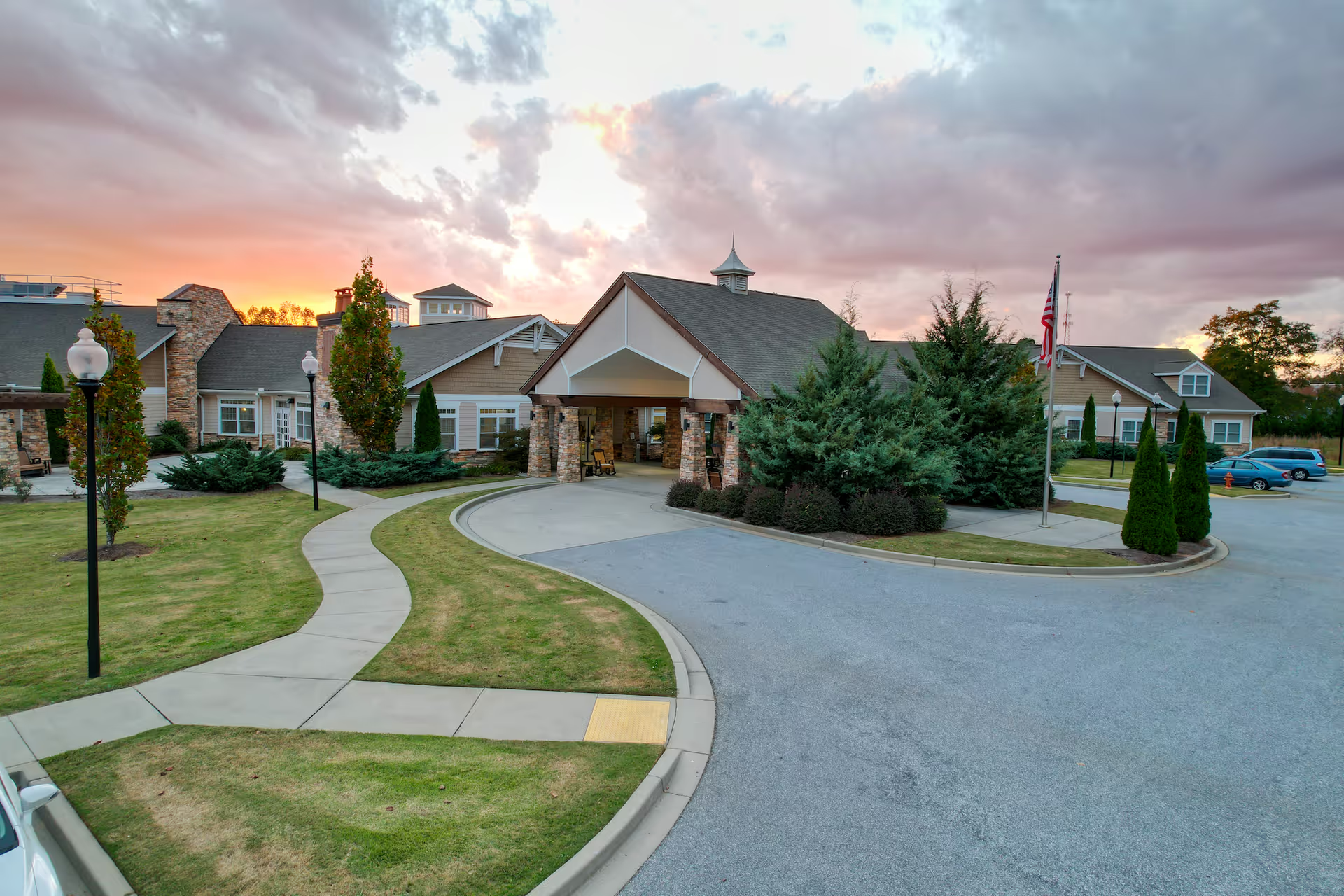
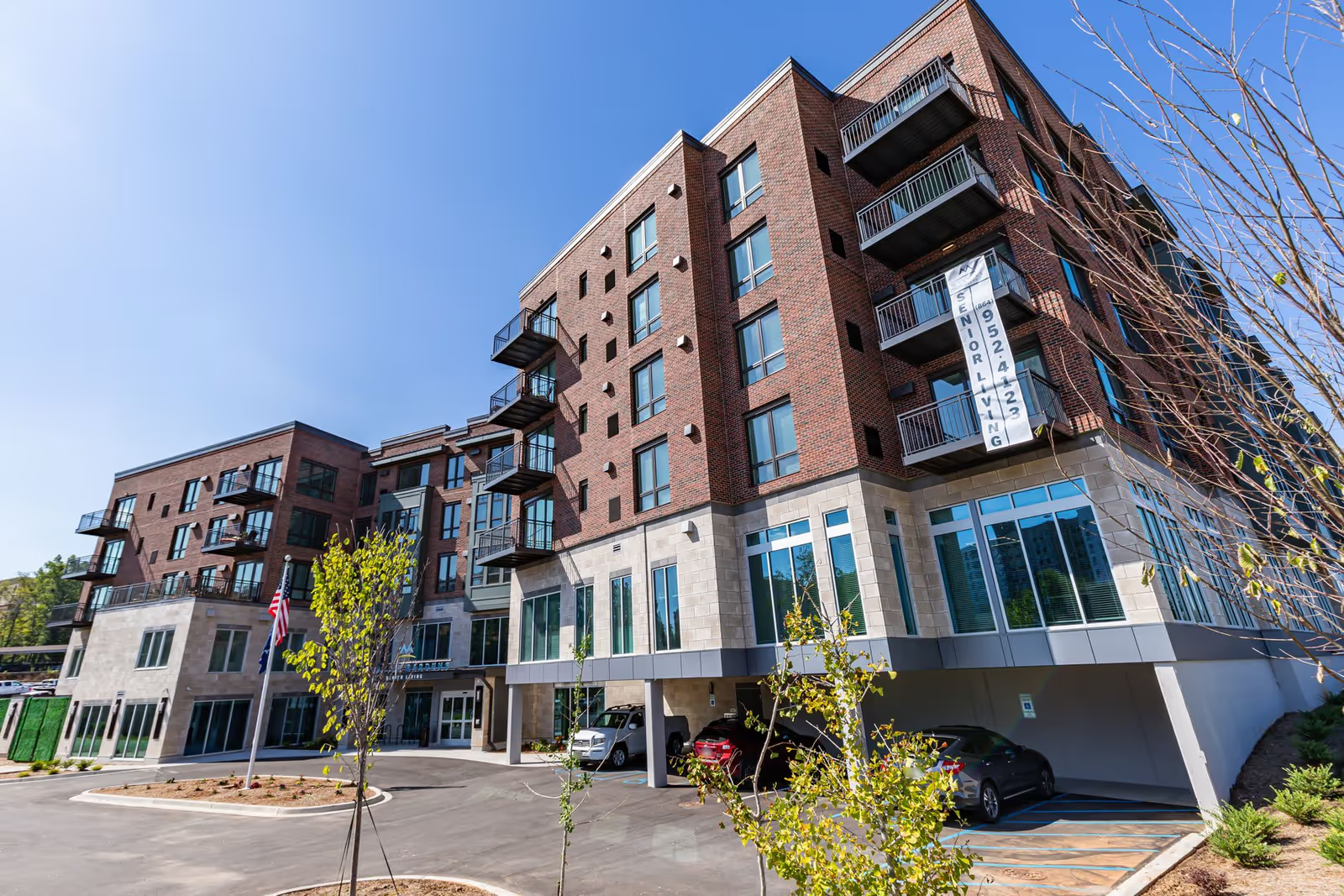
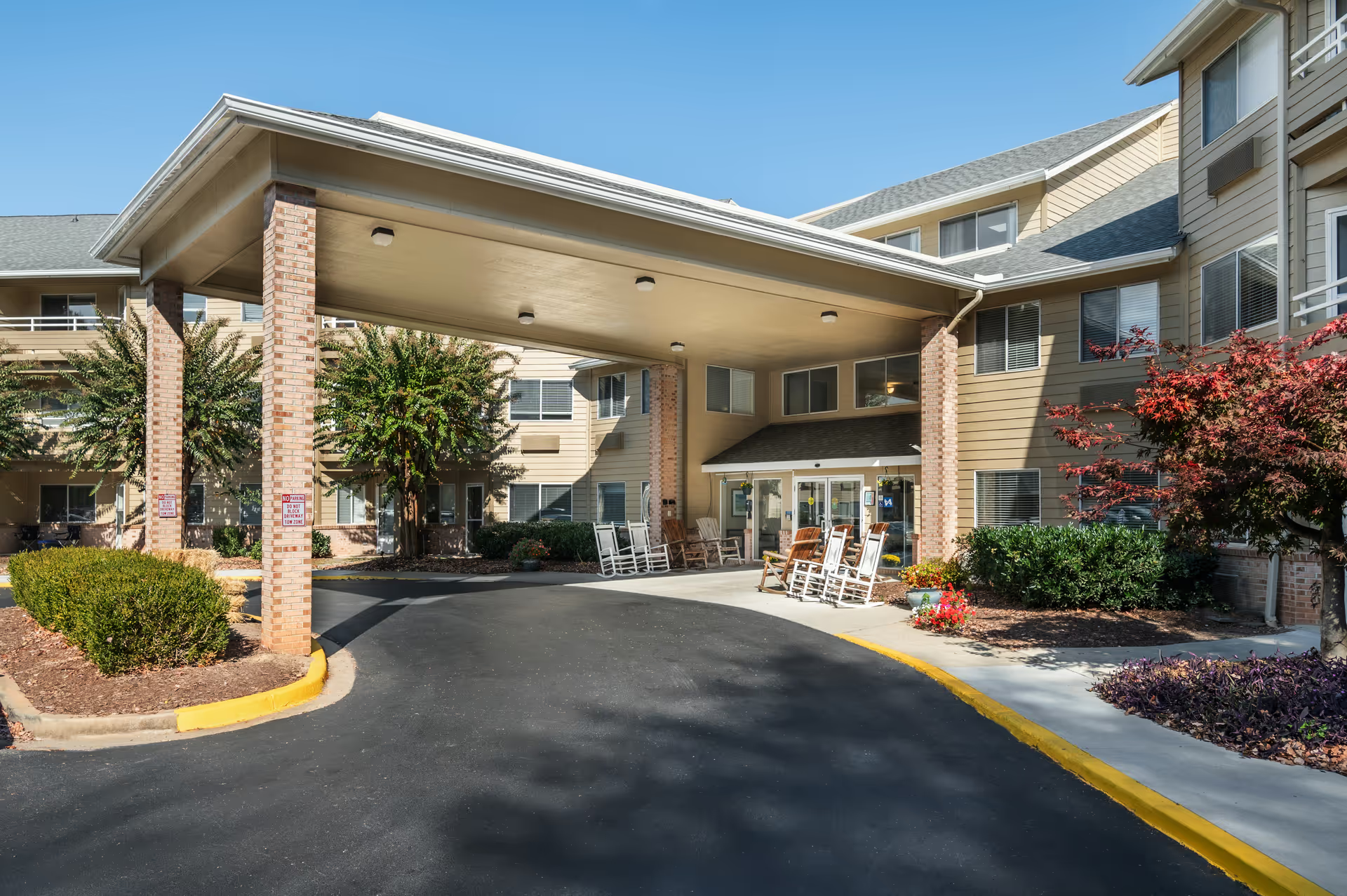
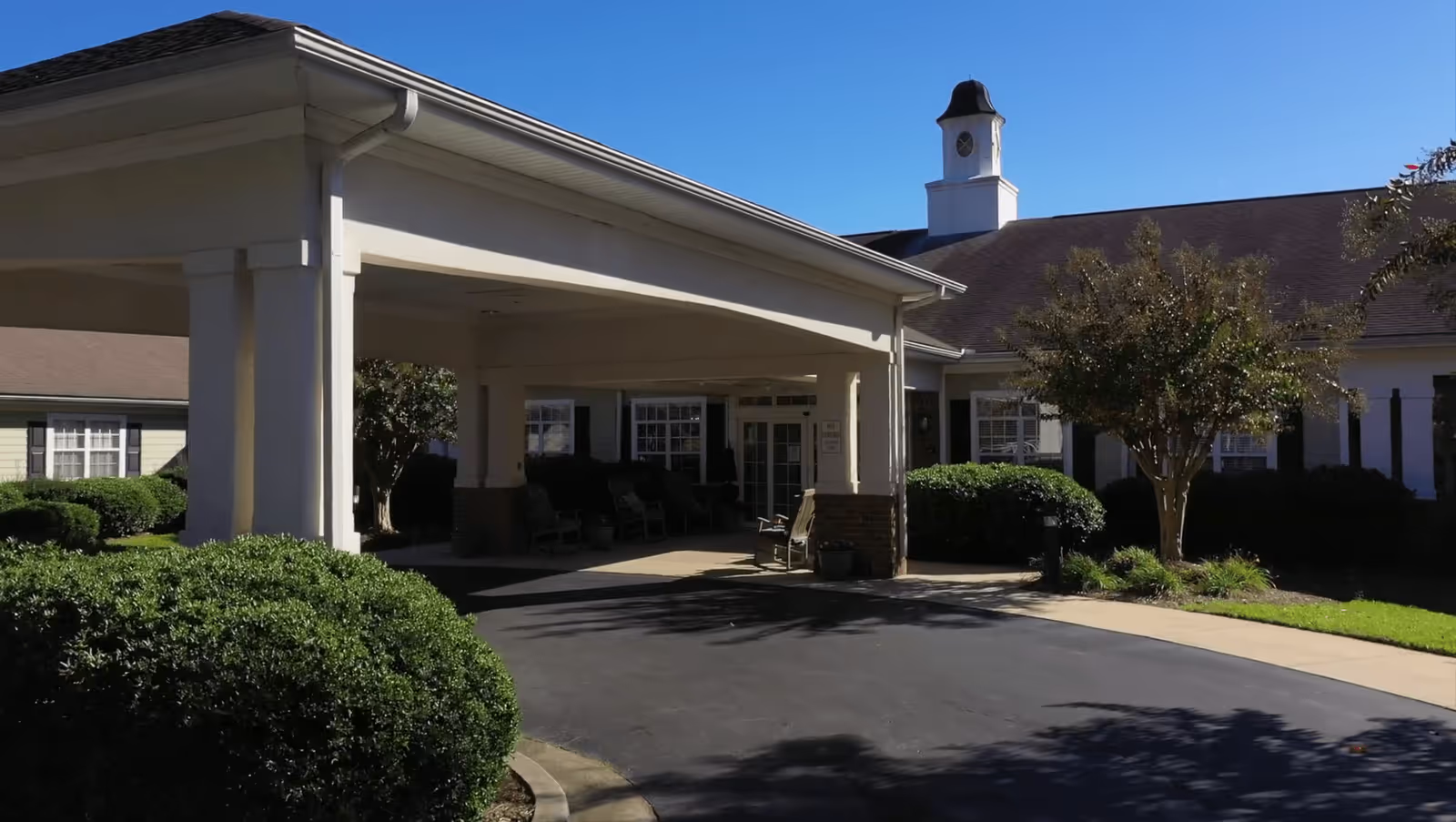
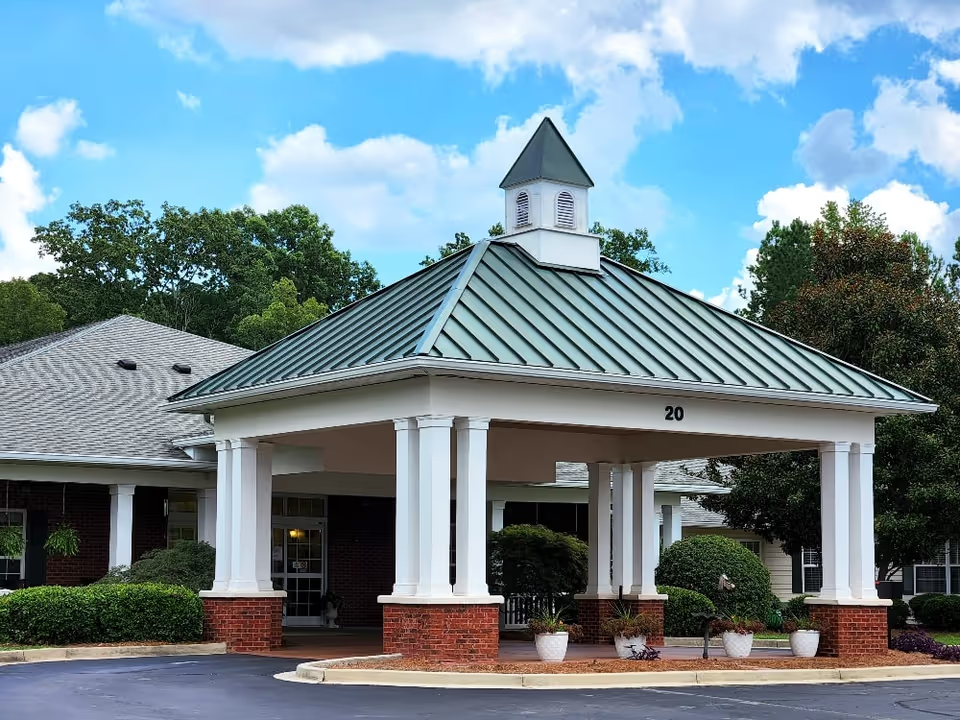
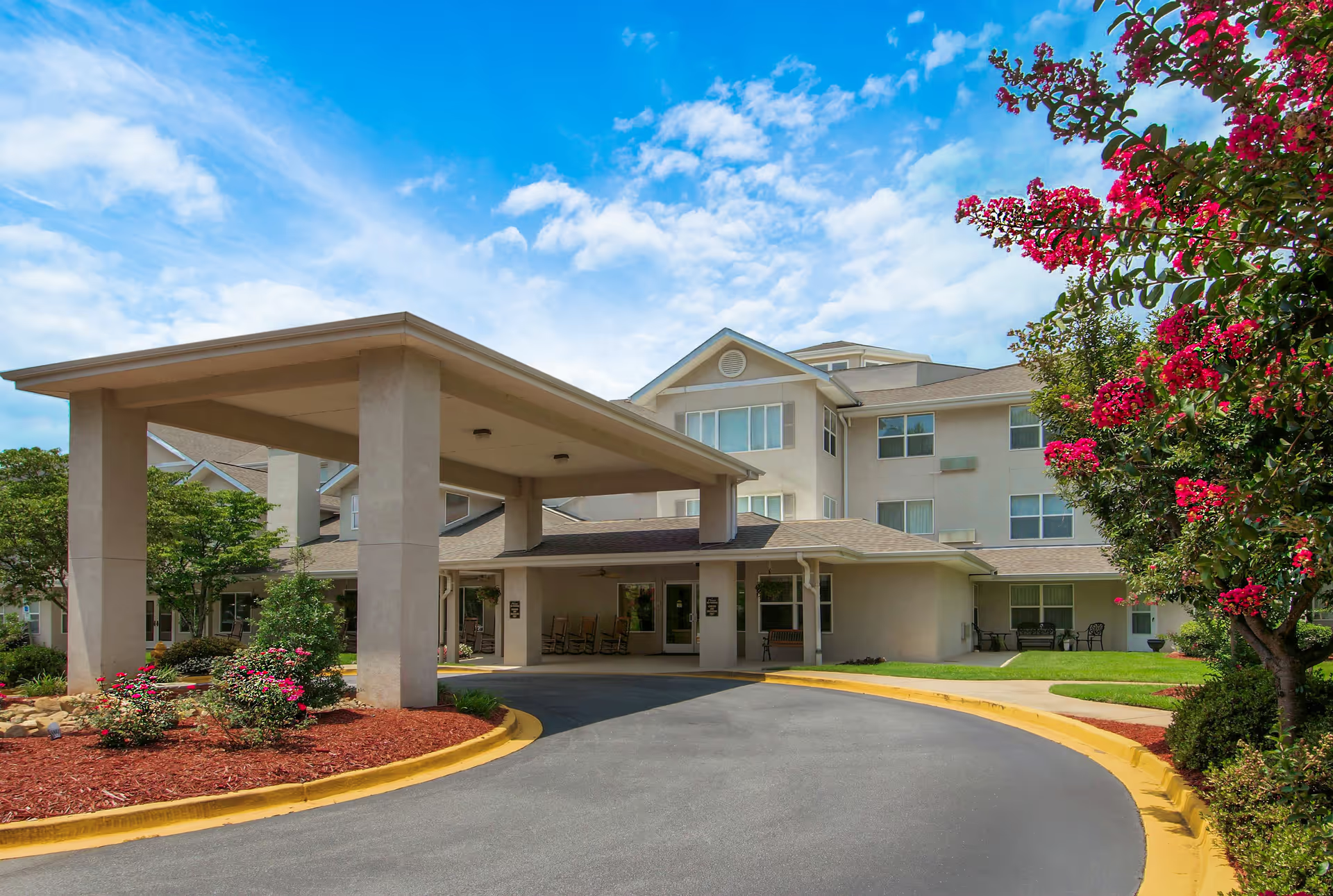
Facilities and maintenance: The building is consistently described as older with small rooms and an outdated appearance. While many note that rooms are kept clean daily and common areas are pleasant (including a patio and scenic setting), there are also reports of localized odor concerns, sanitation issues, and maintenance problems such as a broken alarm/alert system and bathroom fixtures that do not fit. These physical-plant issues contribute to perceptions of diminished safety or comfort for some families.
Management and safety patterns: Reviewer comments raise facility-level concerns about care coordination, communication with families, and certain safety practices. Examples include missed or delayed dialysis and medication scheduling problems, lack of timely family notification during transitions, and descriptions suggesting lapses in infection-control and food-safety oversight. One review referenced external attention (an ombudsman inquiry and multiple complaints), indicating that some concerns have escalated beyond individual grievances. Several reviewers urged prospective families to ask detailed questions about staffing, wound care protocols, alarm systems, and discharge procedures.
Overall impression and guidance: River Falls Post-Acute appears to offer strong rehabilitative services, a warm social environment, and many committed caregivers, but it also exhibits persistent operational weaknesses—particularly around staffing consistency, clinical coordination, documentation, and facility maintenance—that could affect resident safety and satisfaction. Prospective residents and families should weigh therapy and activity strengths against these operational concerns. Recommended steps before placement include an on-site visit, specific inquiries about staffing ratios and shift handoffs, review of wound-care and medication-administration protocols, confirmation of alarm and emergency systems, and discussion of infection-control and food-safety practices.