McCormick Post-Acute elicits strongly polarized impressions. Many reviews praise the facility for compassionate bedside care, attentive hospice support, and a therapy program that helped residents return home. At the same time, there are numerous operational concerns that recur across reviews—most notably inconsistent communication with families and uneven execution of routine care tasks.
Care quality is described with two distinct themes. On the positive side, several reviewers highlight highly engaged, empathetic staff who provided meaningful emotional support during end-of-life situations, and therapy teams that delivered measurable rehabilitation gains. Night staff and individual caregivers received specific commendations for personal attention and responsiveness when present. Conversely, other families describe delays in attending to basic needs, inconsistent repositioning for immobile residents, and concerns about medication timing and administration. There are also serious mentions—framed as allegations in some accounts—about inappropriate staff conduct; such claims are significant and warrant verification with the provider and regulators as part of any decision-making process.
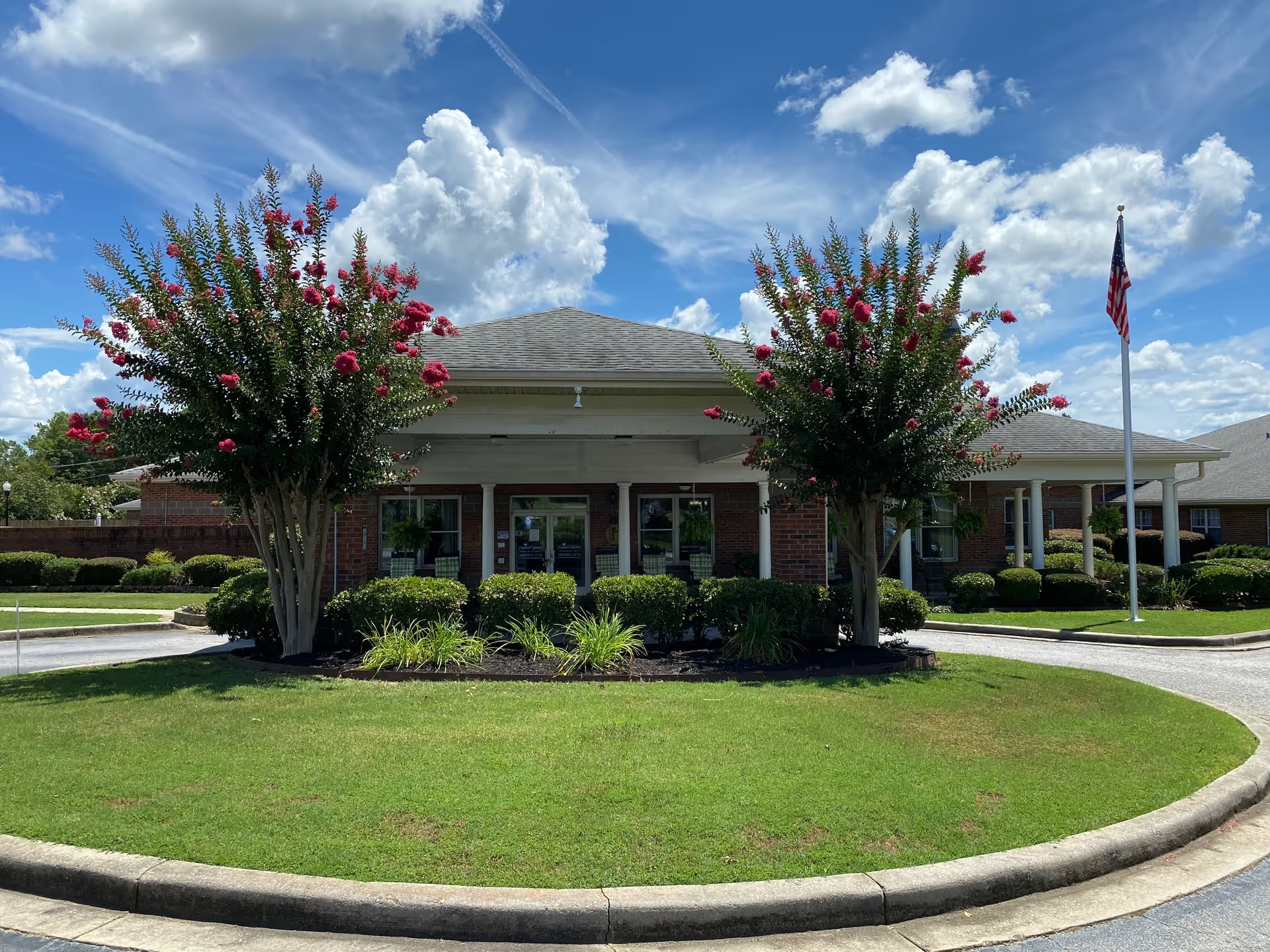
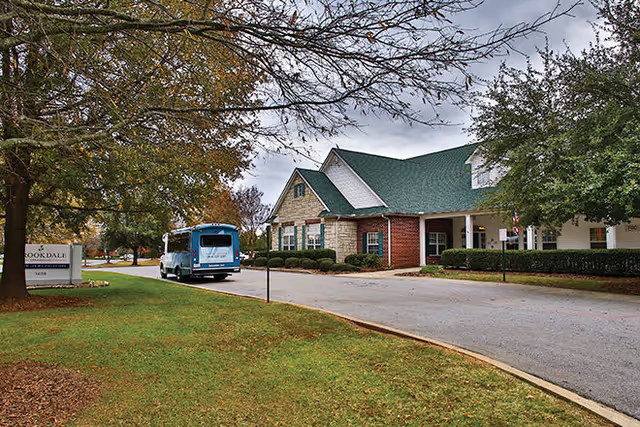
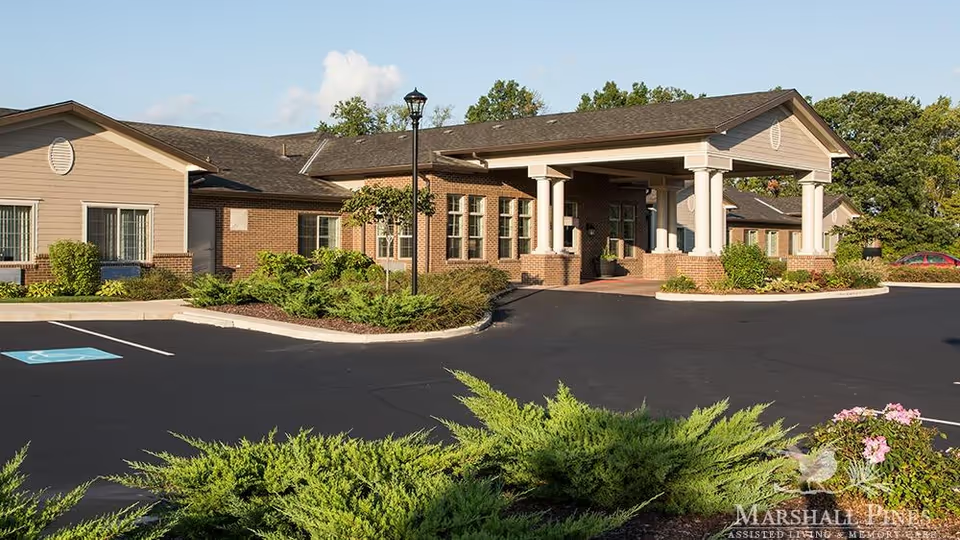
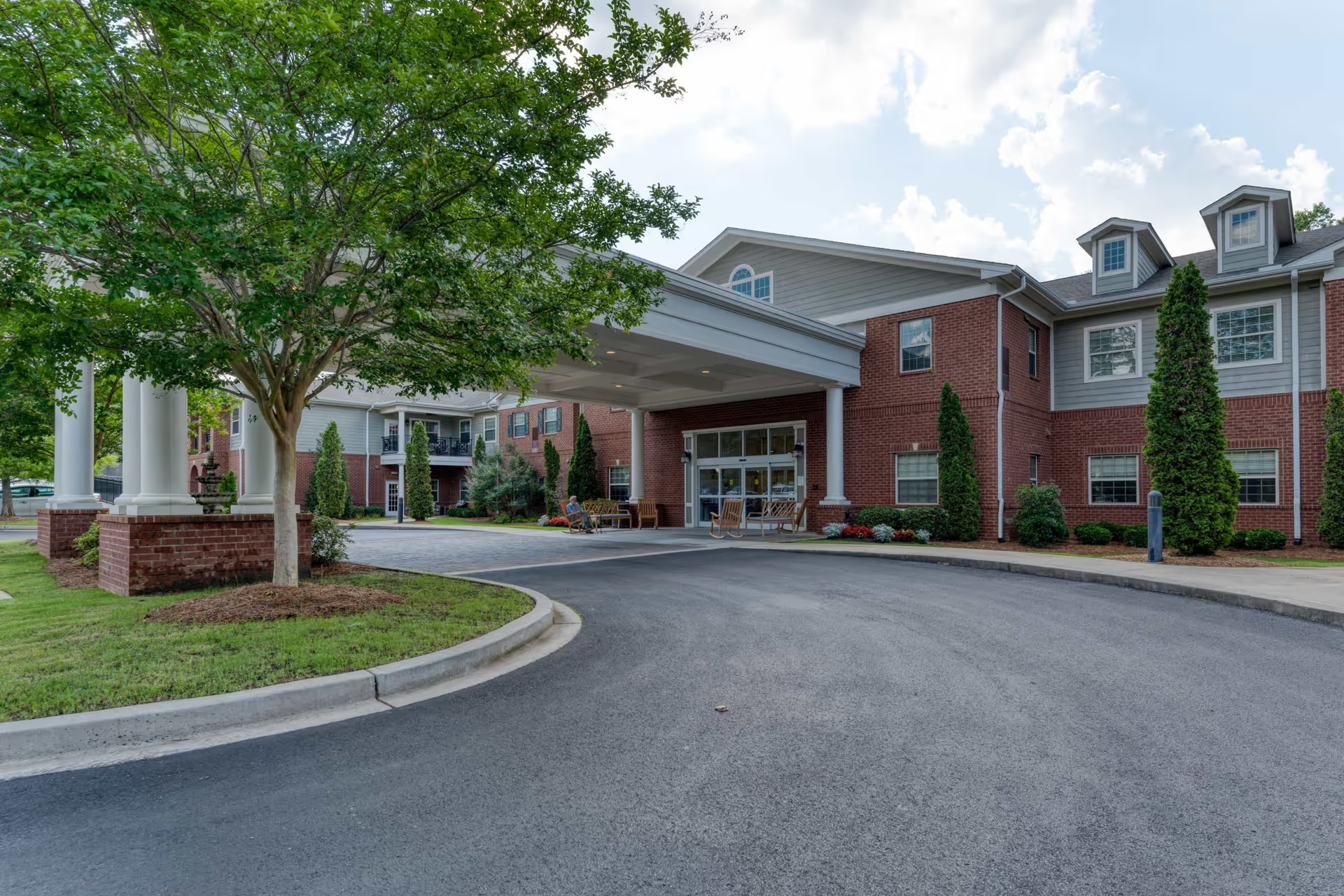
Facility condition and programming are similarly mixed. The campus is often described as newer with attractive common areas and generally clean resident rooms; social activities such as group games are noted and some visitors observed a welcoming reception environment. However, several reviews cite sanitation and odor concerns in specific areas and inconsistent cleaning between visits or shifts. Safety and equipment needs were raised as operational gaps in certain cases—examples include missing bed rails, absent recliner chairs, or restrictive mobility-device policies that affected resident comfort and independence.
Management and communications emerge as a consistent pattern of concern. Multiple reviewers report difficulty reaching staff by phone, long waits for callbacks, and administrative unresponsiveness. These breakdowns in communication complicated family oversight, discharge coordination, and resolution of care concerns. At the same time, when administrative staff were accessible they were described as cooperative and helpful, indicating variability rather than uniform dysfunction.
For prospective residents and families: McCormick Post-Acute demonstrates clear strengths in individualized compassionate caregiving, hospice support, and rehabilitation services, but also shows recurring operational weaknesses in communication, direct-care consistency, and certain aspects of facility maintenance and safety accommodations. Visitors evaluating the facility should ask specific questions about phone/communication protocols, staffing ratios and shift handoffs, medication administration procedures, incontinence and bathing schedules, availability of safety and mobility equipment, and how allegations or concerns are investigated and resolved. Direct observation of current unit cleanliness and a conversation with therapy and nursing leadership are advisable to confirm whether recent positive reports or the cited operational issues best reflect present practice.