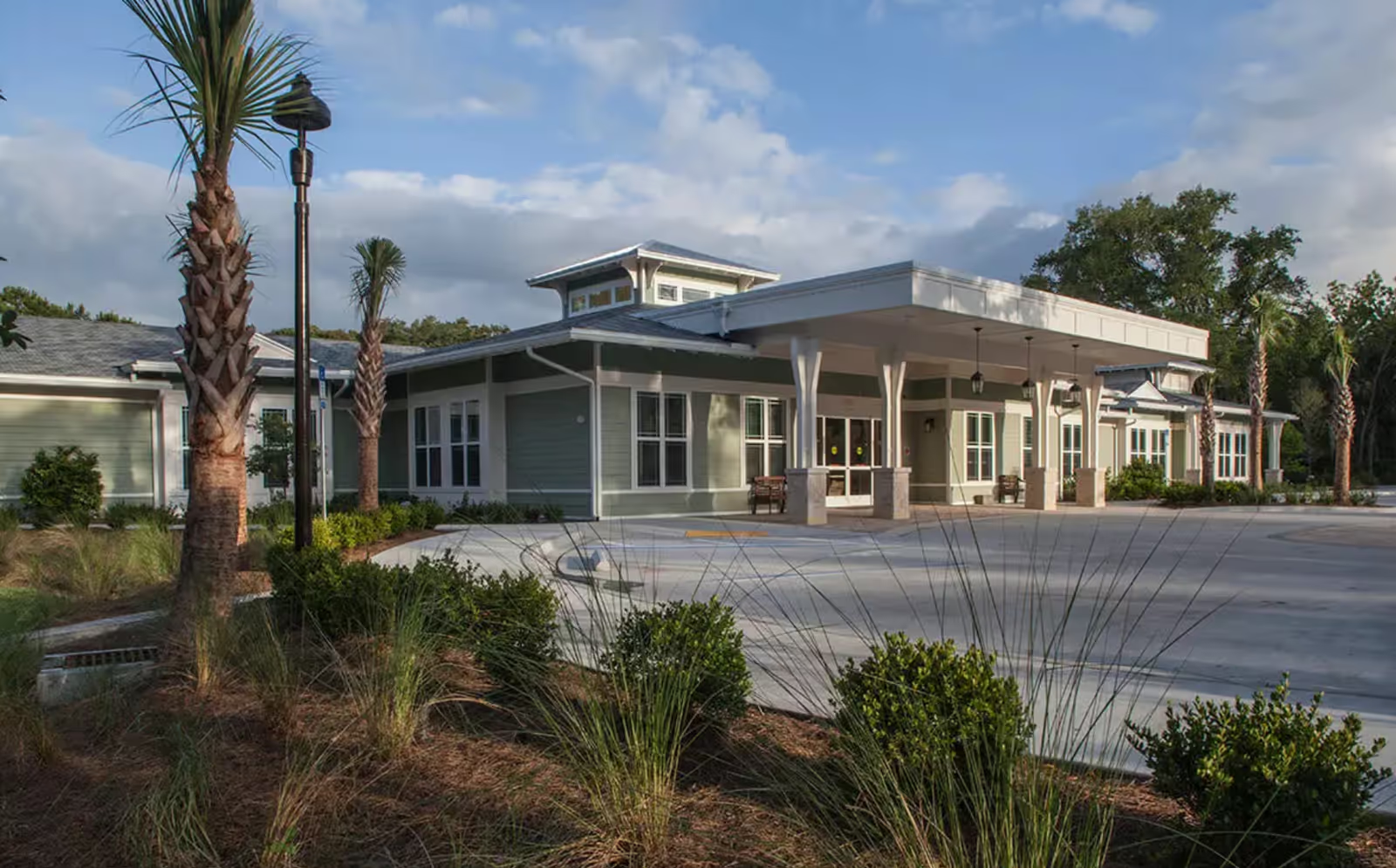
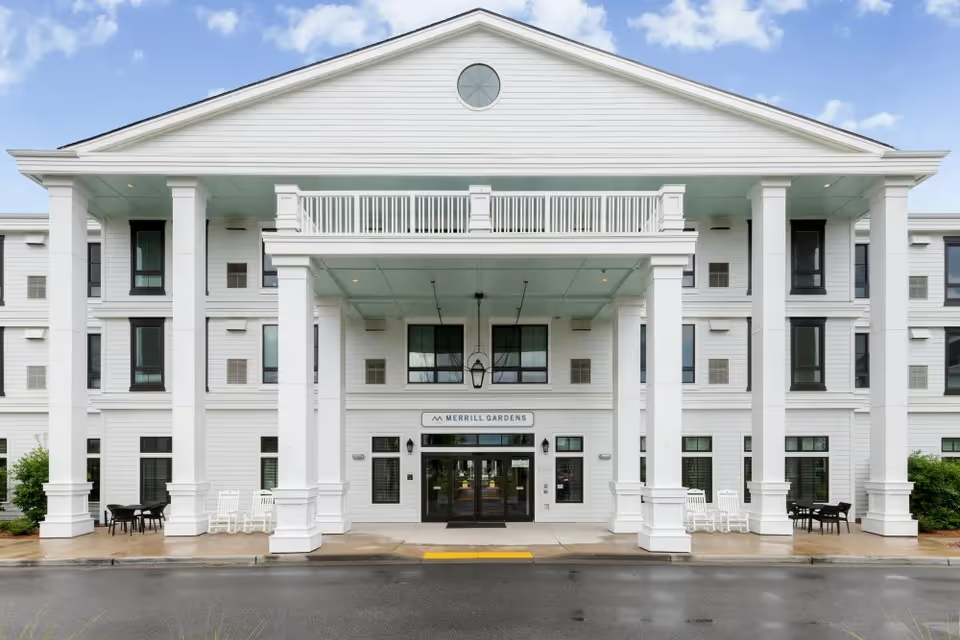
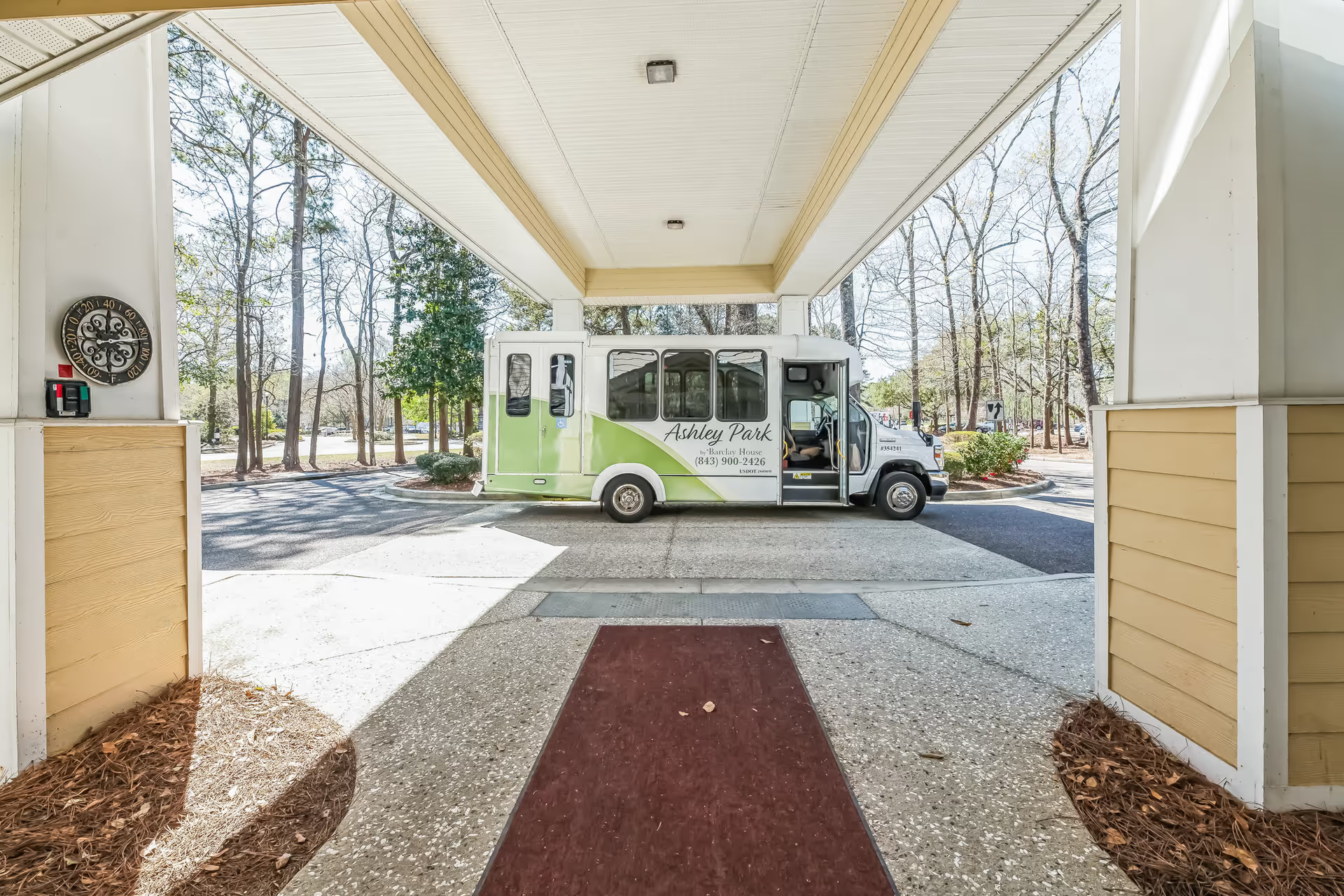
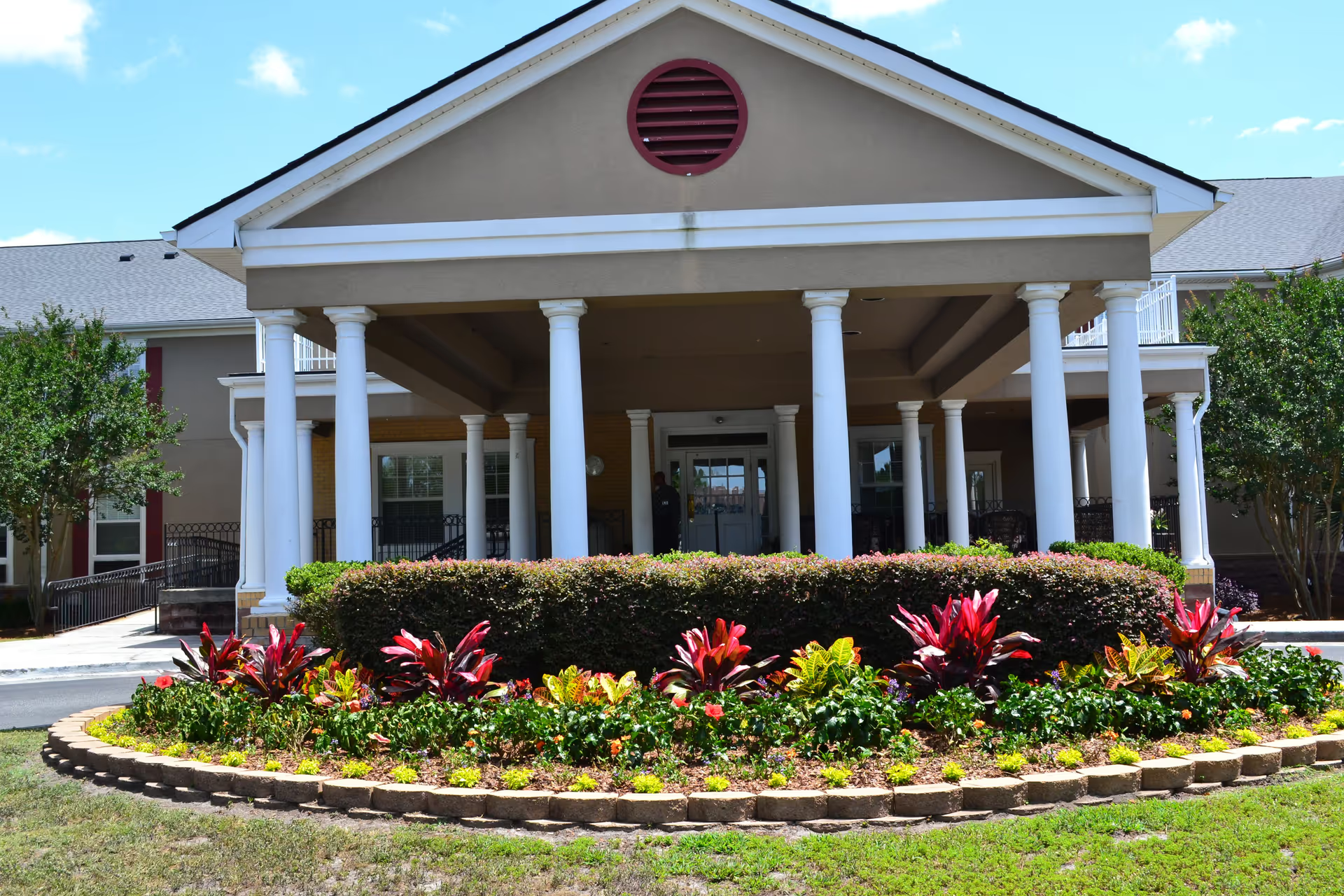
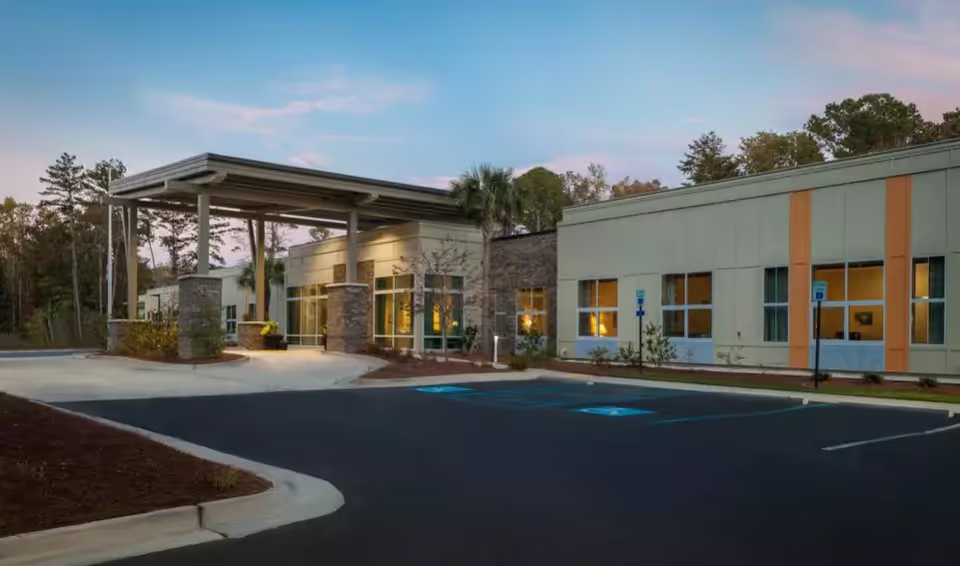
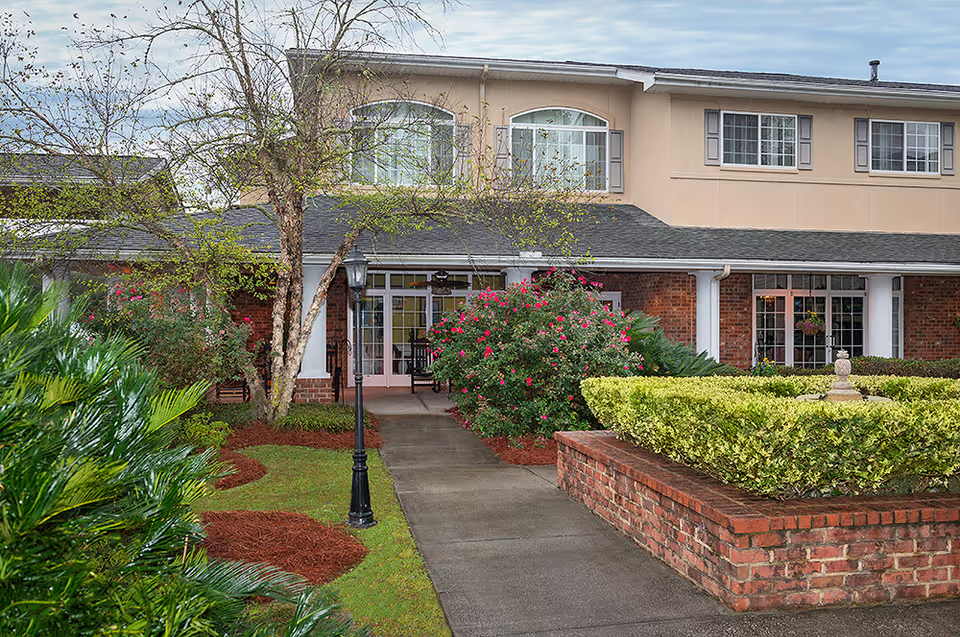
Franke at Seaside is described across reviews as a campus with strong physical assets and a broad continuum of care. Positive notes cluster around attractive grounds and updated common areas, multiple dining venues, private apartment options, indoor pool and fitness facilities, and a robust activities program that includes artistic classes, music, religious services, and social clubs. Reviewers also frequently highlight on-site rehabilitation services (PT/OT), weekly housekeeping, convenient parking and proximity to shopping and restaurants, and pet-friendly policies. Many families and residents characterize the community atmosphere as active and intellectually stimulating.
Clinical care and staff performance emerge as mixed. Several accounts describe coordinated, team-based clinical care with skilled therapists and attentive nursing that produced measurable health improvements. At the same time, a number of reviews describe inconsistent caregiving—variability in staff compassion and responsiveness, gaps in medication administration and daily documentation, and failures in follow-through on clinical concerns. There are repeated references to high staff turnover and abrupt personnel changes that appear to affect continuity of care and resident–staff relationships. Specific patterns inferred include delays in response to clinical changes, lapses in incontinence-care processes, and instances where rehabilitation plans or physician follow-up were not sustained.
Dining and activities are frequently cited strengths. Many reviewers praise the food as restaurant-quality and appreciate multiple dining options, a buffet-style service in some venues, and flexible meal plans. Conversely, other reviews note inconsistency in food quality and timing (including limited meal frequency in some cases), so dining experience can vary depending on venue and shift. Activities programming is consistently described as abundant and varied, with classes, musical performances, exercise groups, and social clubs that contribute to an engaged resident community.
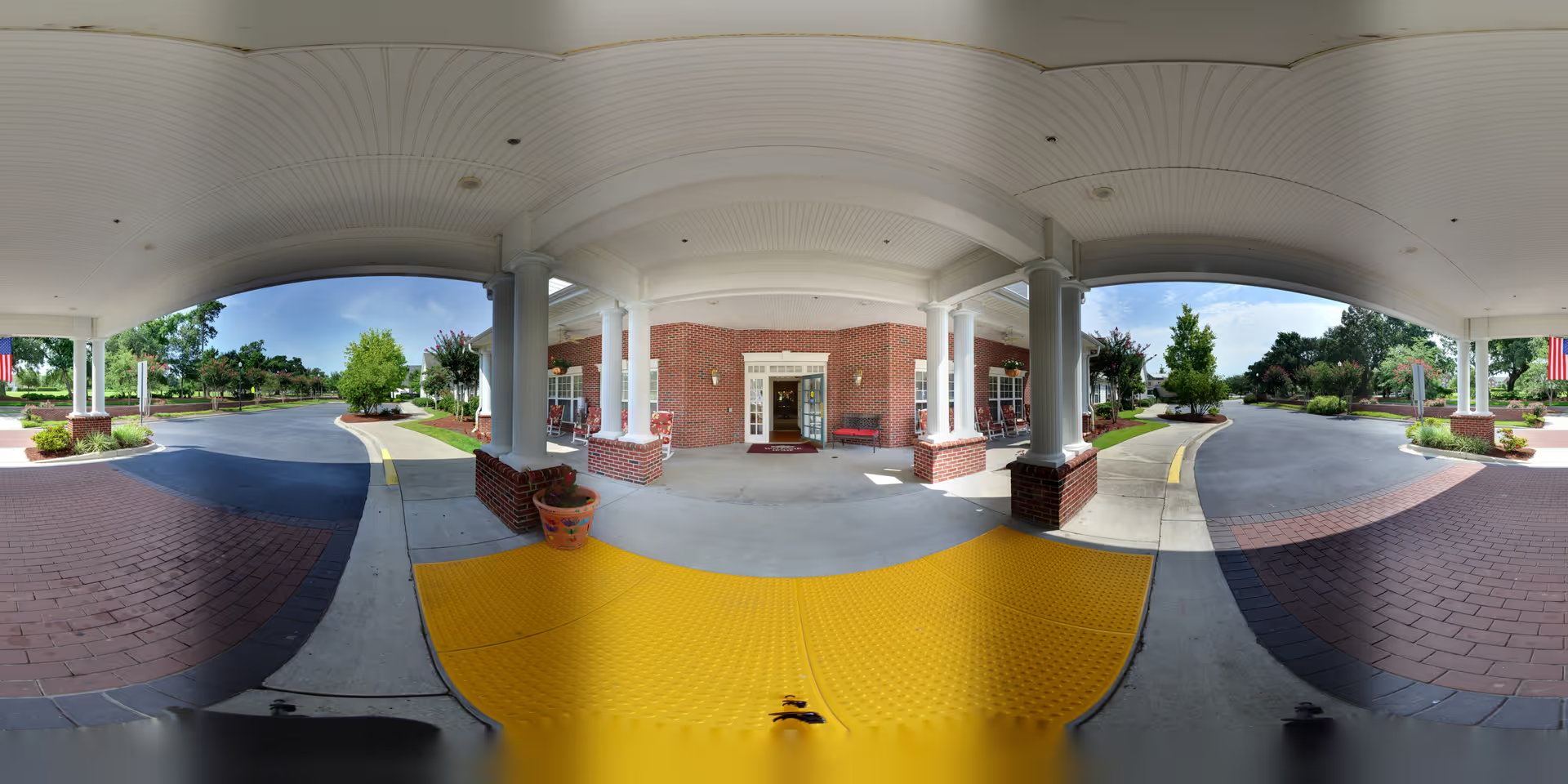
Facility maintenance and cleanliness receive generally favorable comments about well-kept grounds and attractive dining and common areas, but there are isolated sanitation concerns and descriptions of dated rooms or entrance areas. Memory-care and assisted-living areas drew particular attention: some reviewers found those units cheerful and well-run, while others described inadequate dementia-specific training and environmental barriers (for example, accessibility issues in certain bathrooms). Rehabilitation services and therapy staff are often praised, yet there are also reports of inconsistent therapy follow-through.
Management and operations present a mixed picture. Positive experiences include attentive front-line staff and effective programming. Negative themes include perceived lack of responsiveness from management or HR, payroll and administrative communication problems, and decisions by corporate leadership that disrupted local staffing. There are also allegations concerning staff conduct and resident rights in a limited number of accounts; these are serious enough to warrant inquiry but are characterized here as concerns rather than proven systemic findings.
Taken together, the reviews portray Franke at Seaside as a community with many strong amenities and active programming, capable clinical teams, and attractive living spaces, paired with operational challenges that appear to be concentrated in staffing stability, medication and documentation practices, and certain aspects of personal care and management communication. Prospective residents and families would benefit from tours that include observation of mealtime service, questions about staffing ratios and turnover, review of medication-administration and incident-reporting protocols, and direct discussion of memory-care staffing and training to evaluate how well the facility’s strengths align with individual care needs.