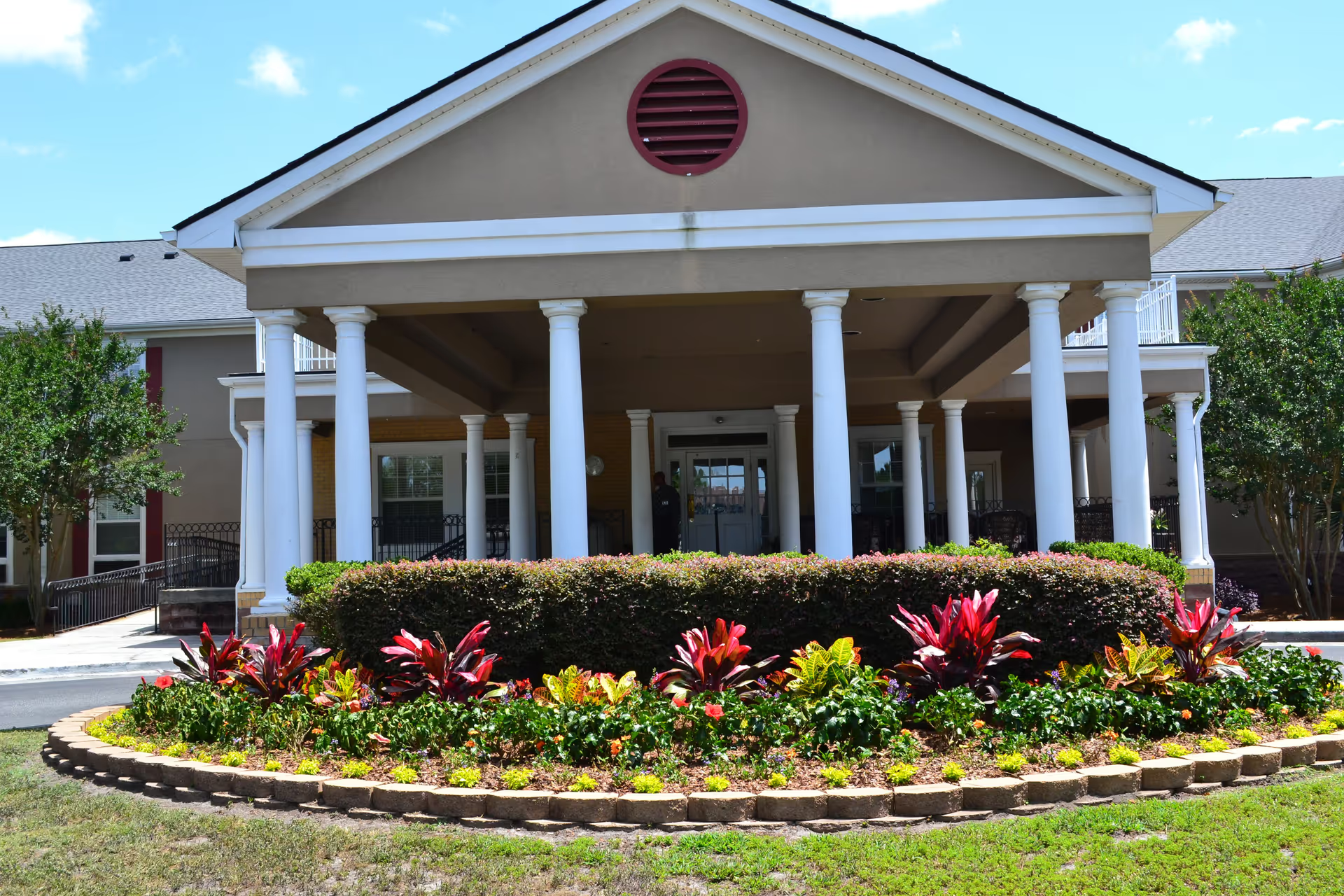
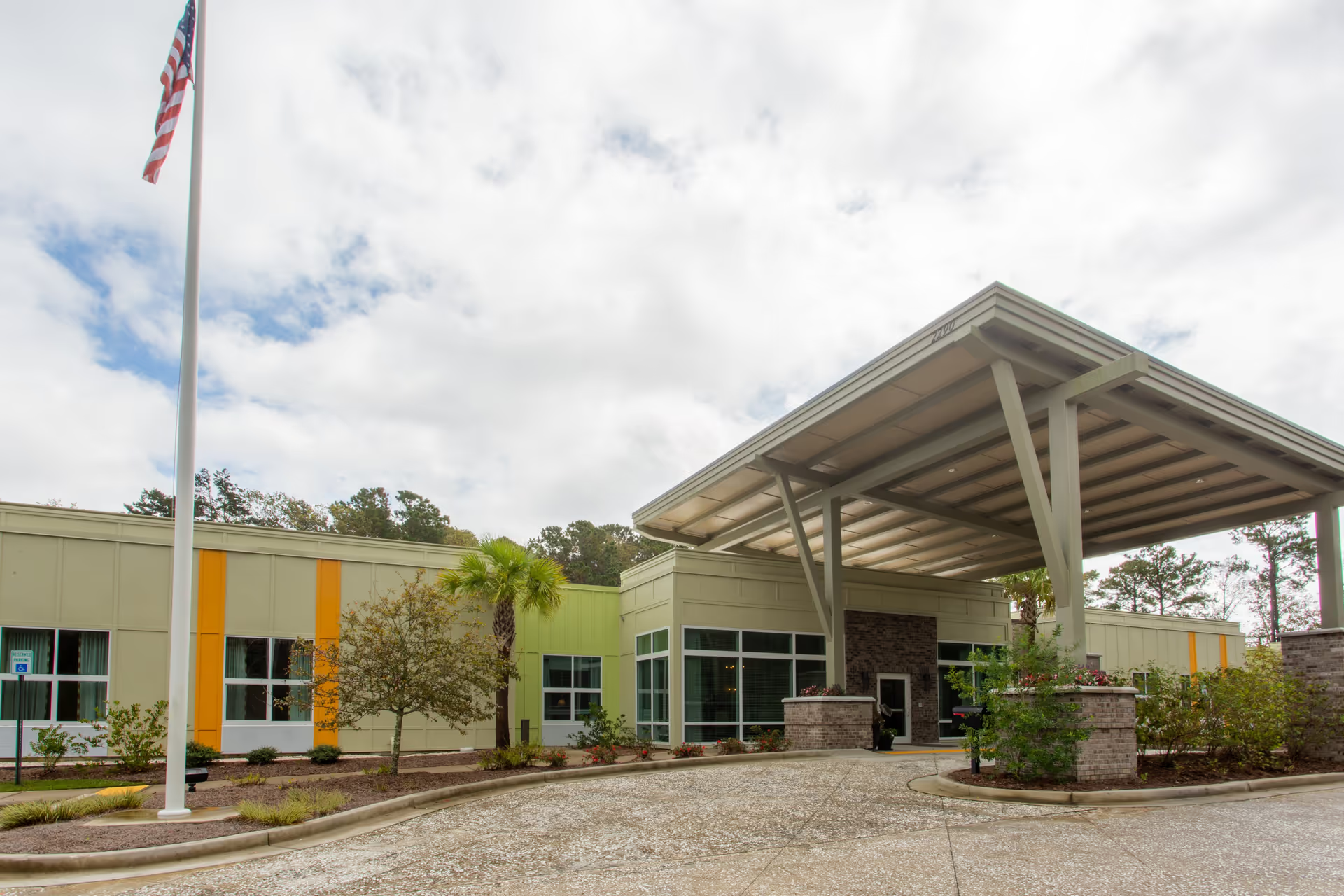
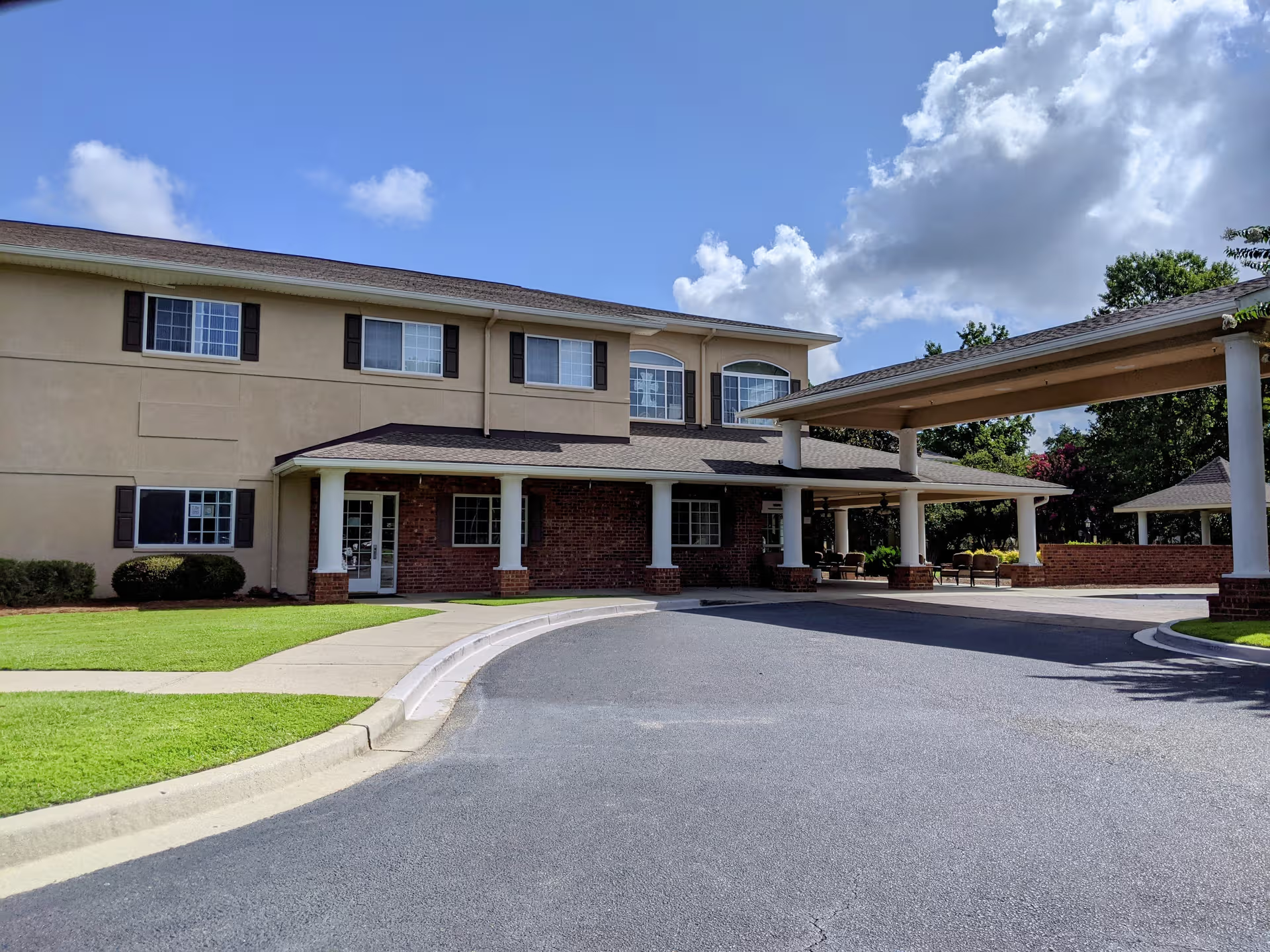
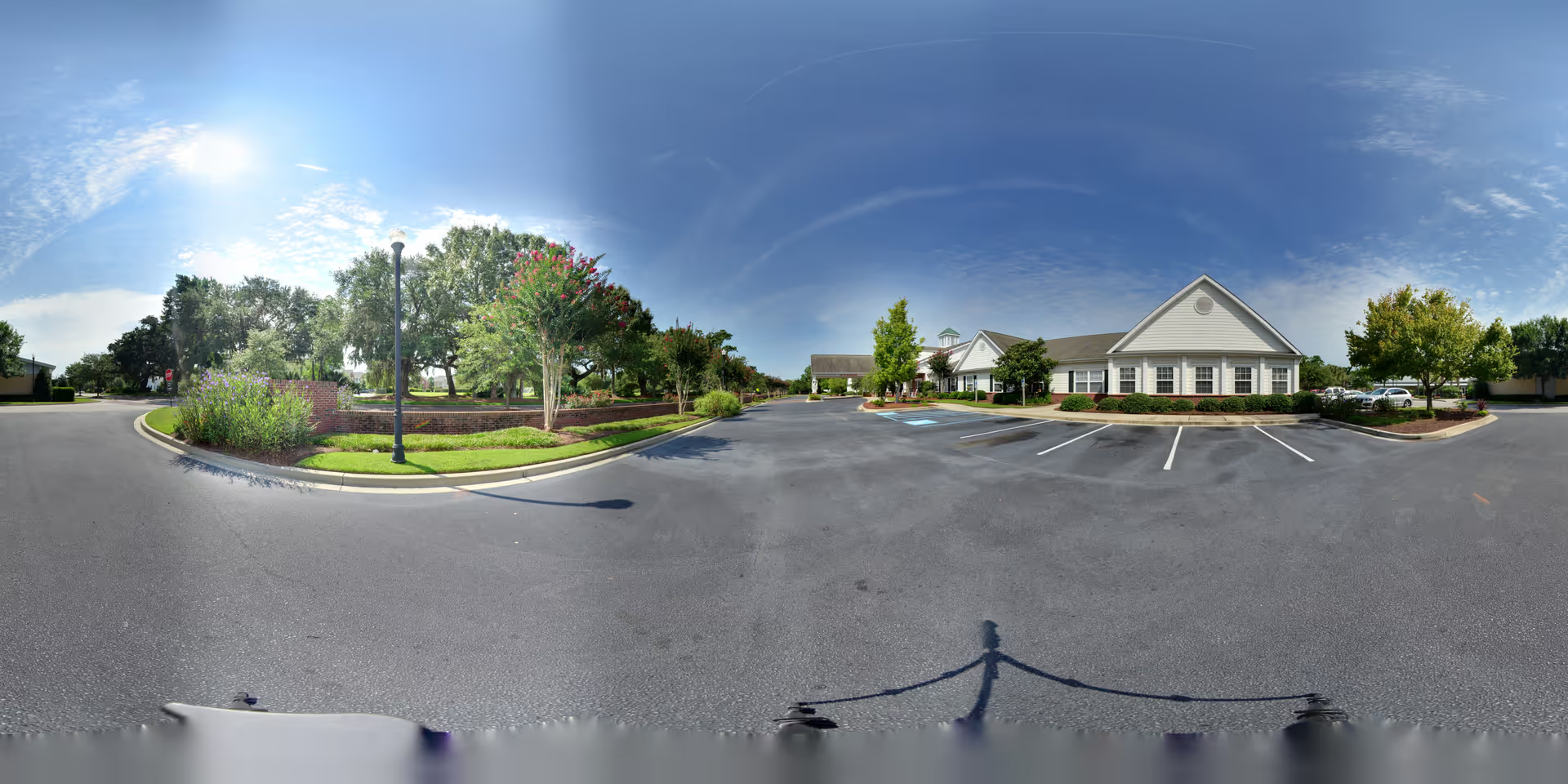
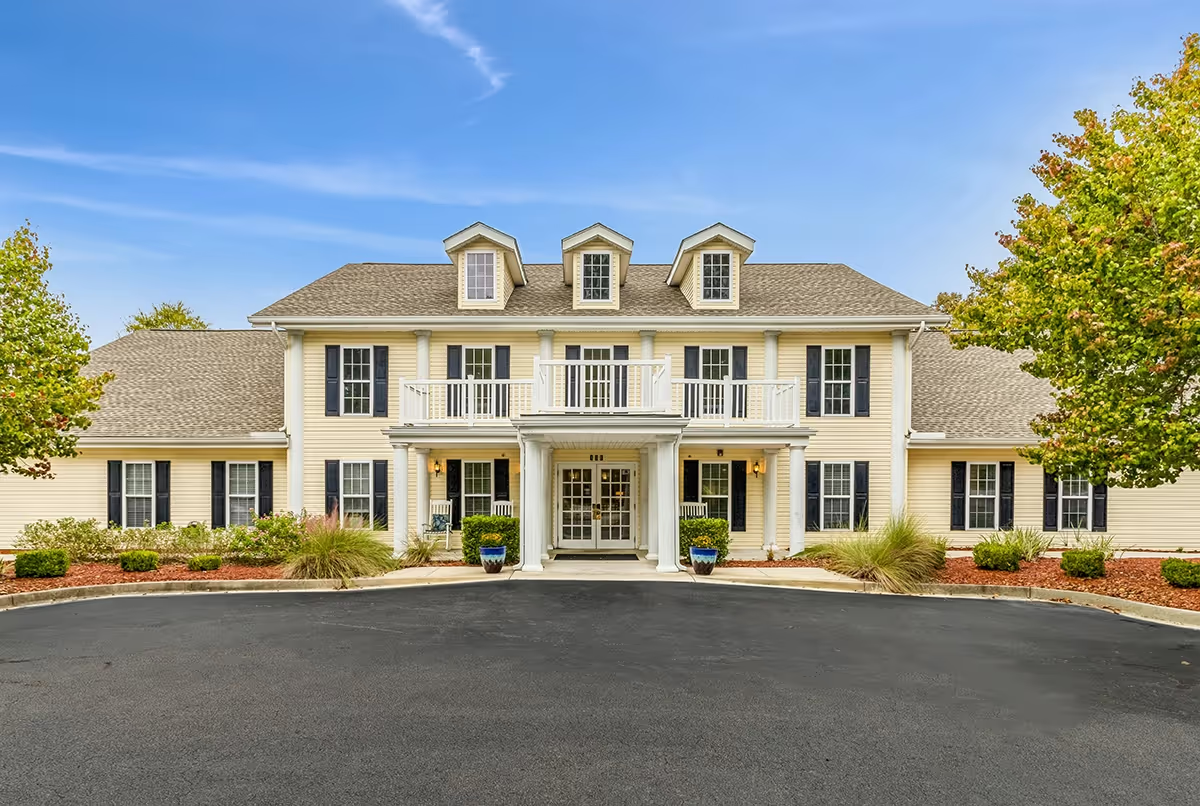
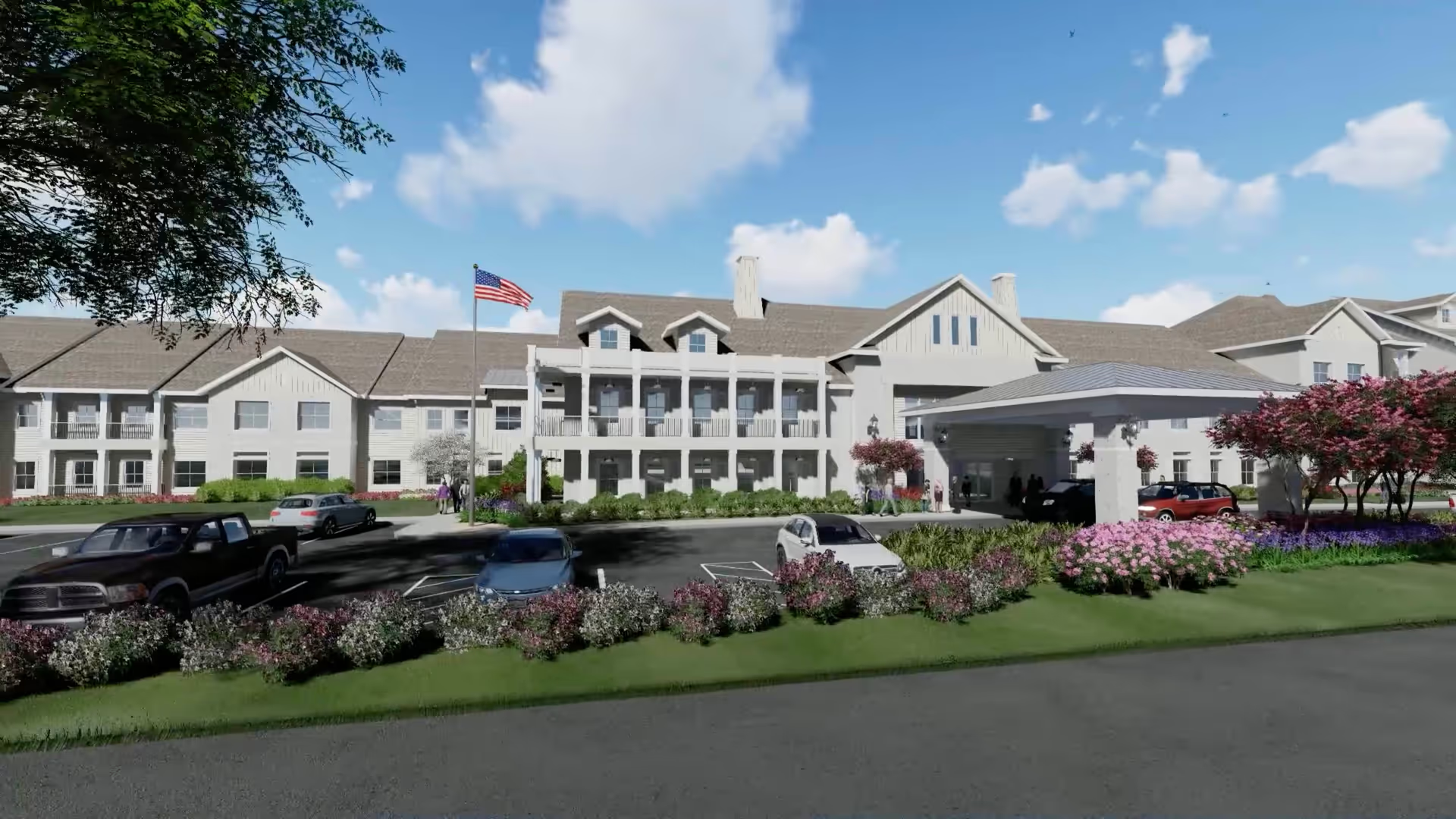
The Marsh at North Charleston receives consistent praise for the quality of hands-on care and the demeanor of its caregiving team. Many families describe staff as compassionate, attentive and willing to go beyond routine duties; several accounts emphasize stability of personnel and low turnover, which families link to continuity of care. Residents are generally described as comfortable, engaged and treated with respect, and the facility's overall atmosphere is characterized as home-like.
Activity and therapy offerings are noted as strengths. Reviewers mention a range of social programming and organized activities that encourage participation, and families report access to on-site physical therapy and rehabilitation when needed. Dining is likewise viewed positively by many families: meals are described as acceptable to residents and supportive of good intake. Common areas and general housekeeping receive favorable comments about cleanliness and upkeep.
At an operational level, the facility's management and direct-care supervision draw mixed feedback. Several families praise a supportive and involved management team that provides emotional support and regular communication; others describe variability in executive responsiveness, with specific instances of delayed return calls or limited accessibility. This inconsistency in leadership communication contributes to frustration during transitions or incidents.
Areas for improvement flagged across reviews involve sanitation workflows, personal-property security, and incident-response processes. Some reviewers reported issues with laundry handling and incontinence-care timeliness, indicating opportunities to strengthen linen management and routine care protocols. There is also at least one account describing an alleged theft of a personal item, which points to a need for clearer personal-property safeguards and investigative follow-through. In addition, families expect faster, more transparent responses when adverse events occur; enhancing clinical-incident response procedures and family notification practices would address these concerns.
In summary, The Marsh at North Charleston appears to offer compassionate, resident-centered care with engaging activities, on-site therapy, and a generally clean environment. Prospective residents and families should weigh these strengths against operational weaknesses that some families have experienced—particularly around laundry/incontinence management, personal-property protection, and executive-level responsiveness—and discuss these specific topics during tours and admission conversations to set clear expectations and remediation plans where needed.