The Pearl at Five Forks is a dedicated memory-care community that receives predominantly positive feedback for its dementia-focused approach, welcoming atmosphere, and caring staff. Families often describe staff as kind, knowledgeable, and familiar with residents’ preferences and routines. Several also value the continuity of key team members and the facility’s willingness to involve relatives in care decisions. One family, however, described uneven responsiveness and concerns about staff interactions, while others identified staffing coverage as less consistent on weekends and evenings.
Care experiences are not uniform. Many families report that residents are comfortable, socially engaged, and well supported, and some describe improvement after moving from another setting. Other accounts point to inconsistent bathing and grooming, uneven housekeeping in rooms and bathrooms, and laundry or personal-item tracking difficulties. A family also described a serious decline after medication changes and hospitalization, with concerns about clinical oversight and the management response; the family attributed the decline to medication, but the review does not establish causation. Other feedback supports the value of clear communication and collaborative care planning, while identifying opportunities for more regular care-plan meetings and more proactive prevention planning.
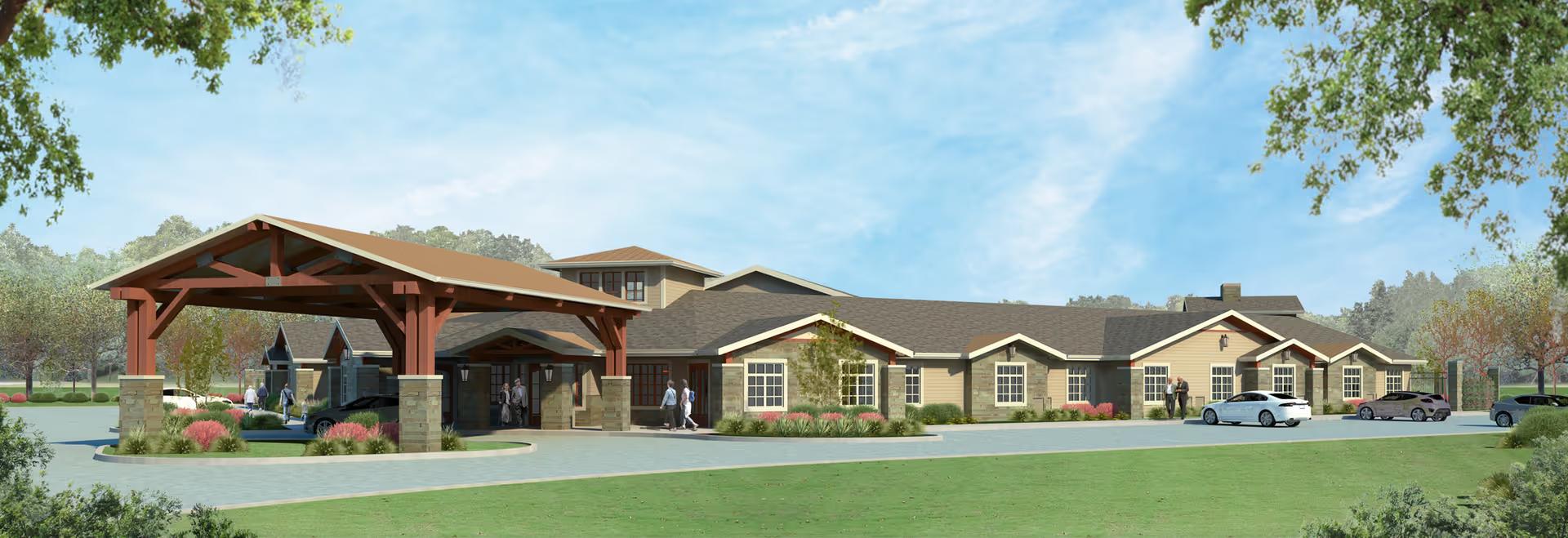
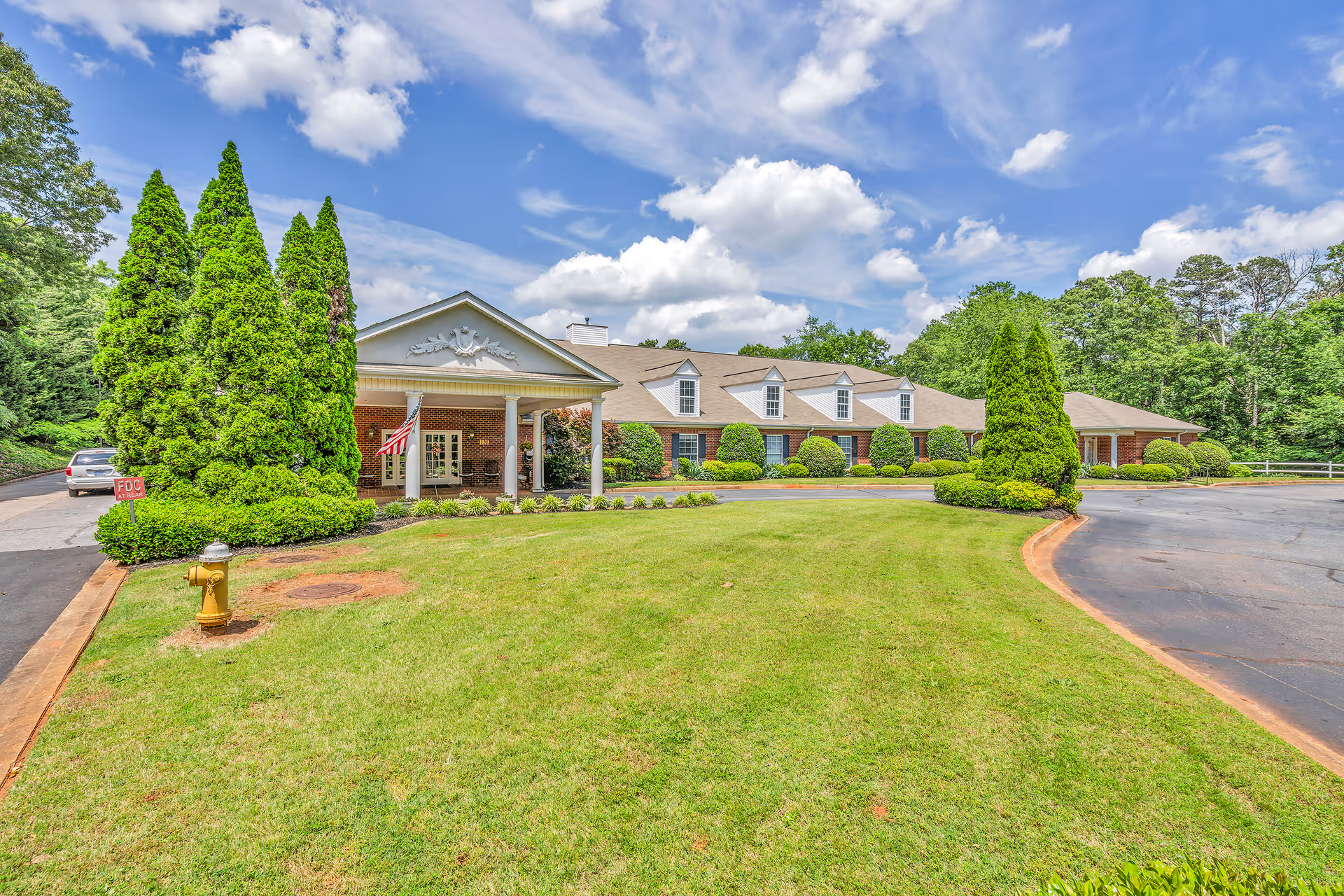
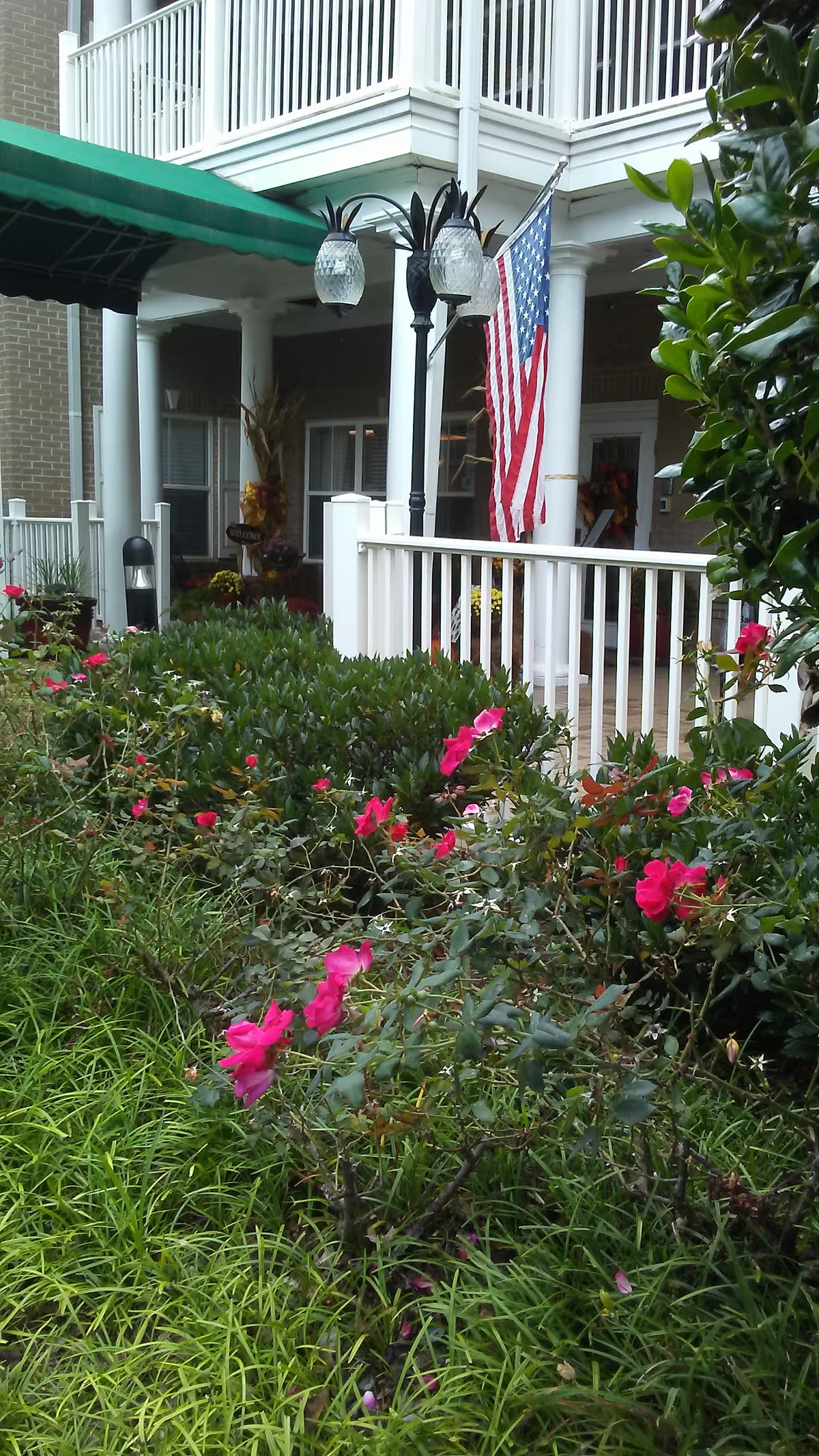
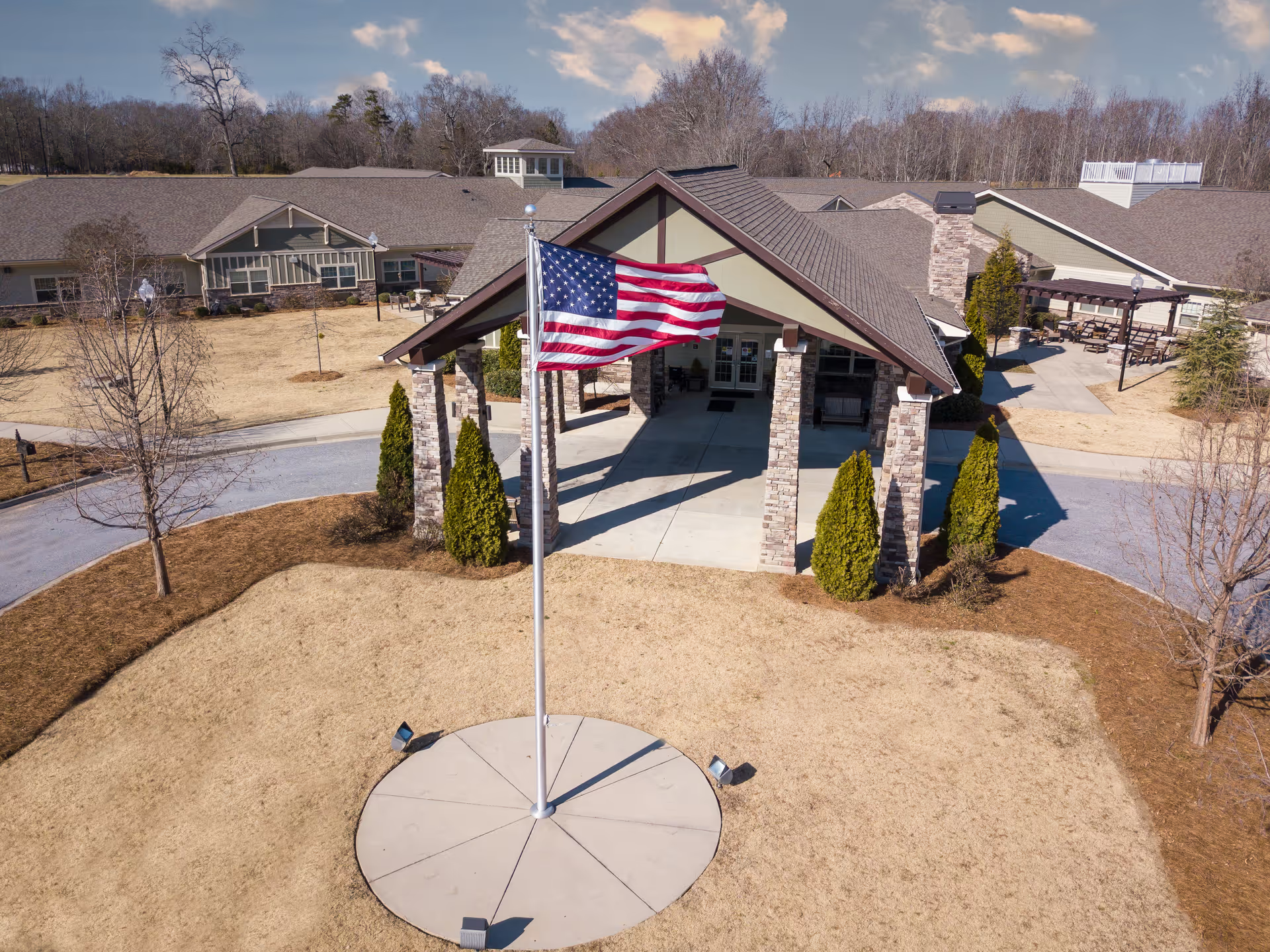
The building is commonly described as attractive, secure, clean, and thoughtfully laid out, with individual rooms, private bathrooms, indoor walking areas, and a courtyard or garden. Activity feedback is generally favorable: families mention live music, crafts, outings, pet visits, school visits, and staff efforts to help residents participate. One visitor felt activities could better reflect residents’ individual interests. Dining feedback is mixed: several families praise the food, while one found a meal bland; not every reviewer had firsthand experience with dining.
Tours and intake interactions are frequently described as welcoming, informative, and transparent. Families appreciate staff availability and practical help navigating placement, though early care transitions have required communication and adjustment for at least one family. The community may also coordinate certain rehabilitation services after hospitalization, but it is not suitable for every level of medical need; at least one family was advised that skilled nursing would be a better fit. Overall, feedback suggests a strong memory-care environment for many residents, with staffing consistency, personal-care routines, clinical coordination, and individualized service quality worth exploring directly during a visit.