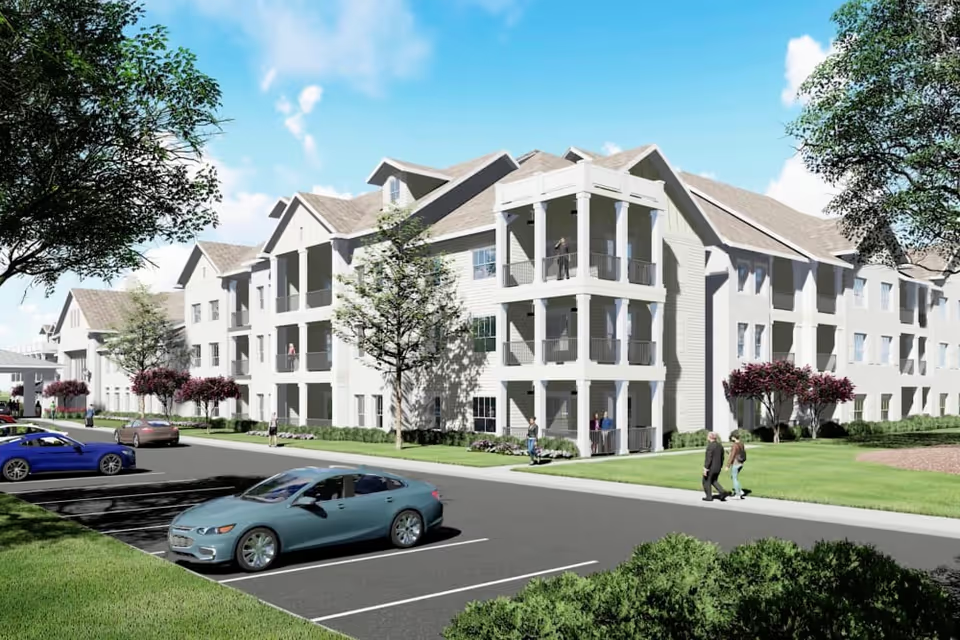
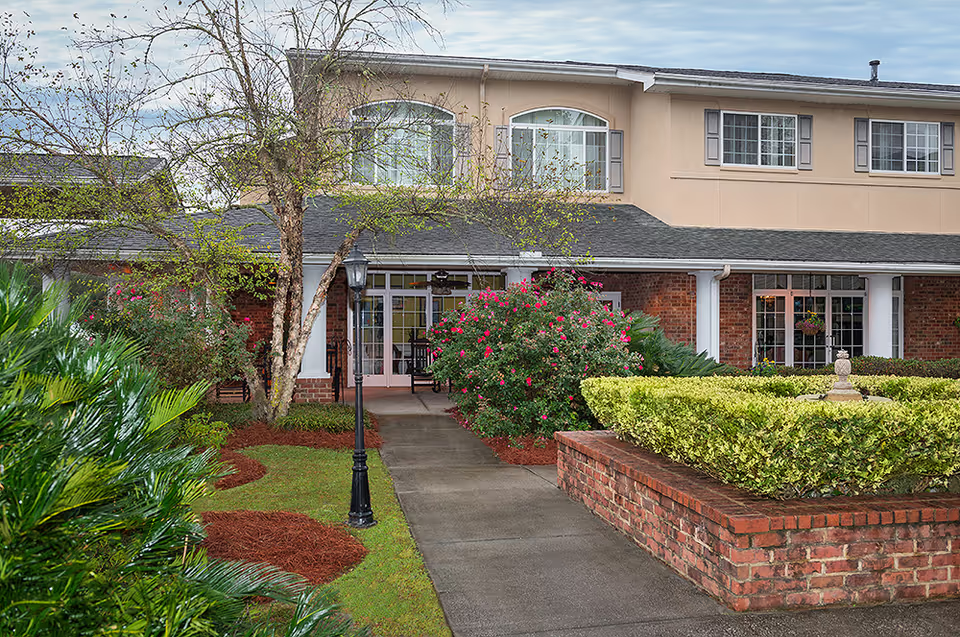
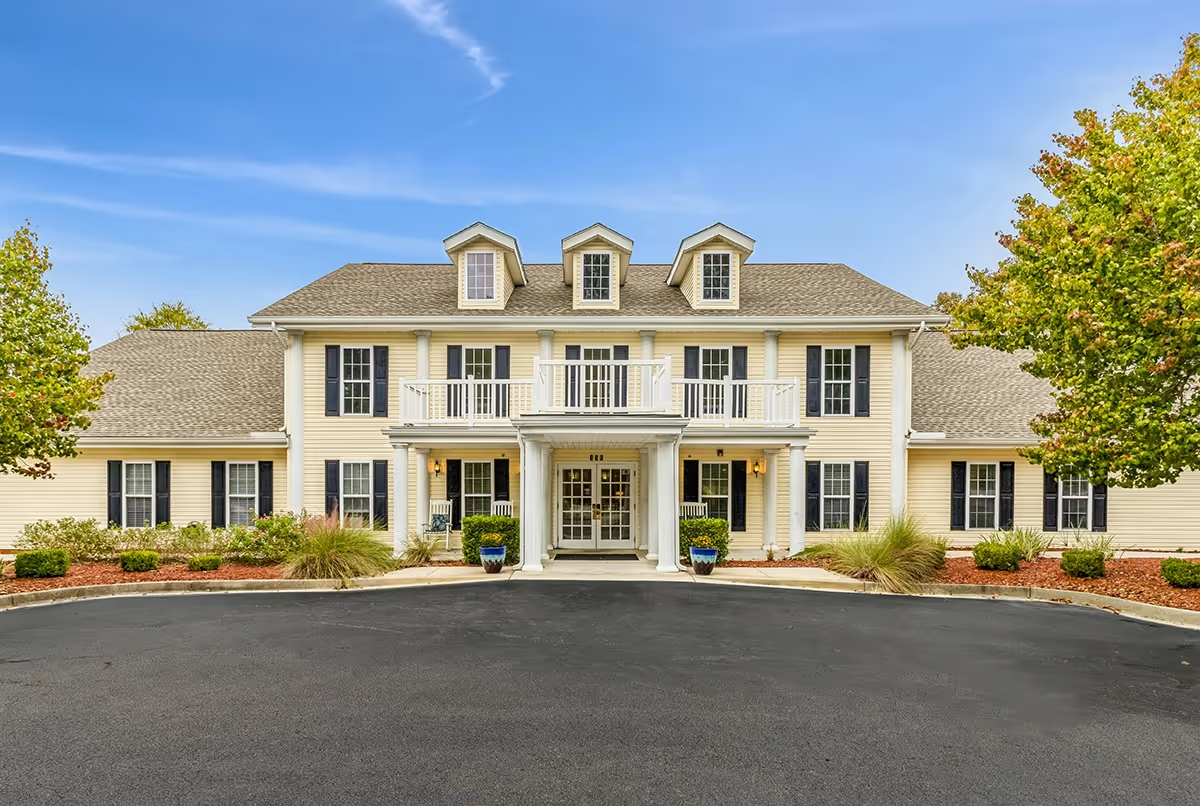
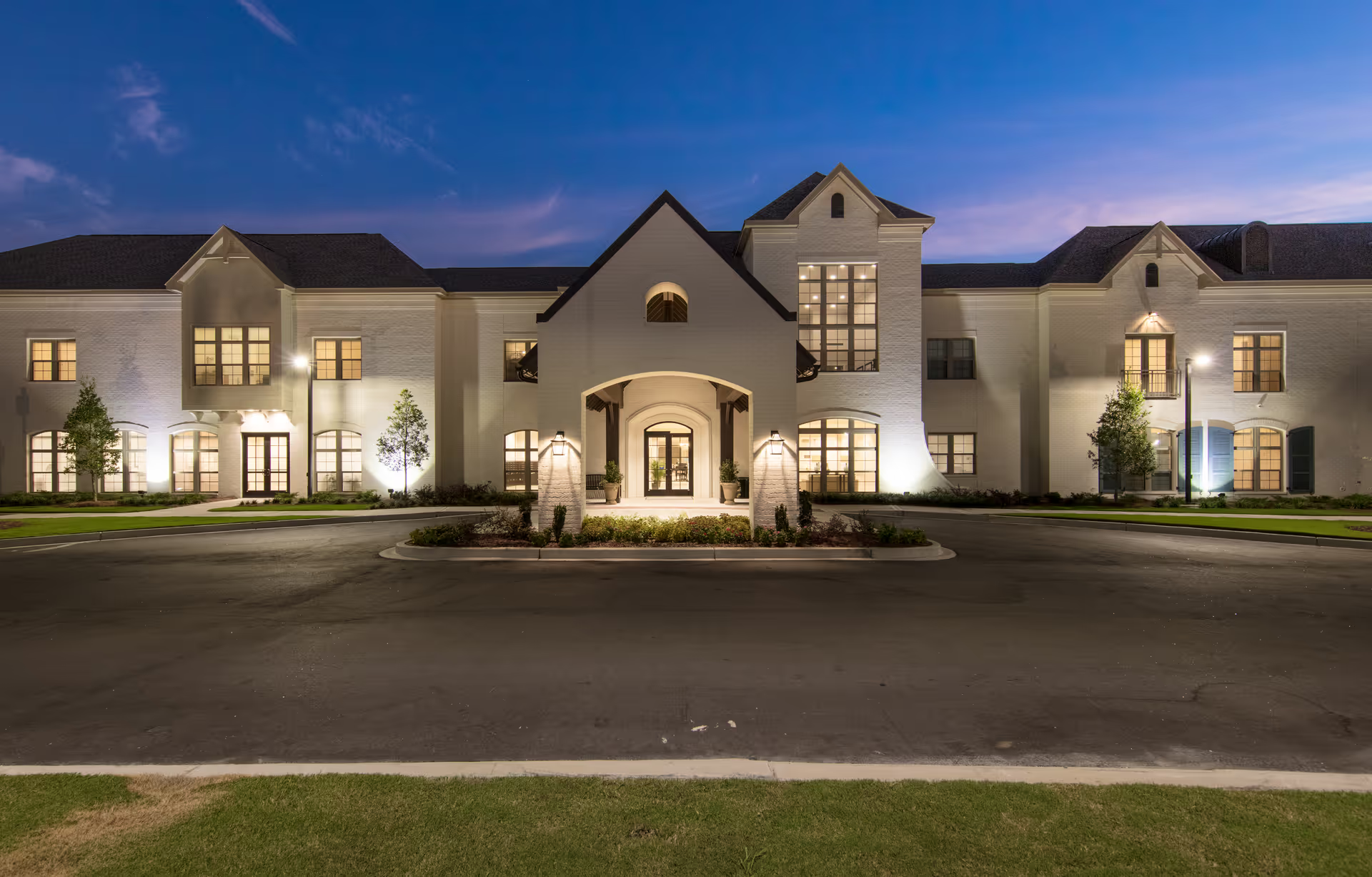
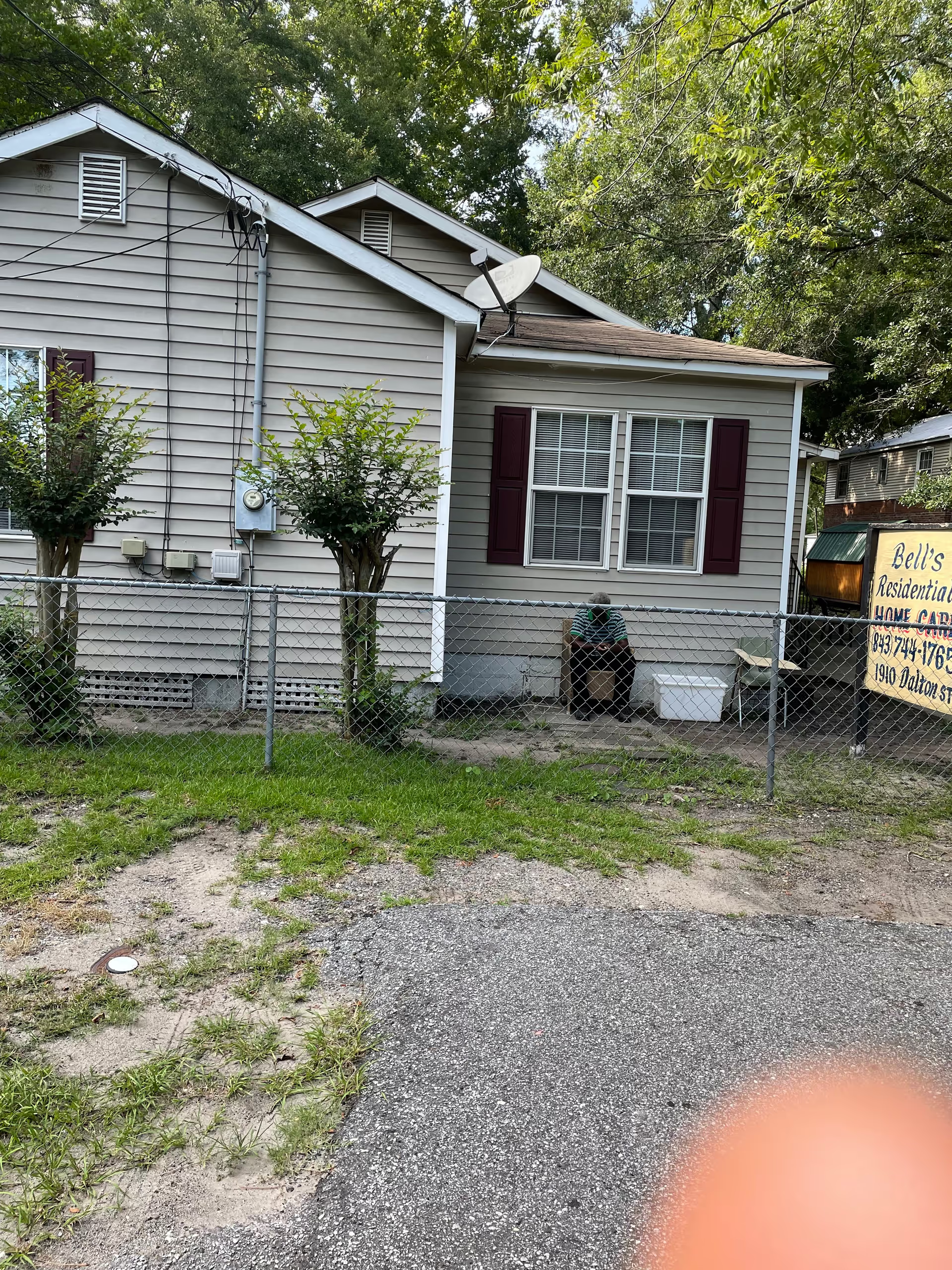
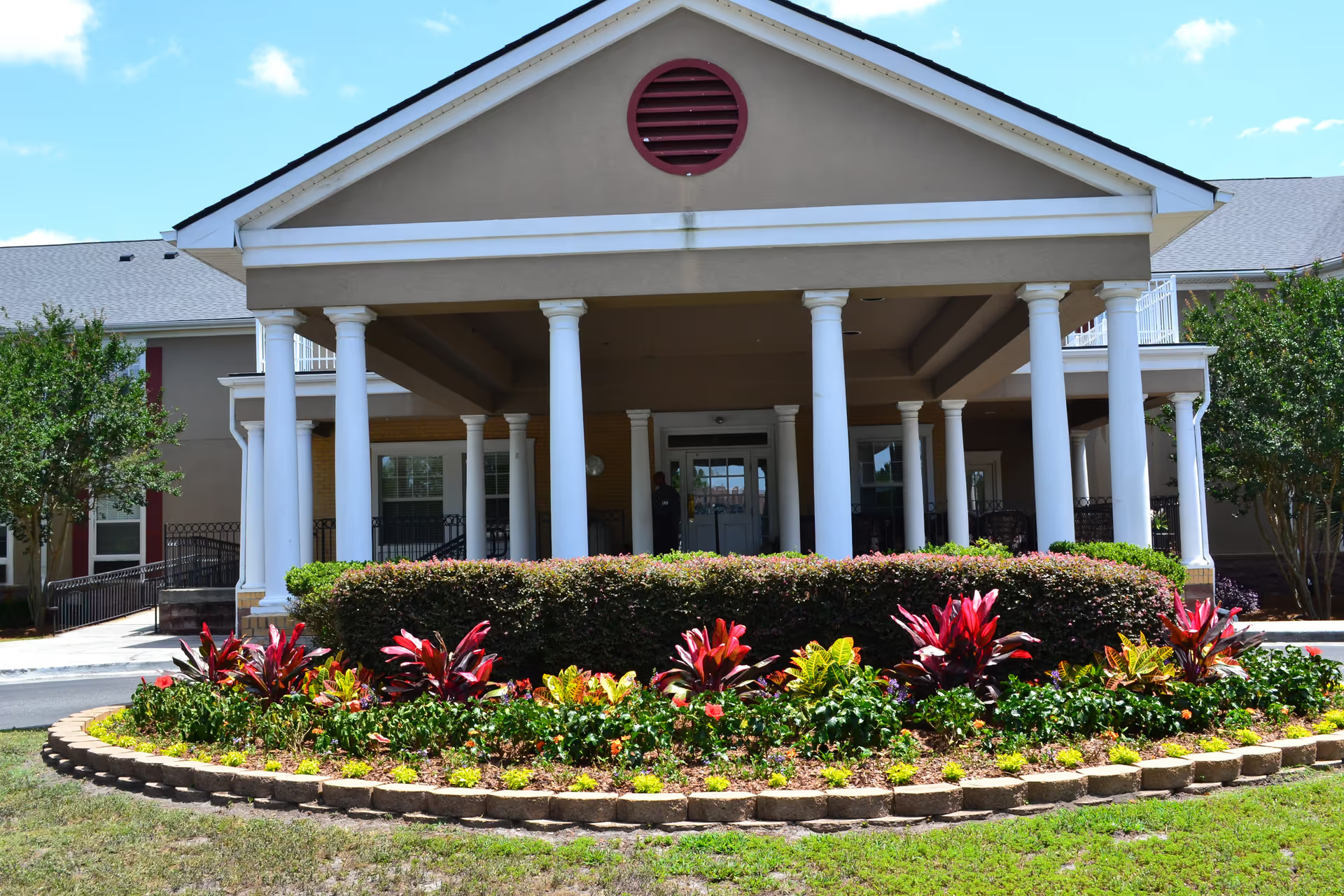
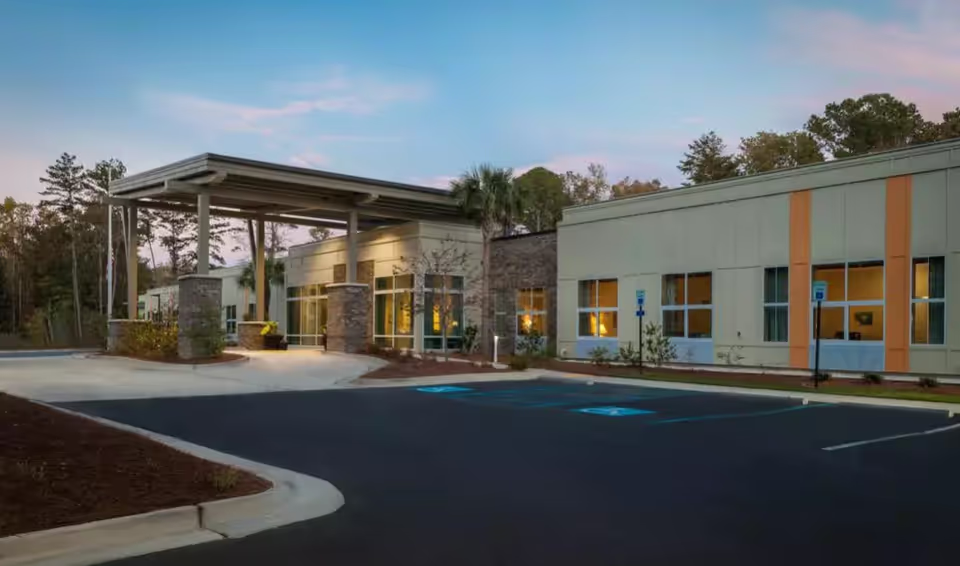
The reviews describe a facility with pronounced variability across departments and time. Many families praise individual caregivers, activity staff, therapists and certain leaders for providing compassionate, resident-focused attention; organized outings, well-executed events, and renovated common spaces are frequently cited as strengths. The campus offers a mix of cottage-style private units and traditional assisted/memory-care rooms, with several reports noting clean, comfortable private rooms and an active independent-living program. Therapy services (OT/PT), communal programming, and community partnerships are strong points for residents who participate.
At the same time, a consistent pattern of operational weaknesses emerges. Staffing instability—high turnover and reliance on temporary staff—appears to affect care continuity and training. Families describe uneven staff conduct and responsiveness, and there are repeated concerns about medication administration processes and on-time delivery of medications. Meal service quality and delivery consistency are uneven: some residents and families report positive dining experiences while others note cold or missing meals and delivery logistics that reduce communal dining.
Facility maintenance and housekeeping are another mixed area. Multiple accounts point to sanitation and pest-control concerns, odor issues in some spaces, and deferred maintenance such as moldy or deteriorating porch areas and aging infrastructure. These issues contrast with reports of recent renovations and attractive common areas, indicating that condition varies across buildings and units. Laundry handling and management of residents' personal belongings are identified as recurring problems, with examples of missing items and delayed service.
Management and communication are recurring themes. Reviewers report inconsistent family communication, shift-to-shift handover gaps, and administrative instability tied to ownership or leadership transitions. Several families described problematic handling of infection-control events and quarantine rules, uneven transparency about incidents, and isolated but serious allegations relating to resident finances and property. Conversely, other accounts highlight proactive, communicative managers and well-organized admission staff.
In sum, the Retreat at Summerville presents a mixed profile: it can provide warm, engaged care and has notable strengths in activities, therapy services, and some renovated living areas, but it also exhibits operational weaknesses that have significant consequences for resident experience—especially where staffing, medication processes, maintenance, and family communication are inconsistent. Prospective residents and families should plan an in-person tour focusing on unit-level maintenance and cleanliness, ask for written descriptions of staffing patterns and medication protocols, verify how laundry and personal-property processes are handled, and request recent examples of how management addressed past complaints or infection-control events before making a placement decision.