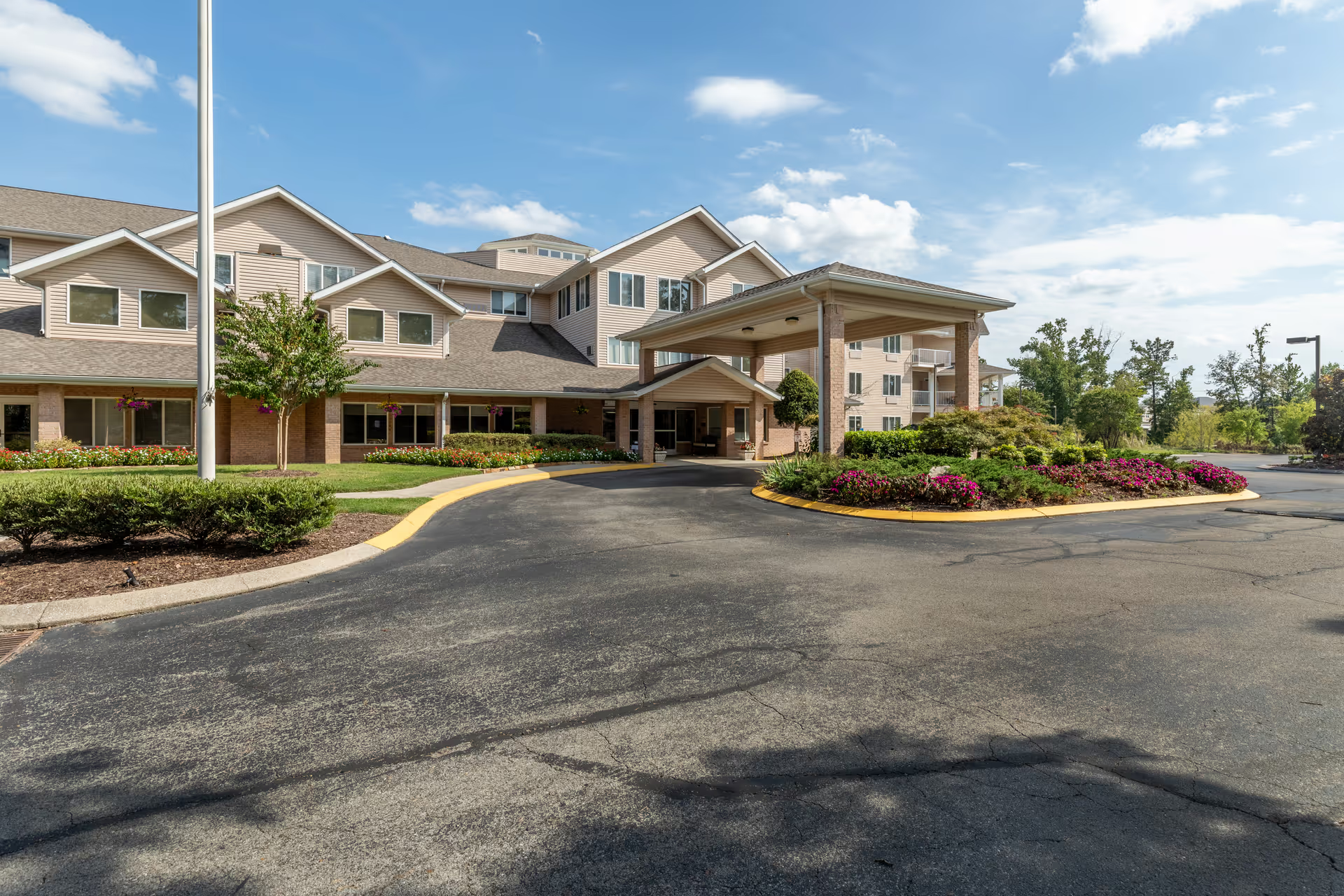
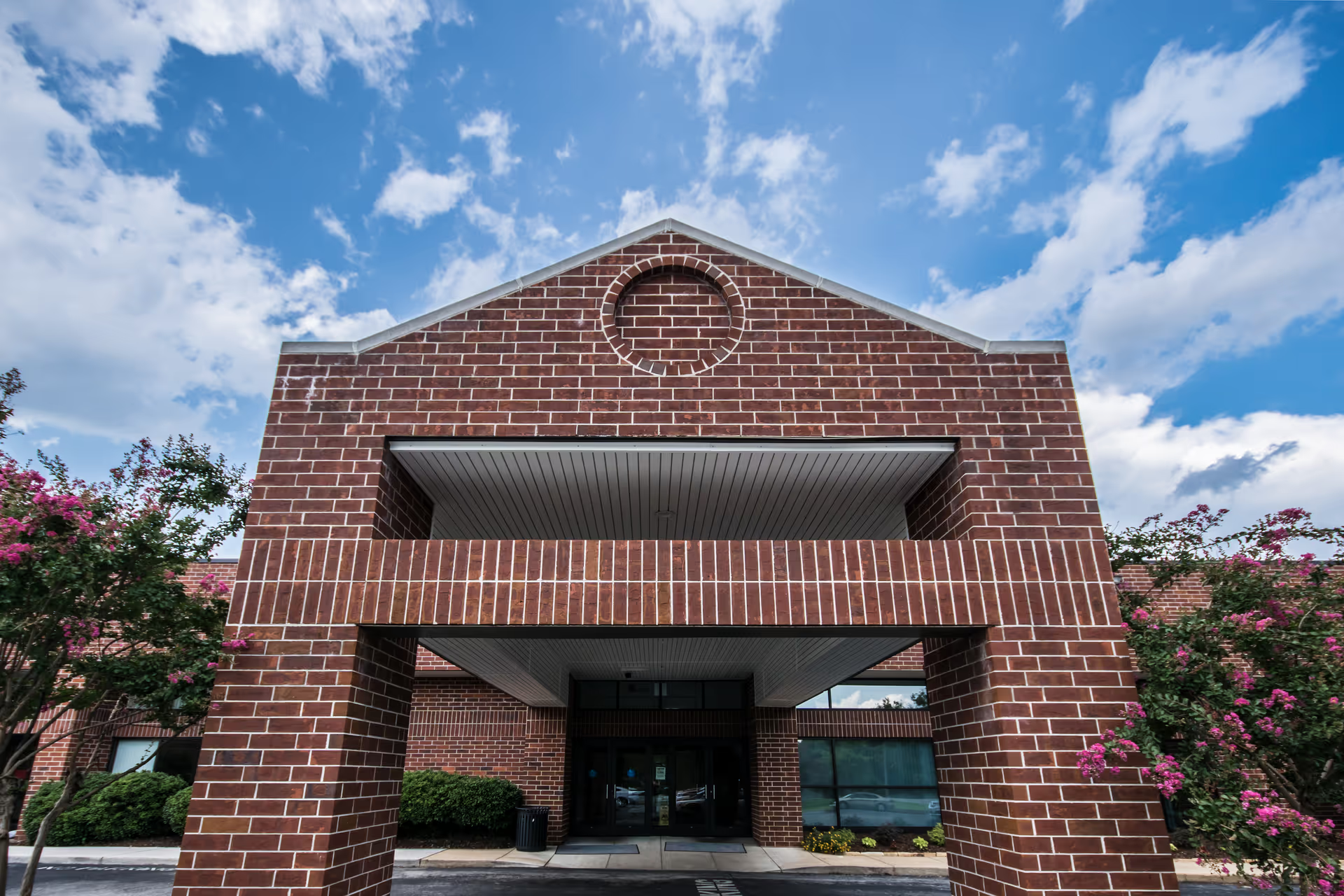
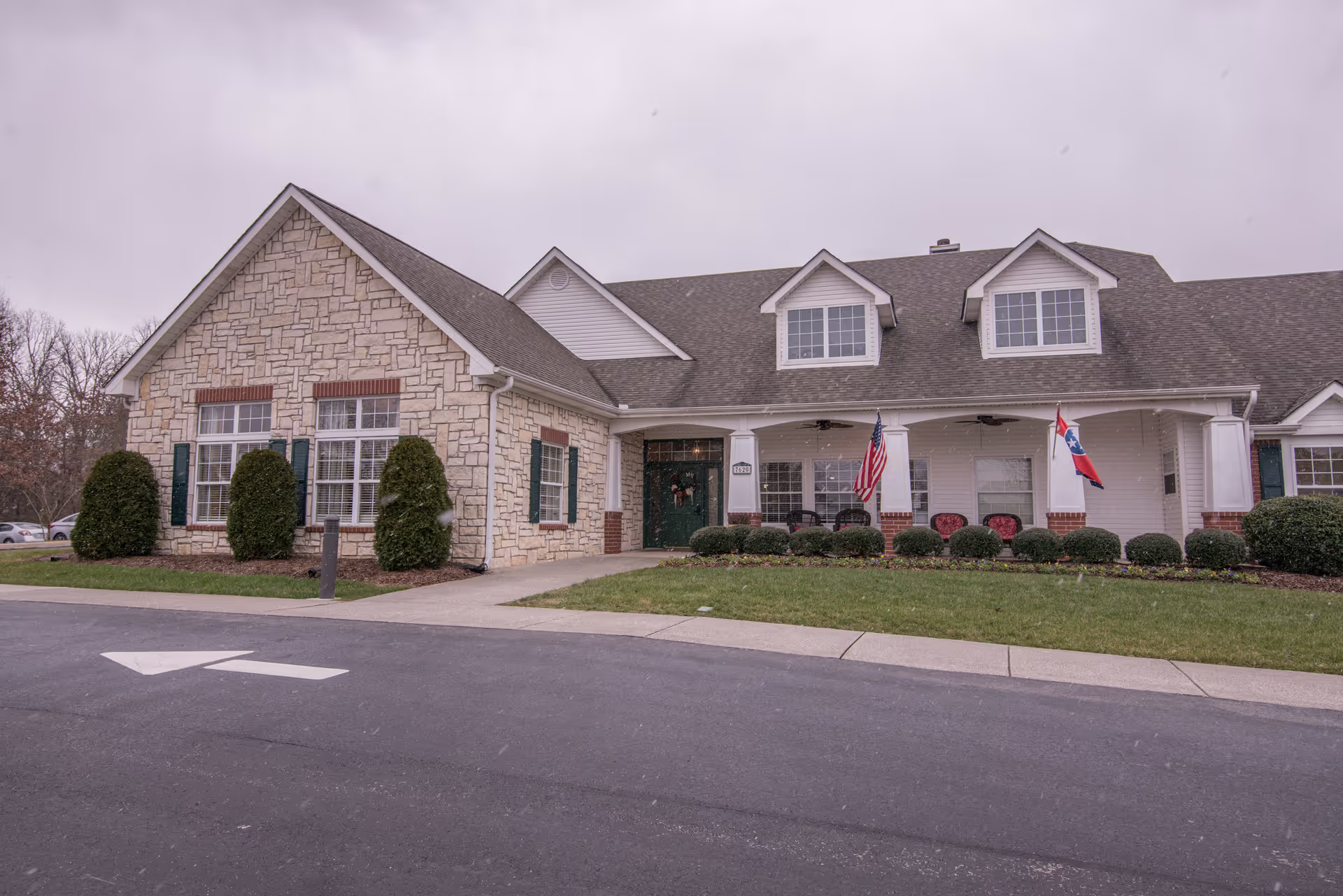
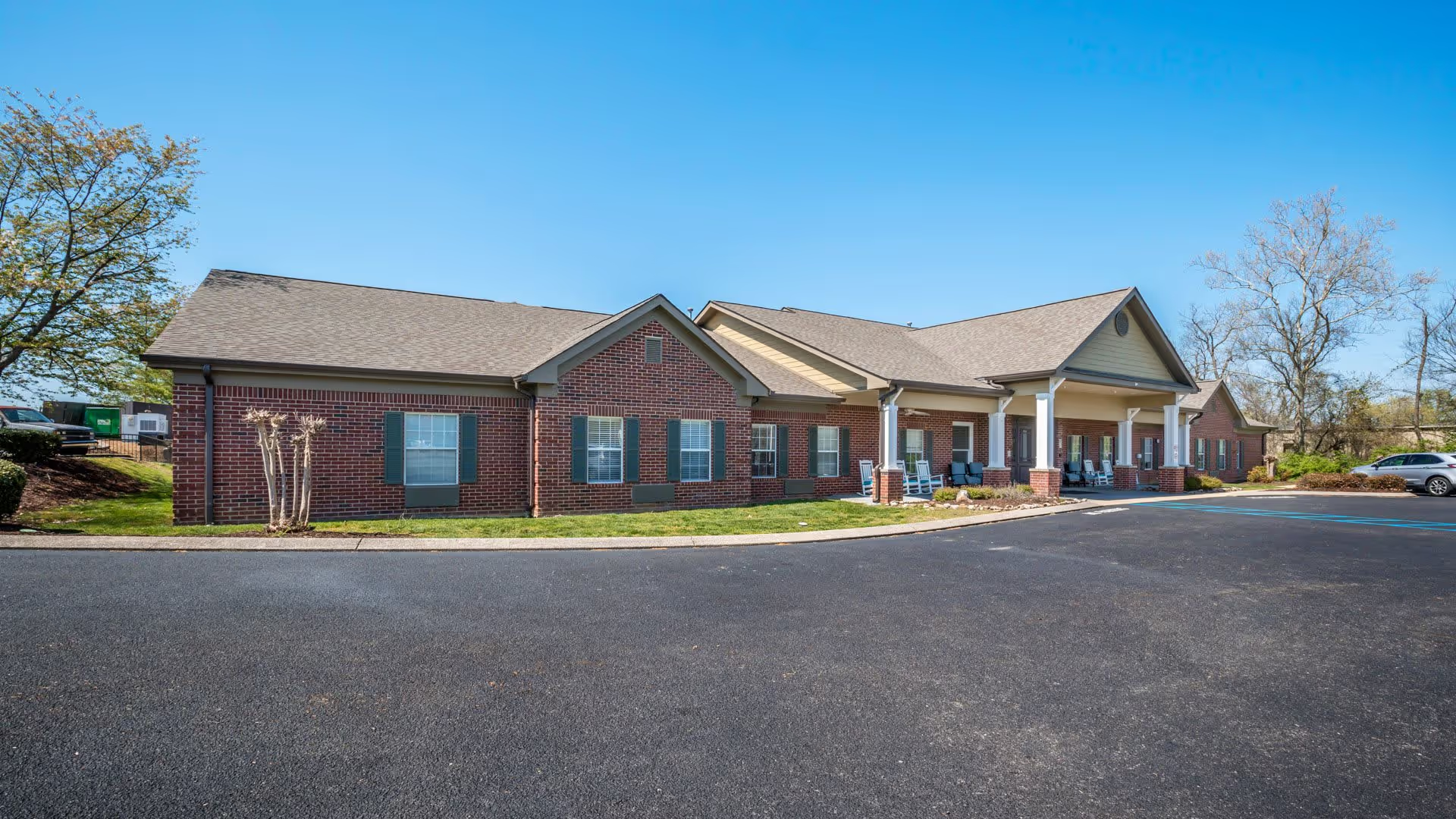
Health Center at Standifer Place elicits a mixed but clearly patterned set of impressions. Many families and visitors emphasize a core strength: staff who are compassionate, approachable and able to build trusting, family-like relationships with residents. Reviewers frequently highlight attentive nurses and aides, professional nursing leadership, and effective care coordination between assisted living and rehab units. Therapy services and some individual therapists receive positive mention for skill and helpfulness. The facility’s atmosphere and visiting accessibility are often described as welcoming and home-like, and several families appreciate inclusive care planning and Medicaid access.
At the same time, a number of operational weaknesses recur across evaluations. Several accounts raise concerns about medication-management practices tied to increased fall risk; this includes accounts of residents becoming less mobile or experiencing safety incidents after medication changes. Reviewers also describe inconsistencies in responsiveness to basic care needs such as bathing and toileting, and mixed experiences with wound and pressure-injury management — some families praise wound care while others describe lapses. Limited on-site physician presence and delays in timely clinical responsiveness were also cited.
Infection-control, sanitation, and maintenance are additional areas of concern. One reviewer noted a serious infection-control issue; others identified sanitation and odor concerns in particular rooms or areas. Broken call systems and other equipment-maintenance gaps were reported, which reviewers linked to slower response times. Dining quality and meal consistency attracted negative comments from some families while others made no note of problems. Therapy and rehab scheduling also appears variable, with reports of insufficient therapy hours for some residents.
Communication and administrative follow-through show mixed performance. Many families commend staff for clear updates, prompt emotional support, and good family communication. Conversely, there are recurring descriptions of missed transportation commitments, appointment coordination failures, and instances where families felt their concerns were not escalated effectively. Reviewer comments also indicate variability in staff professionalism — examples include perceived rudeness, favoritism, or unprofessional conversation among staff — suggesting uneven training or supervision in some shifts.
For prospective residents and families: the facility demonstrates meaningful strengths in caregiver compassion, interpersonal communication, and some areas of clinical coordination. However, variability in clinical oversight, infection-control vigilance, maintenance of call systems, and basic-care responsiveness are notable patterns that merit direct inquiry. When evaluating this center, consider asking for current staffing ratios, wound-care and fall-prevention protocols, on-site physician coverage, therapy-hour guarantees, infection-control policies, maintenance and call-system testing records, and examples of how family concerns are escalated and resolved. A guided tour that includes a look at resident rooms, the therapy schedule, recent quality metrics, and direct conversations with nursing leadership will help clarify whether the facility’s strengths align with your needs and whether the operational gaps have been addressed.