Life Care Center of East Ridge elicits a strongly polarized picture: many families and patients describe high-quality rehabilitation services, empathetic direct-care staff, and a well-appointed physical environment, while other accounts raise persistent operational concerns that relate primarily to staffing, monitoring, and communication.
Care quality and clinical services are a clear strength when the multidisciplinary team is functioning at capacity. Numerous reviewers praised the physical and occupational therapy teams for measurable progress, restored mobility, and skillful individualized plans. Several families credited CNAs and nurses with compassionate hands-on care and timely administration of medications and IV treatments during successful stays. The facility also has documented wound-care expertise and positive outcomes for many residents who required skilled nursing or post-operative rehabilitation.
At the same time, a substantial subset of accounts describes gaps in basic clinical monitoring and follow-up. Patterns include delays in answering call bells, inconsistent hourly checks and observation, missed or delayed documentation of diets and clinical changes, and occasional lapses in adherence to feeding or medication protocols that elevated aspiration and other clinical risks. These operational weaknesses appear most pronounced during night shifts or periods identified as understaffed, and several families linked these conditions to hospital transfers or additional clinical intervention.
Dining and activities present a mixed picture. The facility’s dining spaces, self-select options, and social dining events (including an on-site ice cream parlor) are frequently mentioned positively. The activity program is repeatedly described as engaging, with varied offerings and an activities director who encourages participation. Conversely, reviewers also noted inconsistent meal-service follow-through, missed dietary entries, limited soft-food availability for patients with specific needs, and occasional failures to honor documented meal preferences or restrictions.
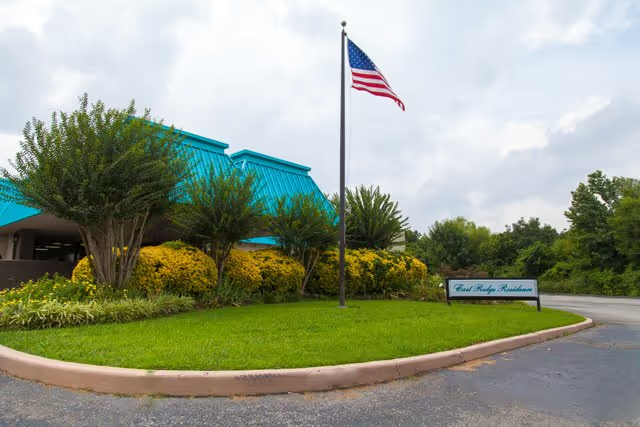
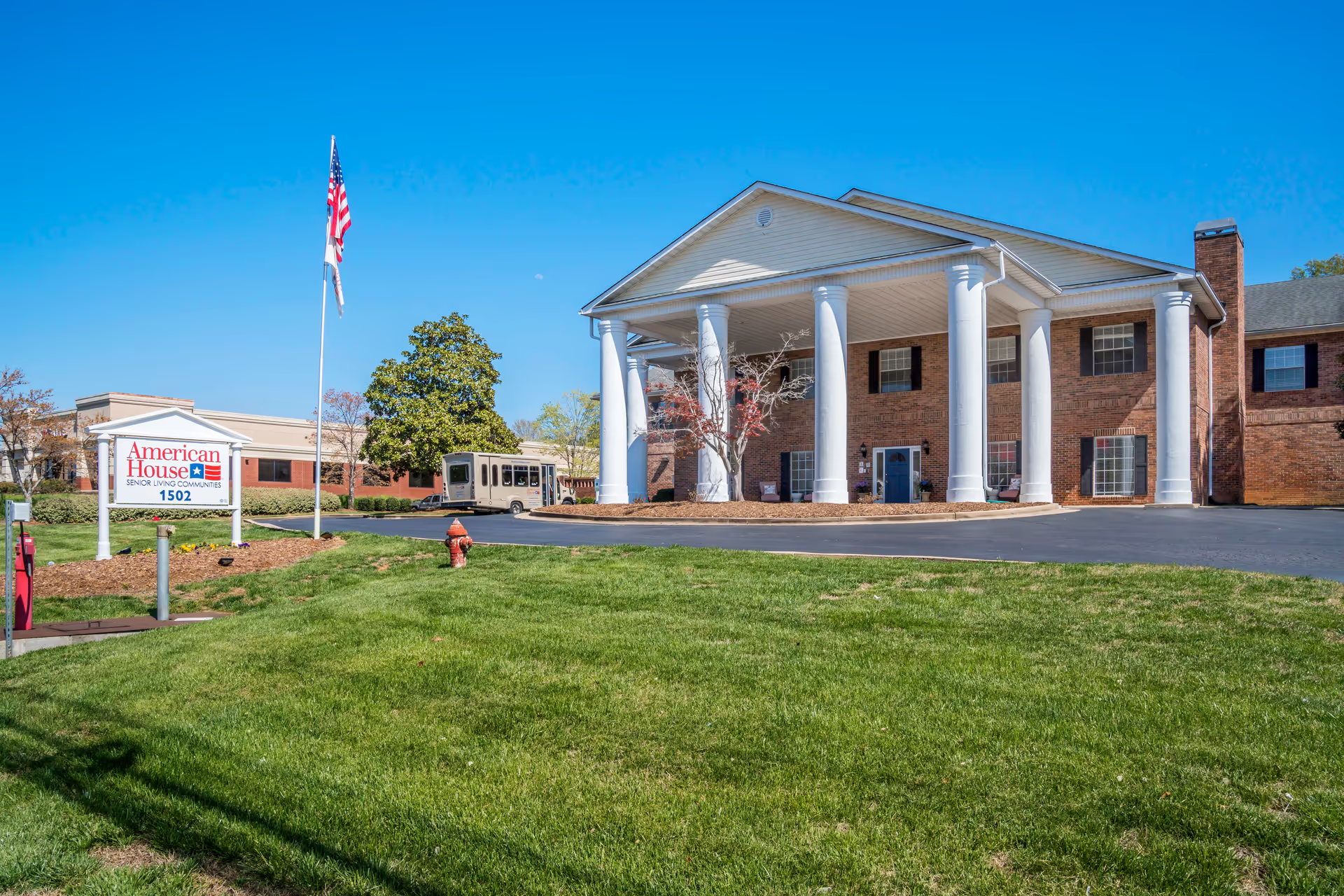
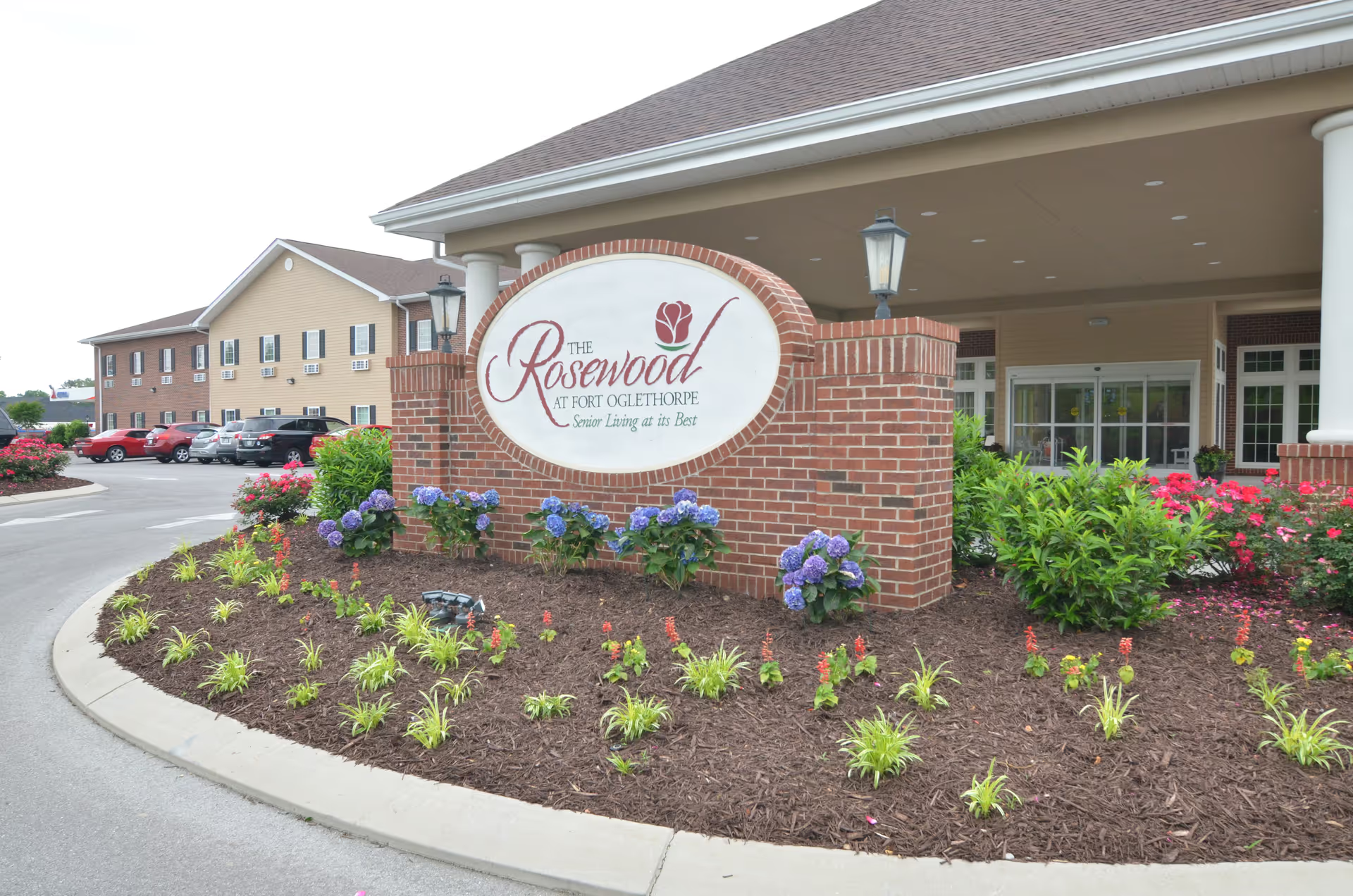
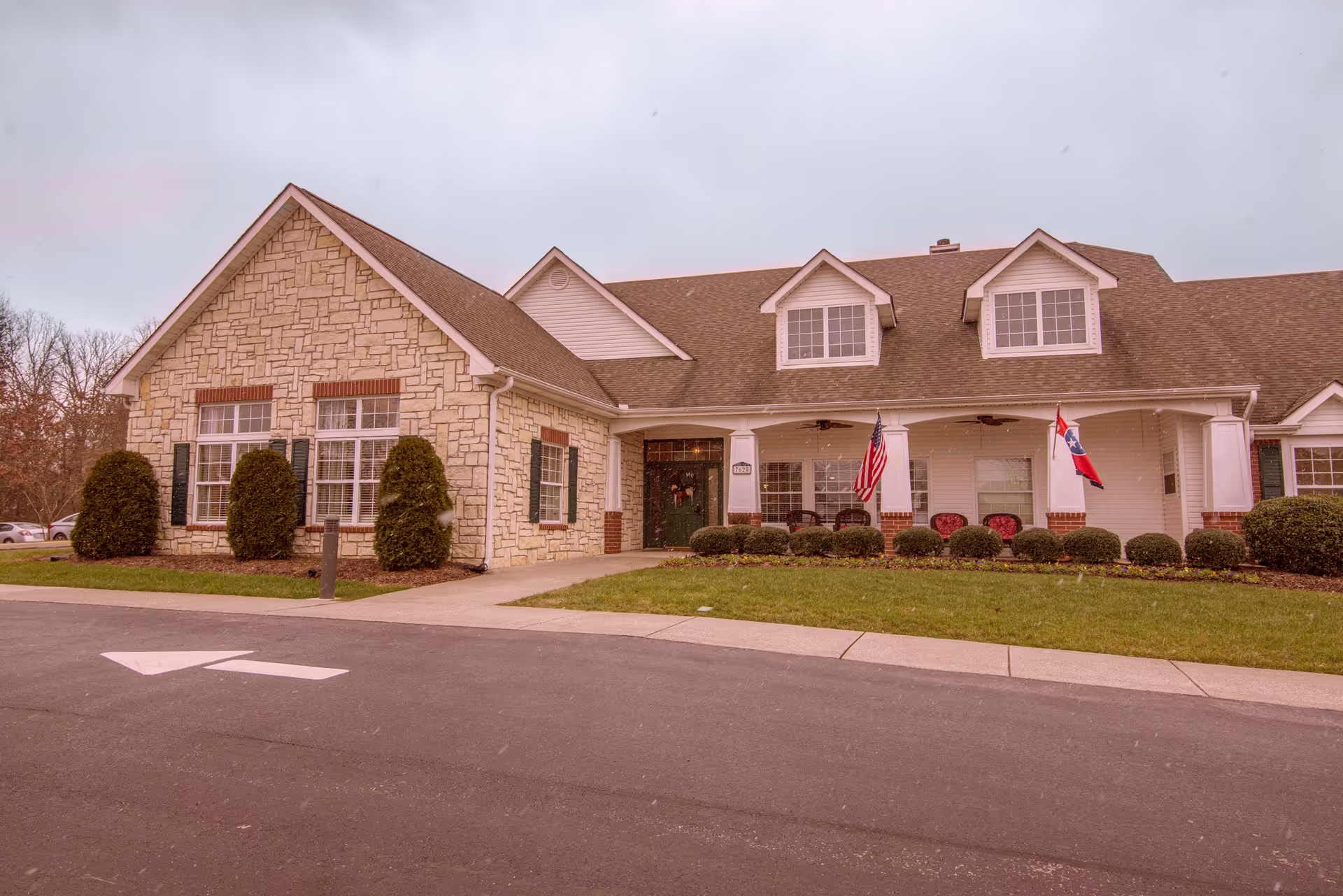
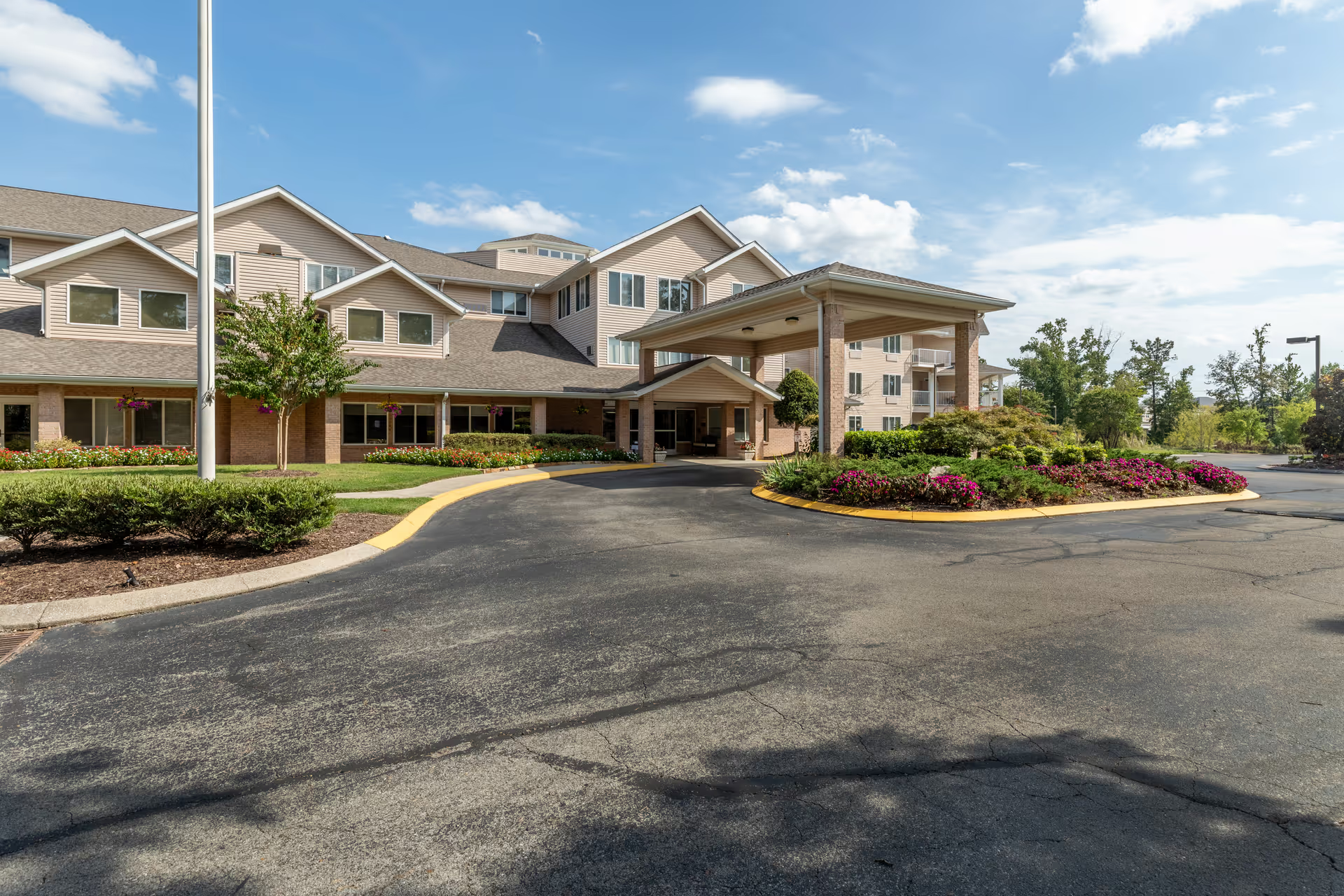
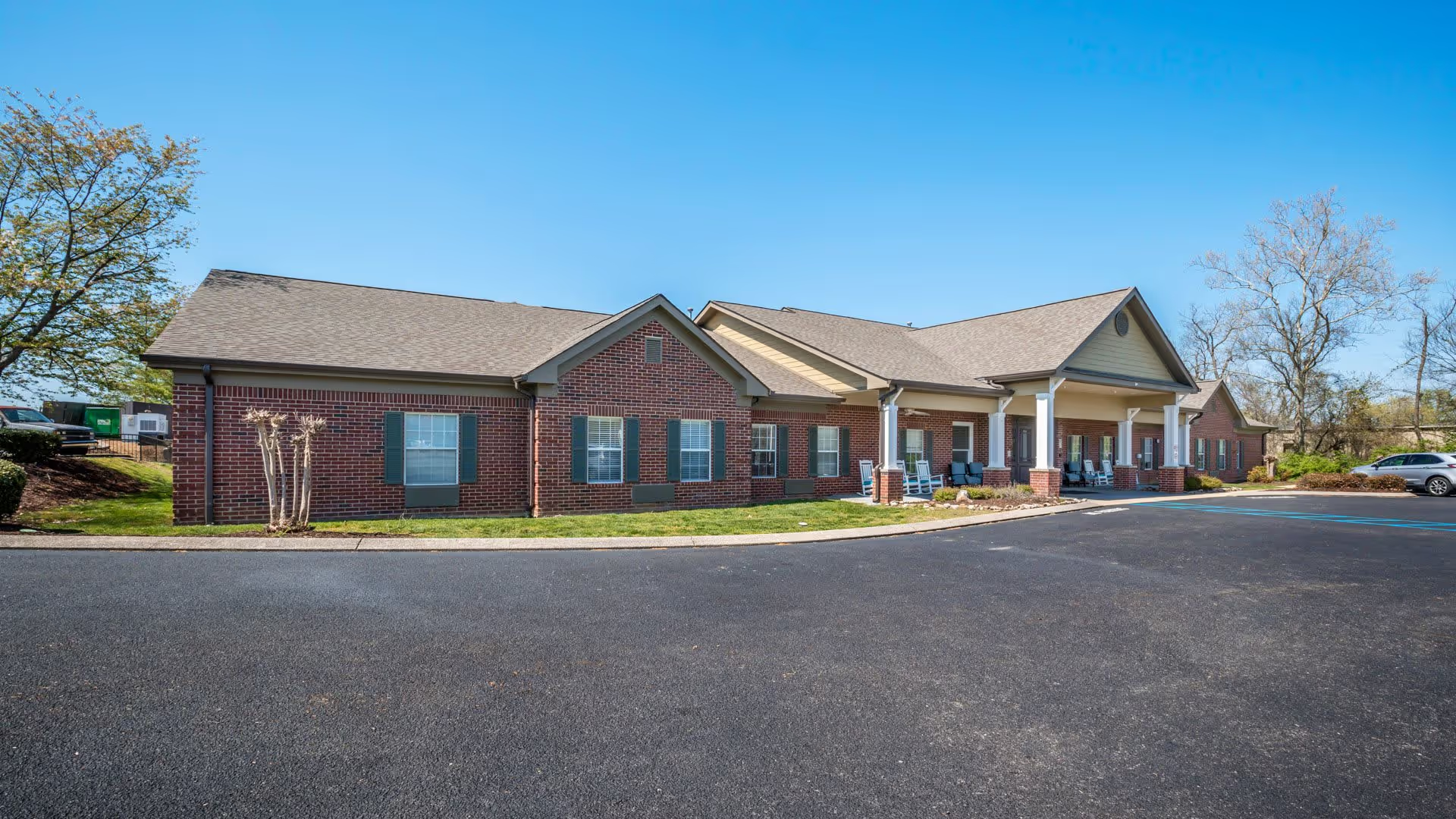
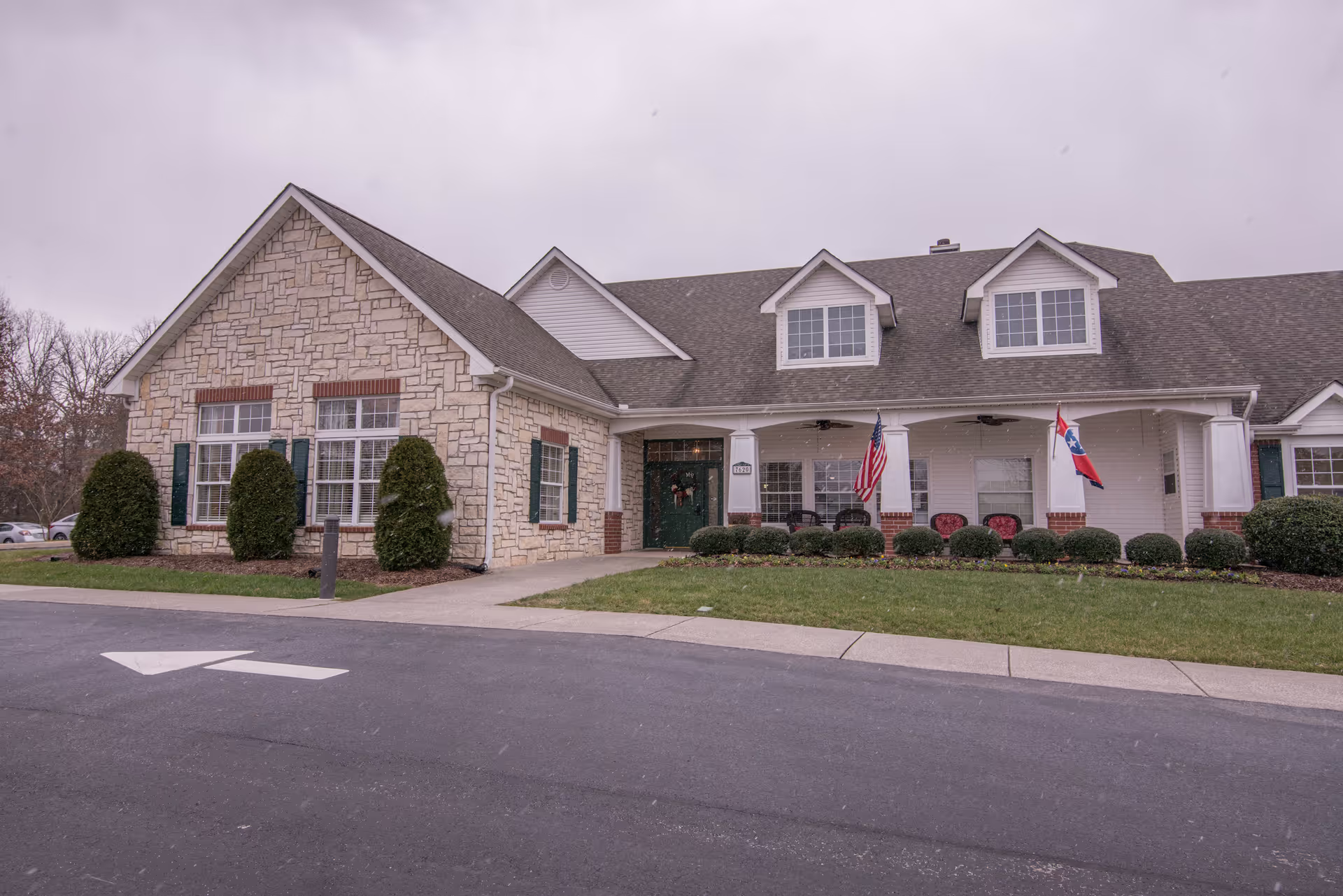
Facilities and housekeeping generally receive favorable comments: the building, grounds, private rooms, and therapy gym are regularly described as clean, attractive, and hotel-like. However, there are intermittent sanitation concerns tied to linen change delays, incontinence-care responsiveness, and inconsistent housekeeping performance. These issues are raised alongside other operational complaints about missing personal items and concerns about documentation integrity.
Management and communication emerge as recurring themes. Positive accounts highlight helpful front-desk staff, proactive therapy directors, and staff who go beyond expectations. Critical accounts focus on inconsistent family communication, lapses in medical-record updates, perceived unresponsiveness from administration when complaints are raised, and occasional allegations of irregular discharge documentation and missing belongings. These governance and accountability concerns amplify the impact of clinical and logistical weaknesses for affected families.
Overall, Life Care Center of East Ridge appears to deliver strong rehabilitation programming and can provide compassionate, effective hands-on care when staffing and operational systems are working well. Prospective residents and families should weigh those strengths against documented patterns of inconsistent staffing coverage, variable monitoring and documentation practices, and intermittent sanitation and meal-service execution. For family decision-making, consider clarifying staffing ratios for expected care hours (especially nights), the facility’s procedures for family communication and incident follow-up, and how dietary and feeding protocols are entered and verified in the medical record.