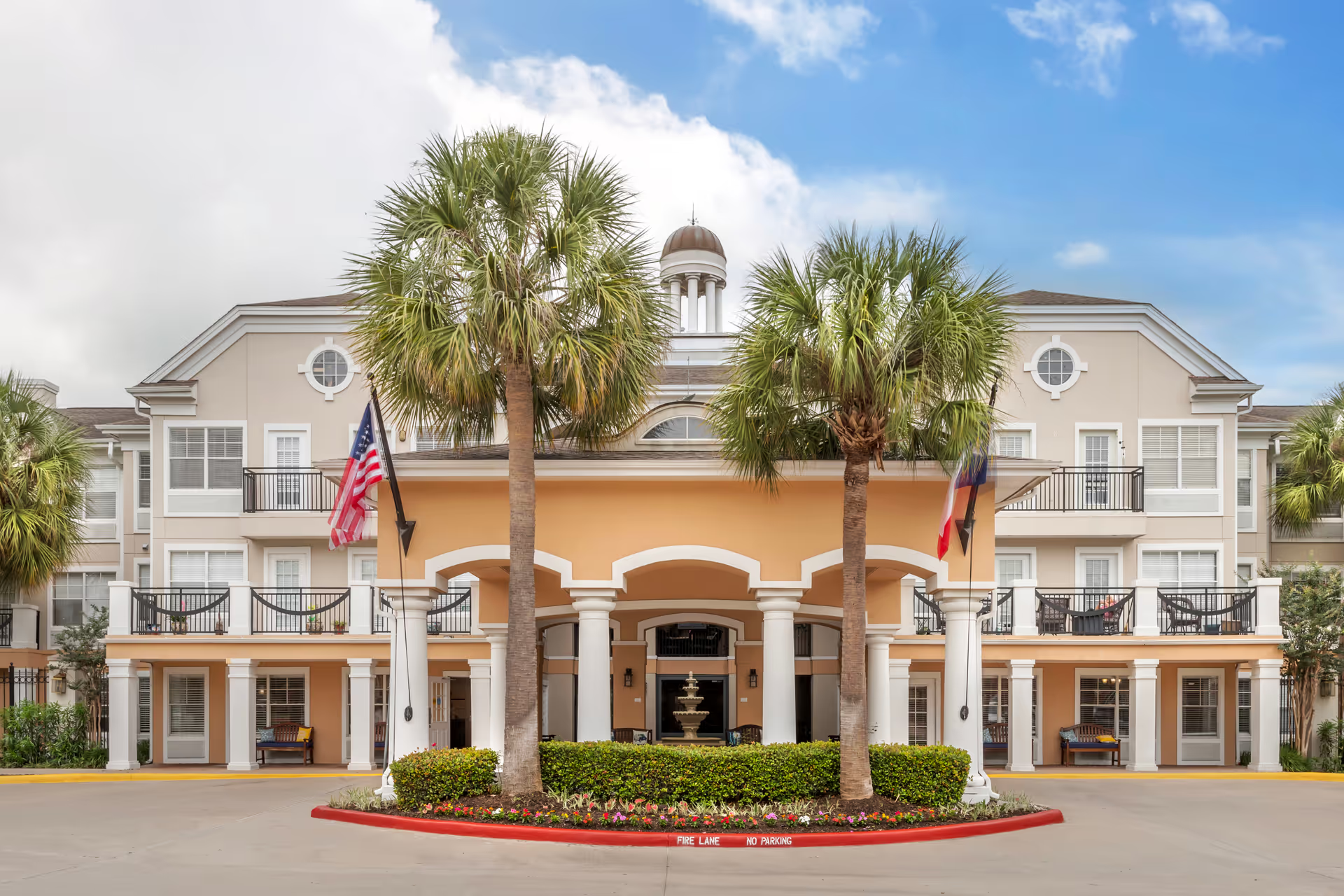
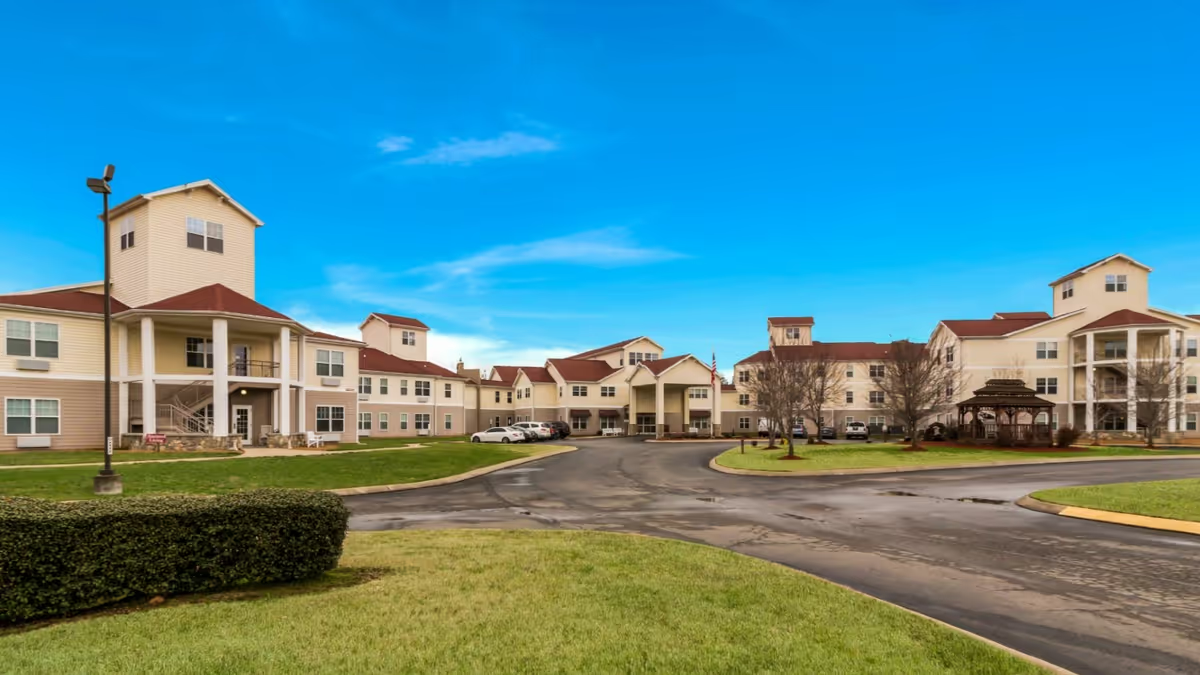
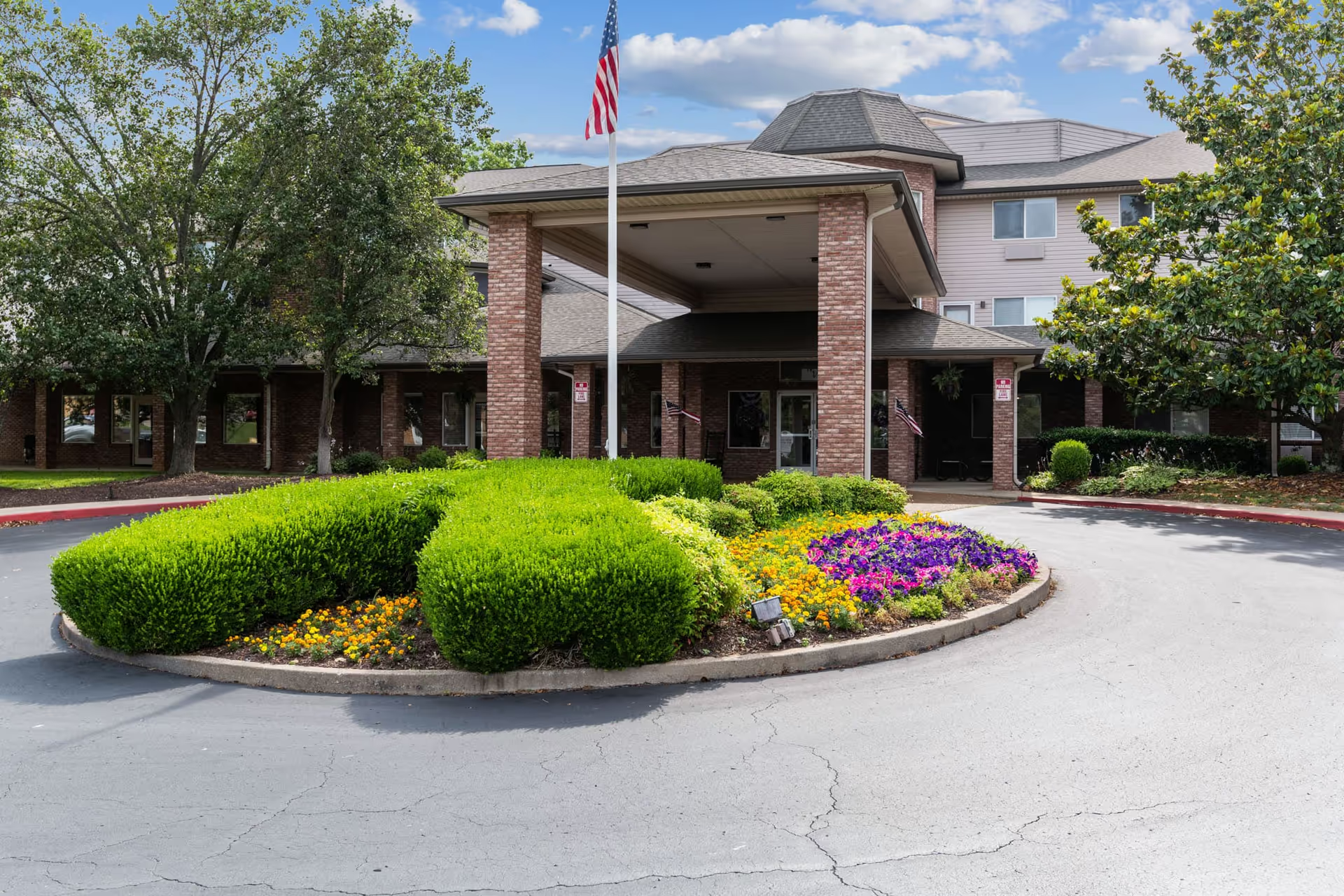
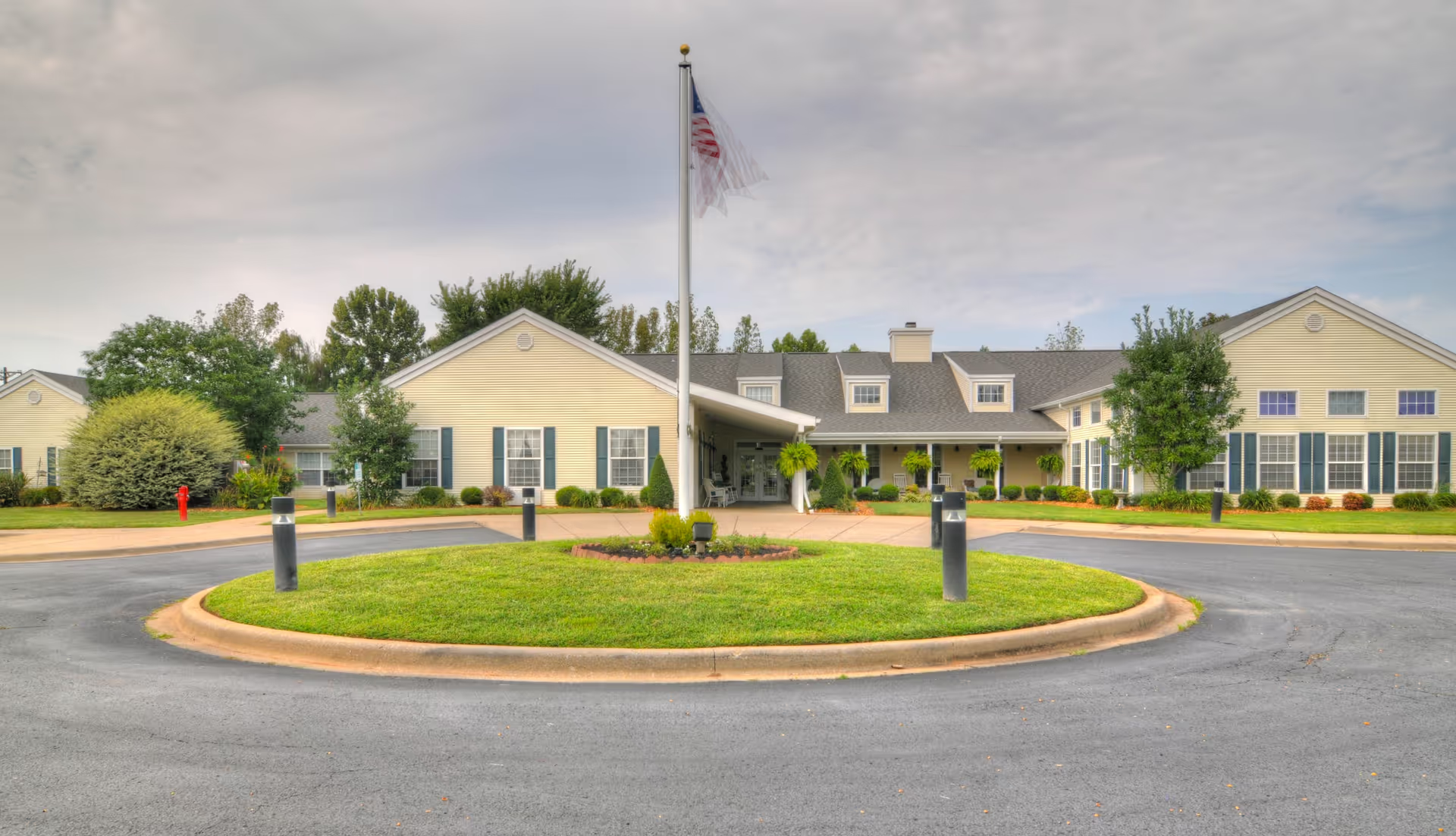
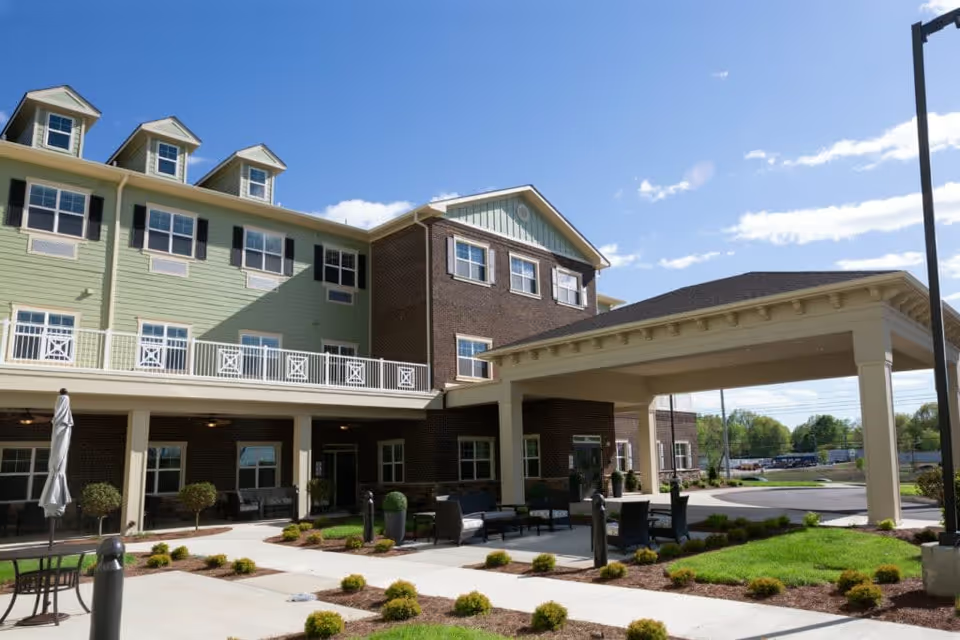
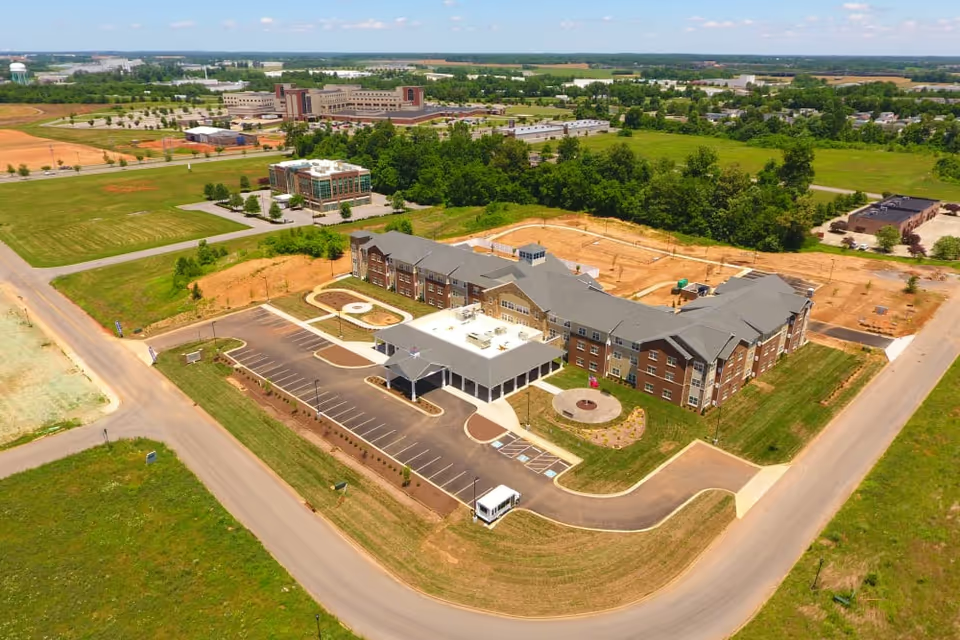
The Villages at the River Club presents as a physically attractive, well-appointed senior community with a broad set of amenities. Apartments are described as spacious with tall ceilings, full kitchens, and in-unit washer/dryer units. Common spaces are characterized as updated and clean, with facilities that include a gym, library, outdoor patios with views, and assorted seating areas. The campus appears to host a variety of social spaces and organized outings that support resident mobility and engagement.
Staff and day-to-day care receive generally positive remarks. Reviewers describe staff as friendly, compassionate and helpful, with maintenance frequently cited as responsive to repair requests. There are structured opportunities for resident voice, including monthly meetings and abundant weekly activities. The community atmosphere is often described as upbeat, with residents getting along and staff who foster a welcoming environment.
Dining is a prominent and mixed theme. Many reviewers highlight strong meal choices, appealing desserts, and enjoyable dining experiences under certain leadership. At the same time, several comments link dining quality to recent staffing and leadership changes—most notably the departure of an executive chef—and describe a subsequent decline in consistency. This suggests dining quality may be sensitive to kitchen staffing and management continuity.
Activities and programming are a clear strength. The community offers frequent entertainment, themed events such as happy hour with performances, movie nights with snacks, spiritual supports, and routine outings to local stores and restaurants. These offerings contribute to the social engagement and quality-of-life that many residents emphasize.
Management and policy issues are an area of mixed feedback. Some reviewers praise accessible leadership and problem-solving directors; others recount instances they view as insufficiently transparent, particularly around clinical documentation, cognition-related concerns, or decisions about residency status. There are specific remarks about abrupt resident discharge decisions and limited review of external clinical reports, which point to potential gaps in decision-making processes and communication protocols. Additionally, affordability and repeated price increases are cited as a financial concern for prospective residents.
Overall, the facility appears to offer strong physical amenities, active programming, and generally attentive frontline staff. Notable patterns to investigate further before a decision include dining-quality stability following staffing changes, the community’s process for clinical review and residency decisions, and the ongoing cost trajectory. Prospective residents and families should tour the property, request written policies on clinical decision-making and discharges, review recent menus and sample meal service, and meet current leadership to clarify continuity plans and the community’s responsiveness procedures.