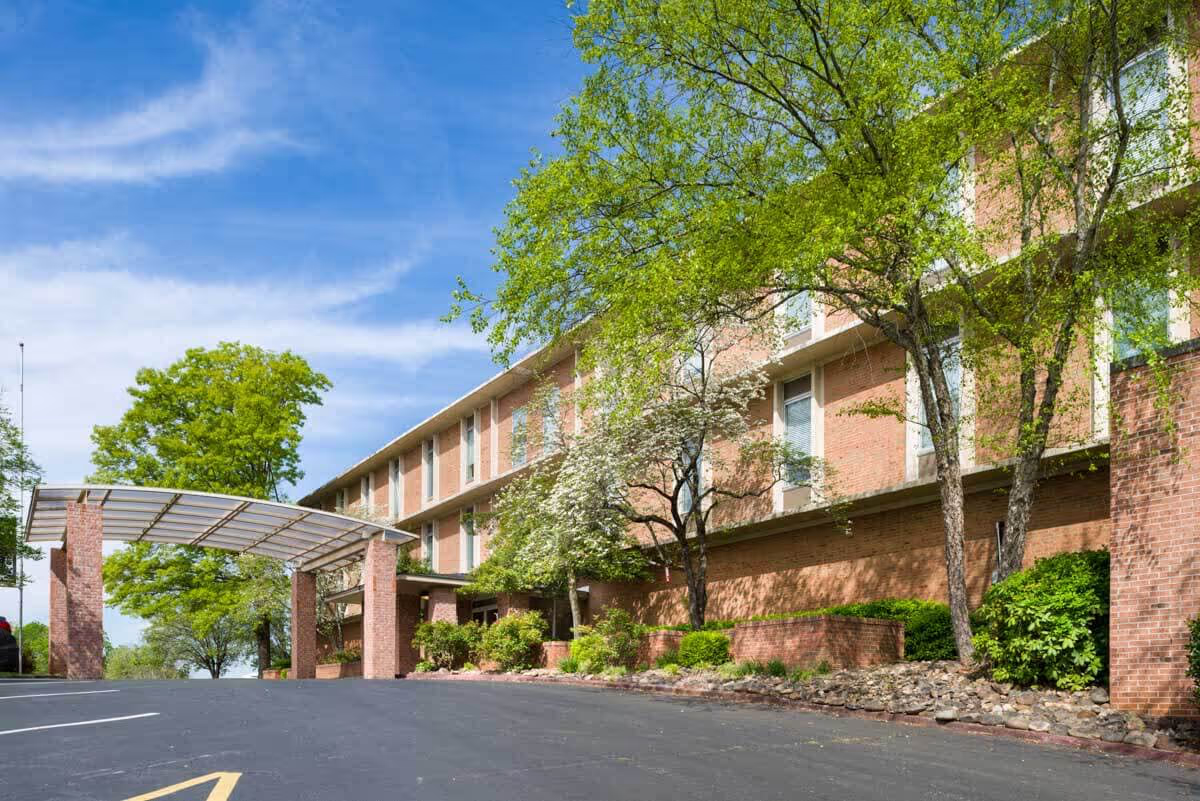
WyndRidge Health & Rehab Center elicits strongly mixed responses. A substantial portion of feedback highlights compassionate, attentive caregivers and a therapy department that delivers measurable rehabilitation outcomes. Reviewers frequently praise nursing aides, therapists, and specific clinical teams — notably wound care and respiratory/feeding-tube management — and credit the facility with enabling successful short-term discharges home. Administrative staff and admissions personnel also receive positive comments for helpfulness with insurance and care coordination. Many accounts describe a family-like atmosphere, personalized touches (assistance with grooming, comfort items), and generally pleasant dining and common spaces.
At the same time, a pattern of operational inconsistencies appears across the feedback. Staffing levels and coverage are a recurrent concern: reviewers describe times of low staffing or turnover that correlate with delayed responses and gaps in routine care. Housekeeping and room sanitation quality is uneven; while common areas are often described as clean and tidy, some resident rooms and housekeeping interactions raised sanitation and odor concerns. Several comments cite significant skin-integrity incidents and pressure-injury events, which suggest variability in prevention practices and wound monitoring despite the presence of a strong wound-care team in other cases.
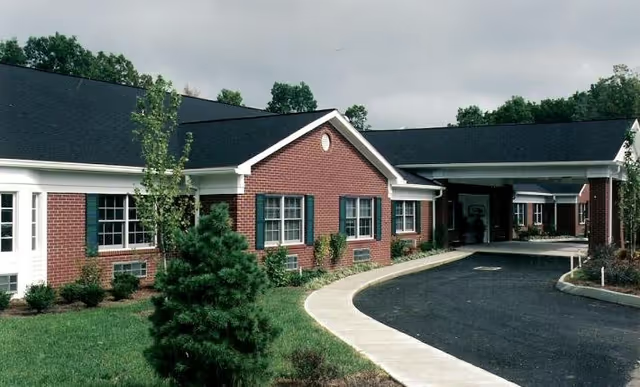
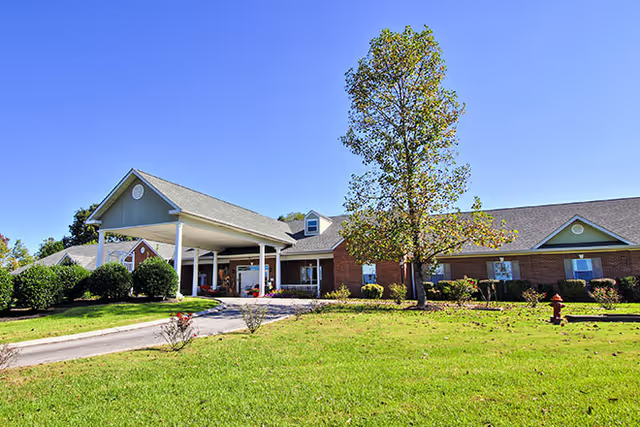
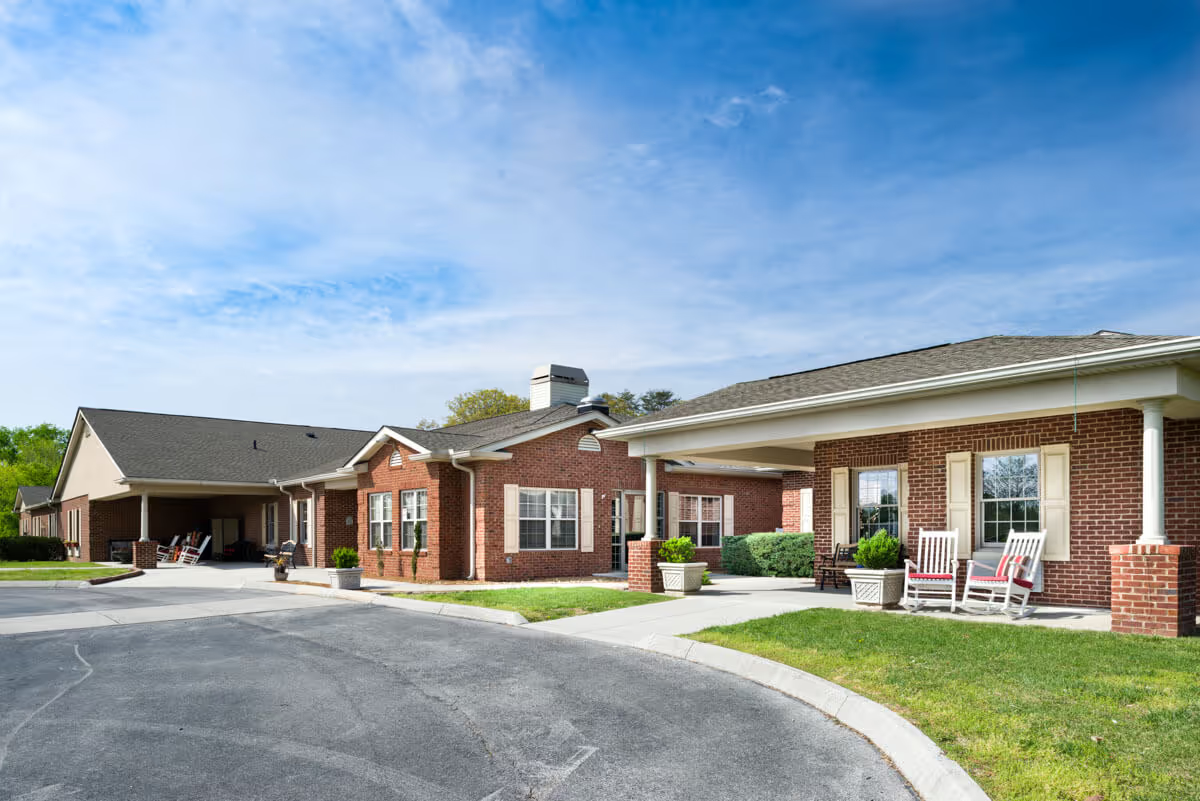
Facility condition and programming are similarly mixed. The building is described as older with dated rooms in some areas, though many note that it is well maintained and that rooms can be spacious and comfortable. The activities program is appreciated for engagement and inclusivity during weekdays, but weekend programming and activity consistency are sometimes described as limited. Dining quality receives generally favorable remarks, including pleasant dining spaces and adequate meals.
Management and communication earn both praise and critique. Numerous families commend responsive, courteous administration and clear communication during care-plan meetings. Conversely, there are reports indicating gaps in incident response and family communication after clinical events or behavioral incidents, and at least one mention of an investigation into alleged retaliatory staff conduct. These serious claims are isolated in the feedback but warrant attention from prospective residents and families.
In summary, WyndRidge demonstrates notable clinical strengths — compassionate bedside care, robust therapy services, and capacity for complex clinical needs — alongside operational variability in staffing, housekeeping, and consistency of care. Prospective residents and families should weigh the facility's strong rehabilitative and clinical capabilities against the potential for intermittent service lapses, and consider asking facility leadership about current staffing ratios, skin-integrity protocols, housekeeping schedules, and recent corrective actions related to the more serious allegations before making placement decisions.