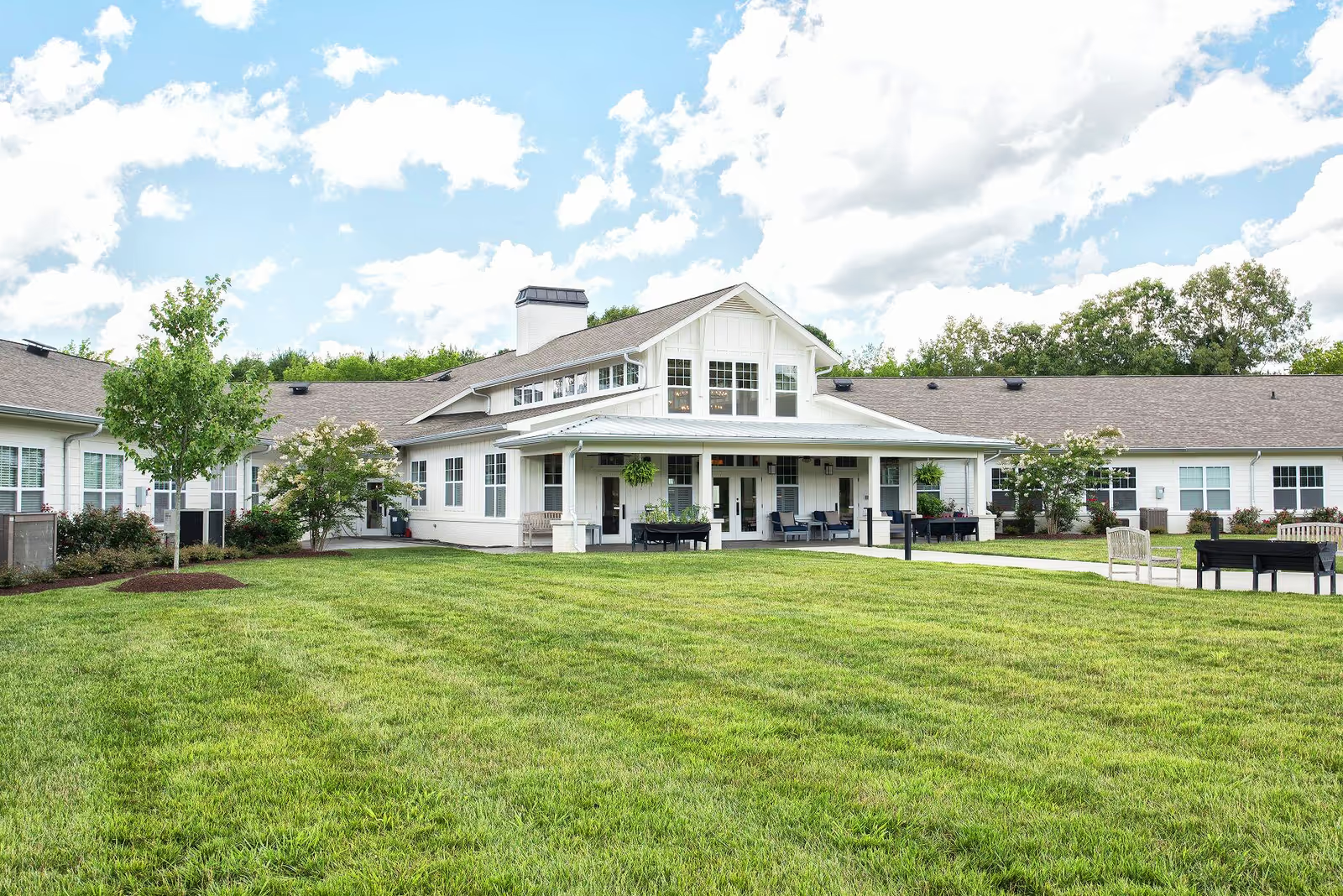
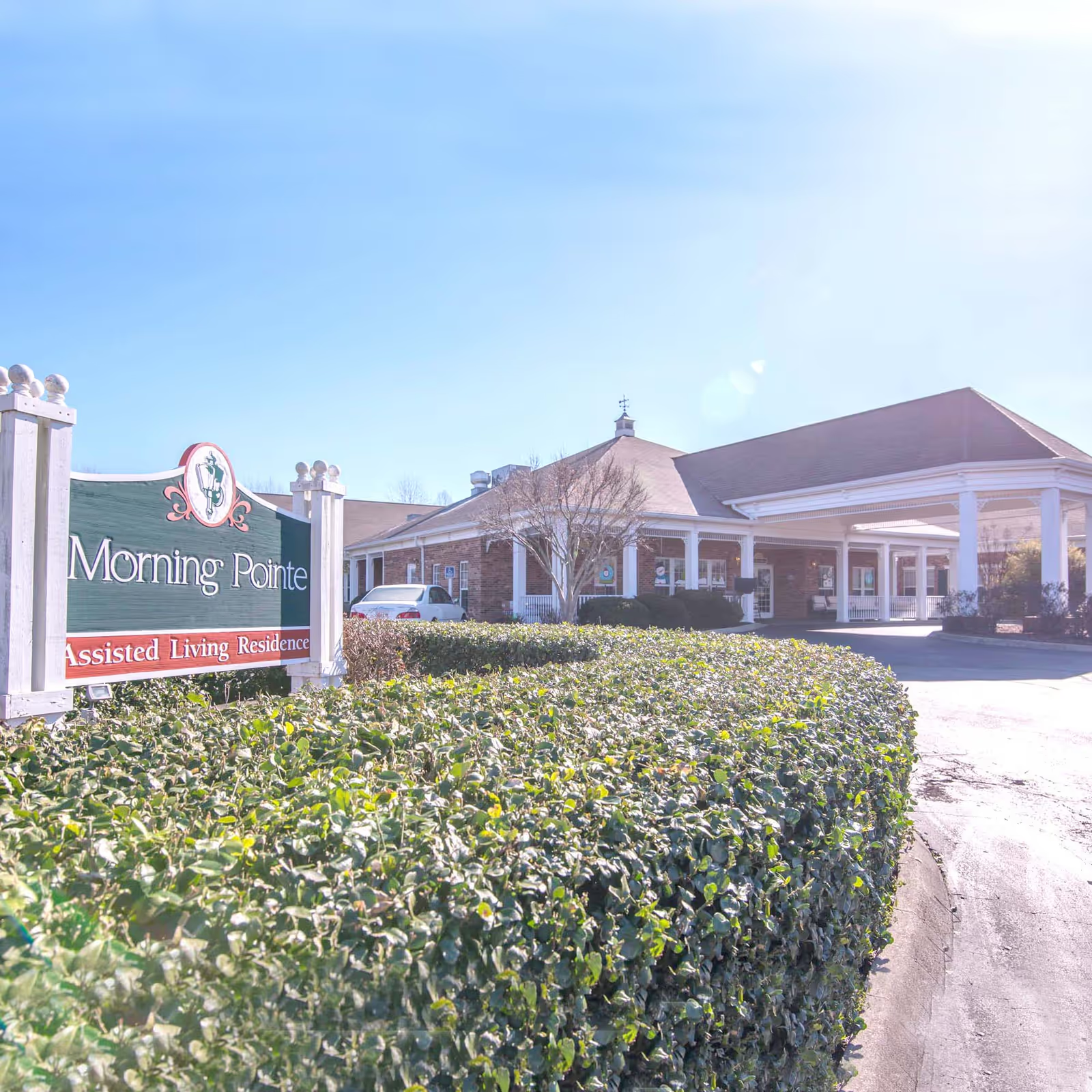
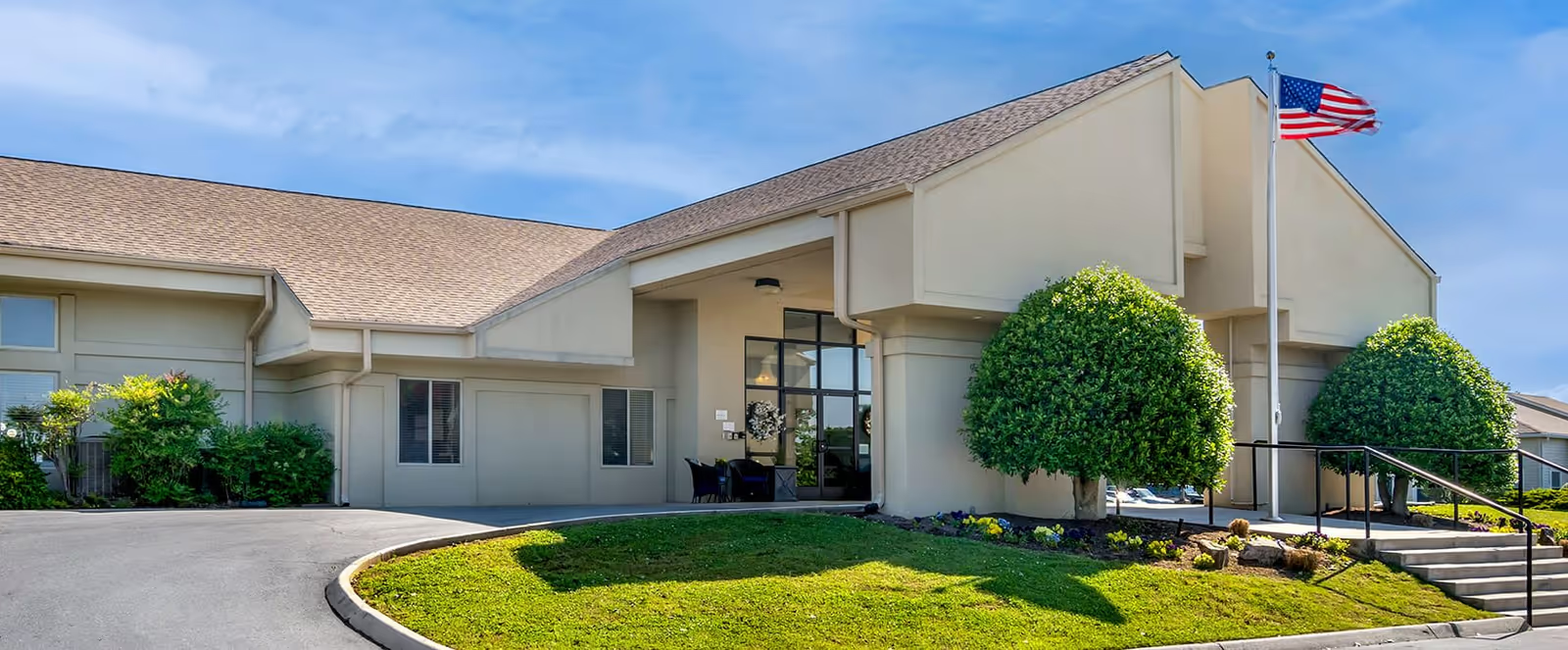
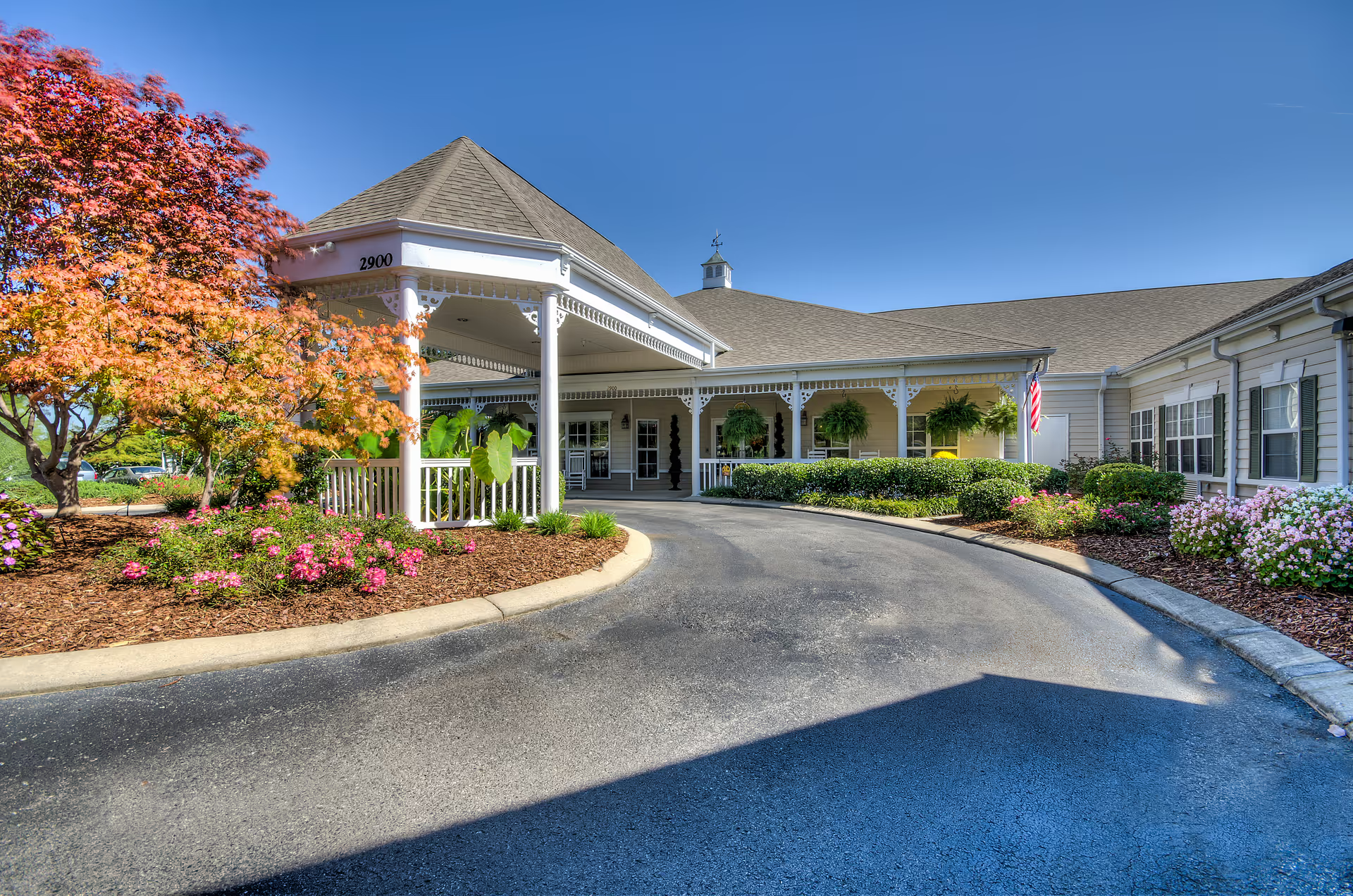
Overall impression: Reviews present a predominantly positive view of Decatur Wellness & Rehabilitation Center, with frequent praise for the staff, rehabilitation services, and facility environment. Many families and visitors highlight a welcoming, homelike atmosphere, clean and recently remodeled spaces, and an active life-enrichment program. Administration and leadership are consistently described as experienced and engaged, and the facility is noted for being conveniently located within the community.
Care and staff: Staff behavior is the most commonly cited strength. Caregivers, nurses, and aides are described as compassionate, attentive, and willing to go beyond routine duties to assist residents and families. Reviewers describe individualized attention, inclusion of residents in care decisions, and helpfulness across departments (nursing, admissions, chaplaincy). At the same time, there are recurring concerns about communication and responsiveness: a number of families reported insufficient clinical updates and delays in answering inquiries. These comments suggest variability in day-to-day responsiveness and the need for clearer, more consistent family–staff communication protocols.
Dining and clinical accommodations: Dining impressions are mixed. Several reviews describe lunches as appetizing and meals as homestyle and fresh, which contributes to the homelike environment. However, there are specific practical concerns about dietary accommodations — notably the ability to meet restrictive diets such as those for acid-reflux management. Prospective residents with specialized dietary needs should verify how those restrictions are handled and confirm documented procedures for modifications.
Activities and enrichment: The life-enrichment department receives strong positive mention. Activities are described as resident-centered and tailored to interests, ranging from indoor social events and music to outdoor activities like fishing and community outings. Transportation resources (community bus, wheelchair-accessible van) and organized offsite appointments are additional strengths that support resident engagement and continuity of medical care.
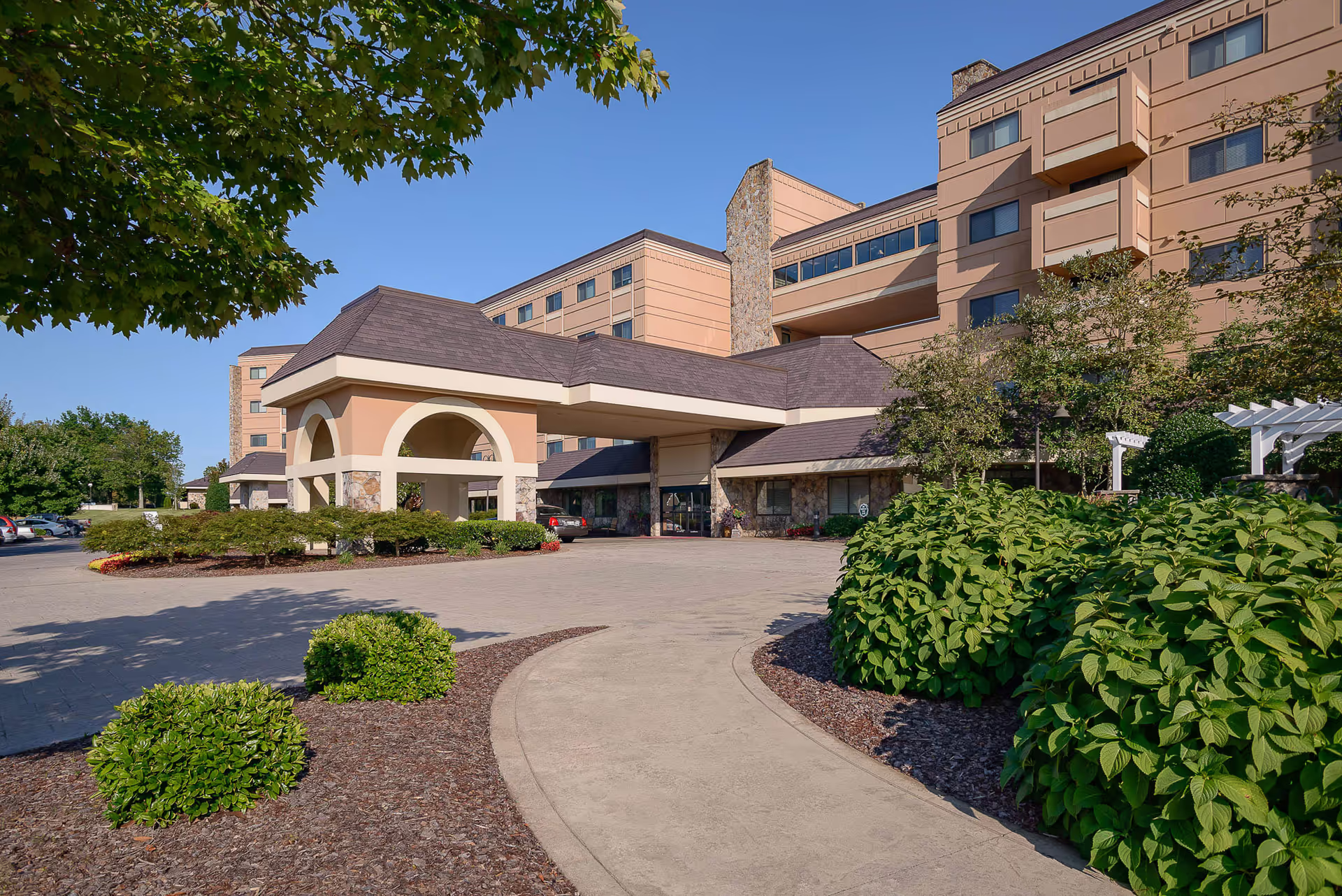
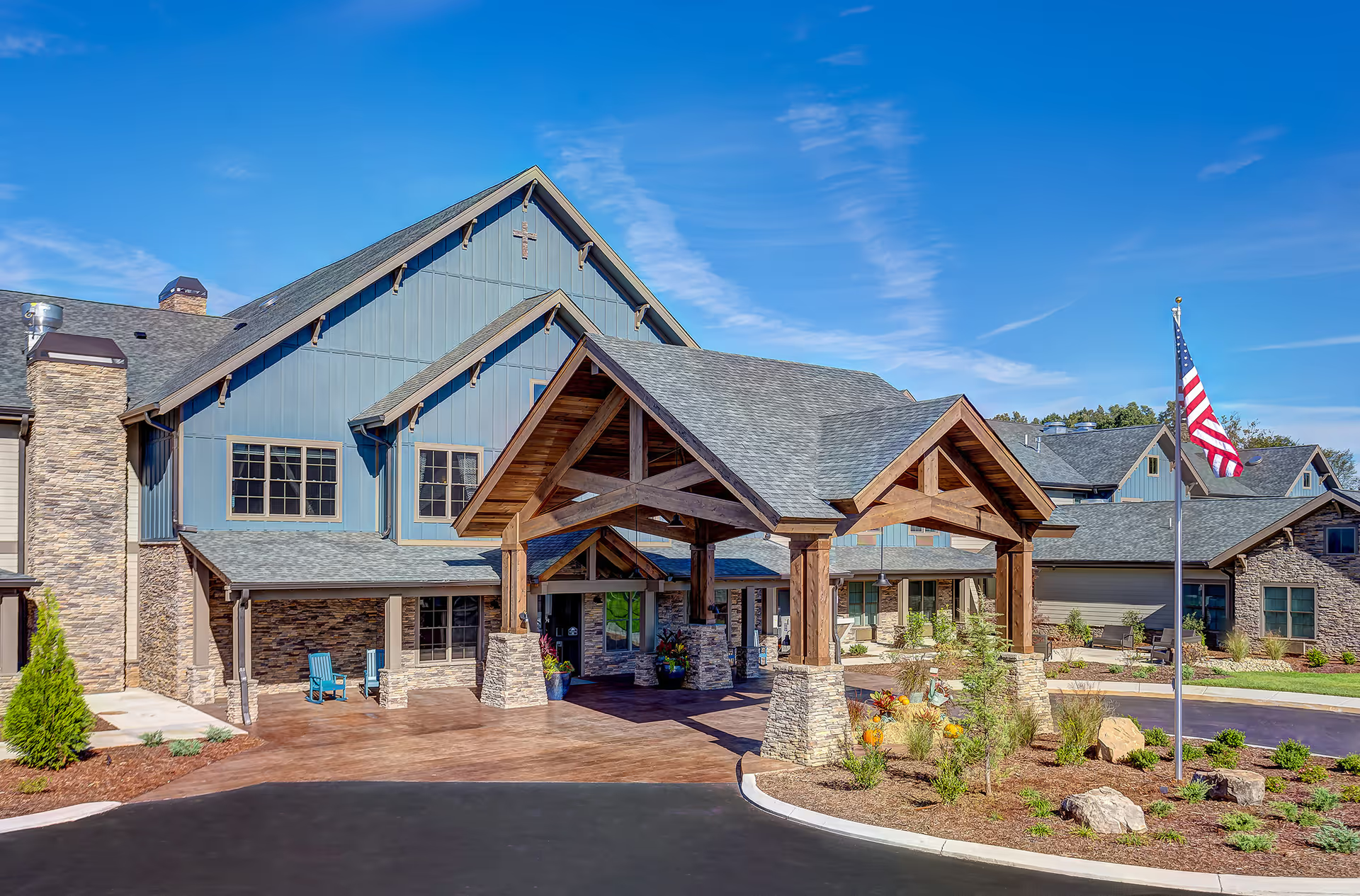
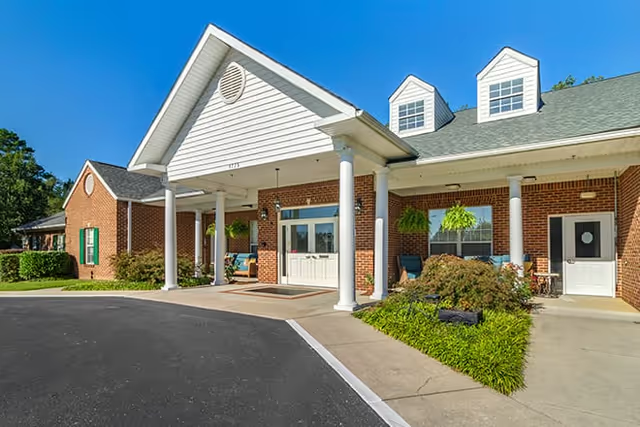
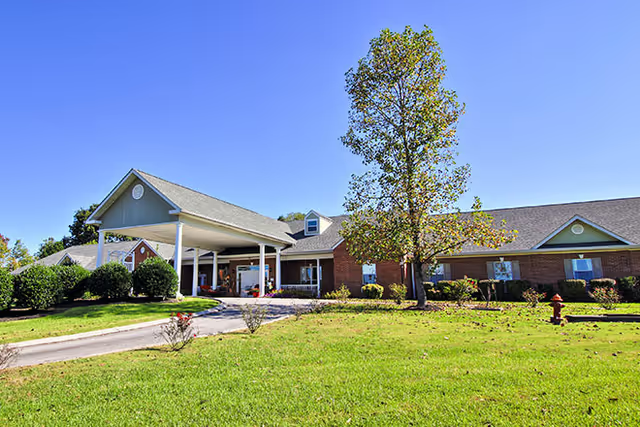
Facilities and management: Physical plant updates — modern remodels, attractive entrance, a new parking lot, and a generally odor-free environment — are consistently noted. Families appreciate practical supports such as the community bus and transportation for appointments. Leadership is described as knowledgeable, with administrators holding cross-disciplinary experience in long-term care; this is reported to contribute to operational strengths and a focus on resident well-being.
Notable patterns and recommendations: The dominant pattern is one of strong relational care, active programming, and a clean, welcoming facility. The principal areas for improvement are operational: clearer, more consistent family communication and standardized processes for dietary accommodation and care coordination, particularly during transitions (admissions, changes in condition, end-of-life/hospice planning). For prospective residents and families, recommended steps include touring the facility, meeting the clinical and life-enrichment teams, asking about communication protocols (frequency and method of clinical updates), and confirming how specific dietary or clinical needs will be managed and documented.