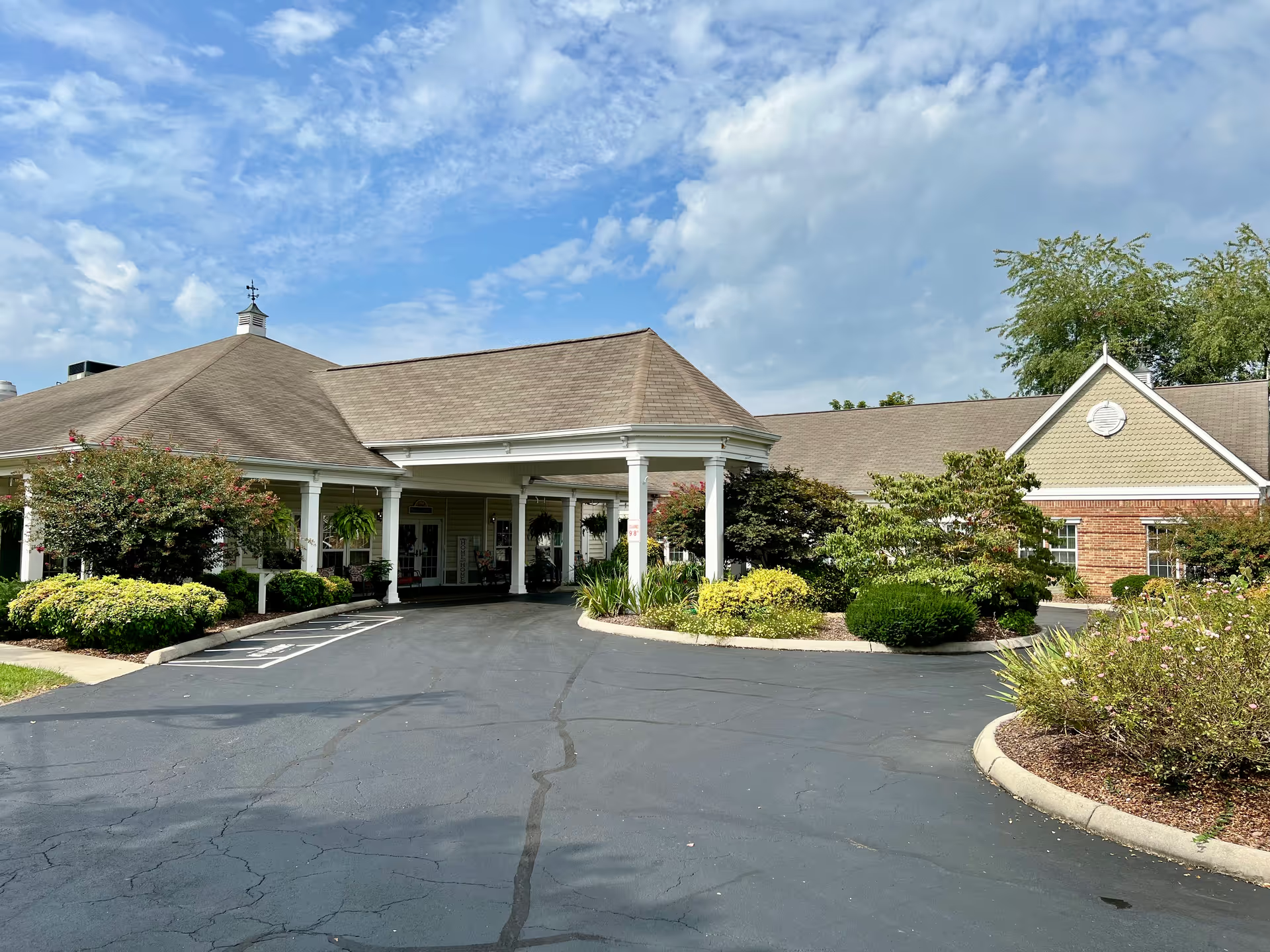
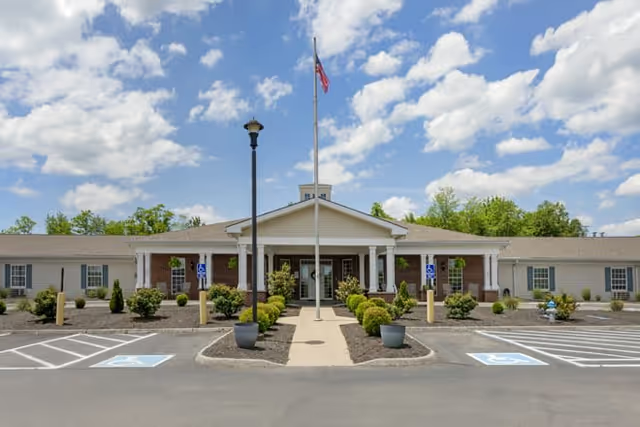
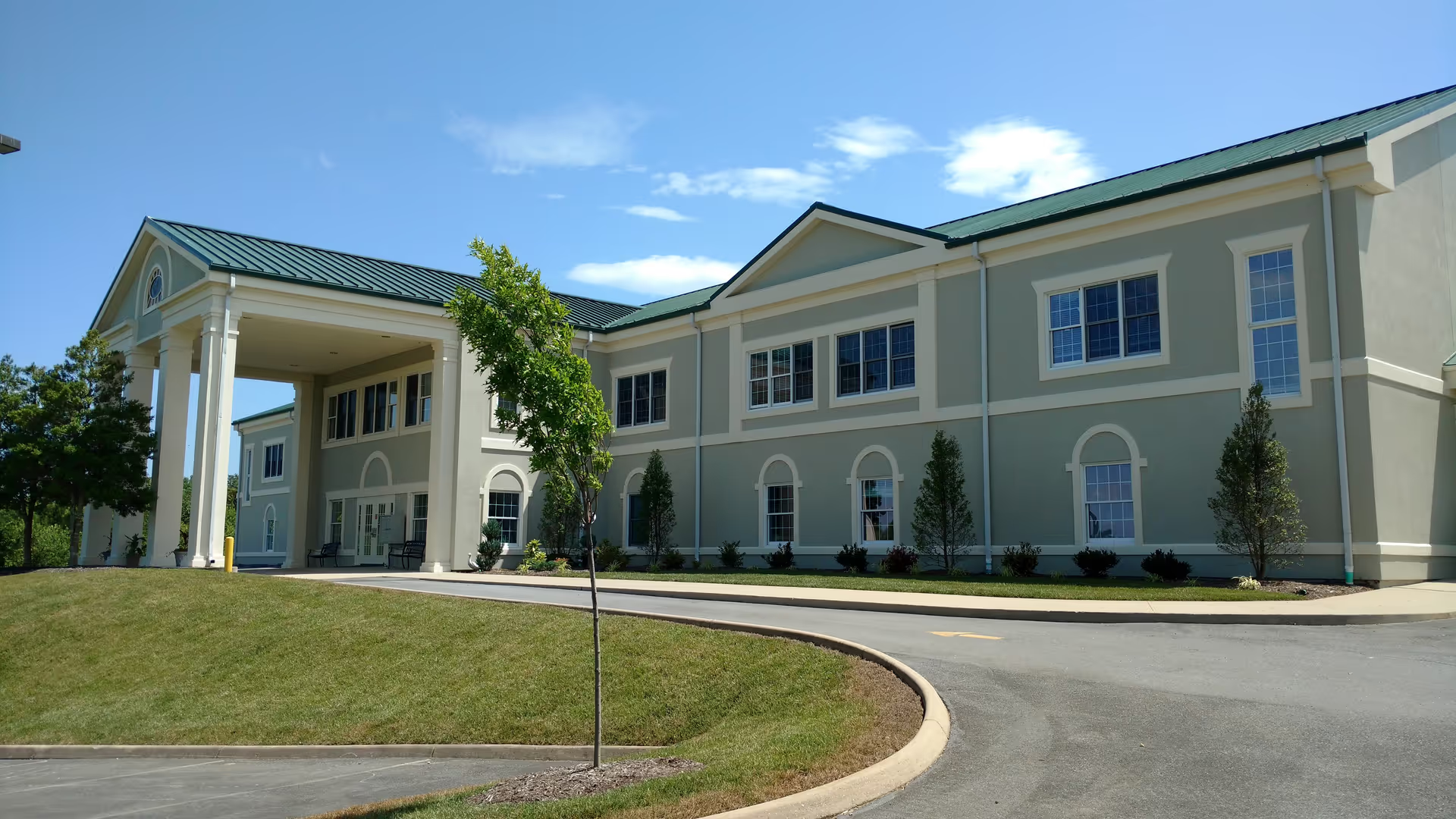
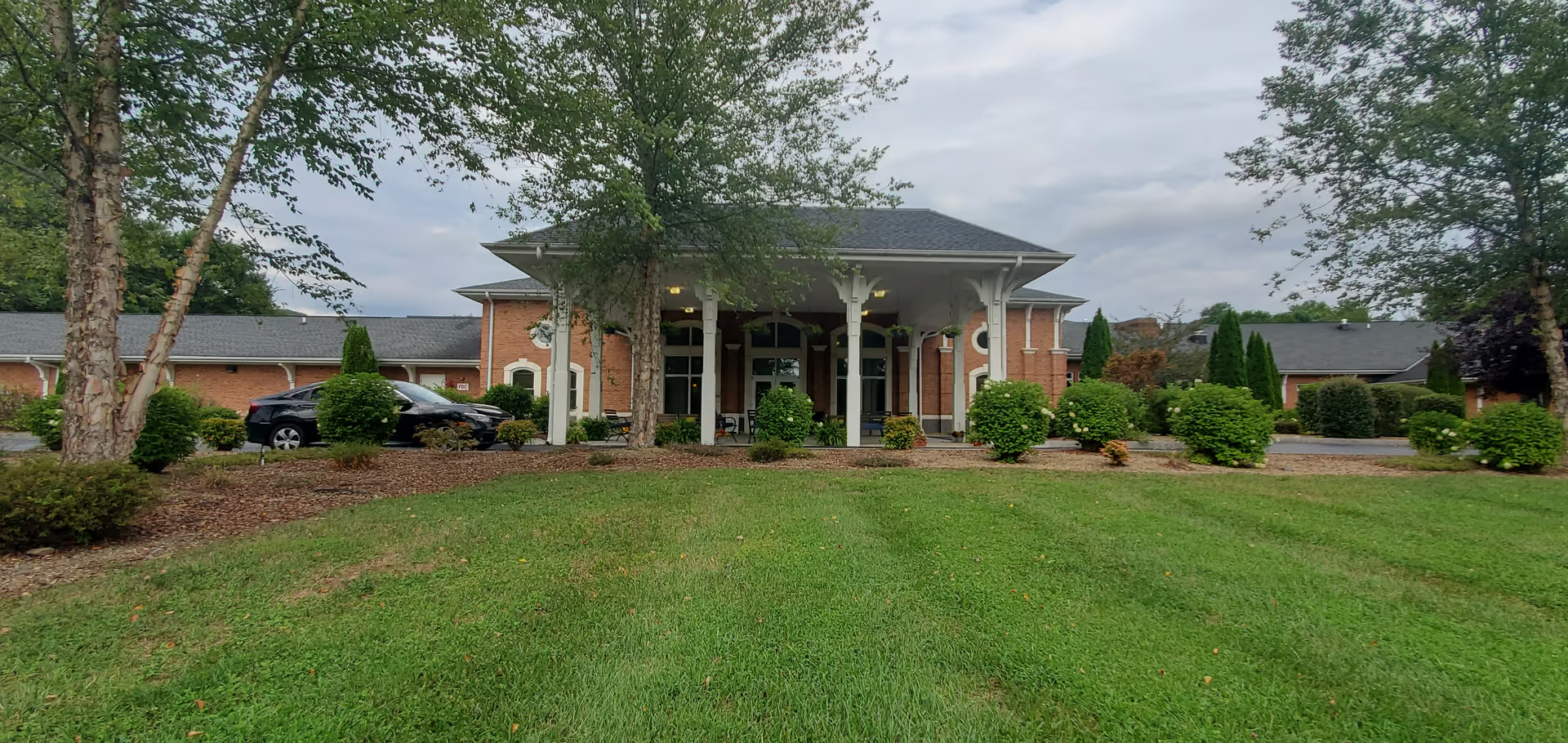
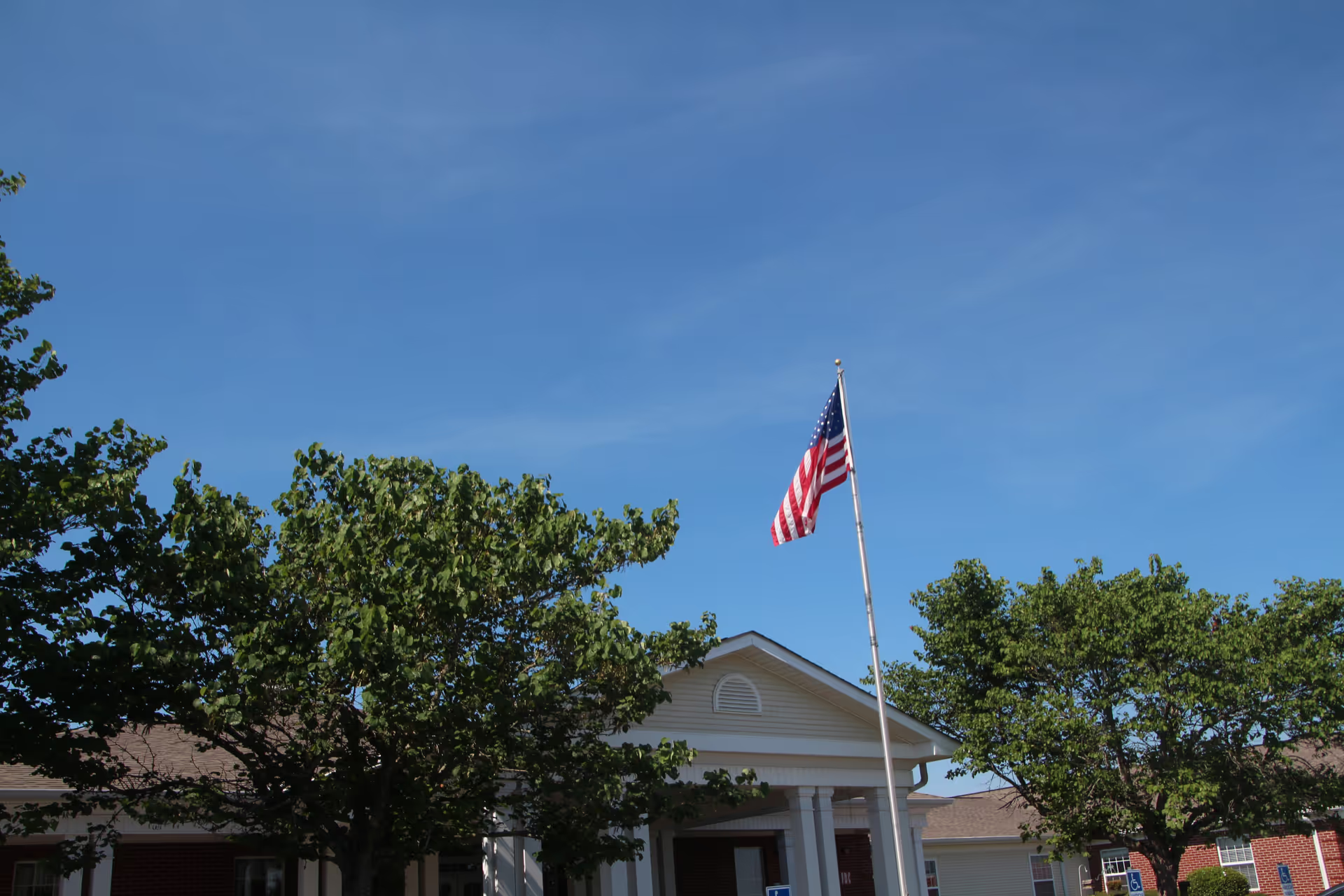
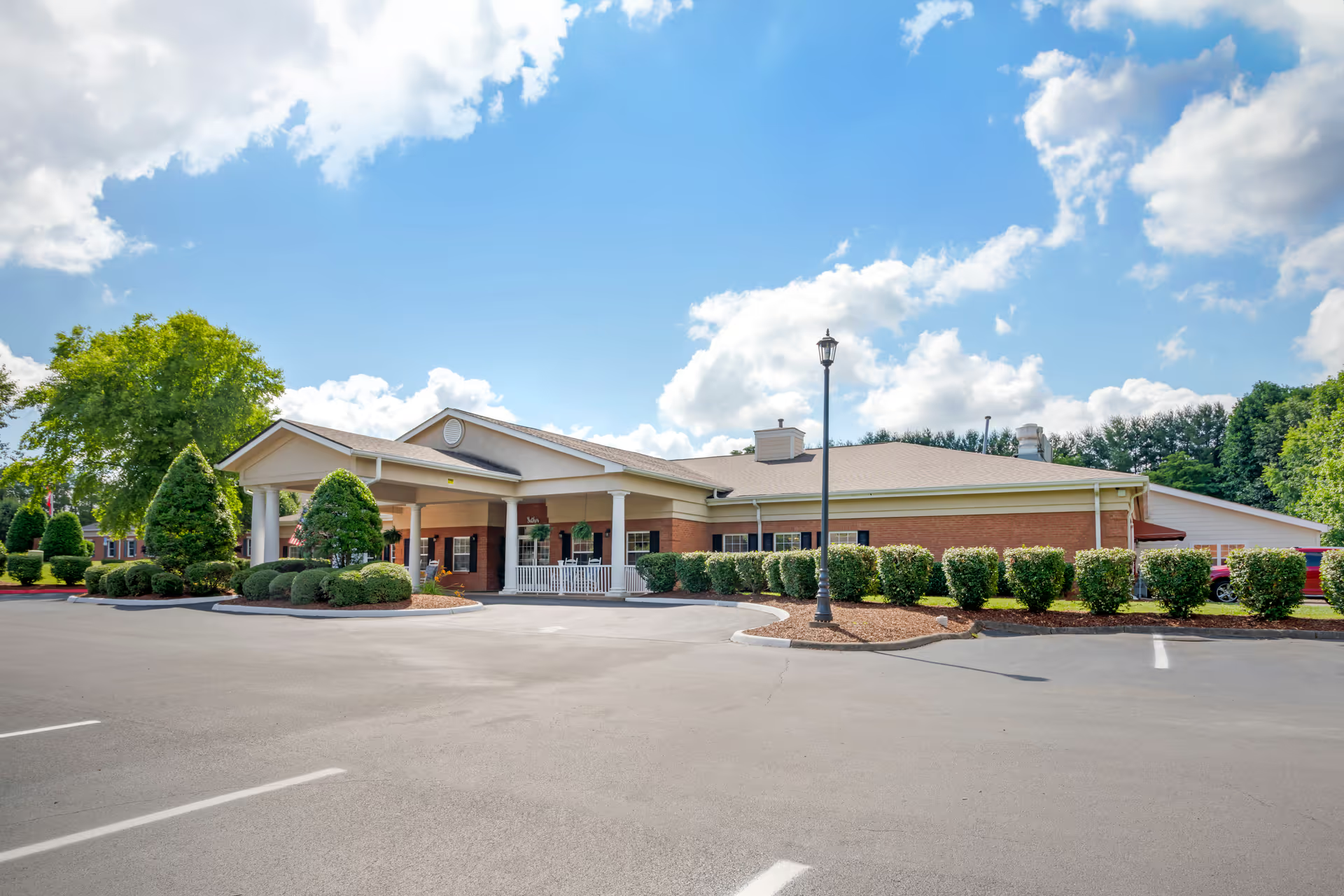
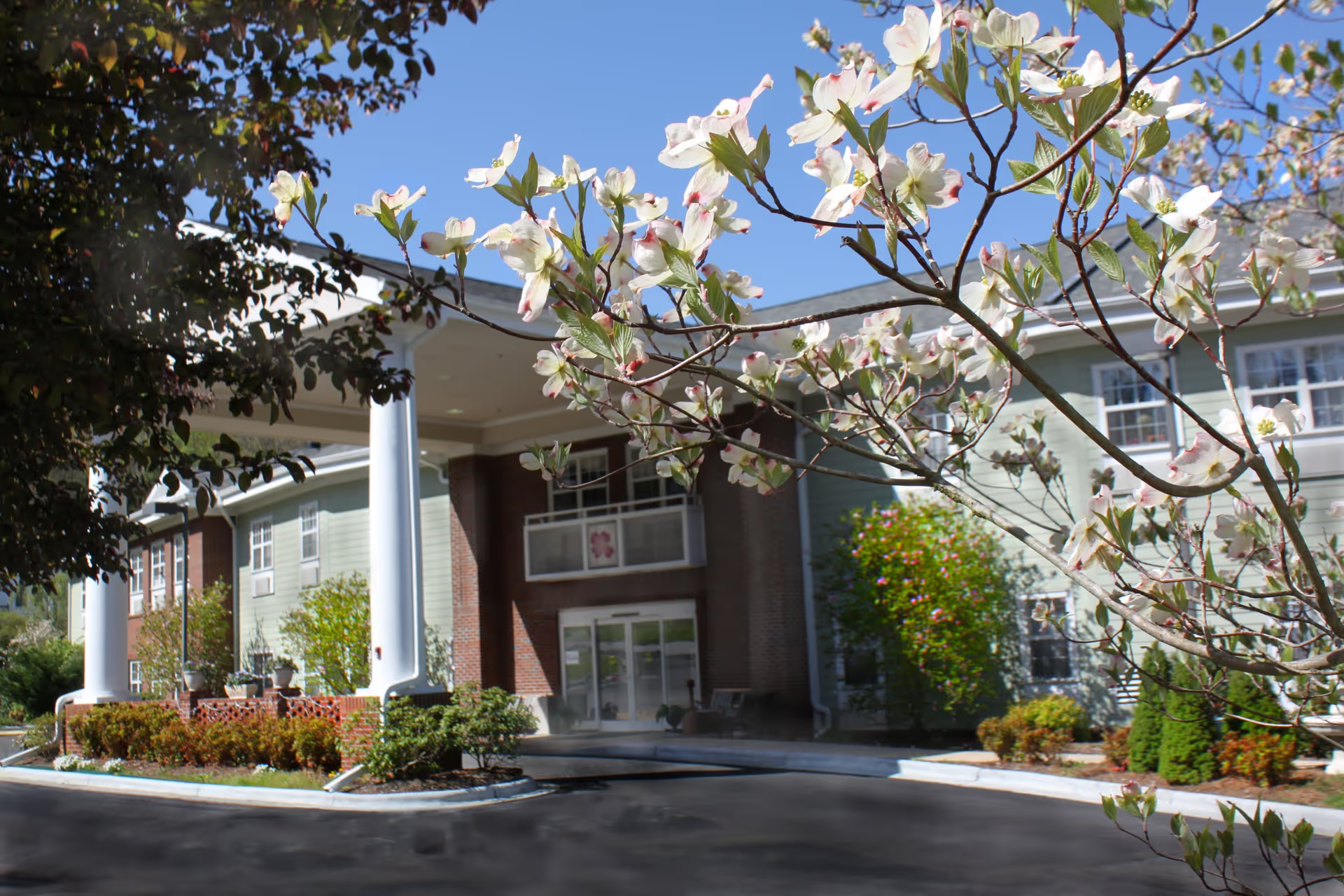
Laughlin Healthcare Center elicits strongly mixed impressions. Many families and residents describe a small, well-kept setting with compassionate nursing and supportive staff; several highlight a clean, odor-free building, attractive outdoor spaces and a peaceful hilltop location. These features contribute to a homelike atmosphere for long-term residents and positive short-stay rehabilitation experiences for some patients.
Care quality and staffing present a mixed picture. Positive accounts emphasize professional, caring nursing teams, timely physician involvement, and attentive staff who provide individualized assistance. However, other accounts point to concerning operational gaps: inconsistent medication administration and monitoring, variable responsiveness to call bells and personal-assistance requests, and occasional lapses in incontinence care. These issues suggest that staffing variability and workload may affect continuity of care at times.
Clinical coordination and documentation show similar variability. Several comments note prompt doctor action and clear communication in many situations, while others describe incomplete or delayed recordkeeping and communication breakdowns with families. There are also specific concerns about end-of-life care coordination and hospice engagement that indicate opportunities to strengthen clinical pathways and family communication around advanced illness and transitions.
Dining and food services receive mixed evaluations. Some families describe good meals and positive dining experiences, whereas other remarks raise concerns about food quality control and meal suitability for residents with dietary needs such as diabetes. Prospective residents should confirm meal planning, dietary accommodations, and food-safety practices during a visit.
Facility amenities and activities are frequently praised: well-maintained rooms and bathrooms, a welcoming courtyard with flowers, visible wildlife, and organized activities that residents enjoy. The small size of the facility is often cited as a strength that supports individualized attention, though it may also limit staffing depth and resources. Operational limitations such as the absence of in-room phones were noted and may affect convenience and resident communication.
Overall, Laughlin appears to offer a caring, clean, and peaceful environment with many strengths in nursing and community life, but there are recurring operational concerns—particularly around medication practices, documentation, responsiveness, and dining oversight—that warrant attention. Families considering Laughlin should tour the facility, ask about medication-safety protocols, staffing patterns, end-of-life/hospice procedures, and food-safety practices, and request to review recent care-plan examples and documentation processes to assess fit for their loved one.