Overall impression Regency Retirement Village of Morristown is described across many accounts as a large, amenity-rich community with a strong culture of day-to-day caregiving. Reviewers consistently praise the caring nature of direct-care staff, the availability of nursing and administrative personnel around the clock, and a broad activity and dining program that supports social engagement and resident well‑being. The community offers multiple levels of care, a secure memory-care unit, on-site amenities (library, theater, exercise room, café), transportation for outings, and routine housekeeping and laundry services. Several families singled out the community atmosphere and the individualized attention residents receive.
Care and staff Care quality is generally portrayed positively: the facility is credited with compassionate caregivers, proactive nursing oversight, frequent resident checks, and staff who know residents by name. The memory-care unit receives particular commendation for safety and engaged staff. At the same time, there are recurring operational concerns: reviewers describe variable staffing levels and turnover that can affect consistency of care, and there are instances of lapses in clinical-incident response and family communication. A subset of comments highlights problematic staff conduct or customer-service tone in specific interactions. These patterns suggest that while clinical coverage and routine monitoring are strengths, families should verify current staffing stability and incident‑communication practices during tours.
Dining and activities Dining is a prominent strength for many residents: fresh daily meals, choice of entrees, salad bars, snacks and special treats, and dietary accommodations are frequently mentioned positively. The community also hosts private dining, themed meals, and an active café. A minority of accounts note occasional reductions in meal portioning or variable food-service delivery and a few negative interactions with dining staff. Activities programming is broad and energetic — arts and crafts, bingo, singing, exercise classes, yoga, church services, theater events, outings, and social parties are repeatedly cited. The program appears especially strong for residents who benefit from structured social engagement; however, some independent residents felt there were fewer offerings specifically tailored to fully independent lifestyles.
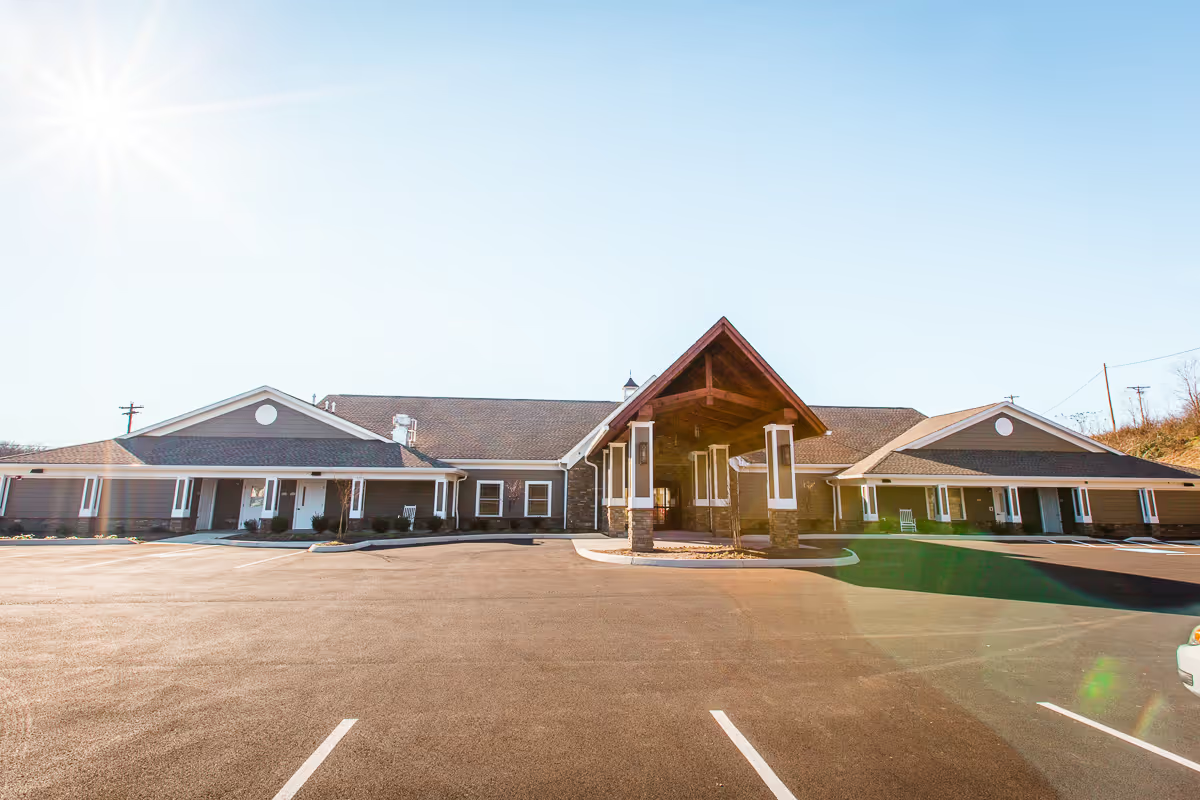
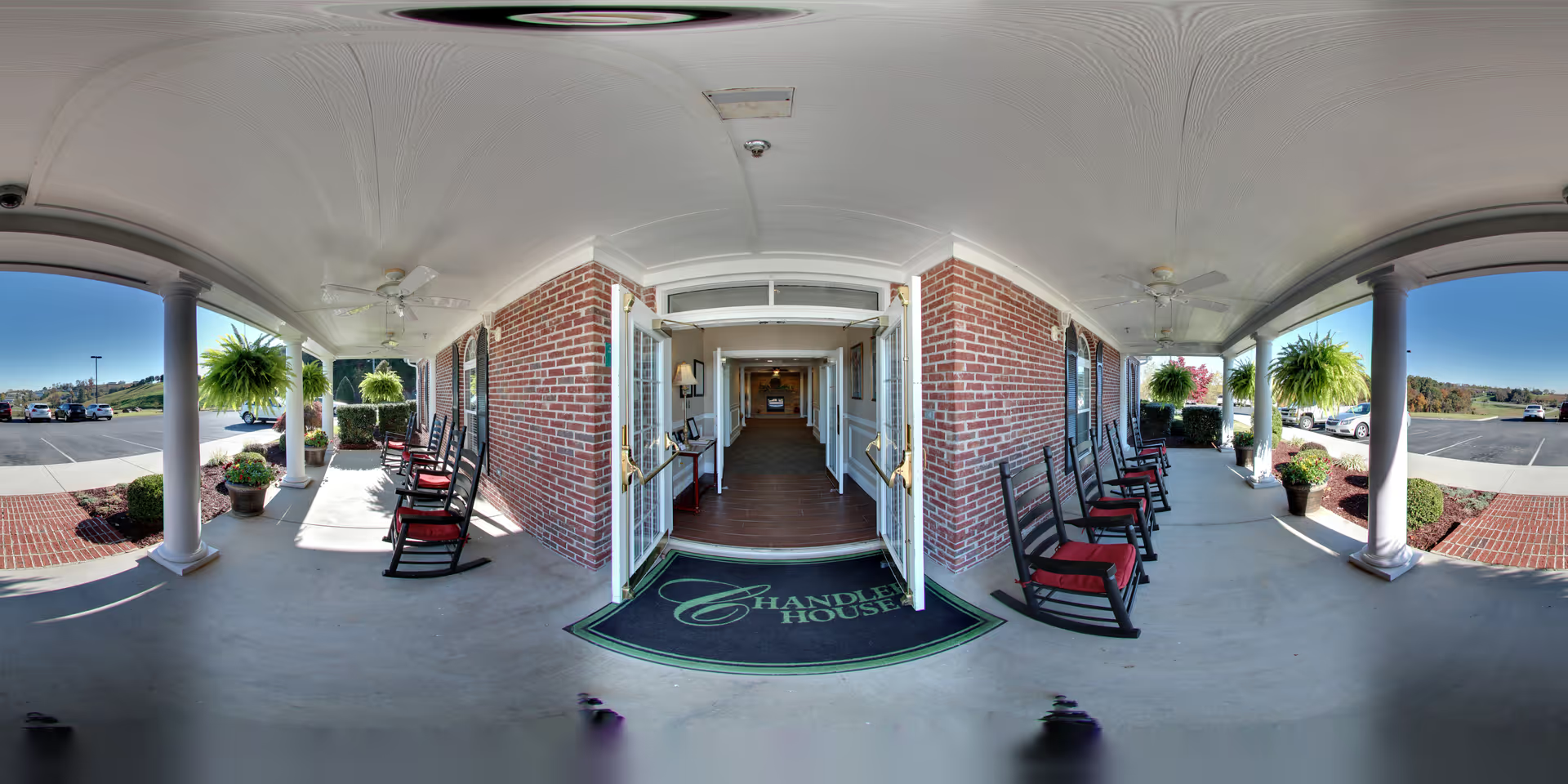
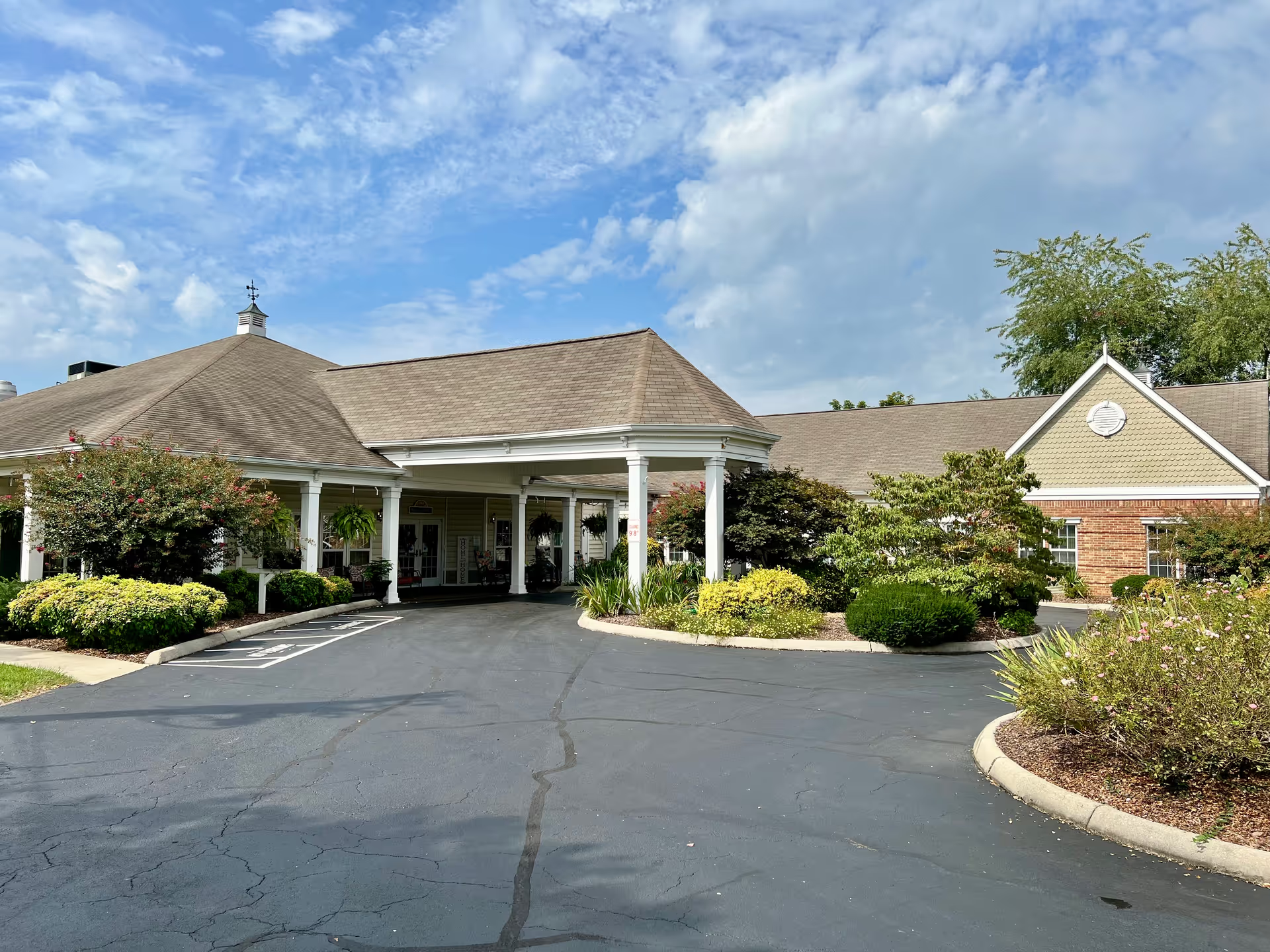
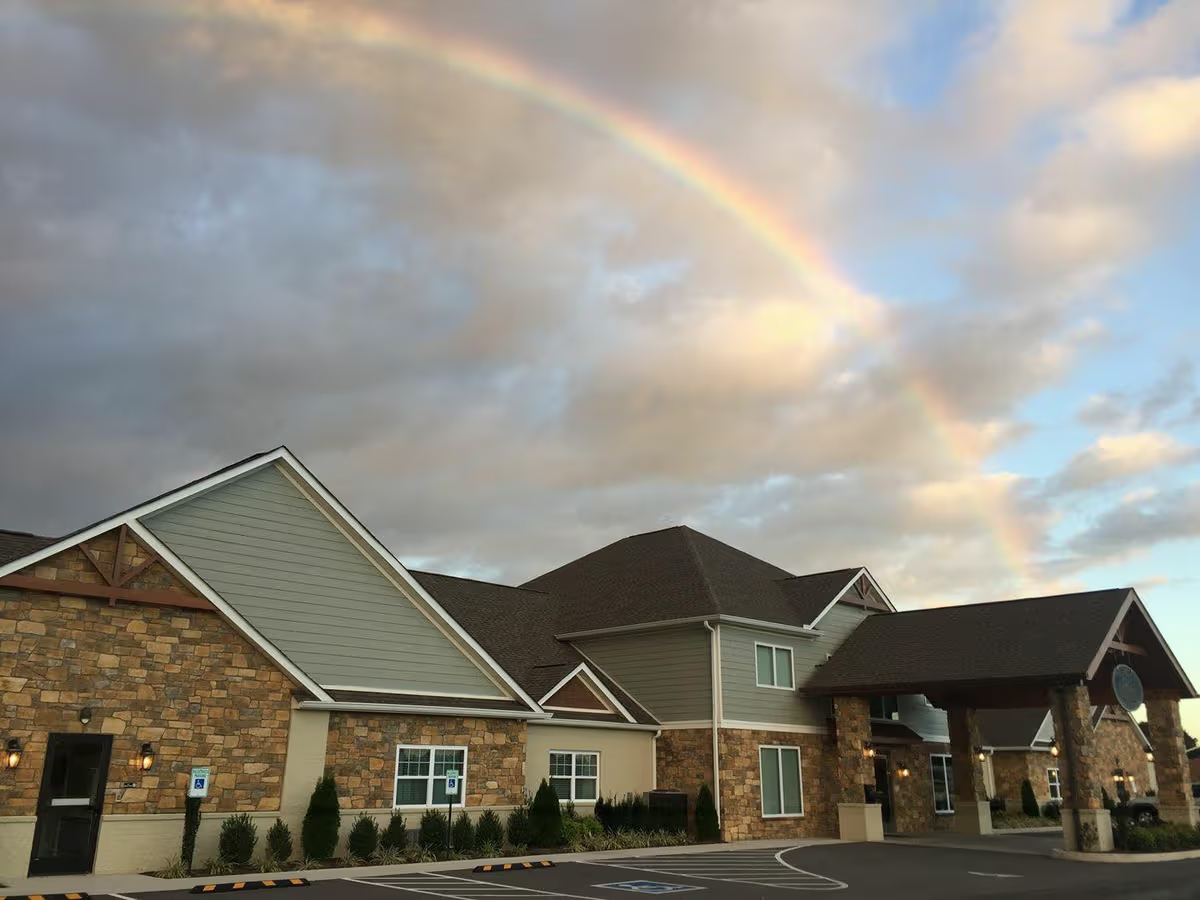
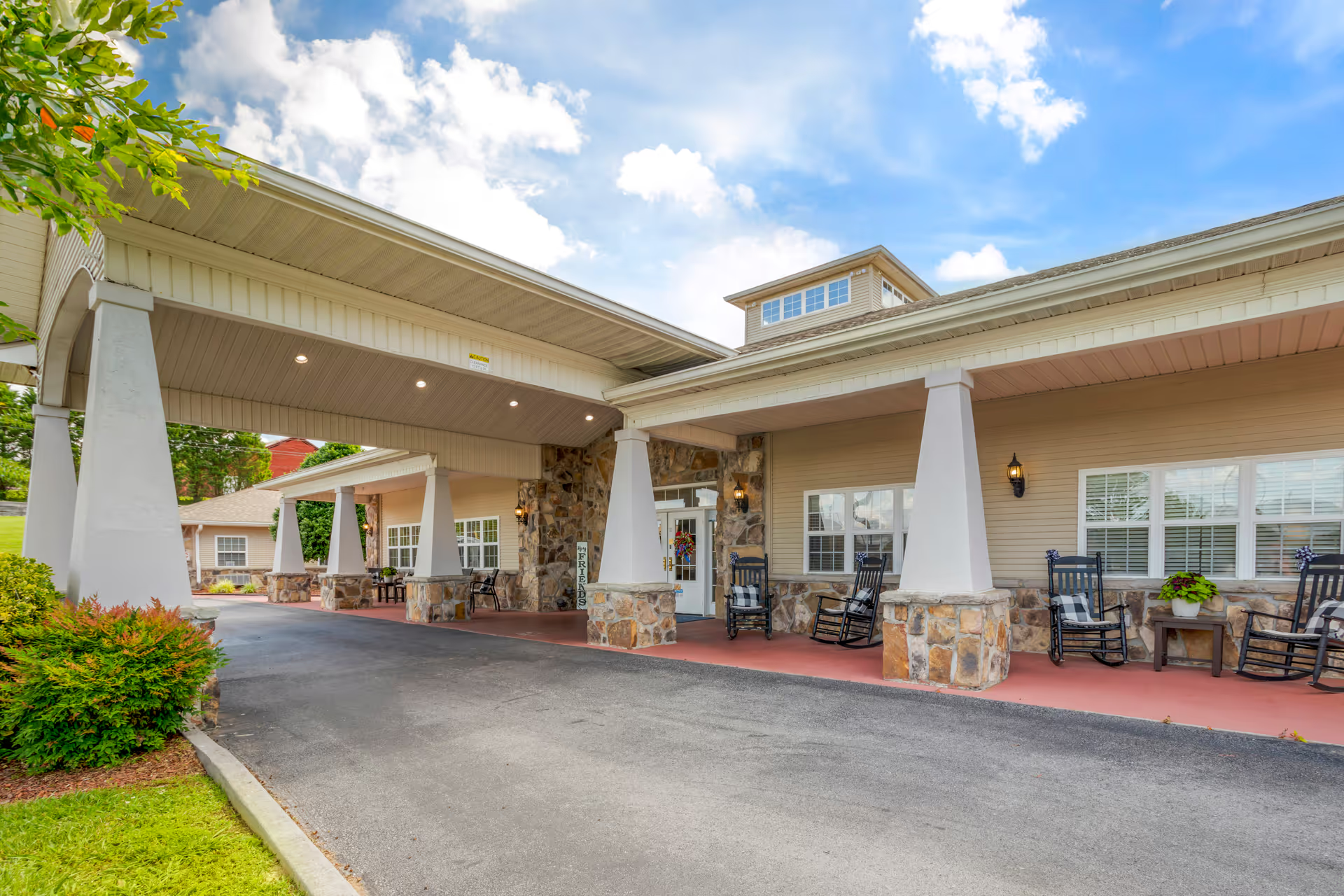
Facilities and operations Physically, the property is characterized as clean, well‑maintained and spacious, with thoughtful common areas and outdoor walking paths. Maintenance responsiveness and room readiness at move‑in receive positive mention. Several reviewers noted that portions of the building show age and could benefit from cosmetic updates (brighter paint, refurbishment). The facility’s large, multi‑story layout is appreciated by those seeking many services but may feel too busy for those who prefer smaller communities.
Management, billing, and notable patterns Management impressions are mixed: many families praise responsive leadership and administrators who address concerns, while others describe management turnover and decisions perceived as financially driven. Billing and refund processing surfaced as a recurring operational weakness — complaints include delayed refunds, billed charges for short stays, or confusion around add‑on fees. Admission and insurance navigation can be complex for some prospective residents, particularly relating to Medicaid/insurance pathways. In a few accounts, families reported serious post‑incident concerns (including concerns following a resident’s death) and inconsistent communication after clinical events; these are individual but significant enough that prospective families should ask about the facility’s incident‑reporting procedures and family notification protocols.
Bottom line and practical considerations Regency offers many established strengths: an active social program, well-regarded dining, on-site clinical coverage, and a strong memory-care unit. These attributes make it a suitable option for families seeking a full-service assisted living environment with abundant programming and clinical supports. Prospective residents and families should, however, assess current staffing stability, clarify billing/refund policies in writing, review the facility’s clinical-incident and family-notification processes, and confirm the availability of programming that matches the prospective resident’s independence level. A focused tour including a sampled meal, conversation with clinical leadership, and review of recent quality or incident logs will help reconcile the broadly positive day‑to‑day reports with the operational concerns noted by some families.