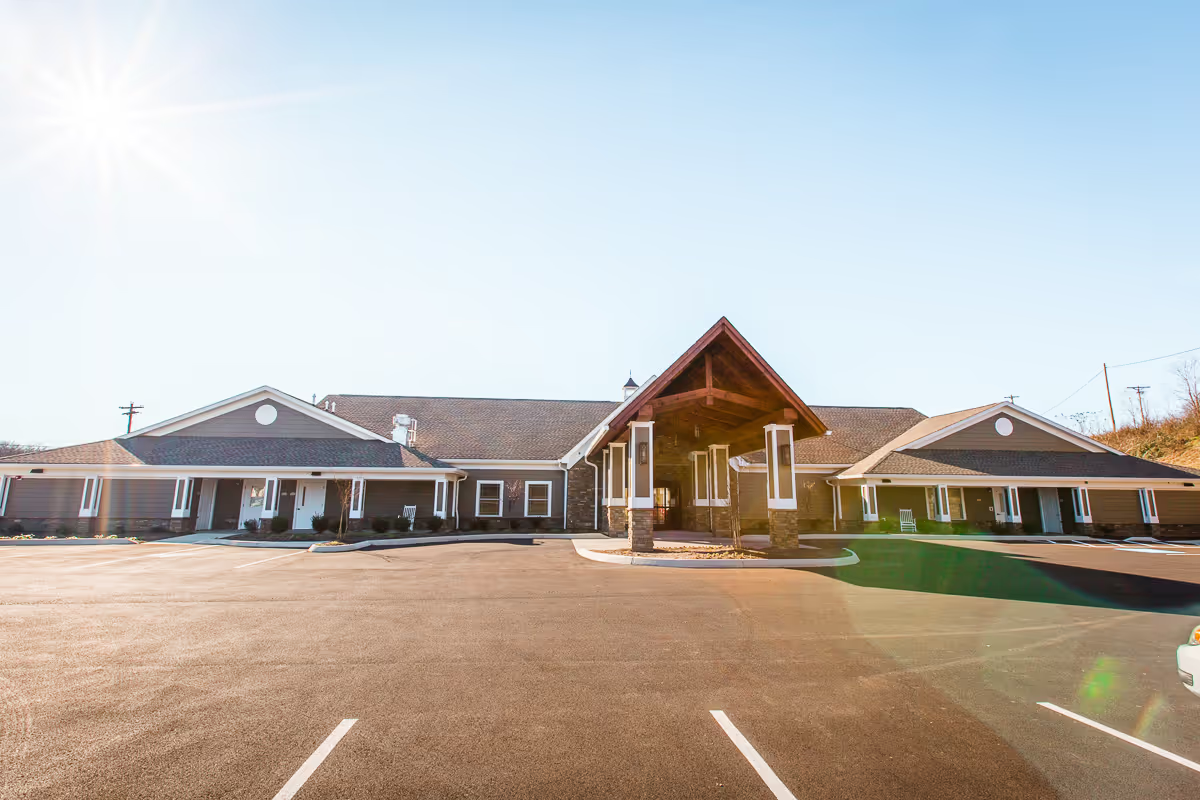
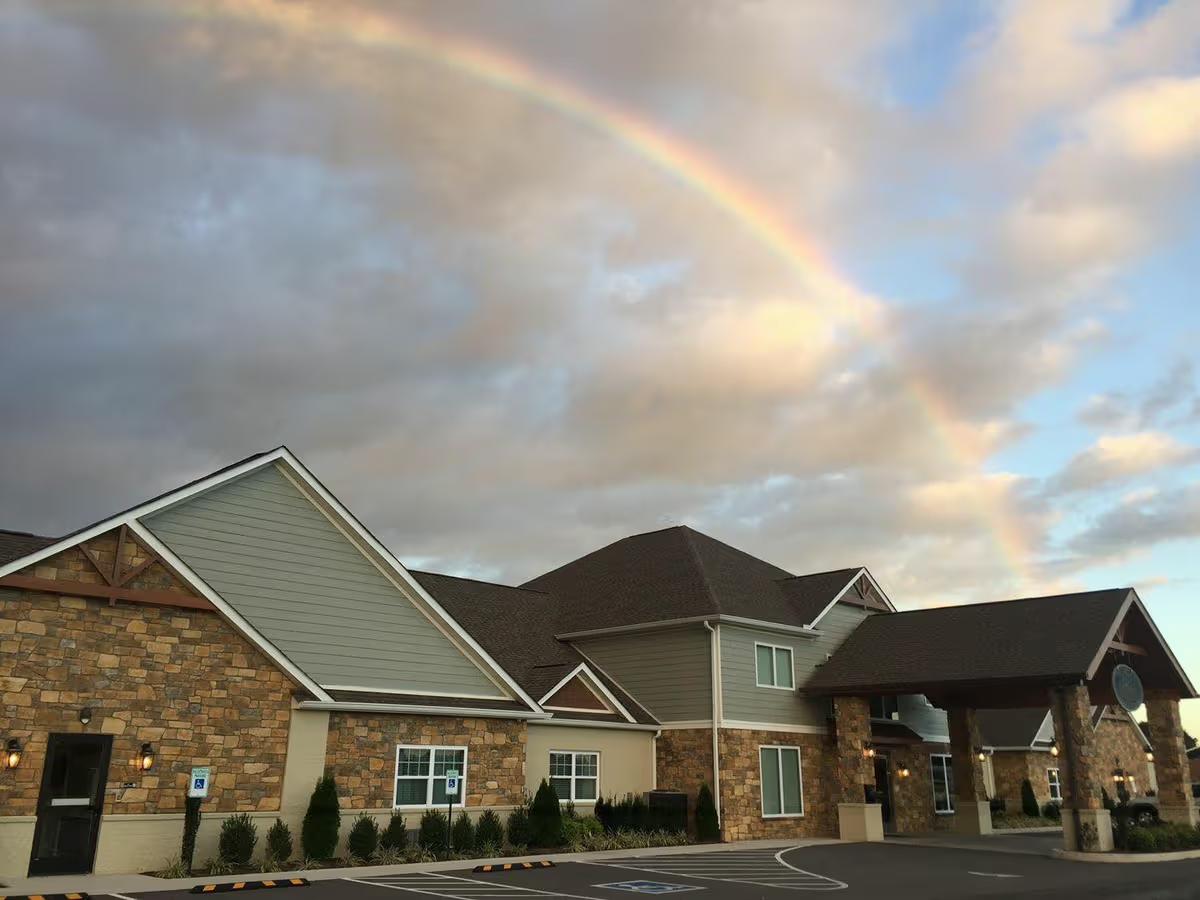
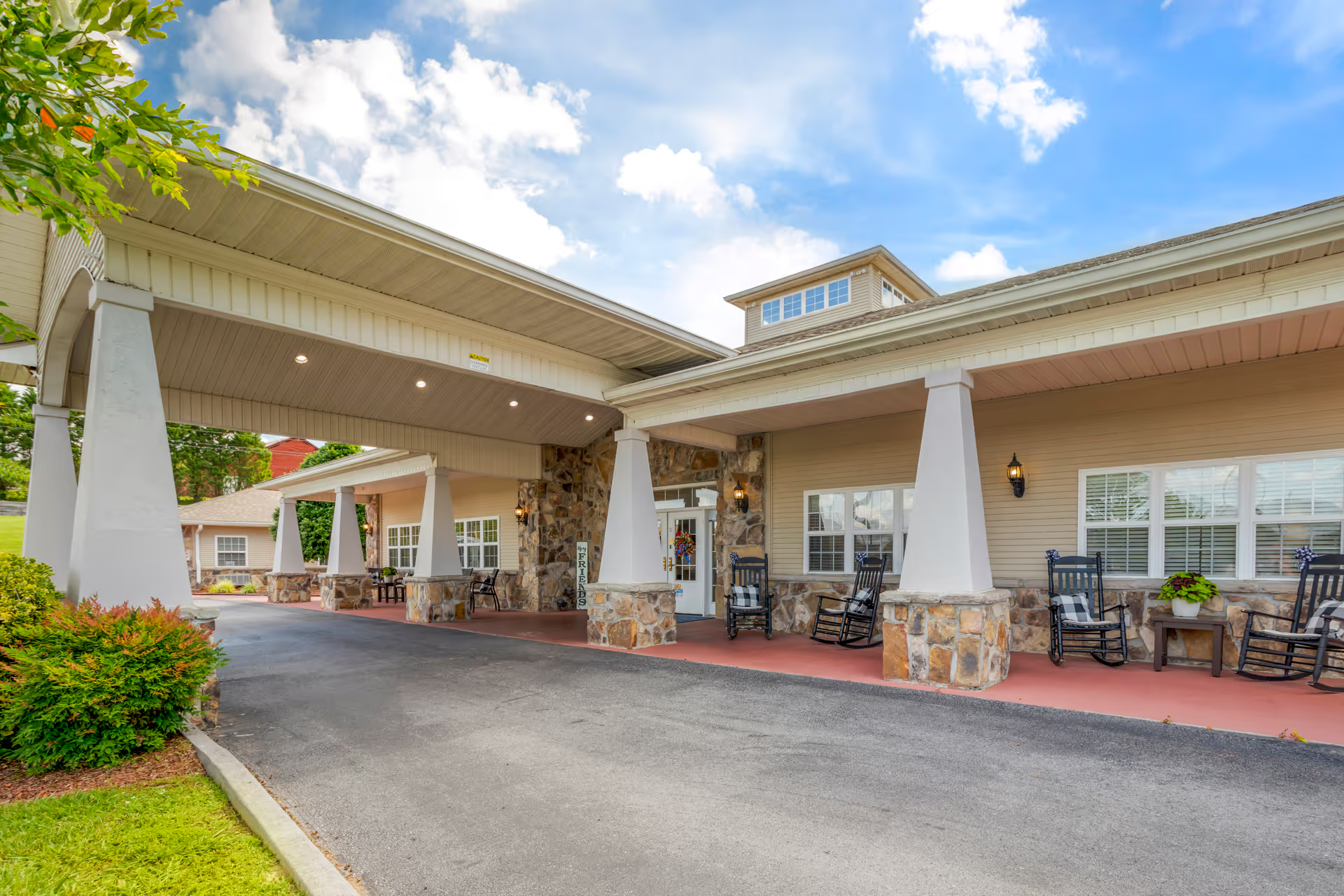
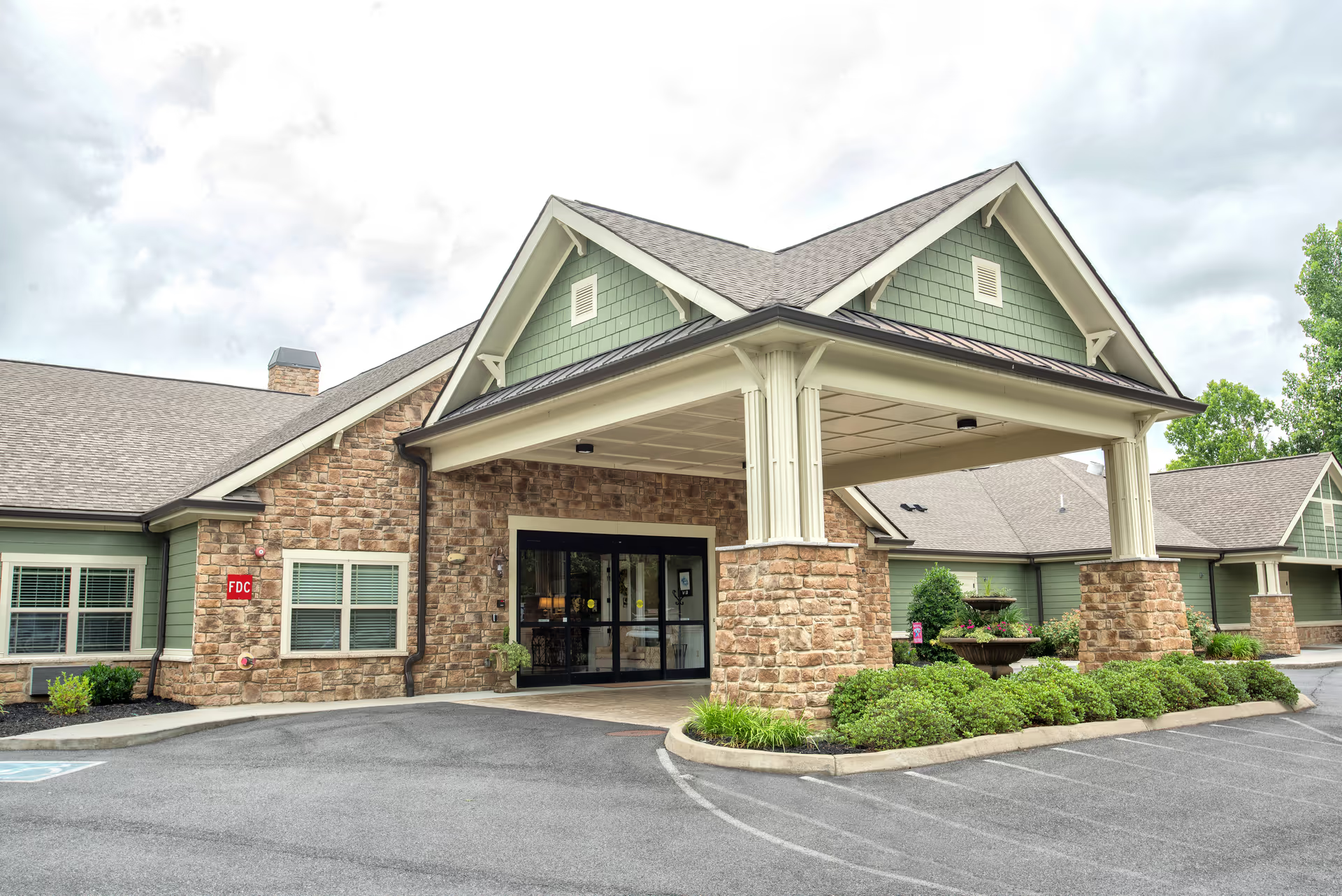
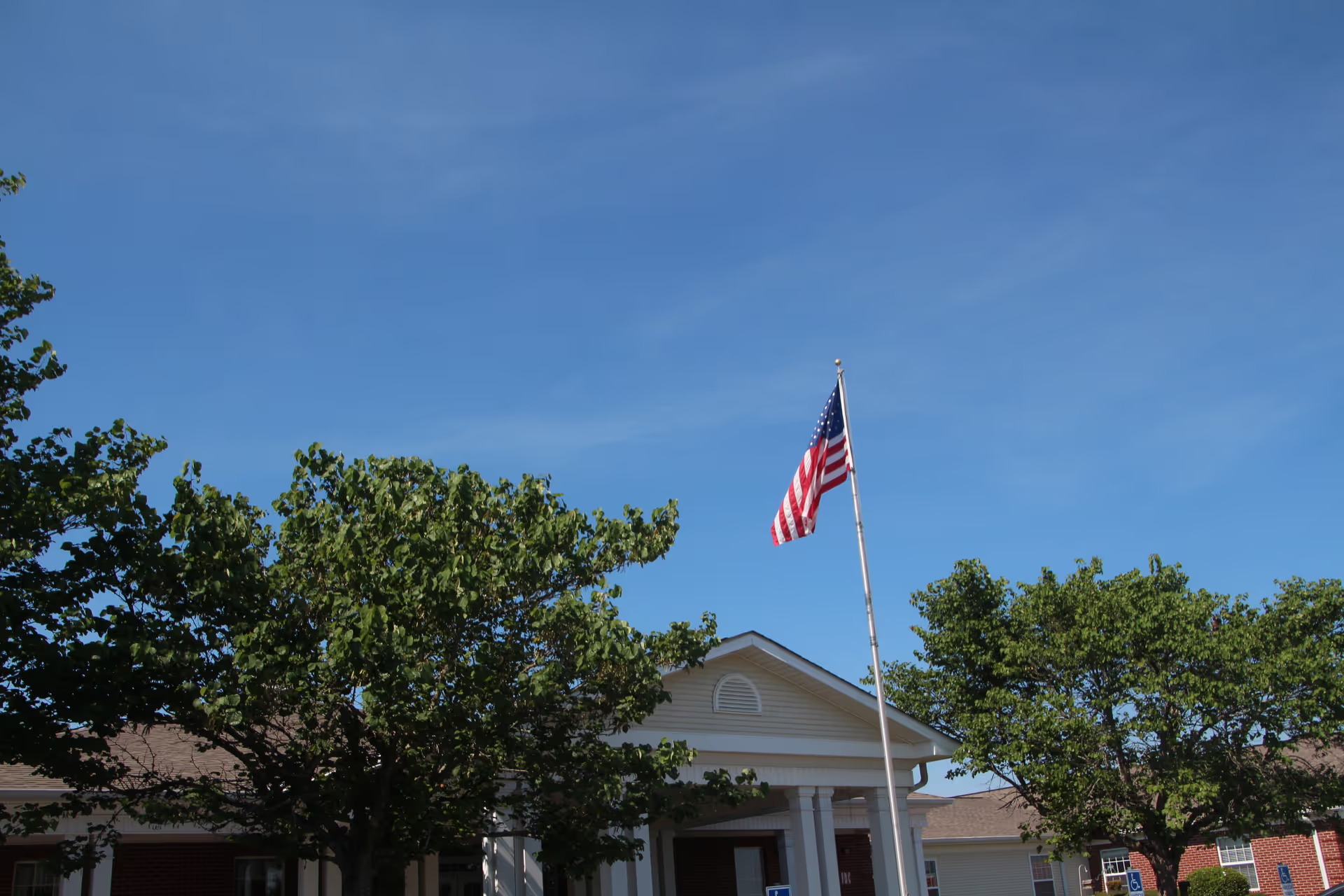
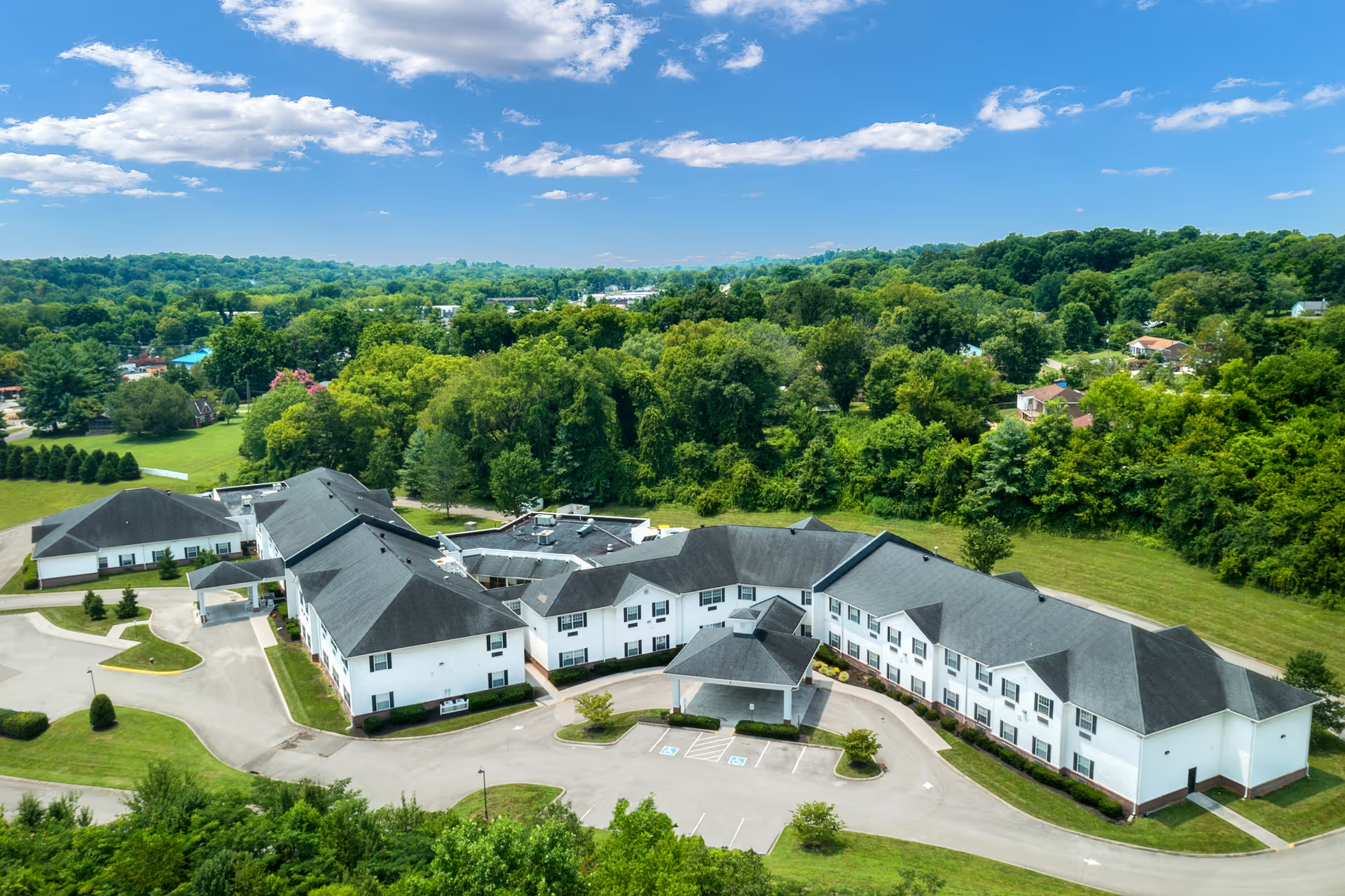
Charter Senior Living of Jefferson City is consistently described as a welcoming, scenic community with a strong emphasis on social engagement and family inclusion. Families and visitors frequently highlight the facility’s mountain views, well-maintained outdoor spaces and patios, single‑floor layout for easy navigation, and comfortable common areas such as the library with a fireplace and living-room–style activity space. The small memory-care unit and the overall small-community atmosphere are repeatedly noted as strengths that support resident friendships and individualized attention.
Care quality and staff performance are central positive themes. Multiple accounts describe staff as compassionate, encouraging, and willing to go above and beyond; physical-therapy and occupational-therapy services are available and have been credited with measurable resident improvements. The memory-care team is praised for helping residents adjust and recognize familiar cues. That said, families should be aware of operational gaps flagged in the feedback: there are recurring accounts of inconsistent responsiveness (including phone communication), medication-management communication gaps between staff and families, and periods of high staff turnover that can affect continuity of care. There are also indications of lapses in supervision and transfer/fall-prevention practices and occasional issues with managing residents’ personal belongings and clothing—operational areas worth reviewing directly with administration.
Dining and nutrition are described in mixed terms. The dining environment is often characterized as pleasant and home‑like, with formal touches (cloth napkins, dessert offerings) and special holiday meals and events. Many families praise the food and five-star dining experiences, while others have expressed concerns about meal appearance and consistency—issues sometimes exacerbated by ongoing renovations or temporary kitchen/dining disruptions. Prospective residents should arrange a meal visit when possible and ask about current kitchen operations during remodeling.
Activities and community life are strong points. The community maintains a full calendar with varied programming (bingo, men’s breakfast club, Pictionary, concerts, holiday parties), faith-based services during the week, and staff-hosted family participation events. Scheduled transportation for outings and partnerships with a nearby community center expand activity options. Reviewers credit this programming with improved mood and engagement for many residents, noting regained appetite, use of walkers, and increased social interaction.
Facilities and management present a largely positive picture with some operational caveats. Cleanliness, front-desk hospitality, infection-control measures (plexiglass solutions for safe visits), and ongoing capital improvements receive favorable comments. Specific staff and managers (including the sales director and at least one manager named in feedback) are singled out for helpfulness. At the same time, construction and remodeling have caused temporary disruption to dining and activities, and administrative communication—particularly phone responsiveness and coordination around medications—has been flagged as inconsistent. A few families also expressed concerns about perceived value relative to cost.
Overall, the facility is well suited to families prioritizing compassionate staff, active programming, and a small, scenic setting with dedicated memory care. Prospective families should tour current renovation areas, observe meal service, meet the clinical team responsible for medication administration and fall prevention, and ask about staff turnover and contingency staffing plans to address the pattern of operational concerns described above.