Wellington Manor is frequently described as a staff-driven community where caregiving quality and family communication are strong highlights. Reviewers consistently emphasize compassionate, attentive staff who provide close health monitoring, quick emergency response and proactive outreach to families. These strengths contribute to a commonly reported sense of safety, peace of mind, and positive resident adjustment, including hospice coordination when needed. Long-tenured local employees and a family-like culture are recurring positives that appear to support day-to-day resident comfort.
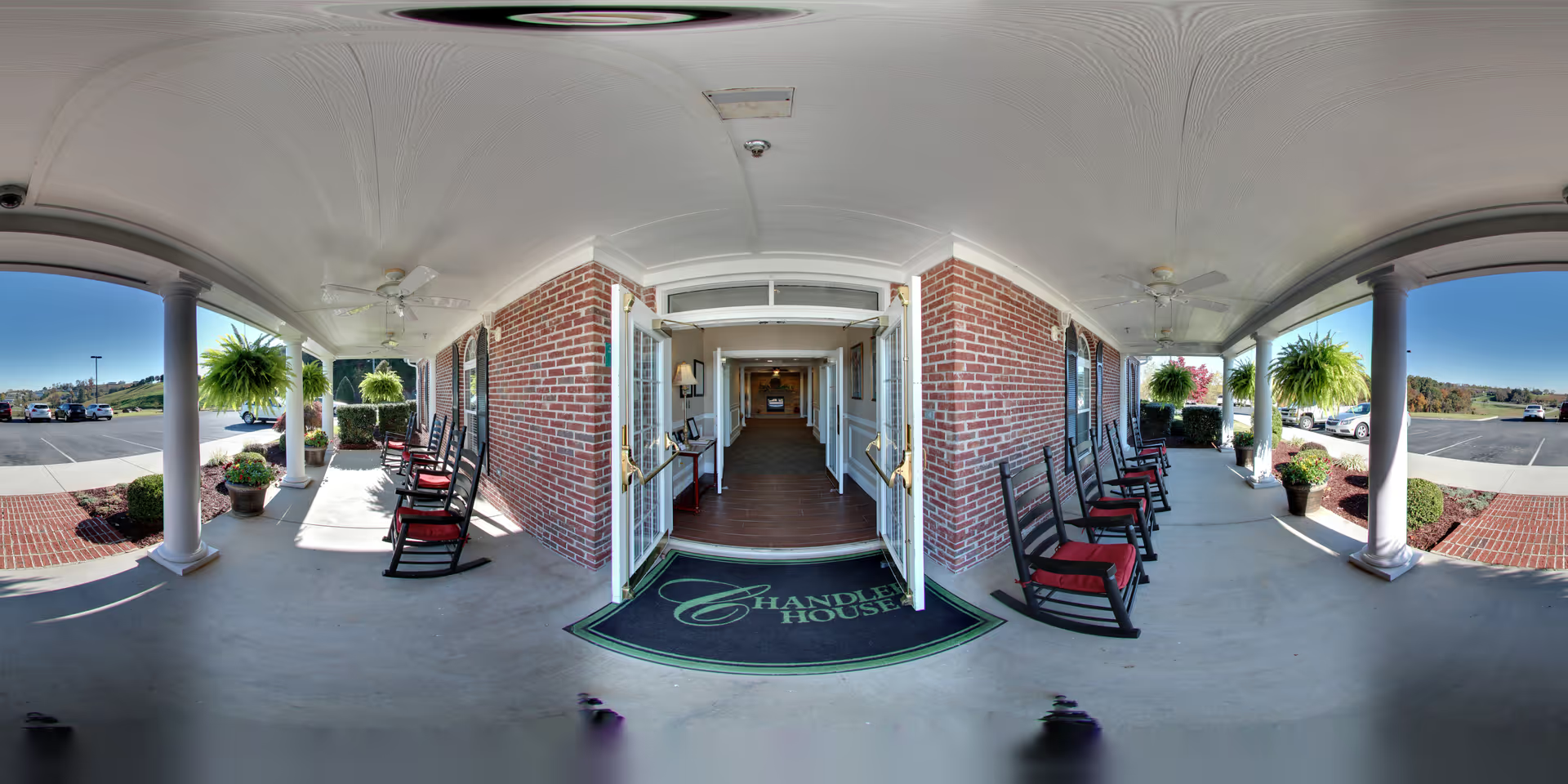
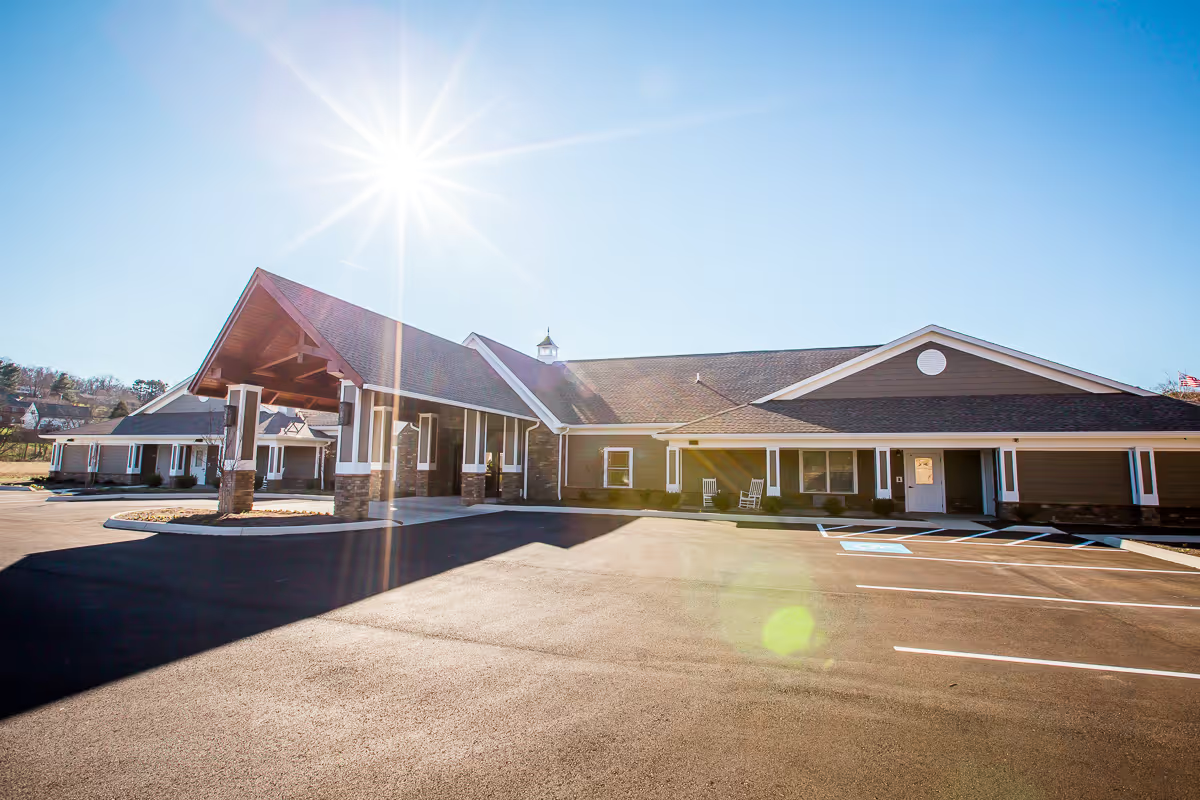
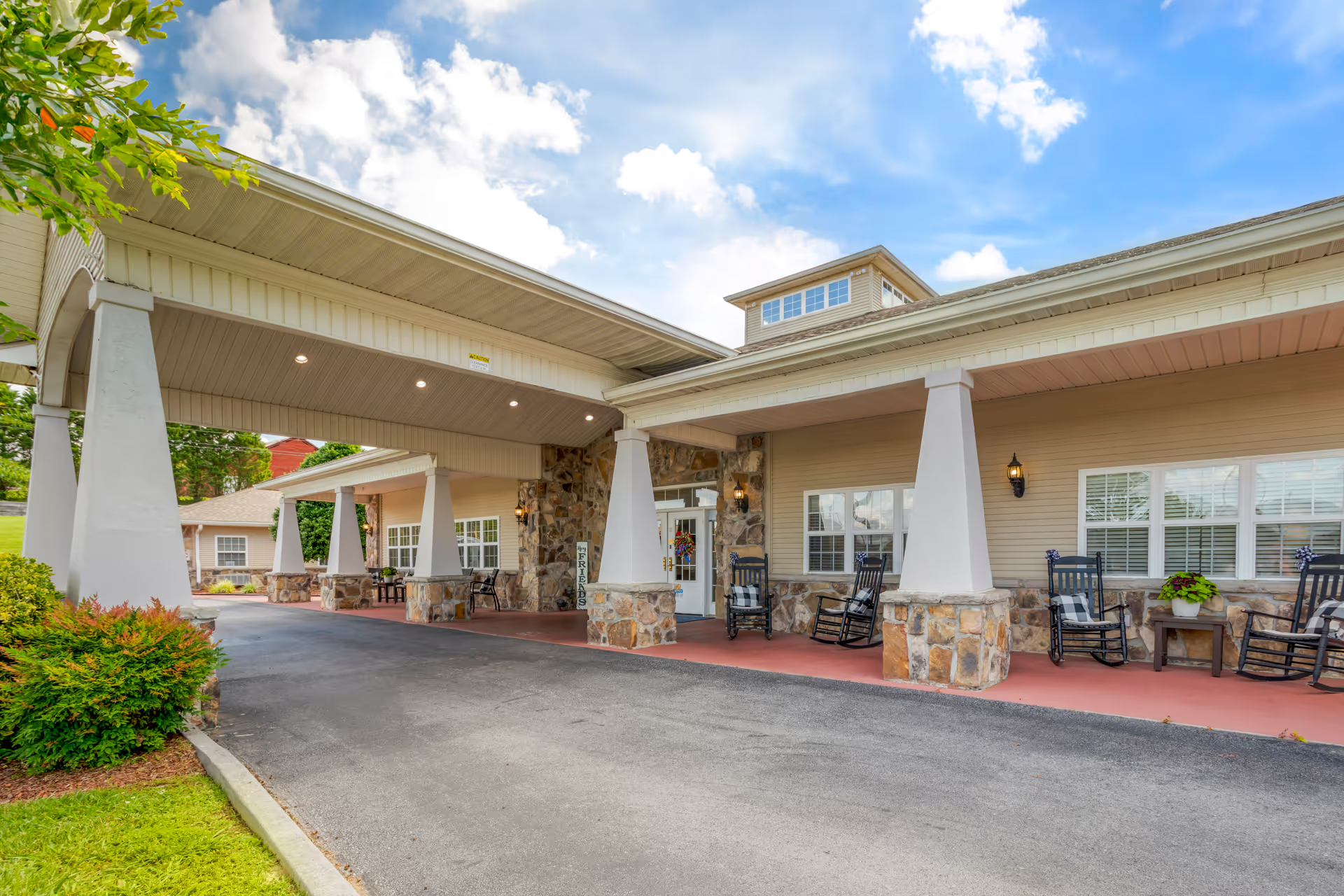
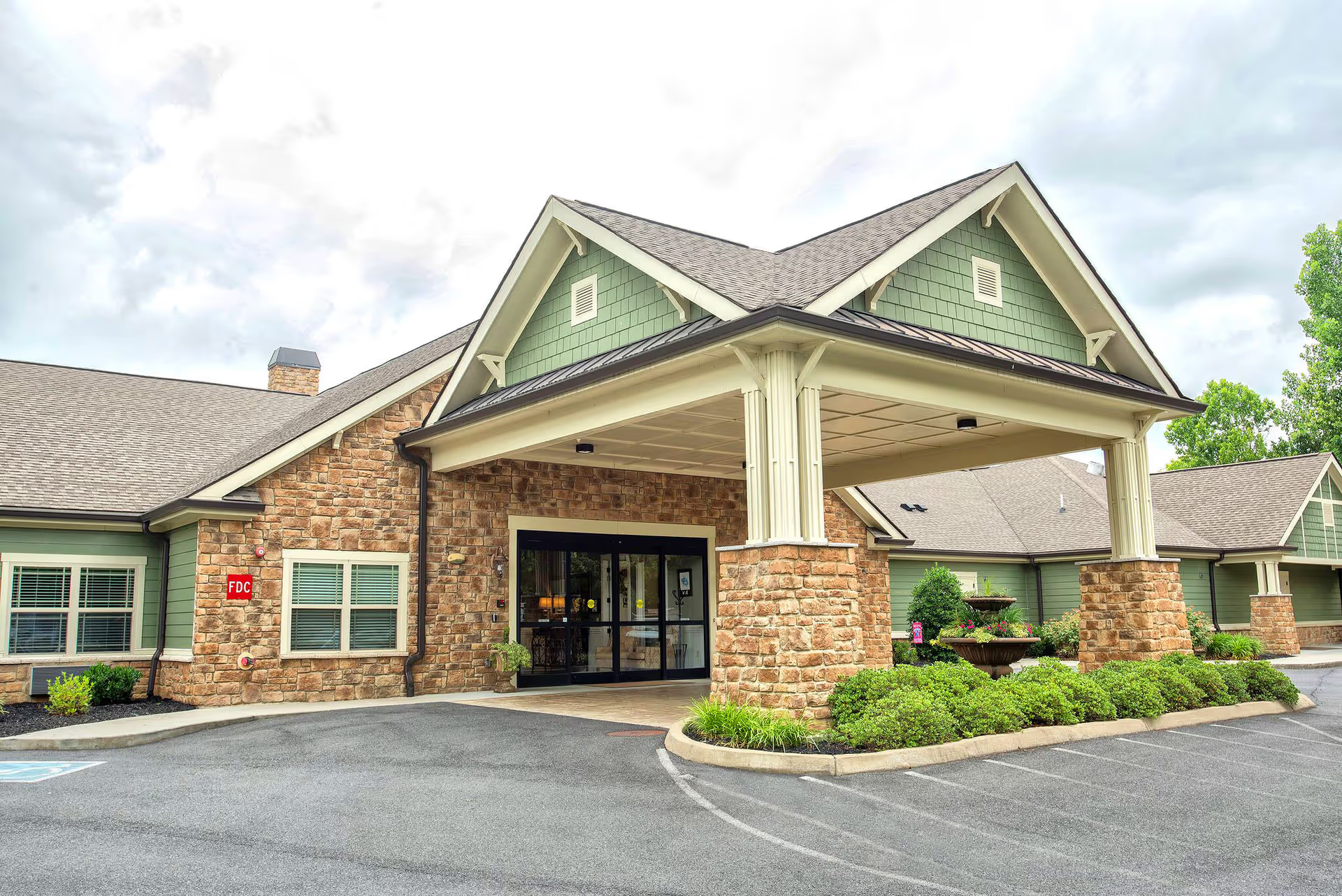
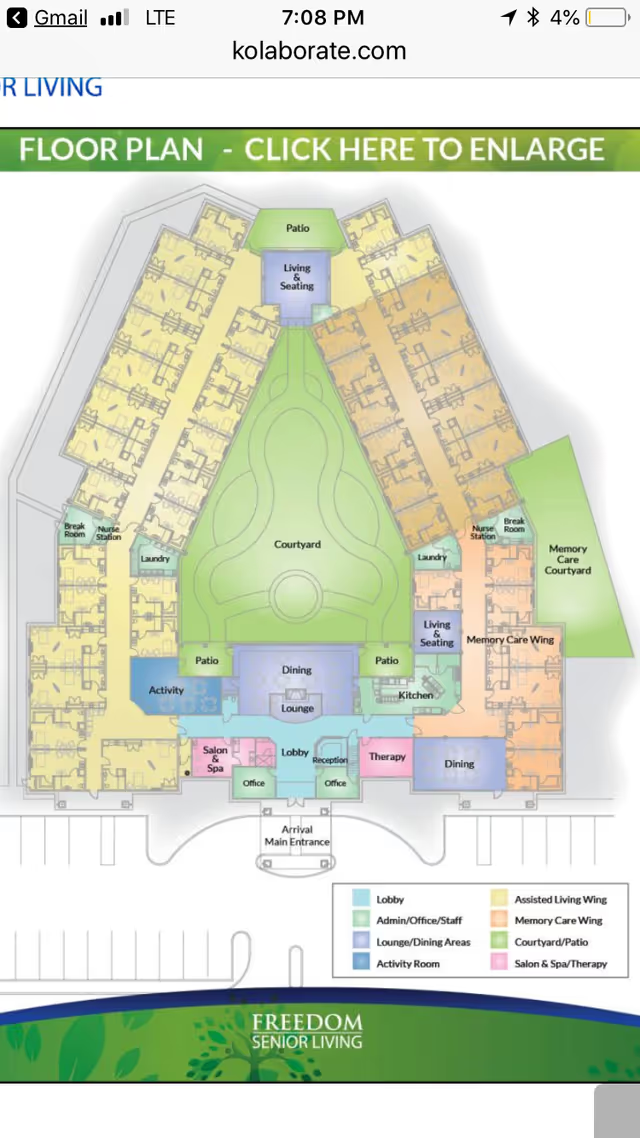
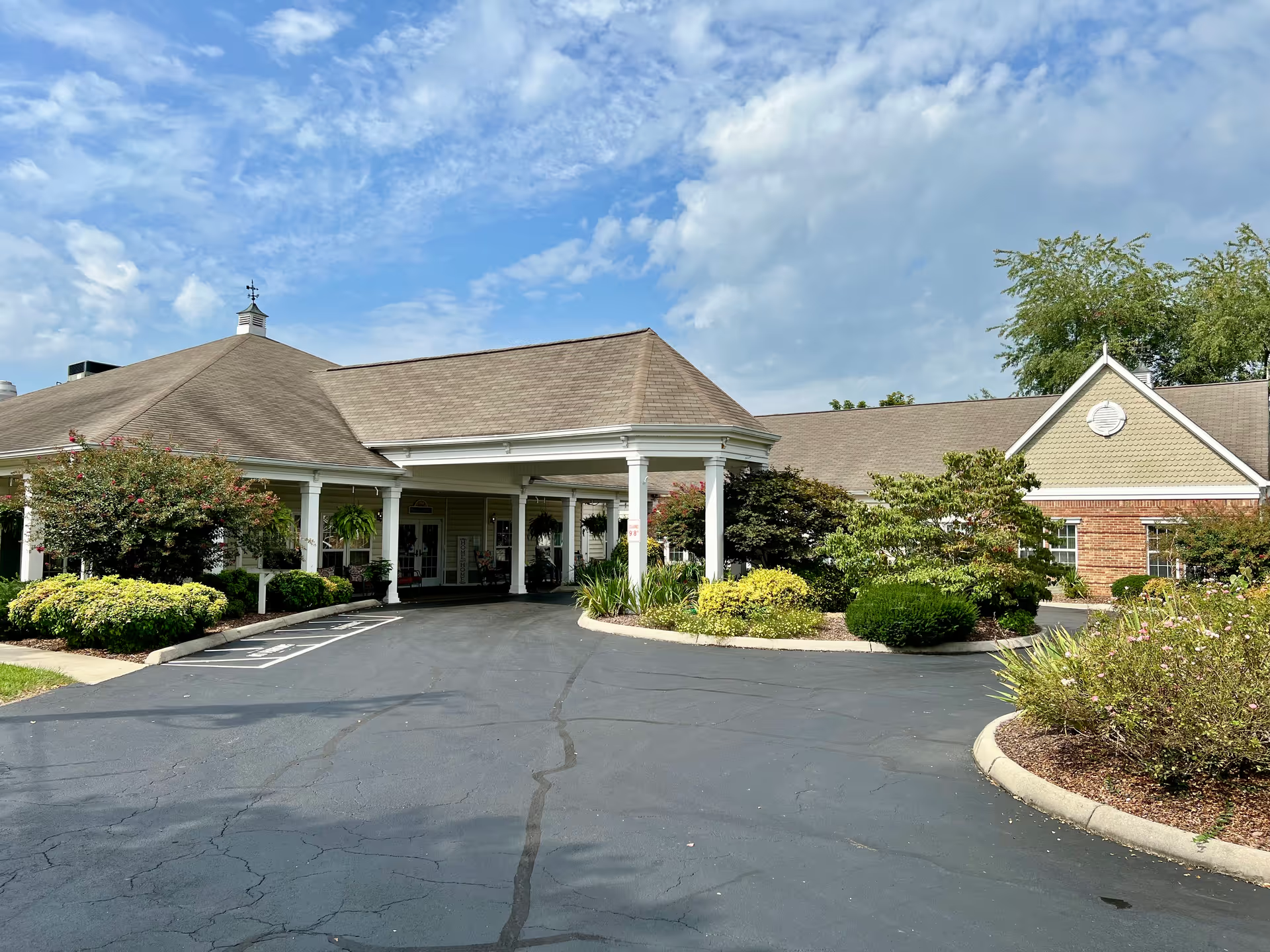
Facility and apartment features are regularly commended. The property is described as clean and well-maintained with a new or recently updated building layout, private suites and studios with kitchenettes, and pleasant common areas such as courtyards and dining rooms. Memory-care services are available in a focused, small unit that many families found appropriate for residents with cognitive impairment. Activity offerings include musical events, outings, bus trips, socials, bingo and arts programming; these are appreciated and help keep many residents engaged.
Areas of concern cluster around operational and clinical consistency. Several comments indicate gaps in clinical oversight during night shifts and understaffing in the dementia unit; prospective families should verify night nursing coverage and staffing ratios. Dining impressions are mixed: while some residents and families praise the menu and accommodations for dietary needs, others describe uneven food quality and reliance on prepackaged or prepared items rather than fresh sourcing. Activity engagement also varies — while many residents are active and involved, some families noted limited programming for particular individuals and occasional resident loneliness.
Administrative and management issues appear intermittently in the feedback. Examples include IT or paperwork problems that caused resident stress, concerns about management or corporate changes, and references to regulatory or nursing-related actions that affected admissions at times. Housekeeping and cleanliness are frequently praised, but a few comments point to inconsistent sanitation or personal-care practices. Given this mix of strengths and operational variability, recommended due-diligence steps for prospective residents and families include: confirming recent regulatory and licensing history, asking for current staffing and shift-coverage details (especially for memory care and night shifts), reviewing sample menus and food-sourcing practices, and observing activity participation levels during a tour.