Signature HealthCARE of Greeneville elicits strongly polarized feedback: many families and residents praise its therapy outcomes, compassionate frontline staff, and community‑oriented atmosphere, while a number of accounts identify operational weaknesses that appear to affect care consistency. The facility demonstrates clear strengths in rehabilitation and caregiving that have produced measurable recoveries and mobility improvements for some residents, and several reviewers highlighted effective interdisciplinary teamwork and thoughtful end‑of‑life support.
Care quality shows a dual pattern. Positive reports emphasize attentive nursing, skilled PT/OT, individualized therapy plans, and staff who prioritize returning residents home. Conversely, other accounts raise concern about inconsistent clinical practices — notably communication around medication changes, delays in responding to calls for assistance, and gaps in wound and skin‑care processes. There are also explicit concerns about infection‑related outcomes and complications following acute events; these have been framed by families as serious care‑coordination and post‑acute follow‑up issues.
Staff performance is frequently described as the facility's primary asset. Many reviews praise compassionate CNAs, engaged nurses, and a therapy department that achieves functional gains. That said, reviewers also described variability in staff conduct and availability: reports reference fatigued or short‑staffed floor teams, instances of unprofessional tone, and defensive interactions with families. These descriptions suggest that staffing levels and staff training/retention are important drivers of the divergent experiences.
Dining and activities receive mixed evaluations. Several families described high‑quality meals and an active calendar that includes group entertainment and community outings; others described inconsistent meal quality and unreliable meal service timing. Activities appear broad and include external performers and field trips, but some residents and families felt programming was not always tailored to individual interests.
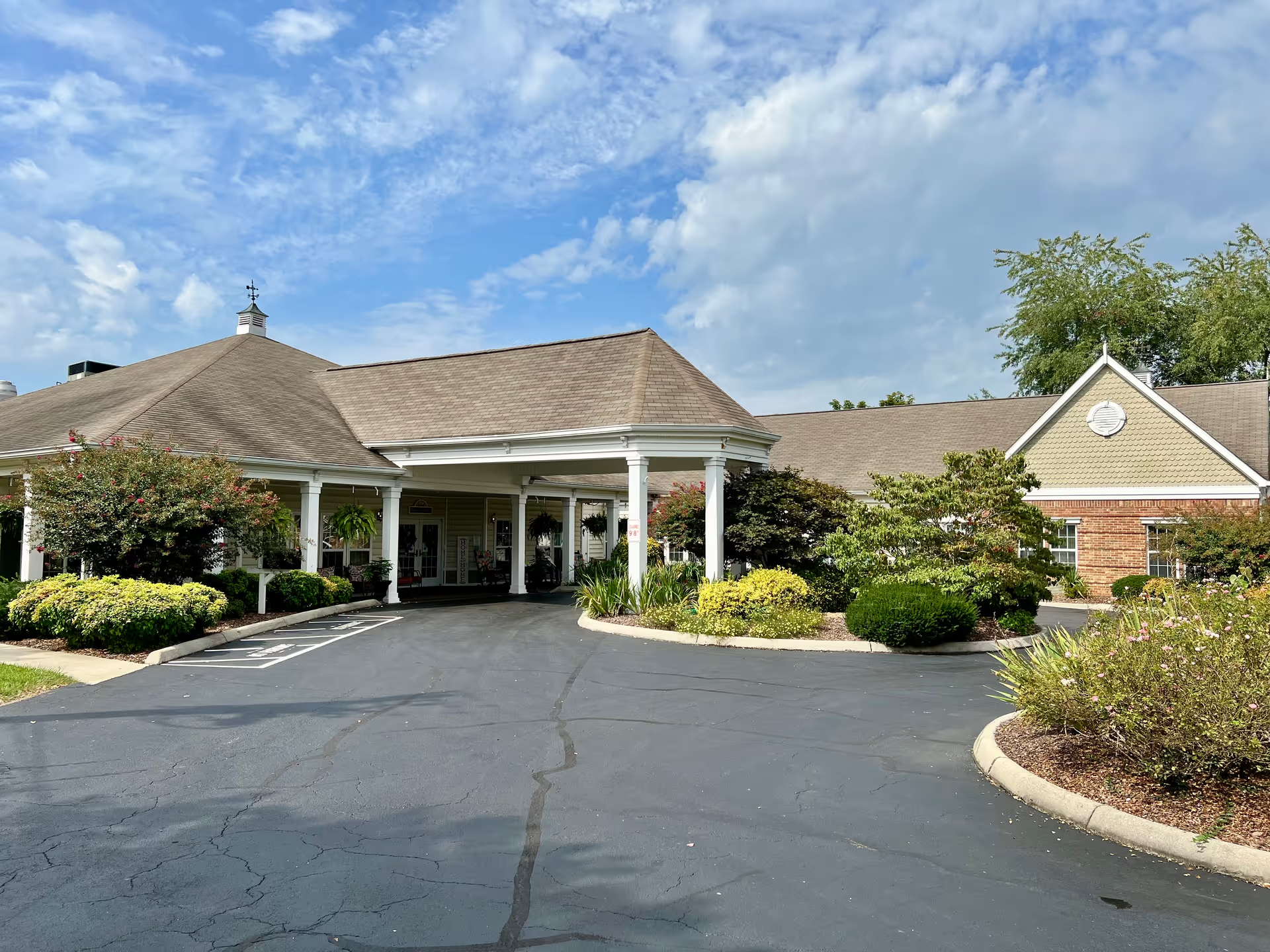
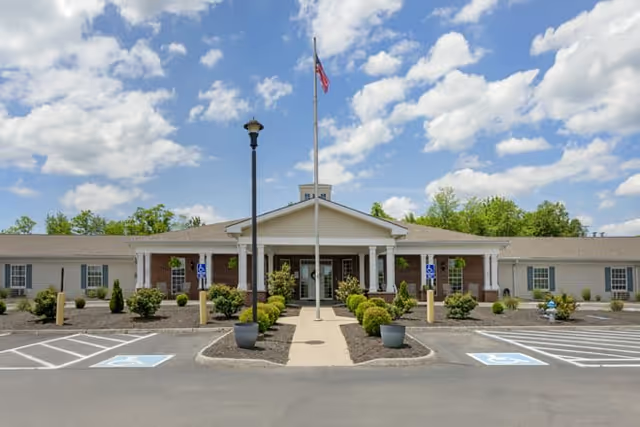
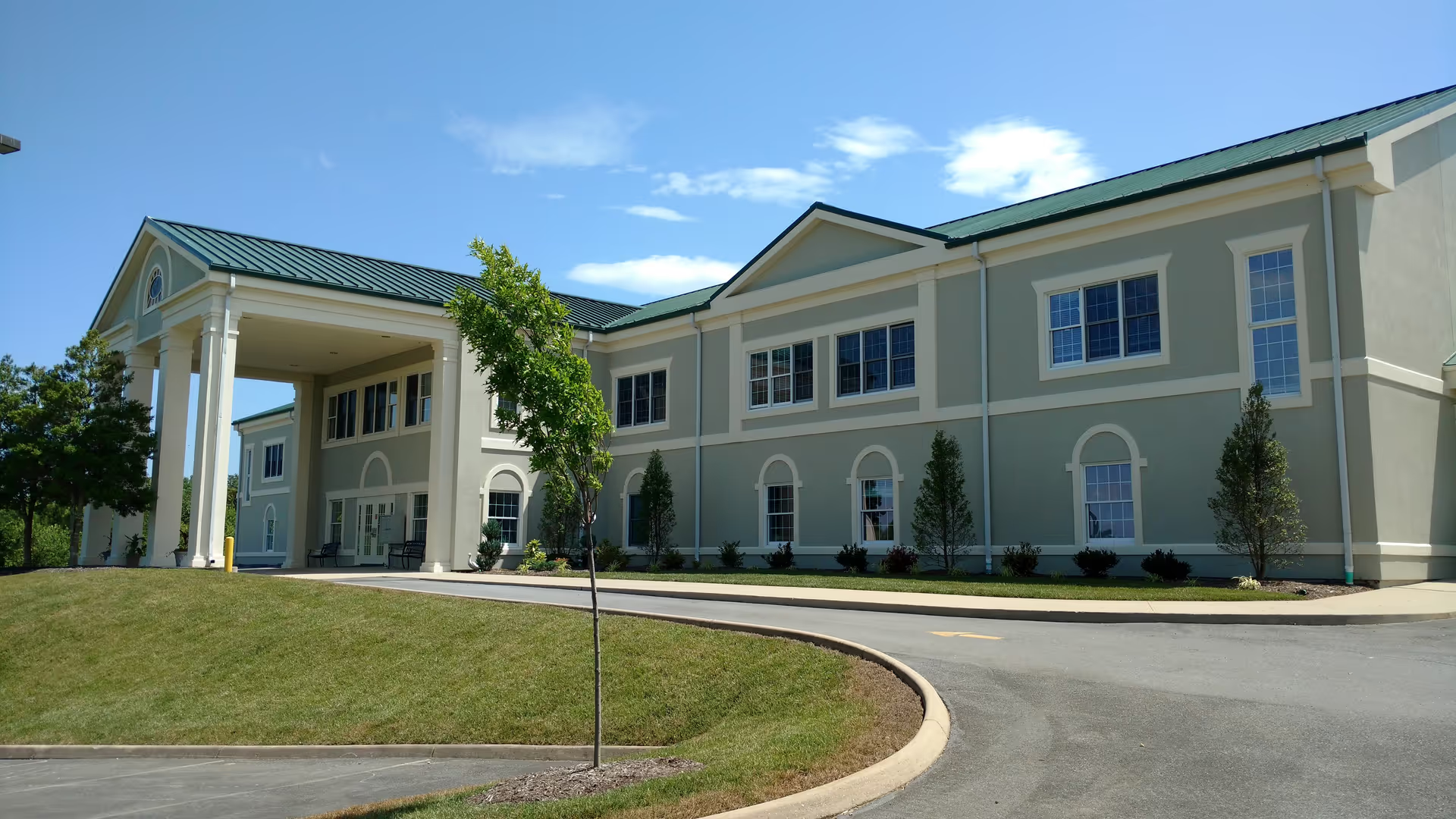
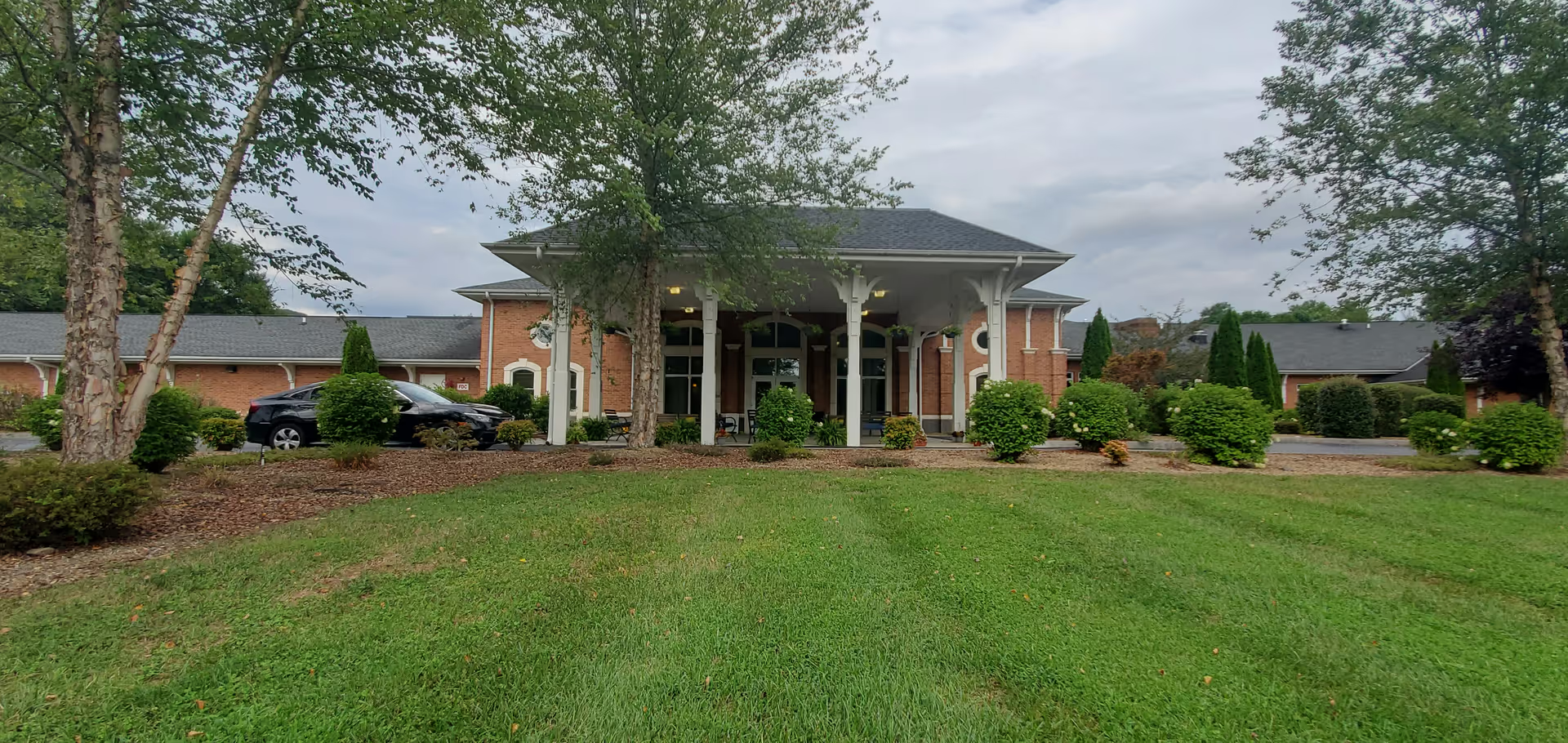
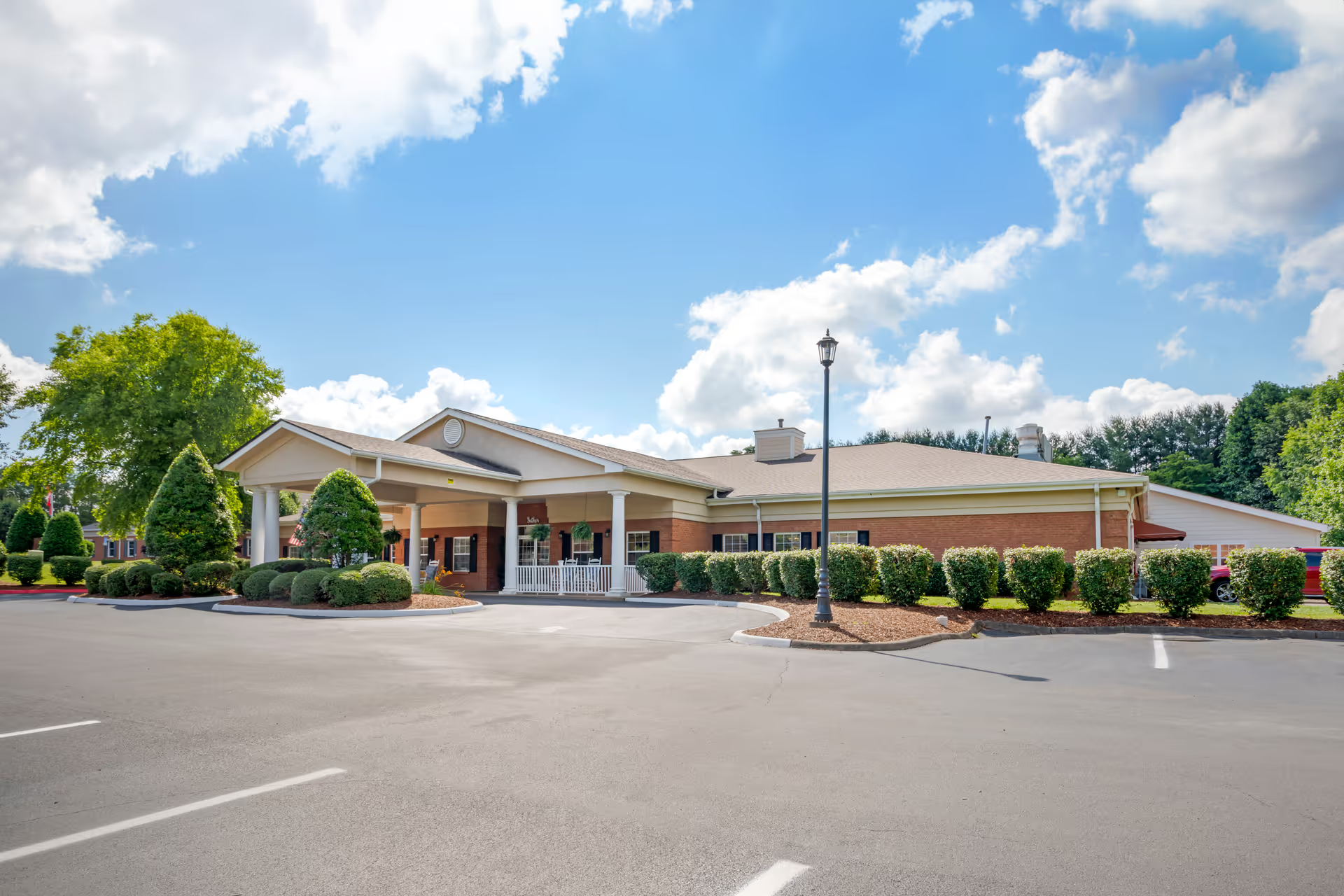
Facility and environment descriptions are likewise split. The exterior presentation and some rooms are described as pleasant and homelike, while interior common areas and resident rooms were noted elsewhere as dated and in need of updating, with cleanliness and odor concerns in certain areas. Maintenance and renovation needs are a recurrent operational theme.
Management and communication show both positives and negatives. Some families praised responsive leadership, open lines of communication, and accommodating policies. Others described defensive administrative responses, inconsistent notification practices (for example, around readmissions and medication changes), and at least one mention of alleged documentation irregularities. These contrasts point to variability in how leadership engages with families and follows communication protocols.
Notable patterns and practical takeaways: the strongest, most consistent positive signal is the facility's rehabilitation capability and the commitment of many frontline caregivers. The most consistent negative signals relate to staffing variability, cleanliness/maintenance of interior spaces, timeliness of routine care (call responses, bathing schedules), and lapses in medication and documentation communication. Prospective residents and families should tour both interior and exterior spaces, observe meal service and activity programming, ask for recent staffing ratios and therapy outcome metrics, review policies on clinical notifications and wound‑care protocols, and request references from current or recent families to assess consistency over time.