Reviews describe a facility model that emphasizes personalized, small-house care with several clear strengths alongside operational limitations. The most consistently praised elements are the caregiving staff and clinical oversight: families describe compassionate, attentive caregivers who provide one-on-one attention, frequent communication with relatives, and steady medication and health-monitoring practices. Reviewers also highlight 24-hour staffing, welcoming visitation practices, and specific praise for end-of-life support and comfort-focused care. Financially, many families view the facility as an affordable alternative to higher-cost skilled nursing settings.
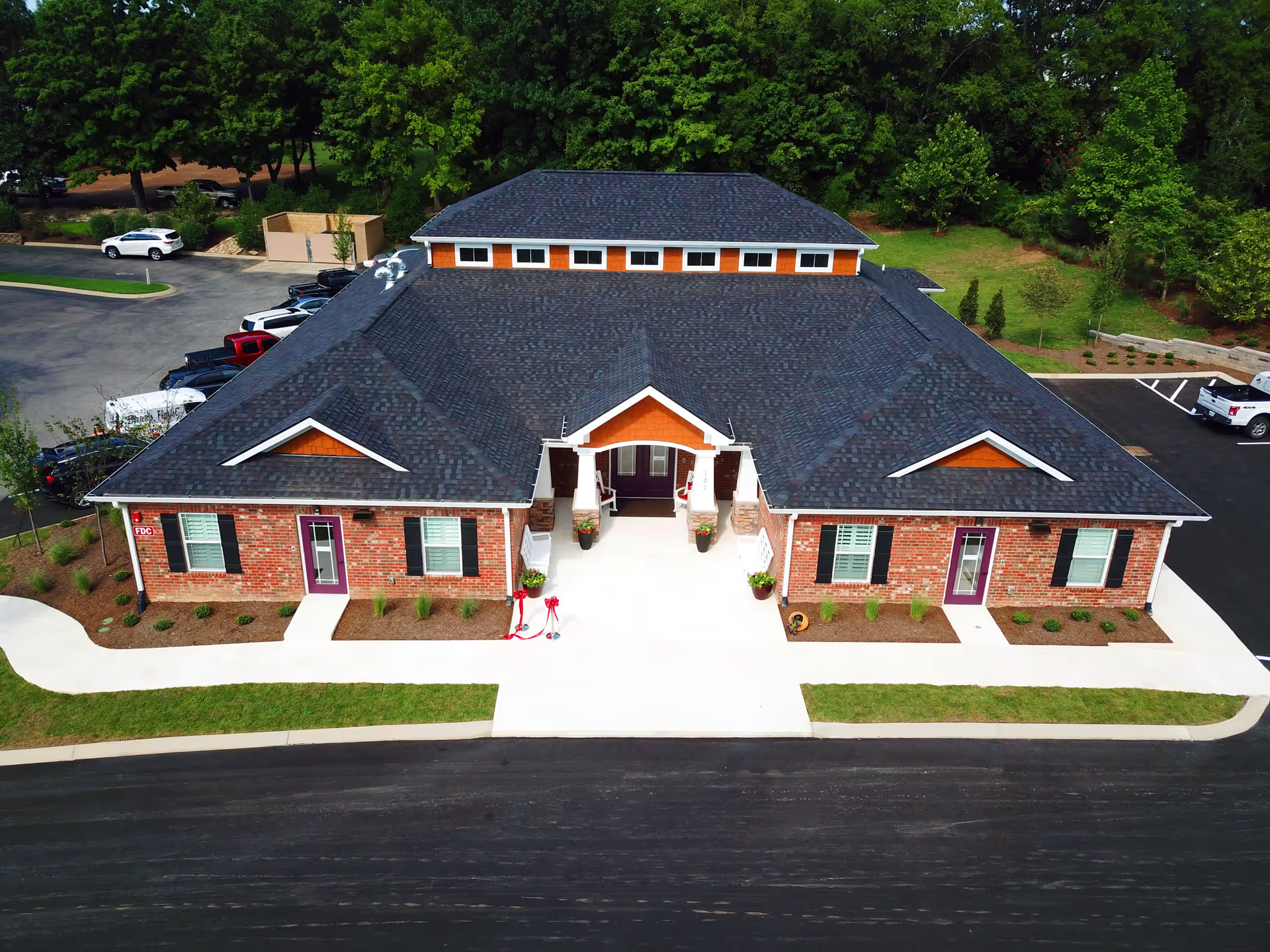
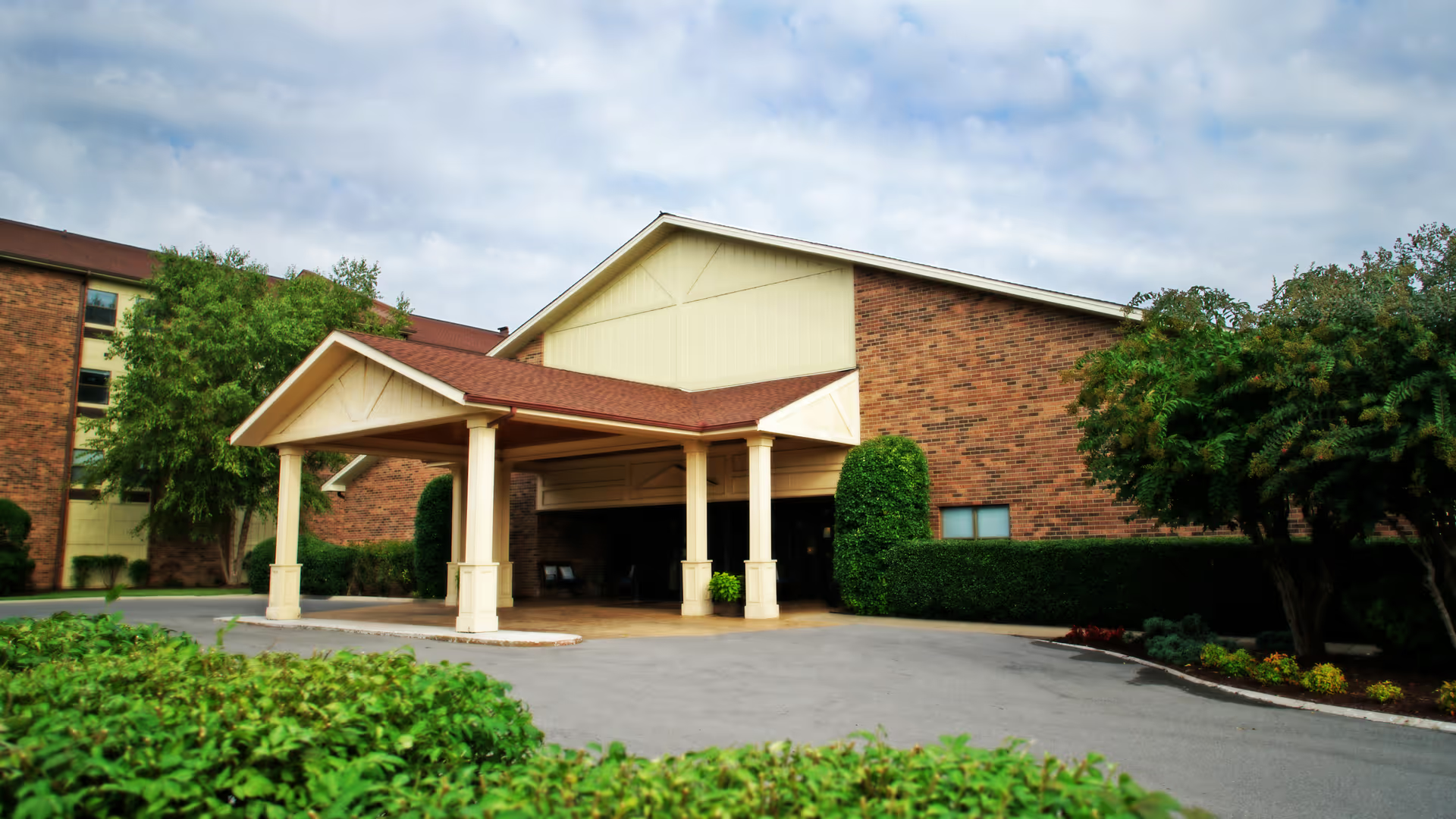
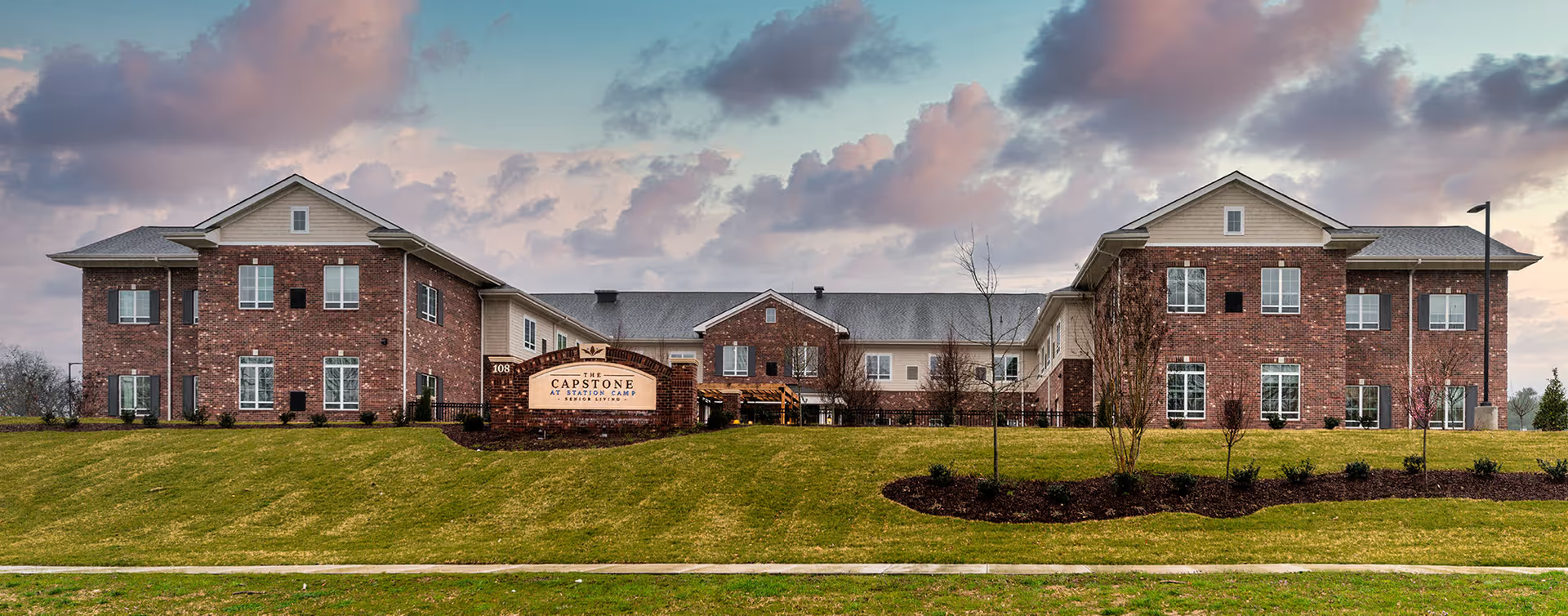
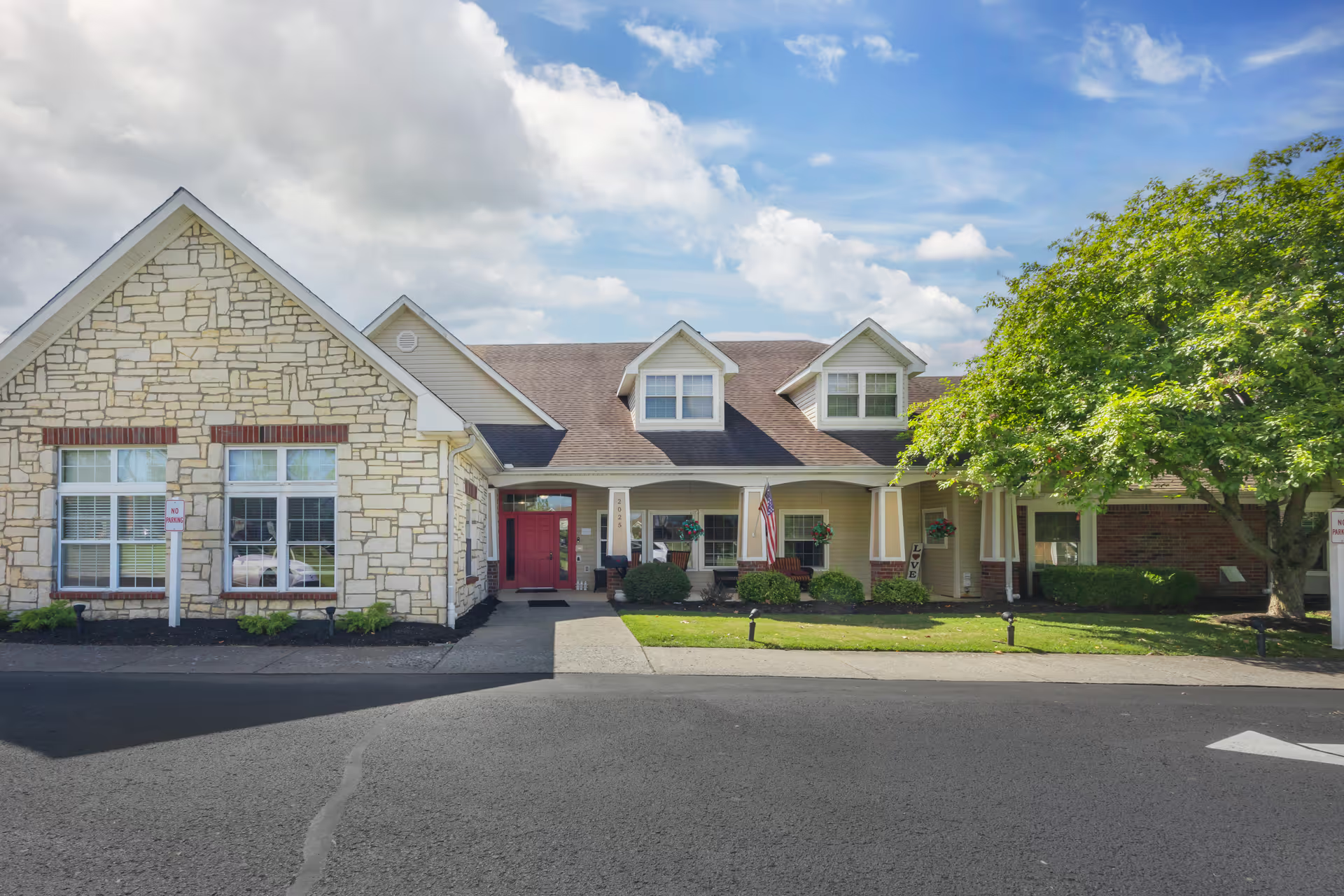
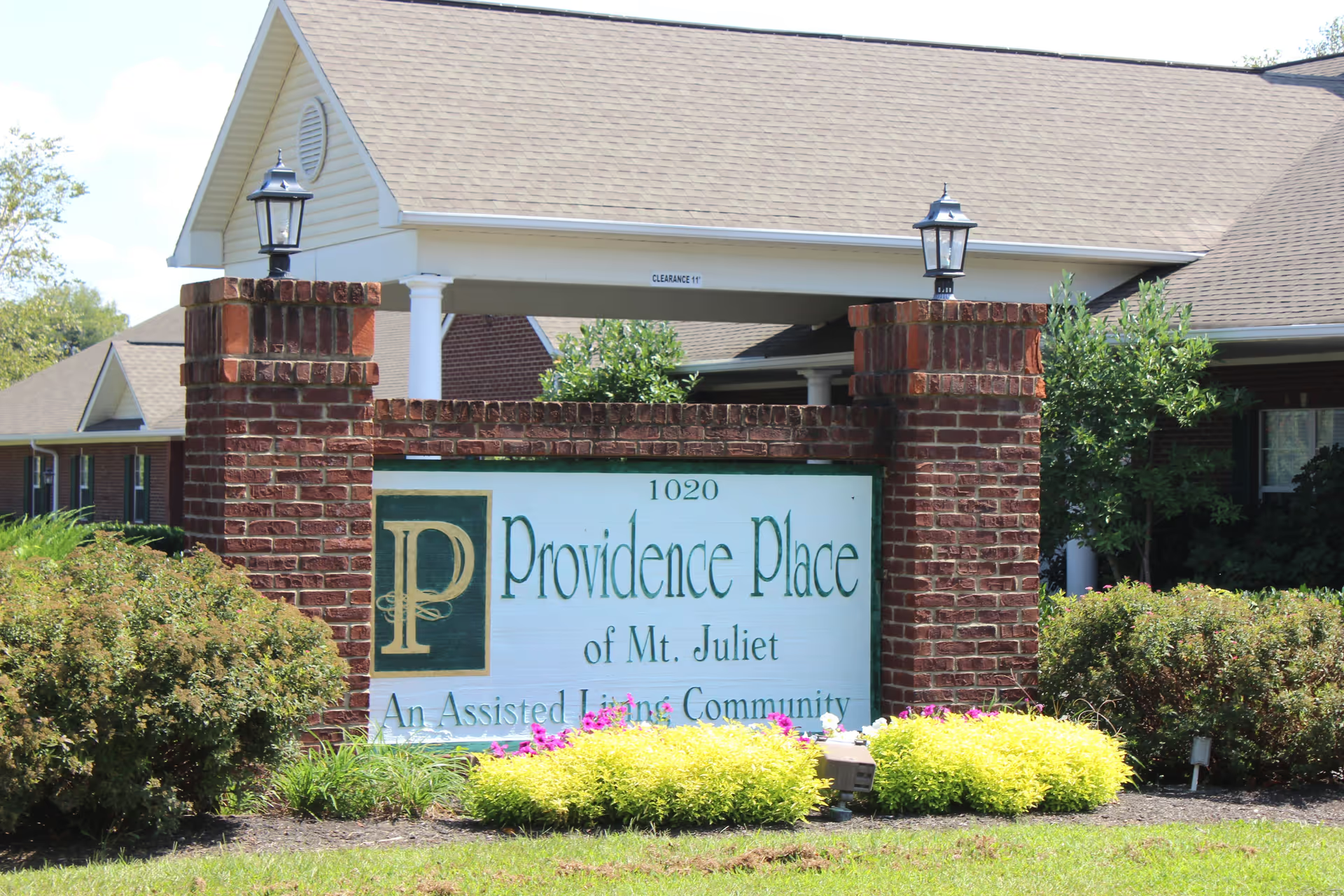
Staff culture and family communication are strong recurring themes. Multiple families note that staff keep them informed, make themselves available for questions, and create a family-like atmosphere. The small, eight-bed, home-like layout is frequently cited as contributing to individualized attention and a comfortable environment. Several accounts describe the property as clean, well-maintained, and nicely equipped, reinforcing perceptions of a residential rather than institutional setting.
Dining, activities, and social engagement are areas of concern. Reviews indicate limited formal programming and social activities; there are repeated statements that games, organized engagement, and consistent activity schedules are lacking. Meal service quality appears inconsistent: while meals and snacks are provided, families describe variability in hot-meal availability and a reliance at times on simple or takeout-style options rather than a consistent three hot meals per day. Transportation services are also described as limited or unavailable, which can affect access to external appointments and outings.
Operational and environmental issues are mixed. Some reviewers emphasize cleanliness and an odor-free atmosphere, while others note pest-control and sanitation concerns and describe gaps in how those issues are documented or escalated. The facility’s small staffing model contributes both to strengths (personalized attention) and risks: staffing levels are characterized as small and variable, with occasional presence of non-staff in care areas, which can affect consistency of care and family confidence. Reviewers also point to lapses in staff reporting and responsiveness to environmental or care-related issues, suggesting opportunities for clearer protocols and oversight.
Taken together, the pattern is one of high marks for individualized, compassionate caregiving and clinical monitoring, paired with operational limitations in programming, meal consistency, transportation, and certain environmental controls. Prospective residents and families should weigh the value of the close, family-style care model against the facility’s limited activity offerings and the need to confirm specific operational details. Practical questions to address during a tour include: current activity schedules and staffing ratios, sample menus and hot-meal guarantees, pest-control and sanitation protocols, transportation availability, and how the facility documents and communicates environmental or care concerns to families.