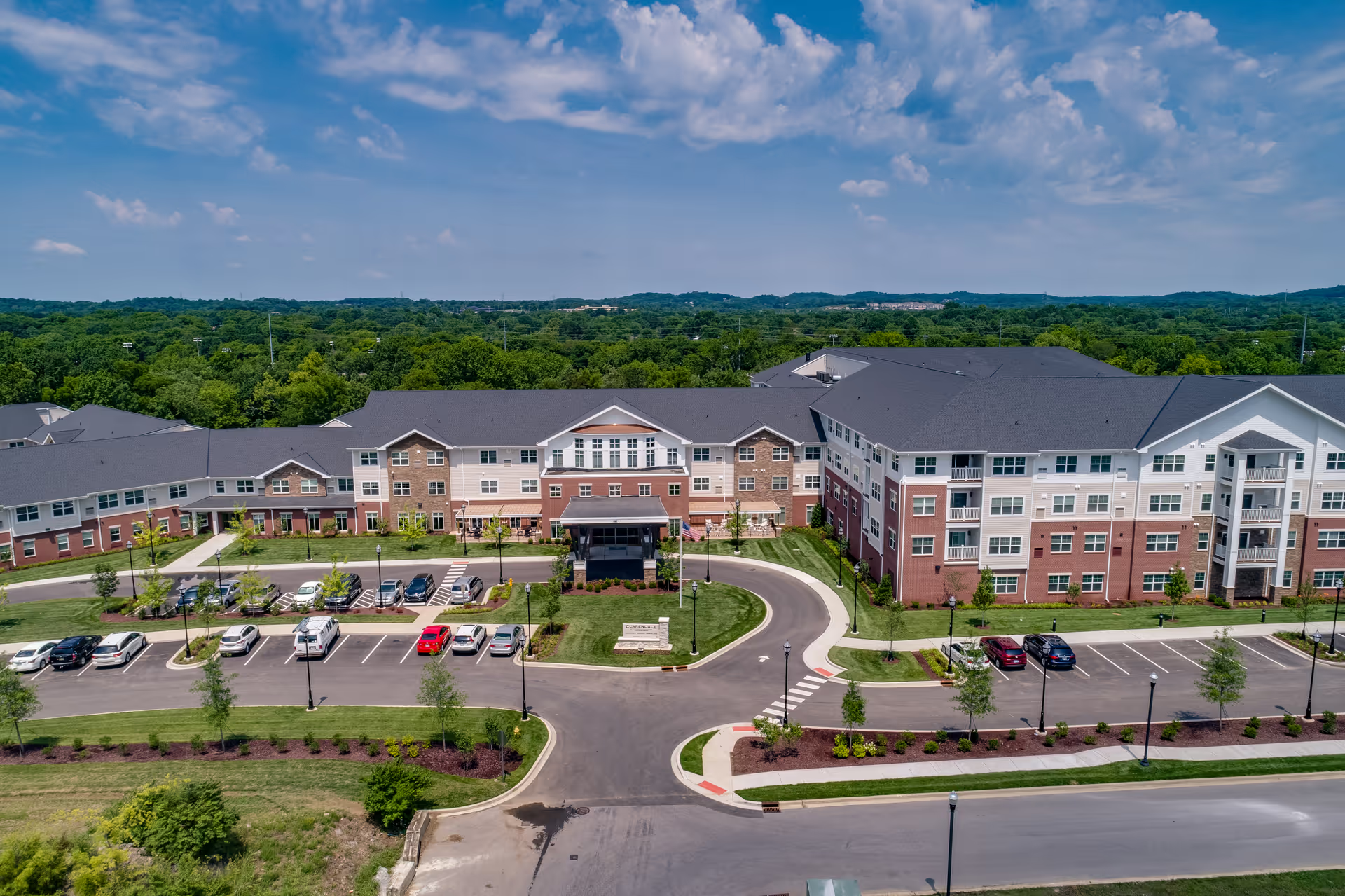
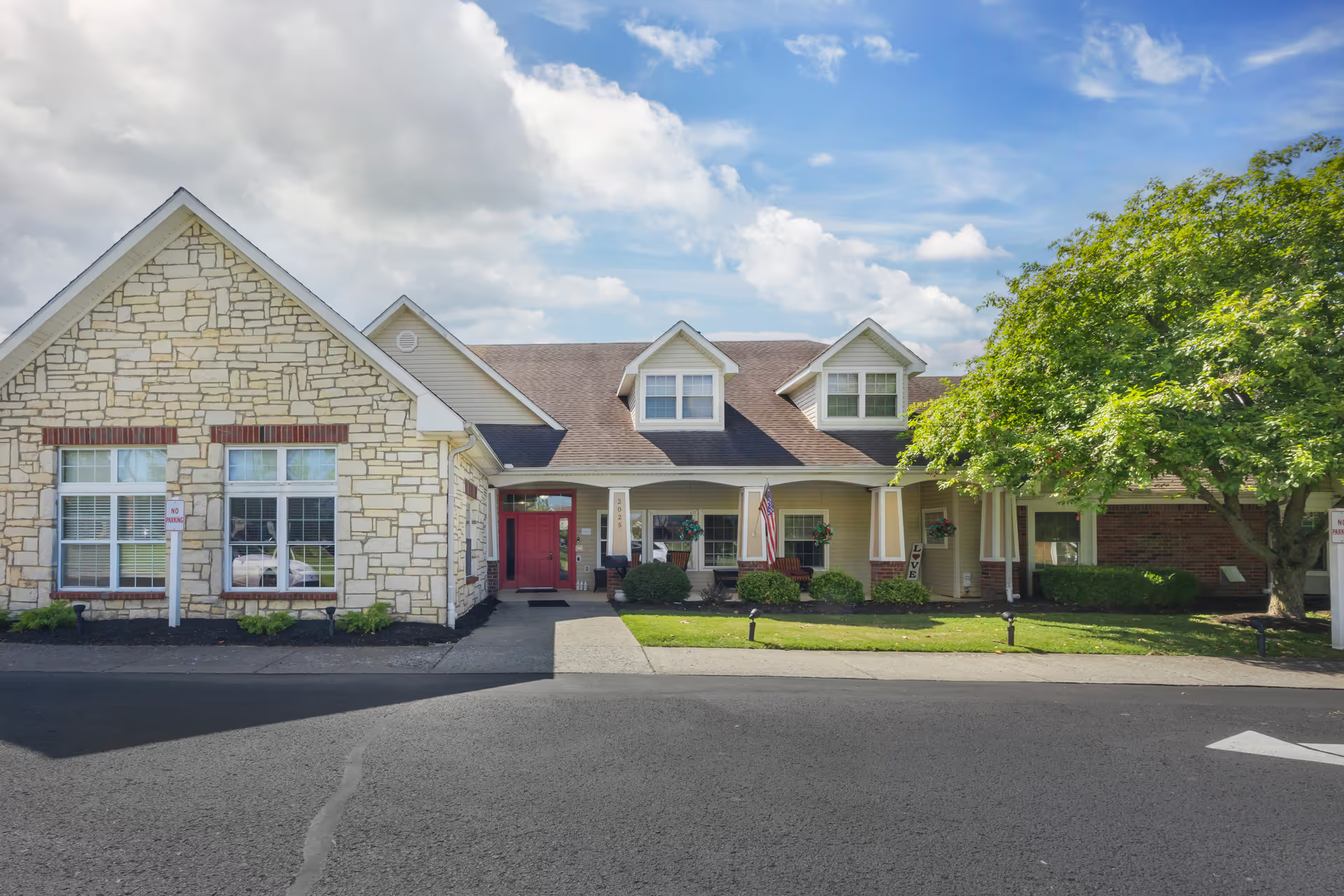
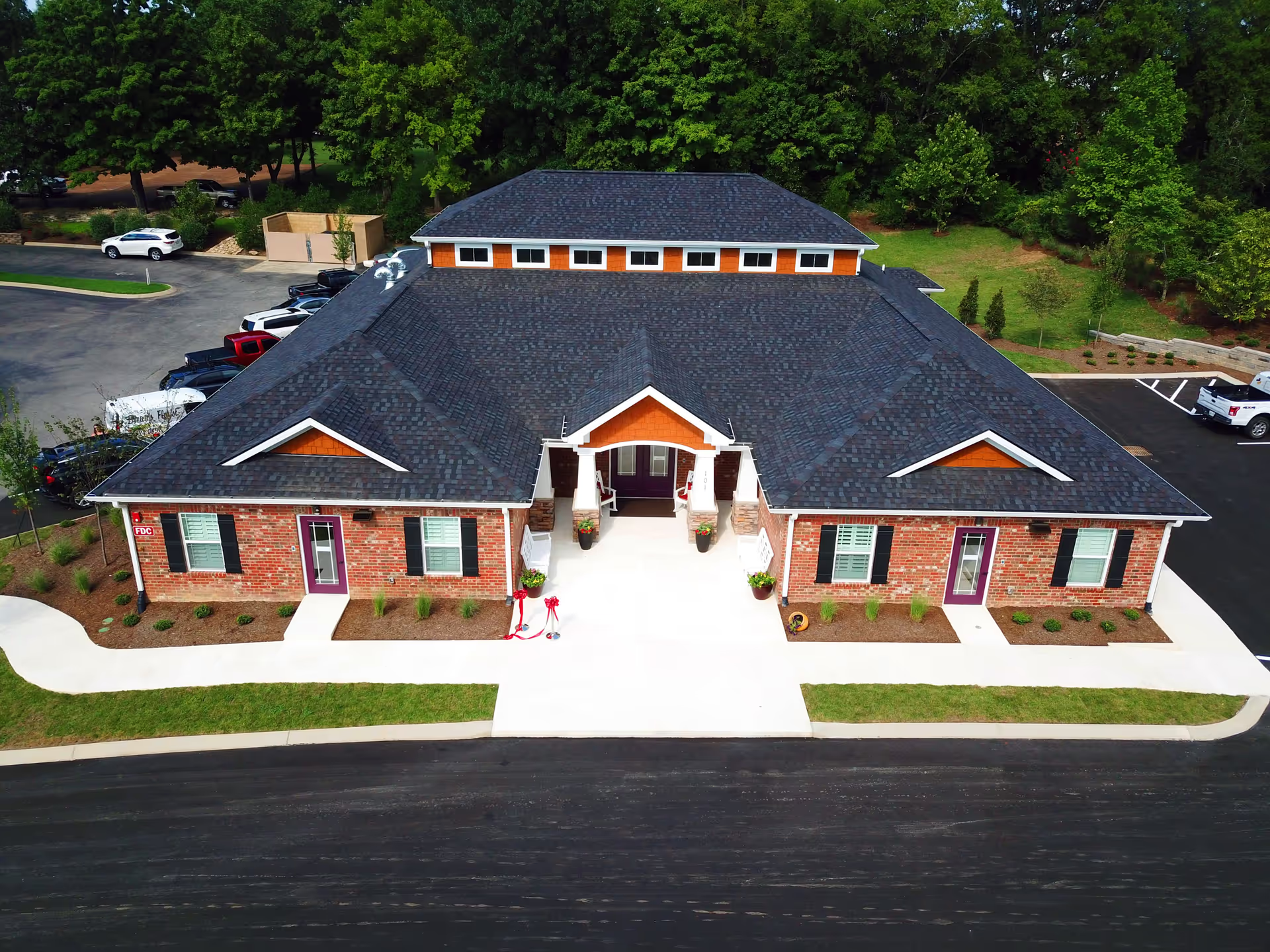
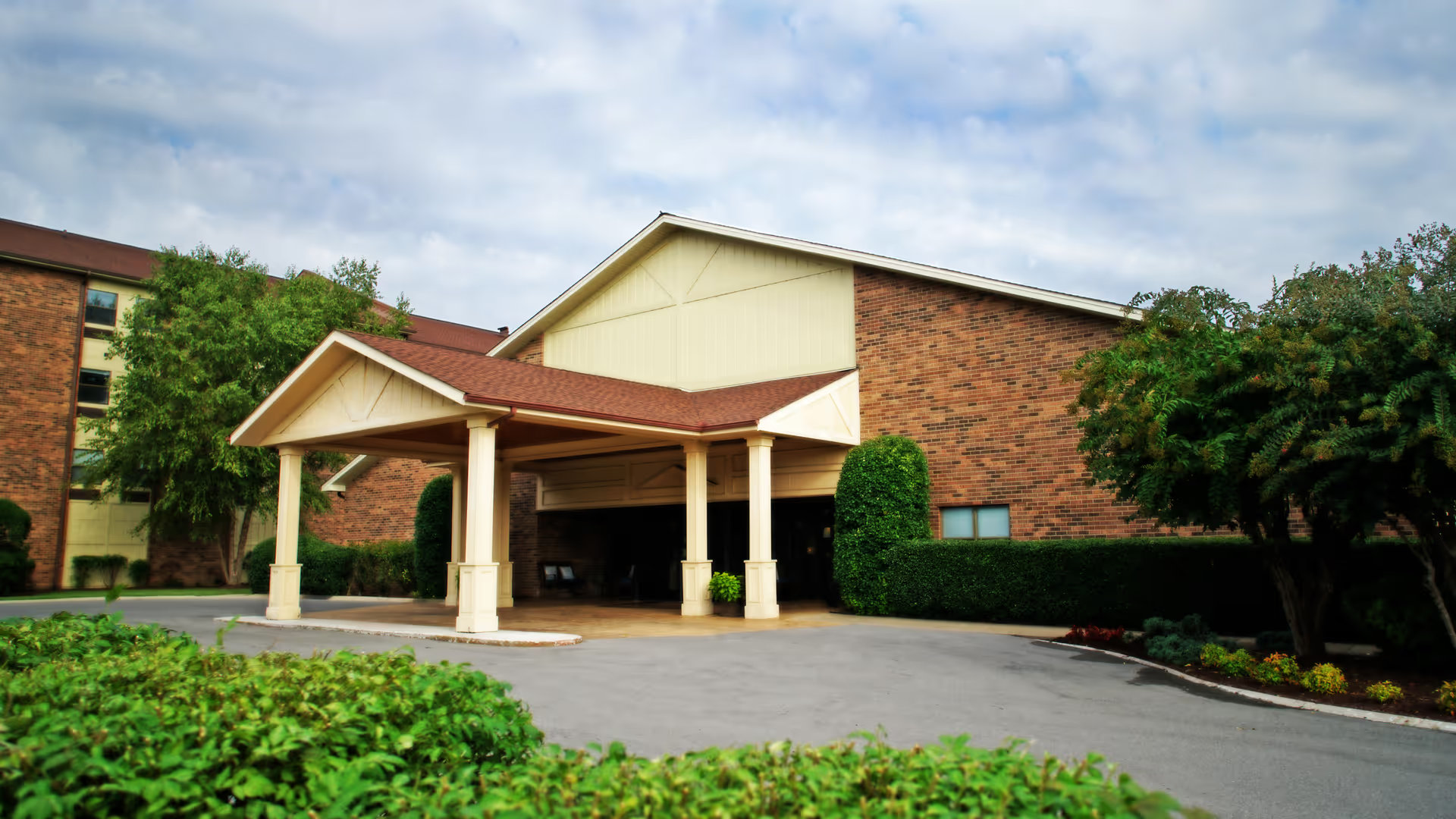
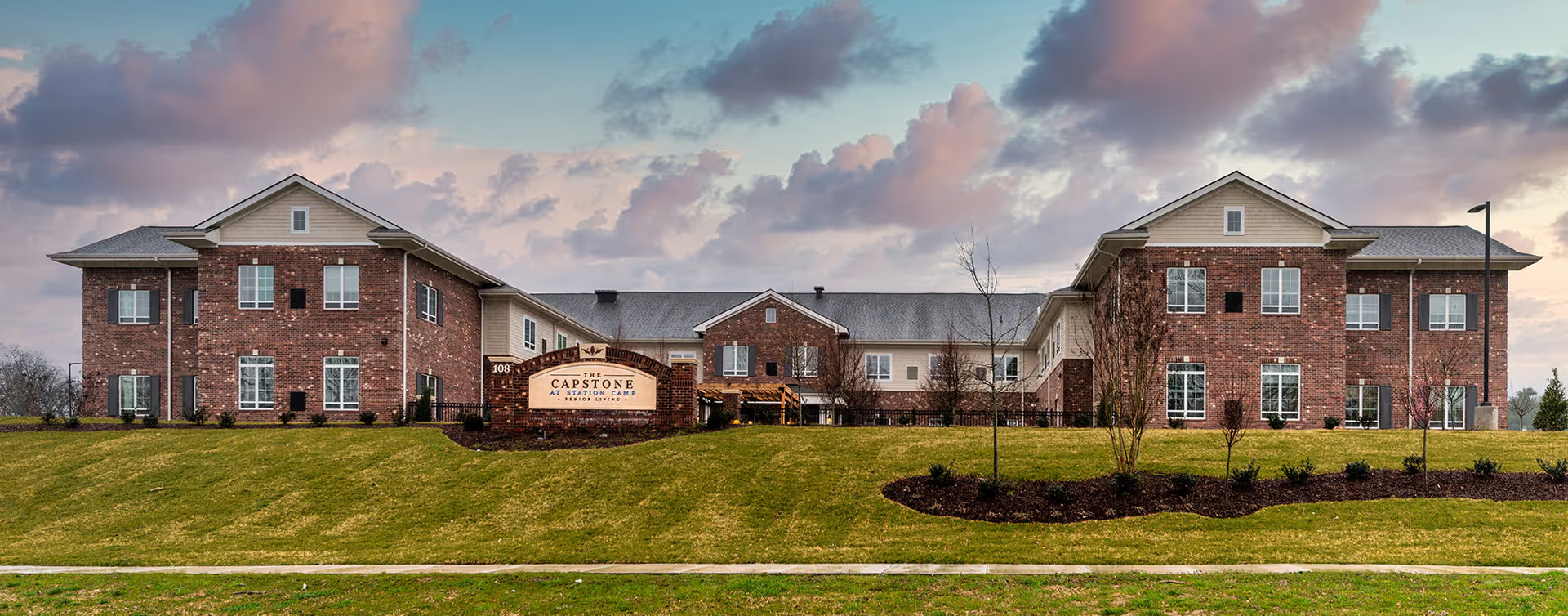
Overall impression: New Hope Senior Living of Hendersonville is consistently described as a thoughtfully designed, hospitality-oriented senior living community with strong emphasis on comfort, aesthetics, and resident engagement. Many accounts highlight a warm, family-like atmosphere driven by an on-site chef, plentiful programming, attractive common spaces, and extensive outdoor grounds. The property’s physical features — private rooms with baths, elegant interiors, multiple seating areas, and farm-to-table dining — are frequently cited as major strengths that contribute to a non-institutional resident experience.
Care and staff: Reviews overwhelmingly praise compassionate and attentive caregivers, a responsive director-level presence, and staff members who make families feel welcomed. Positive comments emphasize a low staff-to-resident ratio, personalized attention, dementia-capable programming, and examples of staff going beyond basic duties. However, a subset of accounts raises significant concerns about clinical competence and training consistency. These concerns focus on the facility’s ability to safely manage residents with high medical needs or who are bedbound, and on inconsistent responsiveness for certain personal-care tasks. Taken together, the pattern suggests strong interpersonal care for many residents but variable execution for higher-acuity clinical needs.
Dining and services: Dining is a prominent selling point. The facility’s chef-prepared, locally sourced menus, flexibility for dietary restrictions, and restaurant-style service are frequently highlighted. Housekeeping, laundry, café/coffee-bar amenities, and occasional off-site restaurant trips support a hospitality model. At the same time, there are isolated accounts describing variability in meal quality and service continuity; these indicate occasional lapses in preparation or presentation that contrast with the otherwise strong food-program reputation.
Activities and community life: The campus offers a broad schedule of activities — movies, puzzles, games, holiday events, gardening, and small-group socialization — and an on-site culture that reviewers describe as lively and engaging. The 18-acre grounds, golf-cart rides, and orchard/garden access are repeatedly mentioned as enhancing residents’ quality of life. Families report that these elements, plus visible owner attention to detail, help create a cruise-ship–like or boutique residential feel.
Facilities and safety: Architecturally and aesthetically, the facility receives high marks for design, cleanliness, and thoughtful resident-focused planning. Many reviewers note newer construction, modern monitoring technology, and a peaceful setting. Conversely, some reviews imply that systems intended for safety and monitoring do not uniformly compensate for clinical or staffing gaps in higher-acuity situations.
Management and communication: Several reviewers commend management for clear tours, personal connections, and responsiveness, including video updates and family communication. Yet other accounts point to expectation-management problems at admission and during transitions — for example, misunderstandings about 24/7 visitation flexibility or the facility’s capacity to manage certain end-of-life scenarios. These contrasting perspectives suggest variability in how policies and capabilities are explained and executed.
Notable patterns and guidance for families: The dominant pattern is of a well-appointed, hospitality-first community with many strengths in environment, dining, and social engagement, staffed by caregivers who are often described as warm and family-like. Families considering New Hope should weigh that environment and the facility’s programming against the specific clinical needs of their loved one. Prospective residents with moderate care needs, interest in active social life, and desire for high-quality dining are likely to find a strong fit. Those requiring complex nursing care, prolonged bedbound support, or highly consistent clinical interventions should ask detailed, specific questions about staff training, transfer protocols, continence and repositioning procedures, overnight staffing levels, and documented examples of care for high-acuity residents before committing.