Across the review set, Kempton of Hermitage is most often described as a warm, resident-centered community with a strong emphasis on compassionate caregiving and visible staff engagement. Families and residents frequently highlight the empathy and responsiveness of direct-care staff, and several comments single out nursing leadership and specific administrators for clear, hands-on involvement in care coordination. The community’s small size, private apartments, and homelike décor contribute to a sense of safety and social reconnection for many residents.
Care quality shows a mixed but generally positive pattern. Many reviewers praised individualized attention, effective nursing oversight, and reassurance provided at transitions such as hospital stays or admissions. That said, there are recurring operational concerns that affect clinical reliability: reviewers cited inconsistent medication timing and coordination, periods when call lights were slow to be answered, and limits in staffing that can delay personal-care tasks. These issues appear most consequential for residents with higher-acuity needs or dementia, where families reported uneven support and variability in memory-care performance.
Dining and nourishment are a notable area of variability. Some families described appetizing meals, attentive dining-room service, and an enjoyable culinary team; others reported cold meals, limited portion sizes at times, and a desire for better supervision or assistance for residents who need help choosing or eating food. The facility offers a pleasant dining environment overall, but meal quality and mealtime assistance appear inconsistent across shifts.
The activities program and social life are consistently praised. Reviewers mention a creative, proactive activities director and a full calendar including outings, games, music, faith-based groups, and memory-stimulating programs. Many residents were described as socially thriving and reconnected with peers after moving in, which reviewers identified as a major contributor to improved quality of life.
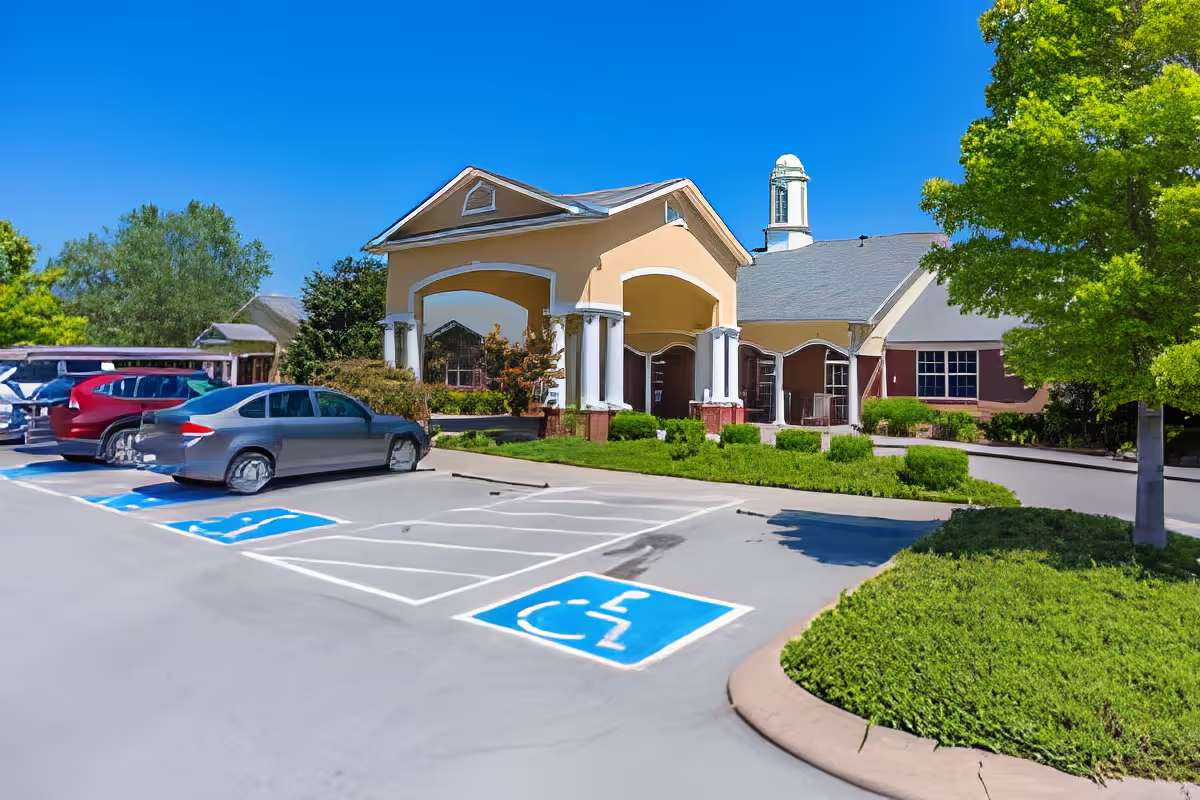
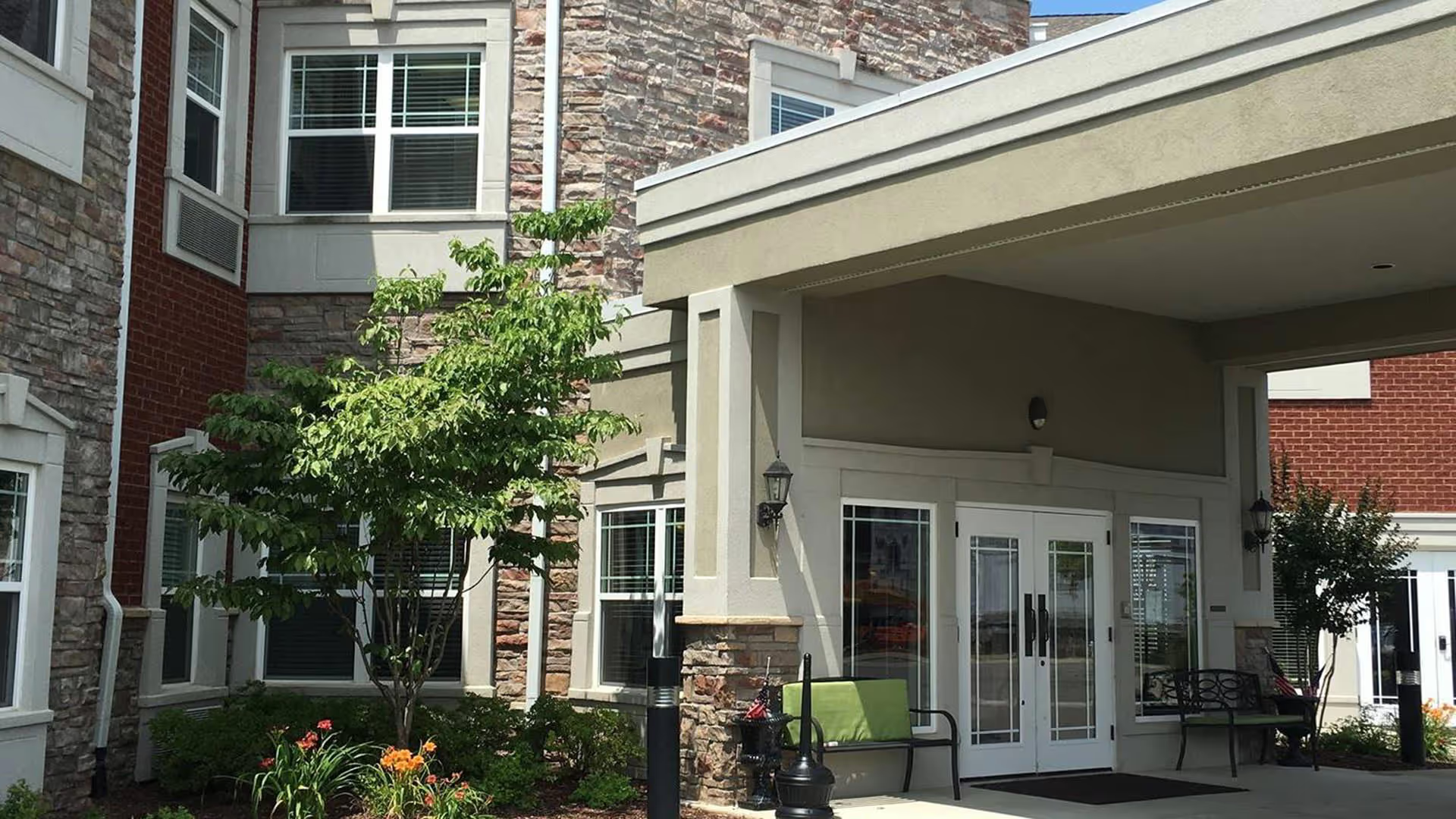
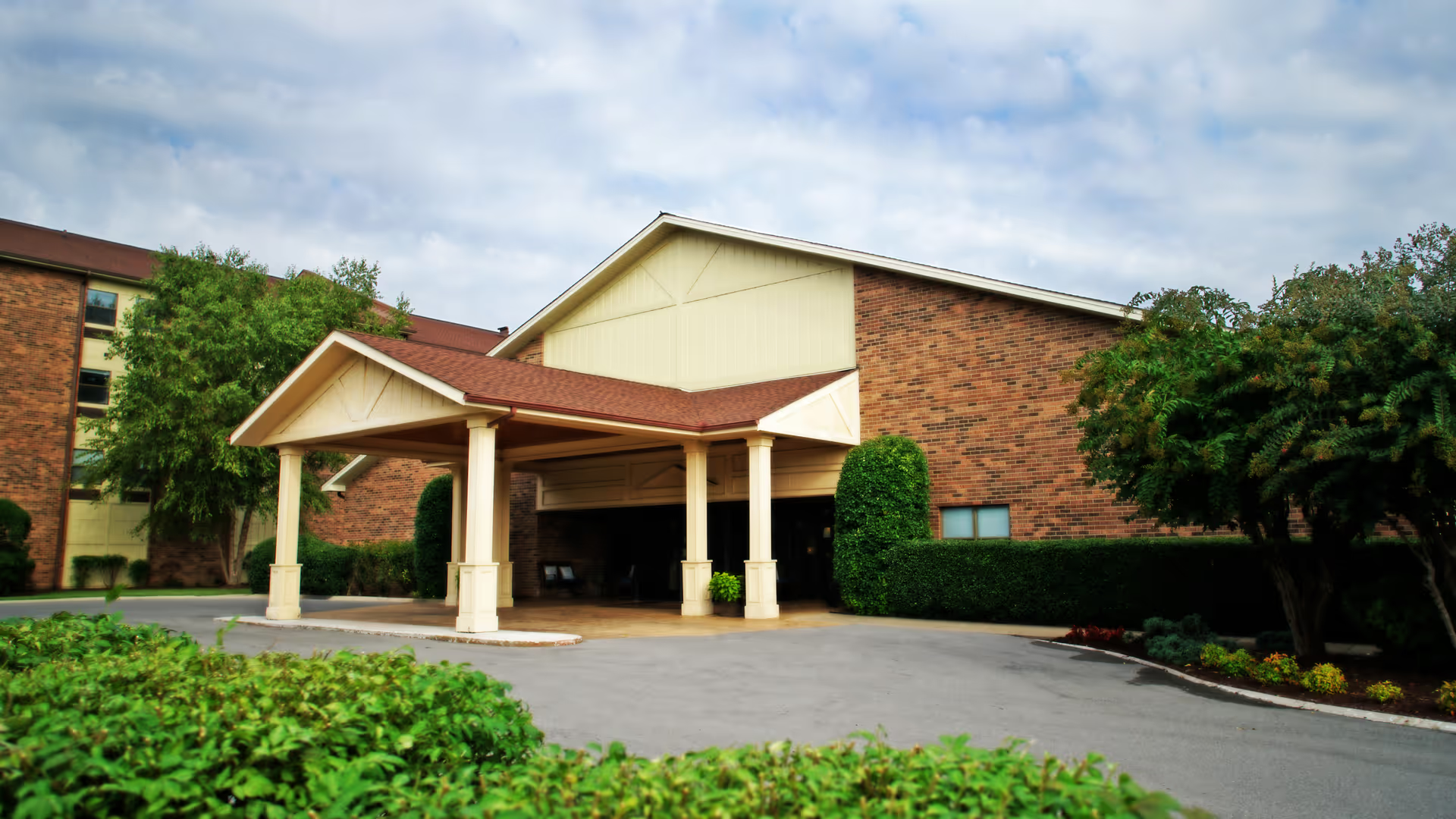
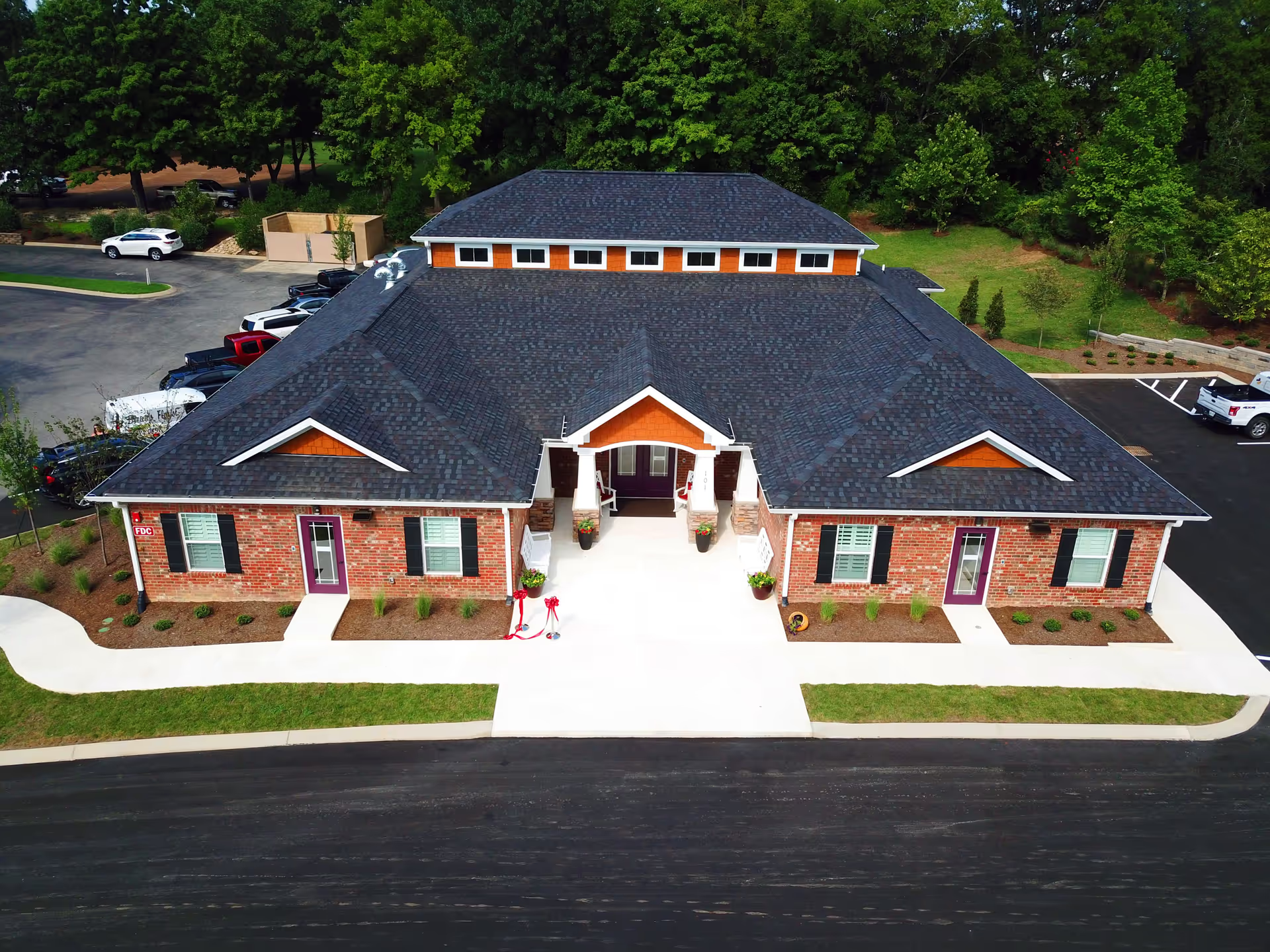
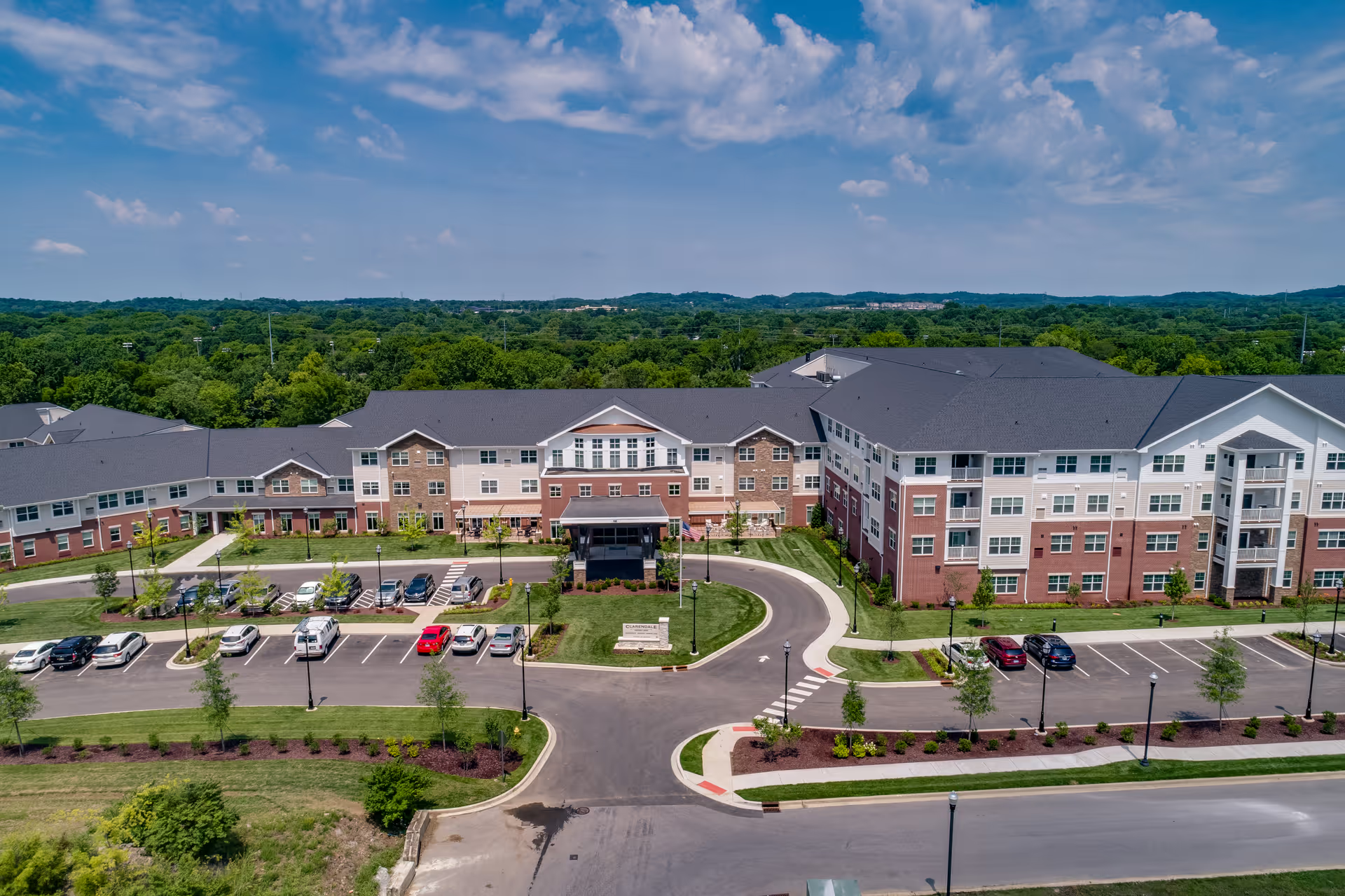
Facility and amenities receive largely positive comments: the building is described as clean, newly decorated in many areas, and well maintained, with private bathrooms, accessible units, salon, courtyard and therapy spaces. However, sanitation and housekeeping standards were not uniform in every account — some families reported lapses in cleanliness or odor concerns in particular areas — indicating operational inconsistency rather than a pervasive property-wide failure.
Management and communication present a mixed picture. Several families praised proactive communication, monthly newsletters, and fast resolution of issues; others experienced billing questions, poor phone responsiveness, or perceived overpromising during admissions. A limited number of reviews referenced difficult interactions at reception or friction around entry and screening policies. These patterns suggest variability in administrative follow-through and front-line training.
Notable patterns for prospective residents and families: the strongest, most consistent strengths are the staff’s compassion, an active activities program, and an attractive, secure environment that supports social engagement. The primary operational risks are variability in staffing and clinical processes (medication timing, call response, and higher-acuity memory-care coverage), inconsistent dining experiences, and occasional administrative communication breakdowns. When evaluating this community, families should ask specific questions about current staffing ratios by shift, medication-administration protocols, dining accommodations for assisted eaters, emergency-response procedures, and how the facility supports residents with dementia or higher nursing needs.