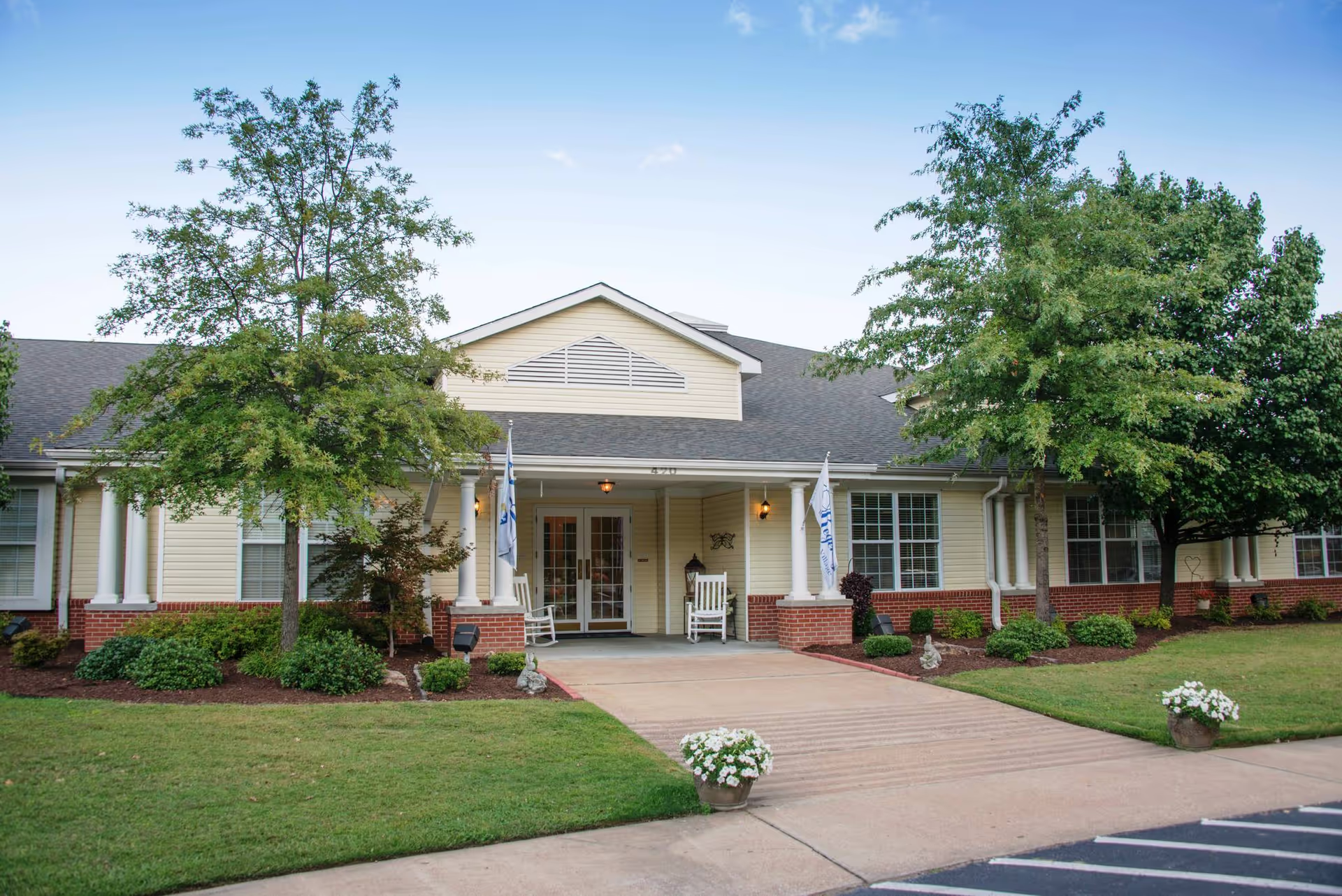
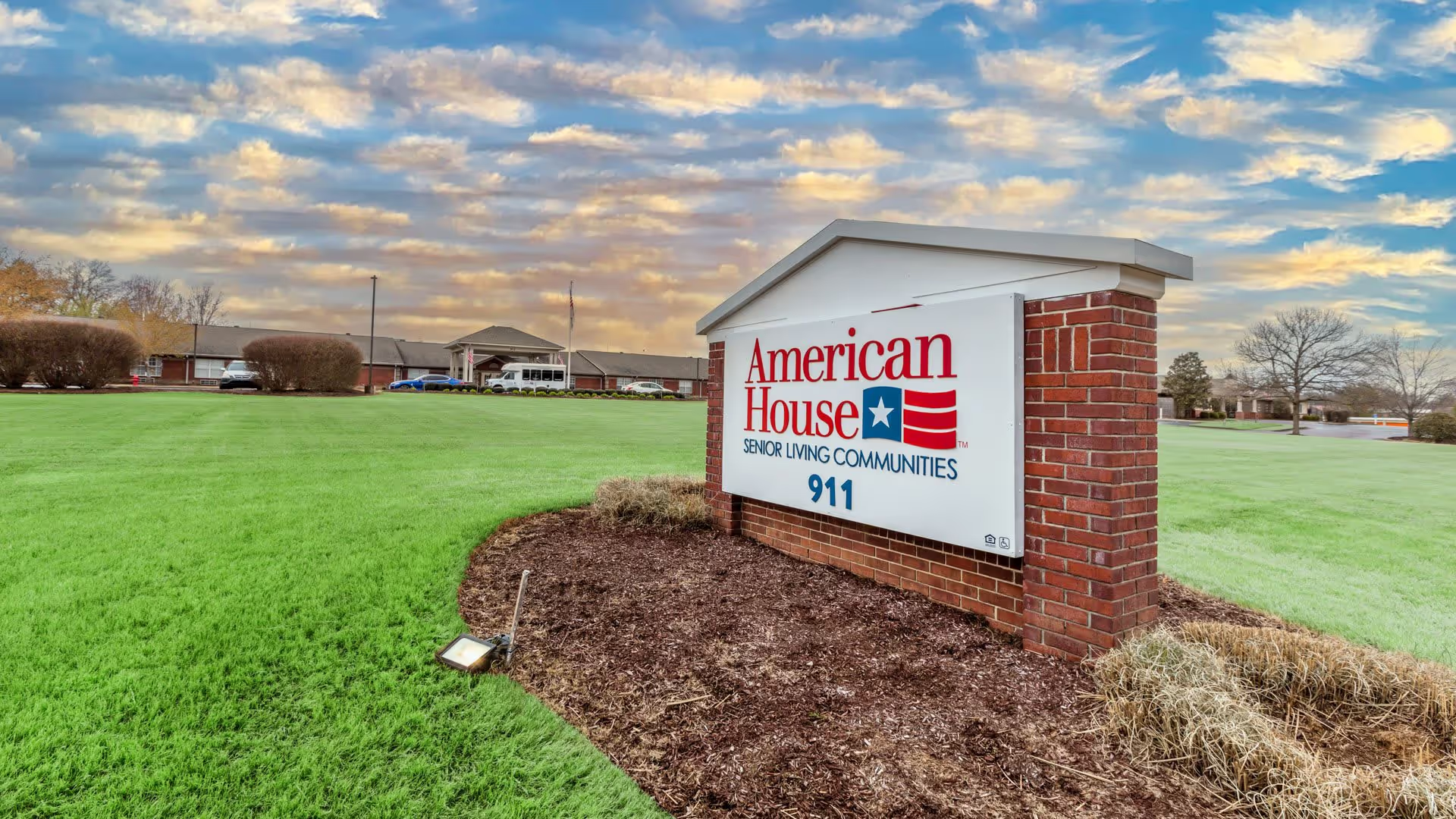
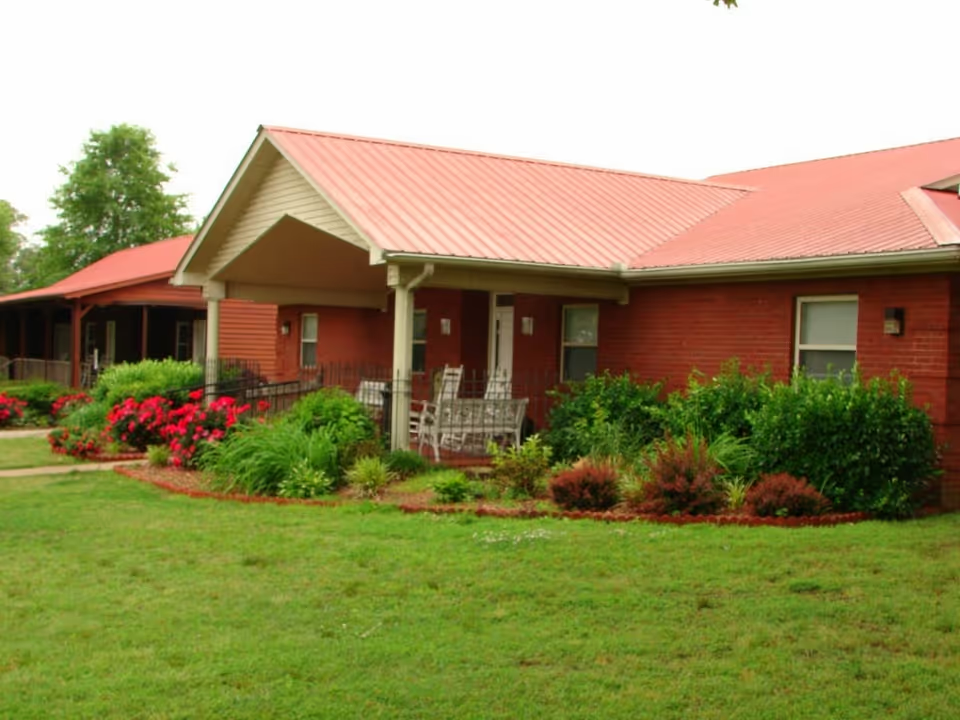
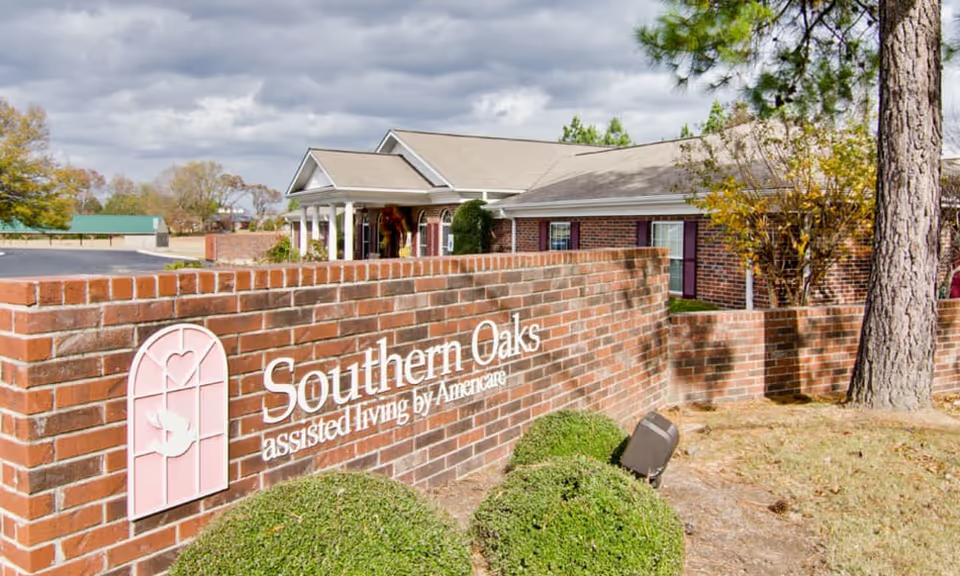
The reviews present a mixed picture. Several families describe positive interactions on admission and ongoing warmth from some nursing assistants, CNAs and admissions staff, and multiple comments highlight clean, comfortable rooms and a generally orderly facility environment. Dining is a clear strength in many accounts: meals are described as well-presented with restaurant-quality preparation and attentive kitchen staff. These aspects may make the facility appealing for families prioritizing accommodations and dining experience.
At the same time, the most consistent concern across accounts is staffing. Reviewers describe insufficient staffing levels and long waits for assistance; this is reflected in delayed responses to call lights, prolonged waits during clinical encounters, and inconsistency in scheduled personal care such as bathing and skin checks. Those operational patterns are associated with reported gaps in clinical monitoring and intervention, which families identified as a substantive risk factor for residents with higher medical needs.
Staff conduct and safety culture are another area of divergence. Some reviewers praised individual nurses and aides for professionalism, while others raised concerns about the tone of interactions, handling during care, and coordination during outside appointments. Related operational weaknesses include transportation and appointment coordination gaps and apparent lapses in privacy and mail-handling practices. Together, these issues suggest variability in staff training, supervision, or enforcement of procedures.
Management and communication are recurring themes. Reviewers describe challenges reaching staff and receiving timely updates, and some noted decisions that appeared driven by insurance limitations rather than individualized care goals. Several comments express dissatisfaction with leadership’s responses when concerns were raised, indicating opportunities to strengthen incident response, family outreach, and transparency around care plans.
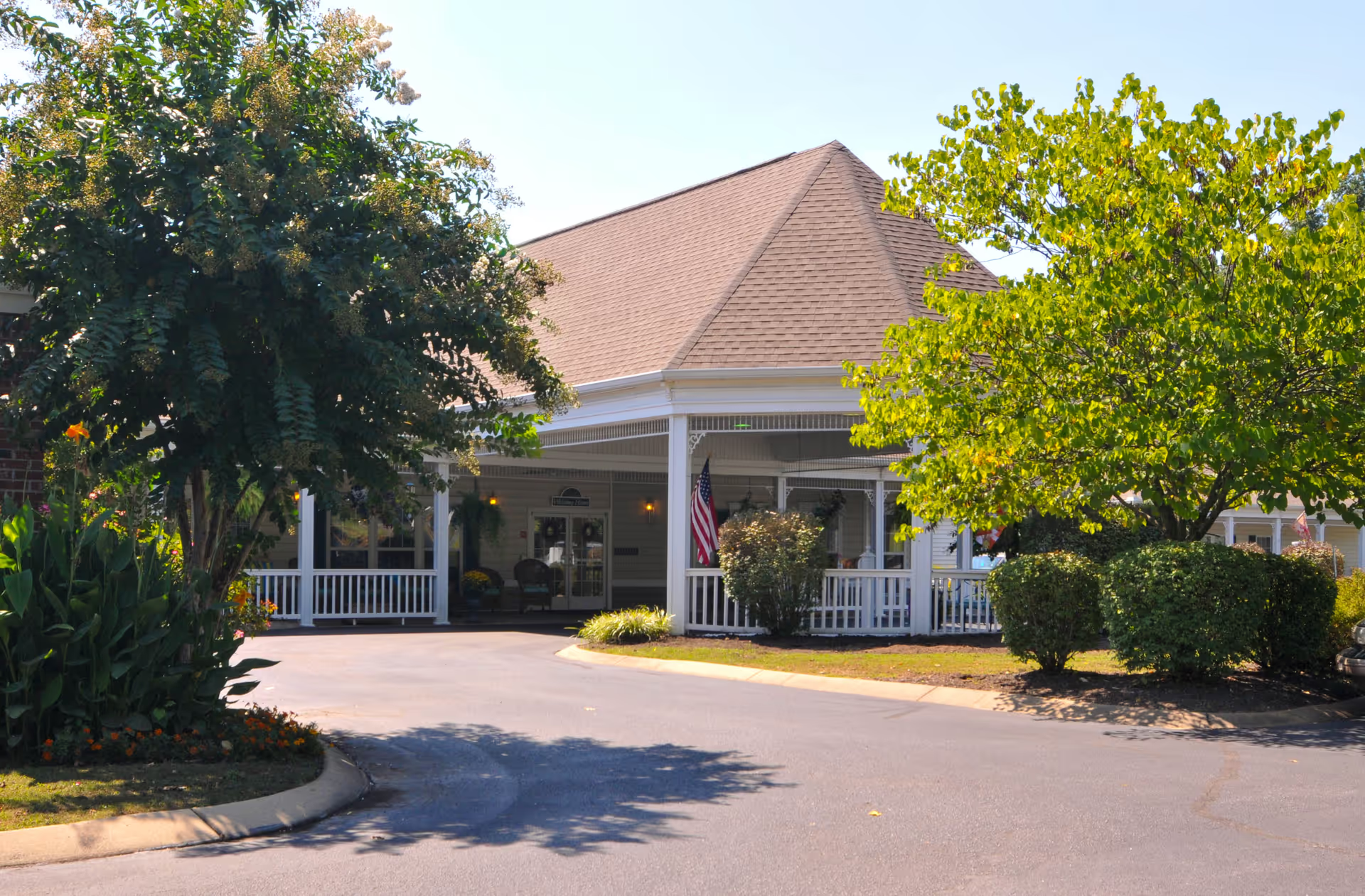
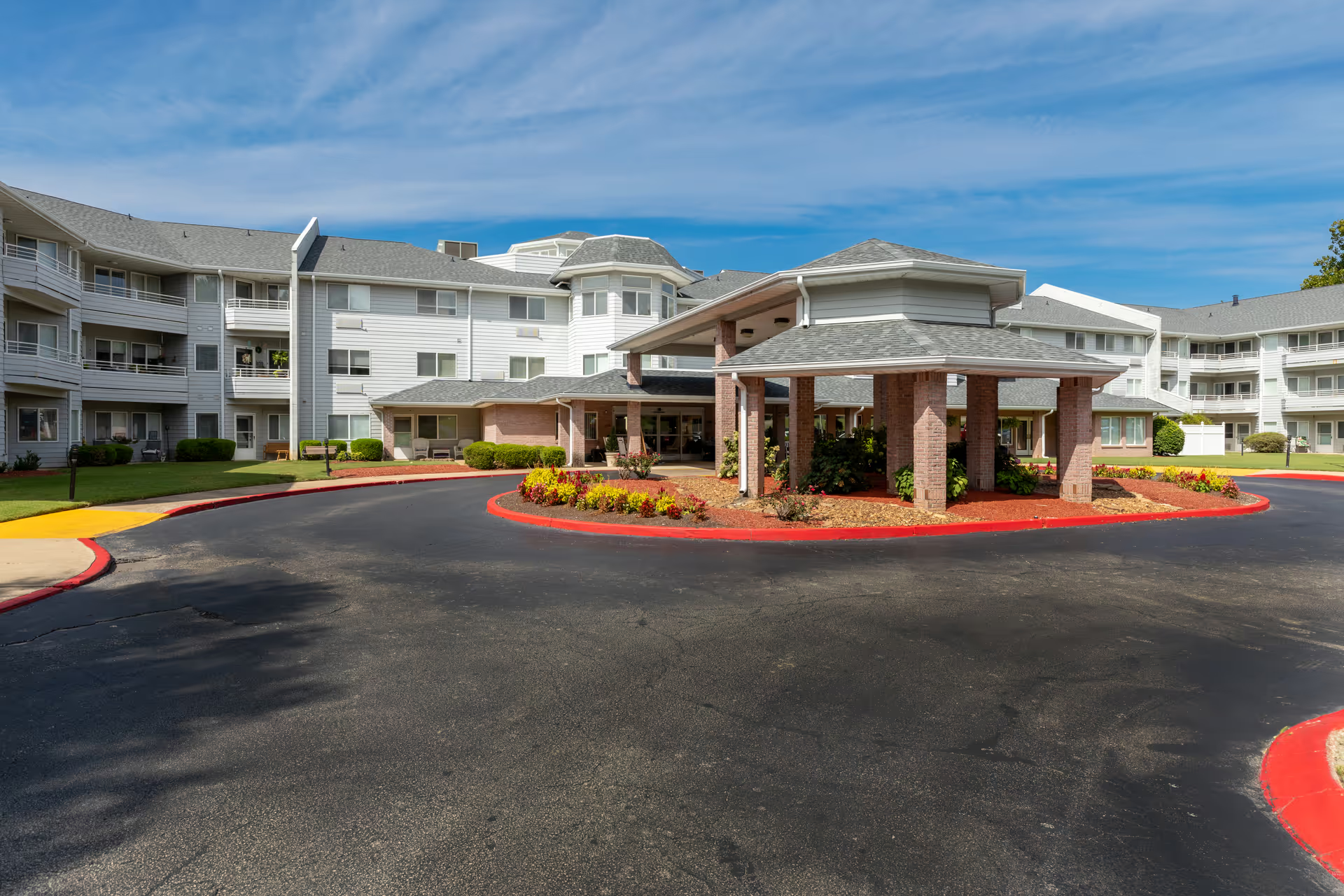
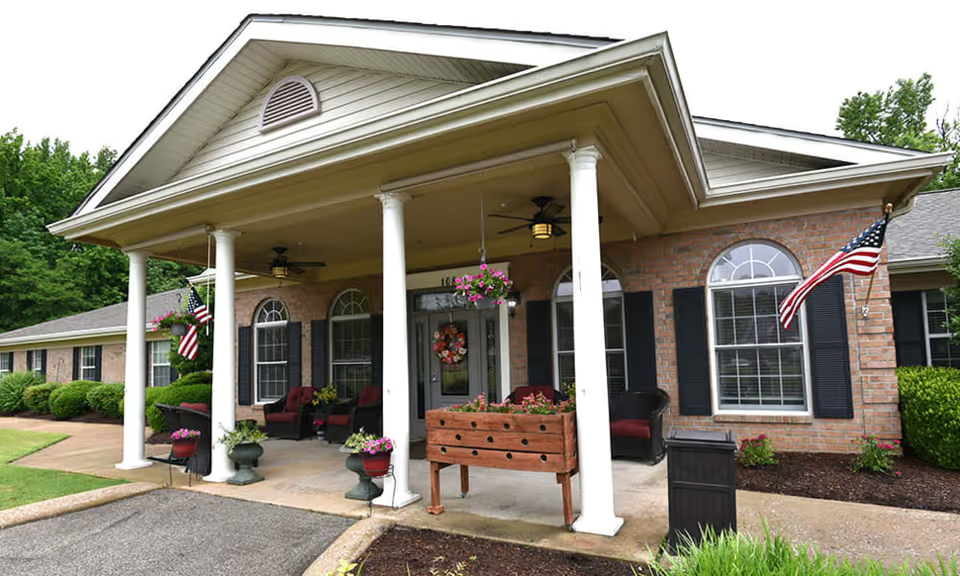
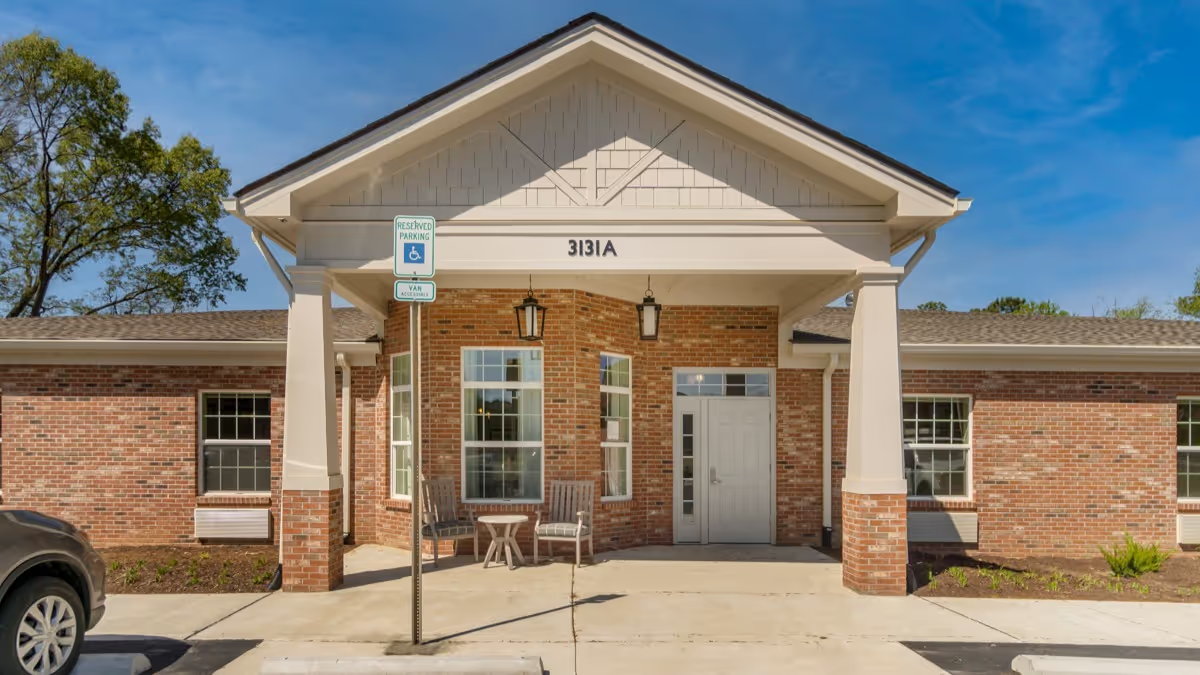
Dining quality is generally praised but not uniformly consistent: while many note high-quality meals and courteous kitchen staff, there are isolated reports of service interruptions or meal problems, suggesting uneven execution of the dining program. Facilities and common areas are frequently described as clean and comfortable, though operational issues such as visitor parking availability and intermittent disruptions to amenities (for example, television access or housekeeping variability) were also mentioned.
Taken together, the pattern is one of contrasts: strong points in hospitality, dining and some direct-care staff are counterbalanced by systemic operational weaknesses—notably staffing levels, communication, and clinical oversight. Prospective residents and family members may wish to visit in person, observe staffing at different times of day, ask for details about staffing ratios, bathing and skin-care schedules, clinical-monitoring protocols, incident reporting practices, insurance-related care limitations, and current quality or regulatory records before making a placement decision.