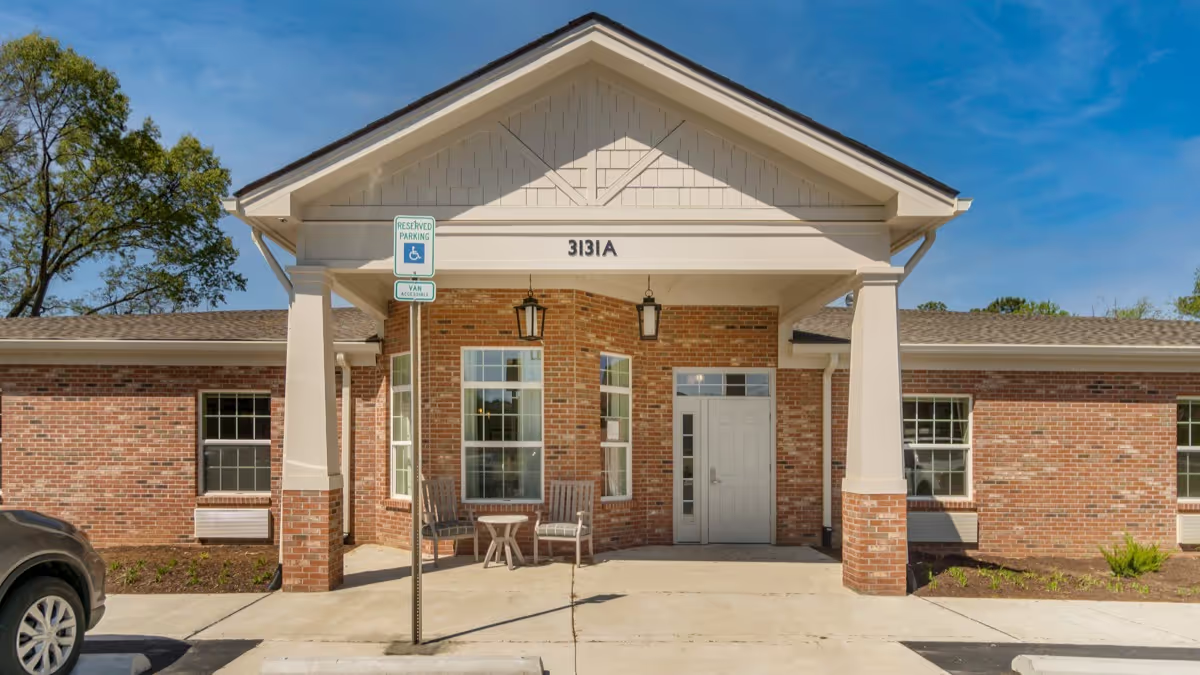
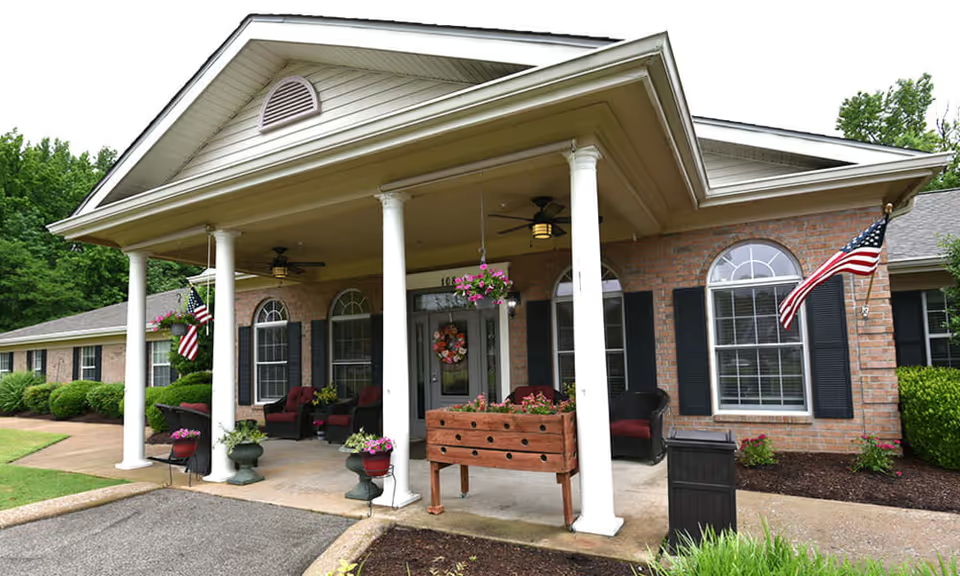
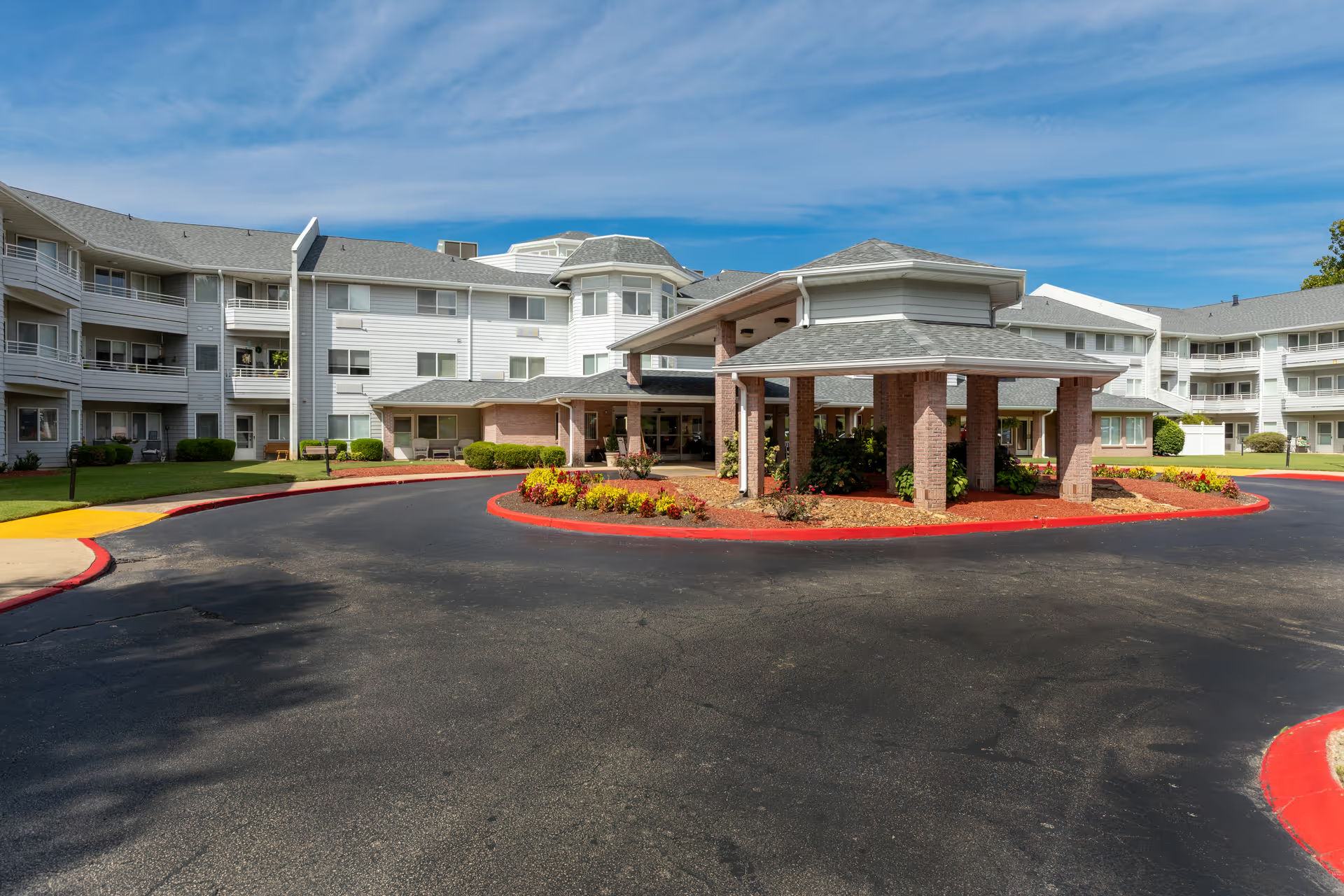
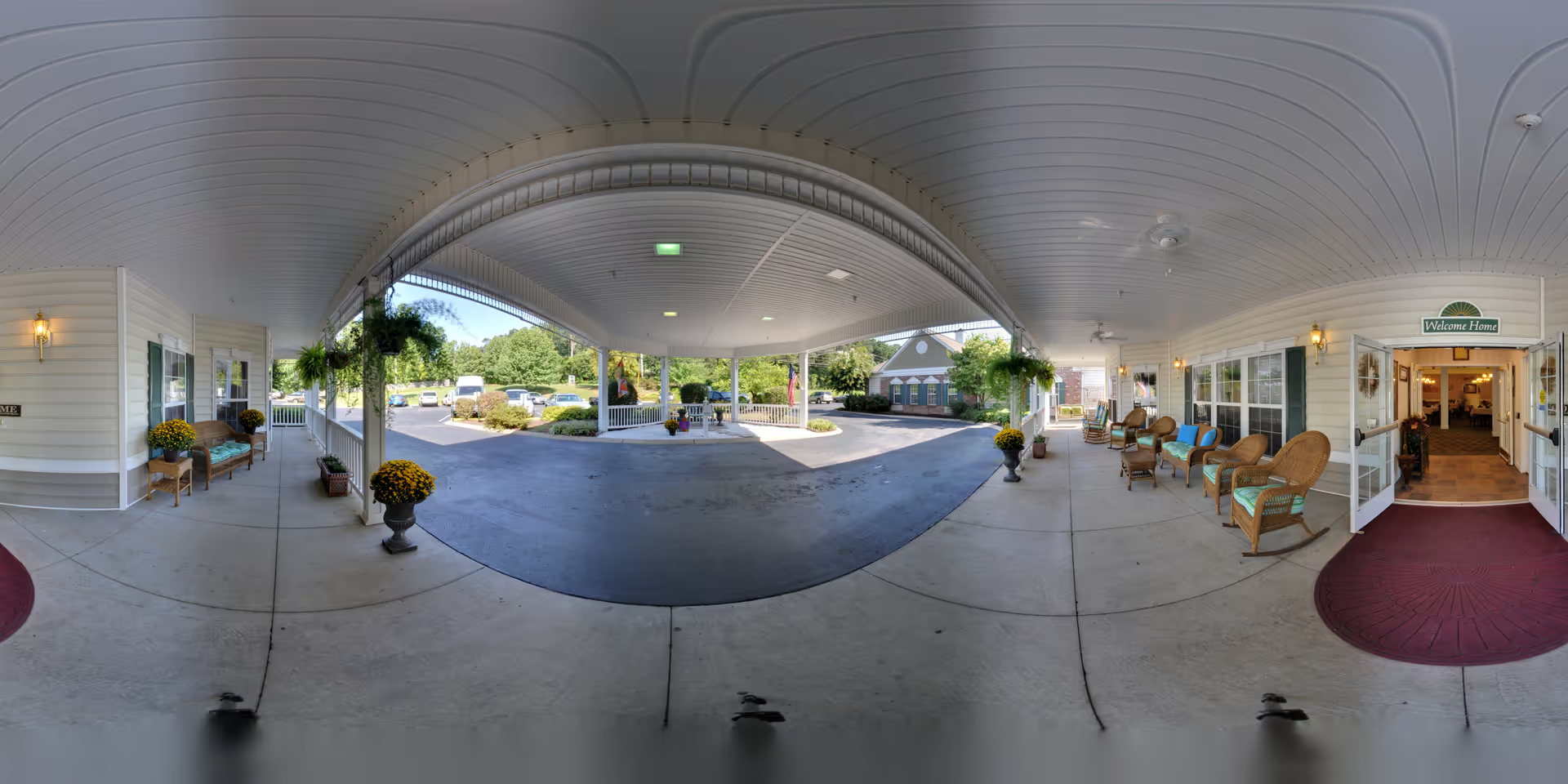
Maplewood Health Care Center elicits strongly mixed impressions. Many reviewers describe a clean, recently renovated facility with pleasant grounds, private-room options, and a secure, home-like atmosphere. Life-enrichment programming—especially art and music—receives consistent praise, and several comments highlight an active events calendar and an engaged events coordinator. Admissions and transition procedures are frequently described as smooth and supportive, and outpatient therapy services (PT/OT) are noted as effective by multiple families.
Care quality is variable. Positive accounts point to compassionate, attentive nurses and aides, long-tenured staff who provide continuity, and specific examples of effective wound and medication administration. At the same time, a recurring pattern of inconsistent clinical performance emerges: staffing levels and responsiveness appear stronger on day shifts and weaker during evenings and weekends, and some families experienced delays in attending to residents' needs. Significant concerns center on medication-management and coordination at transitions of care; reviewers described instances where clinical coordination problems led to adverse outcomes, indicating a systemic risk area rather than isolated paperwork errors.
Staff culture and conduct receive both praise and criticism. Numerous reviewers single out individual caregivers for exceptional compassion and professionalism, and several note visible, responsive leadership and improvements under a newer management team. Conversely, there are multiple accounts of variable staff professionalism, punitive-sounding interactions, and workplace cliques. These differences suggest unit- and shift-level variability in training, supervision, and culture rather than a uniform facility-wide profile.
Dining and ancillary services are another mixed area. Some families report nutritious meals and attentive dietary staff, while others describe inconsistent food quality, long tray delays, and notable differences between weekday and weekend dining. Laundry and personal-item handling also appear inconsistent; complaints about lost clothing and mishandled belongings indicate a need for stronger inventory and tracking practices.
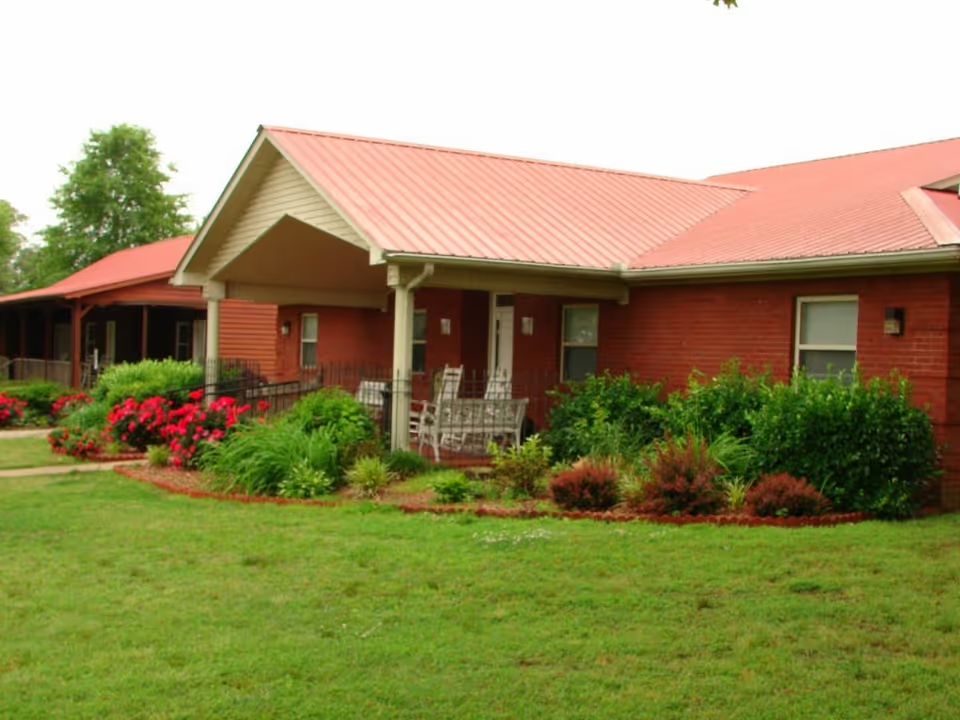
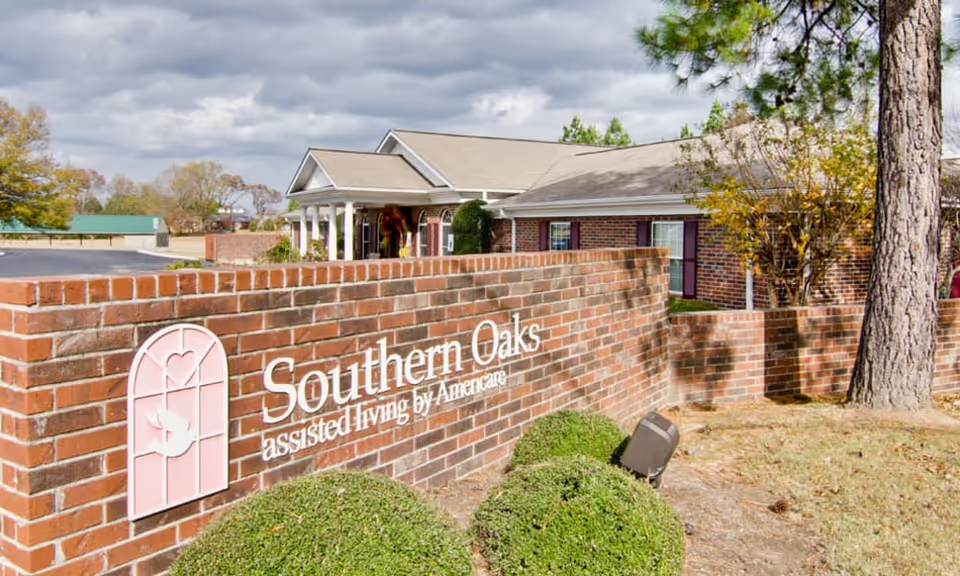
Facilities are generally described as clean, well-kept, and recently updated, with positive comments about interior upkeep, lack of typical institutional odors, and comfortable communal spaces including a back patio. However, practical concerns remain: some double-occupancy rooms and bathrooms are described as cramped, and occasional temperature-control issues (for example, halls becoming warm) were noted.
Management and communication present a bifurcated picture. Several families praise responsive administration and visible leadership engagement; others raise serious concerns about communication breakdowns between departments, inconsistent family updates, and allegations of management cliquishness and review manipulation. These contrasting narratives point to active leadership efforts that may be unevenly implemented across units and shifts.
Notable patterns for prospective residents and families to explore on a visit include: observing evening and weekend staffing and responsiveness, asking about medication-administration protocols and transition-of-care communication, reviewing laundry and personal-belonging procedures, and checking room layouts for double occupancy. In sum, Maplewood offers substantial operational strengths—clean environment, strong activity programming, and capable rehabilitation services—but also shows recurring operational weaknesses around staffing consistency, clinical coordination, dining reliability, and department-level communication that merit direct inquiry during assessment visits.