Overall impression is mixed: the community offers a number of strong features valued by families — compassionate caregiving, knowledgeable nursing and rehab support, attractive grounds and on-site amenities, and large apartment units with full kitchens and in-unit laundry. Many reviewers praised a welcoming, family-oriented culture, hands-on managers, responsive maintenance and housekeeping, engaging activities (church services, crafts, outings), and effective short-term rehabilitation outcomes. Dining is described positively in several accounts that cite table service and fine-dining options, and the admissions and finance teams are frequently noted as helpful during move-in.
At the same time, a consistent pattern of operational weaknesses appears across reviews. Staffing levels and shift coverage are described as inconsistent, with multiple accounts of delays in responding to call lights and routine care tasks. These staffing gaps are linked to broader concerns about clinical oversight and continuity of care, including reports of delayed bathing, weight loss, medication and care coordination problems, and some serious clinical incidents that led to hospitalization and heightened family concern. A small number of reviewers raised allegations of harmful care and other near-miss events; these are serious individual claims that families will likely want to investigate directly with the provider and regulators.
Dining, activities, and resident life present a mixed picture. While many residents and families praise varied social programming, chapel fellowship, outings, and activity spaces (exercise rooms, game tables, salon), other accounts describe limited or inconsistent activity offerings in certain units or shifts. Food quality is similarly variable: some describe tasty, table-service meals while others characterize options as unhealthy or limited, and there are occasional mentions of breakdowns in diet-communication between nursing and food service. Transportation is available in some form but is described as limited or associated with extra cost in other accounts.
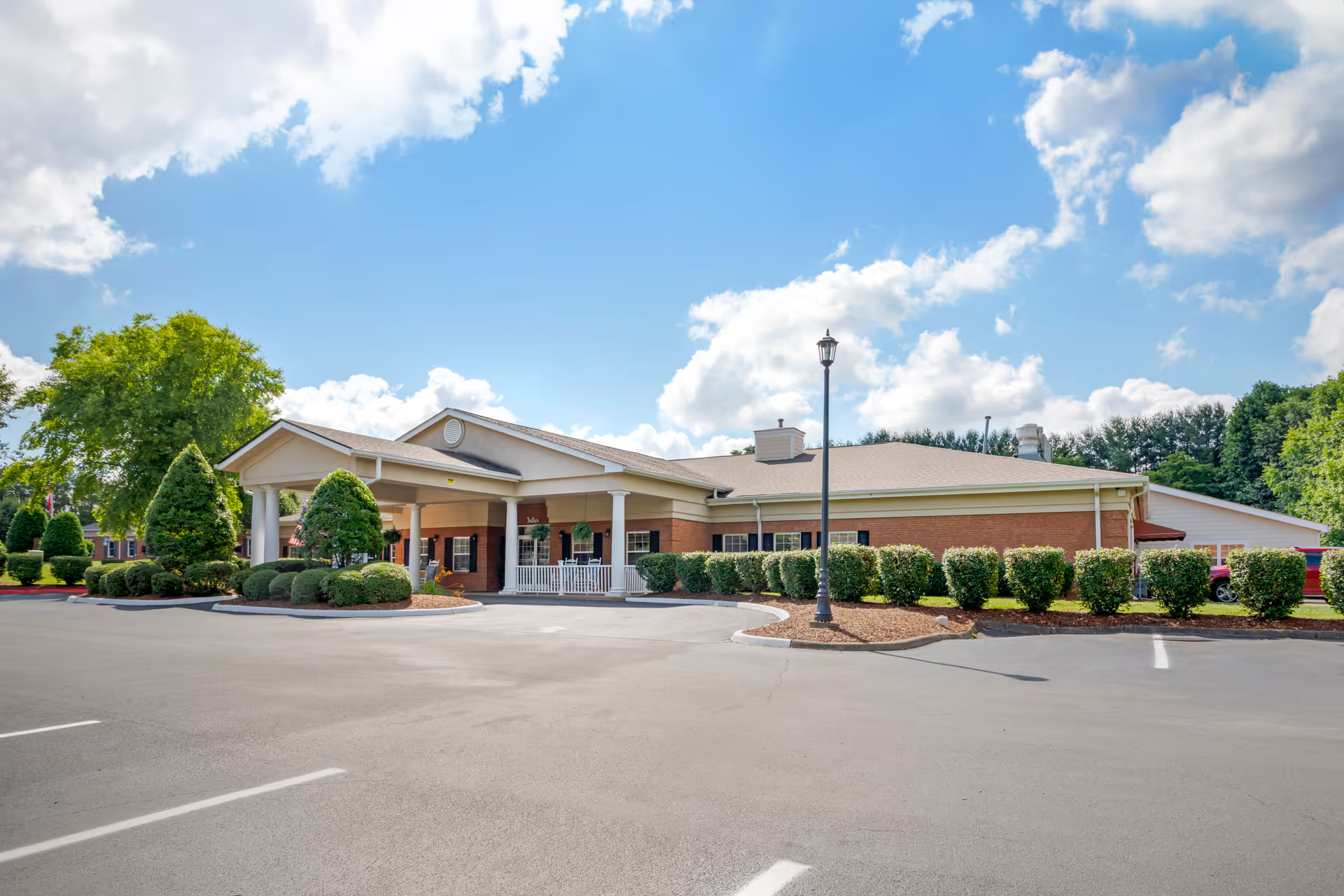
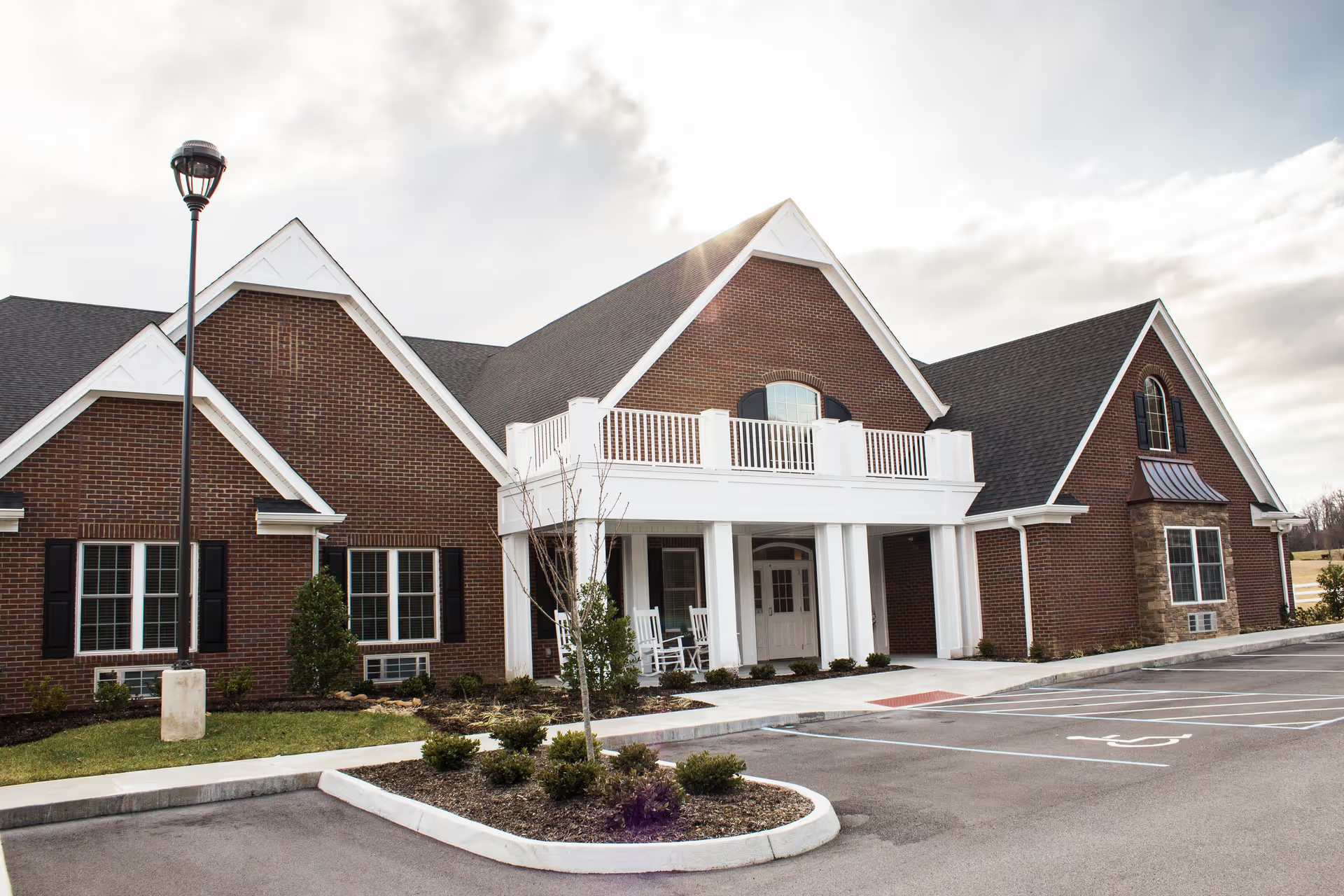
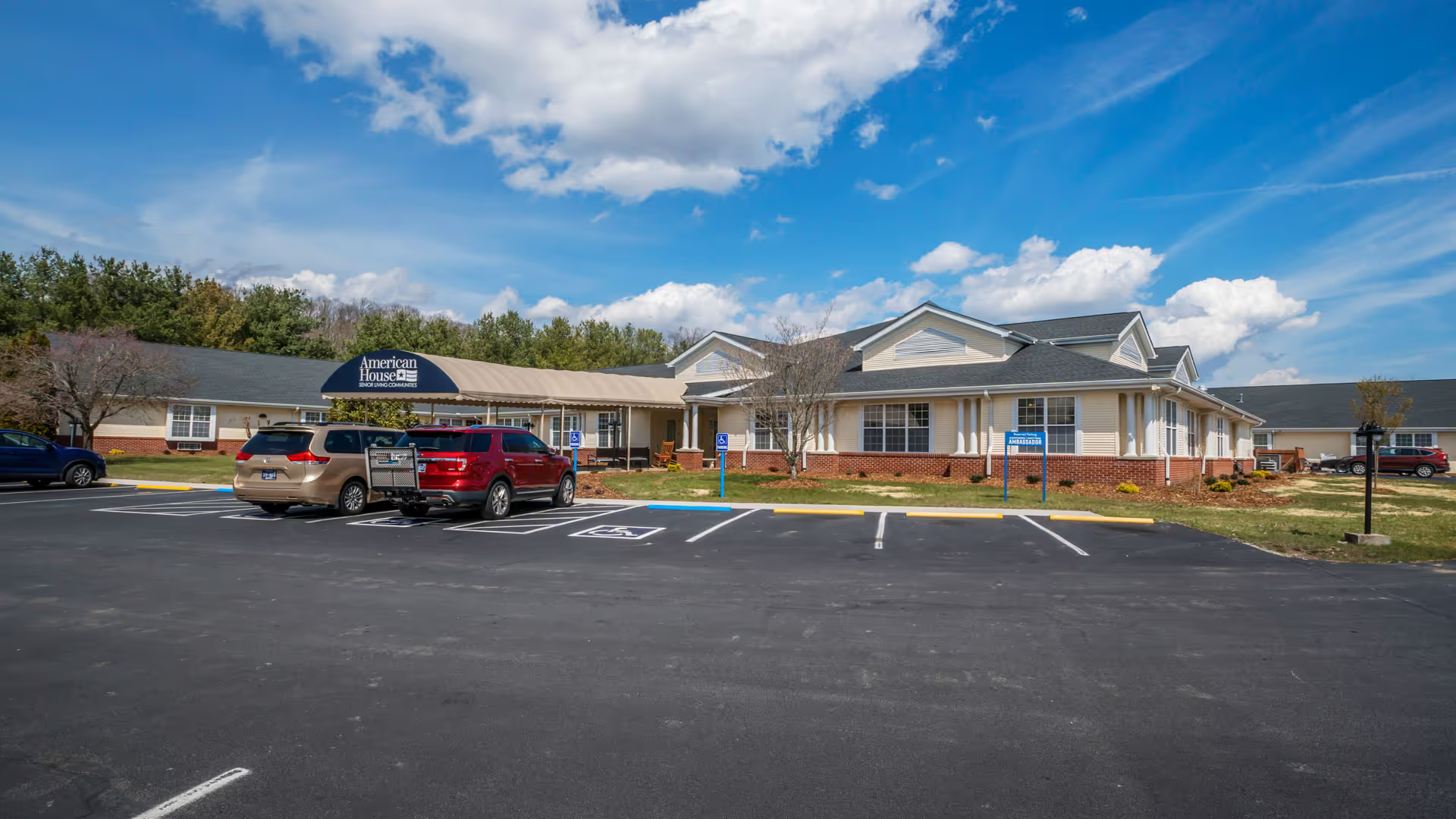
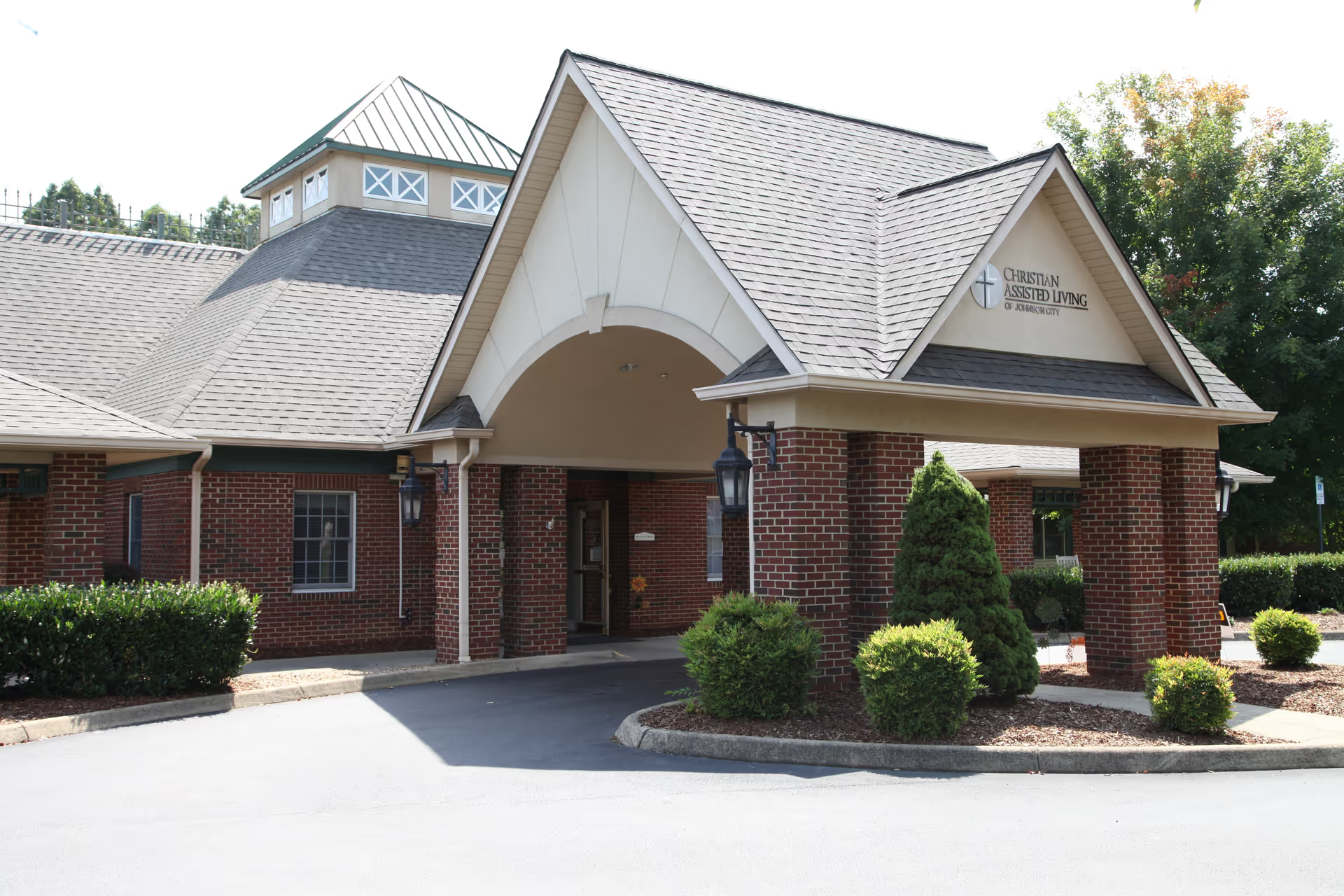
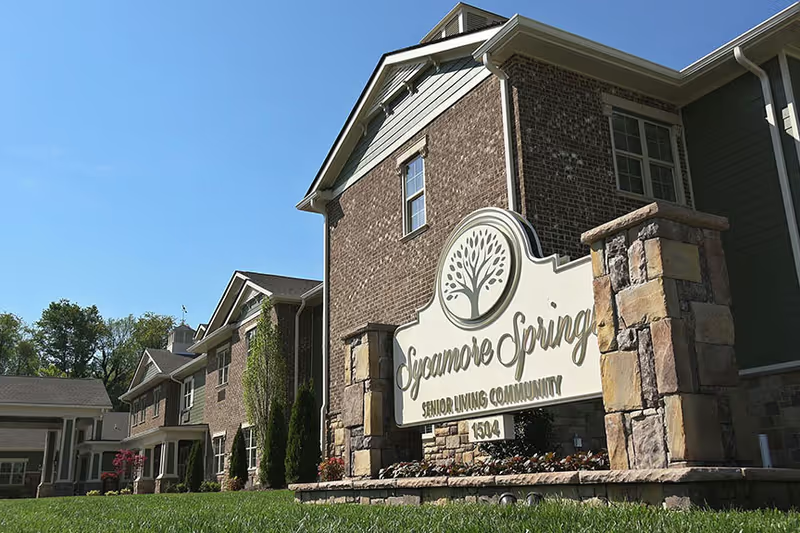
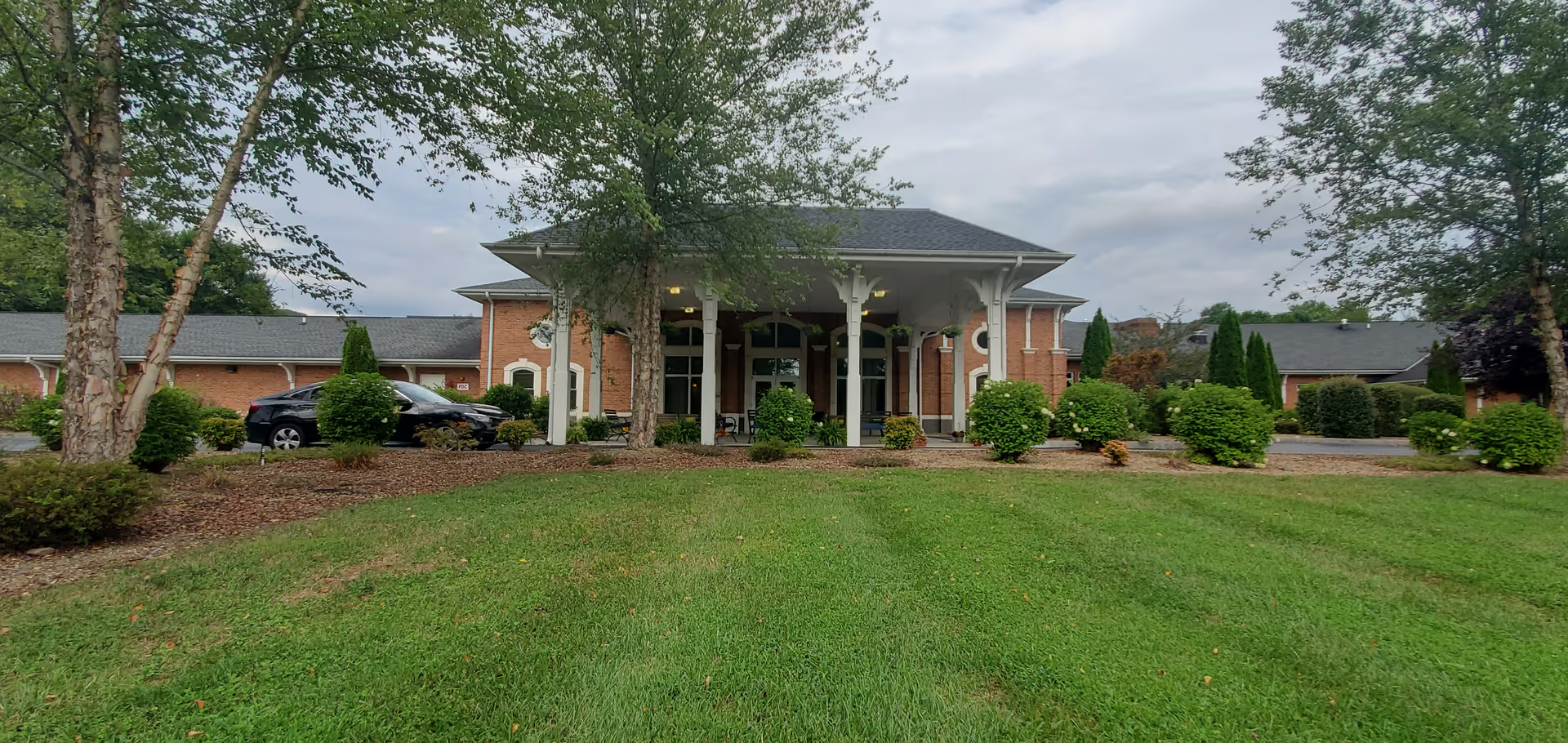
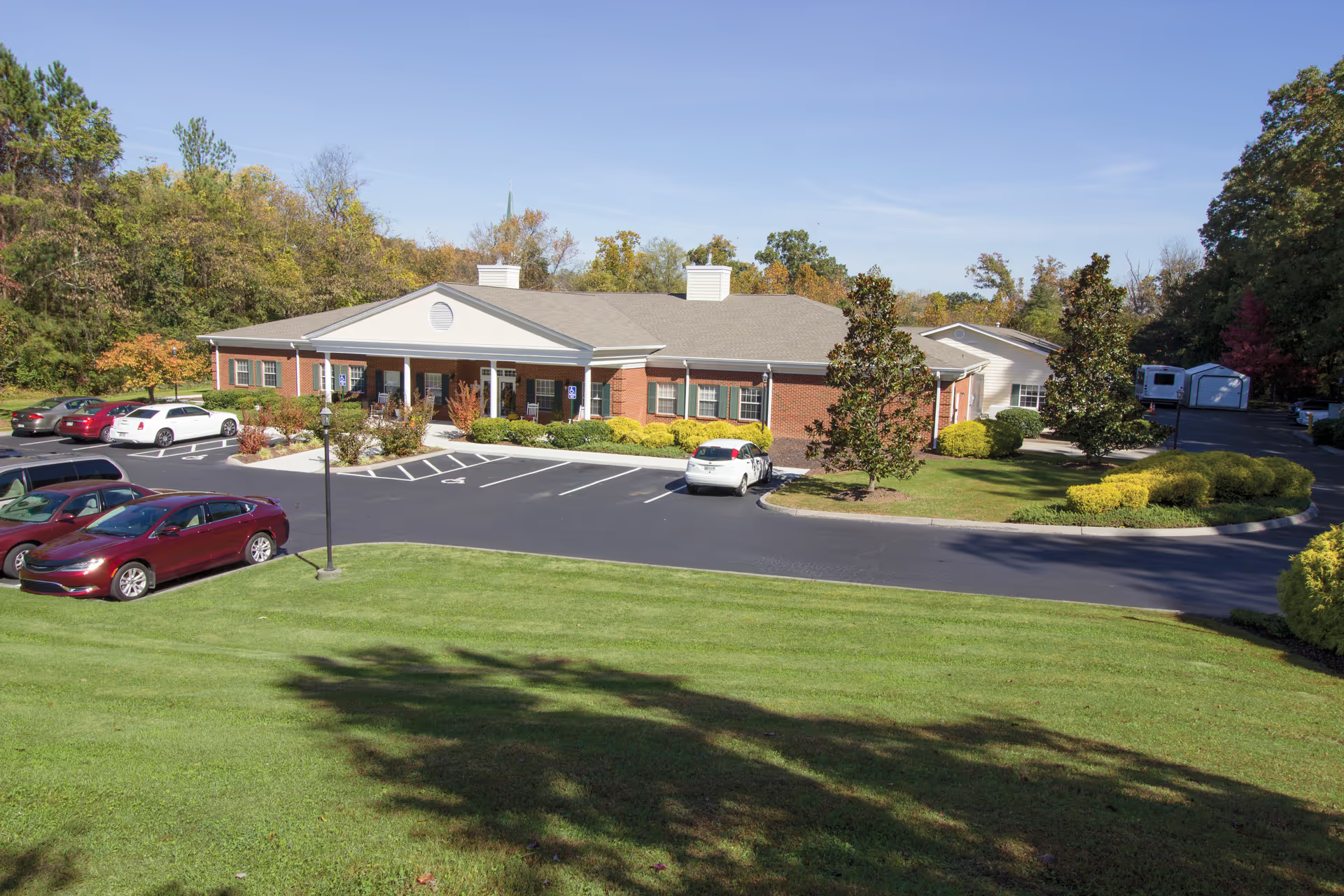
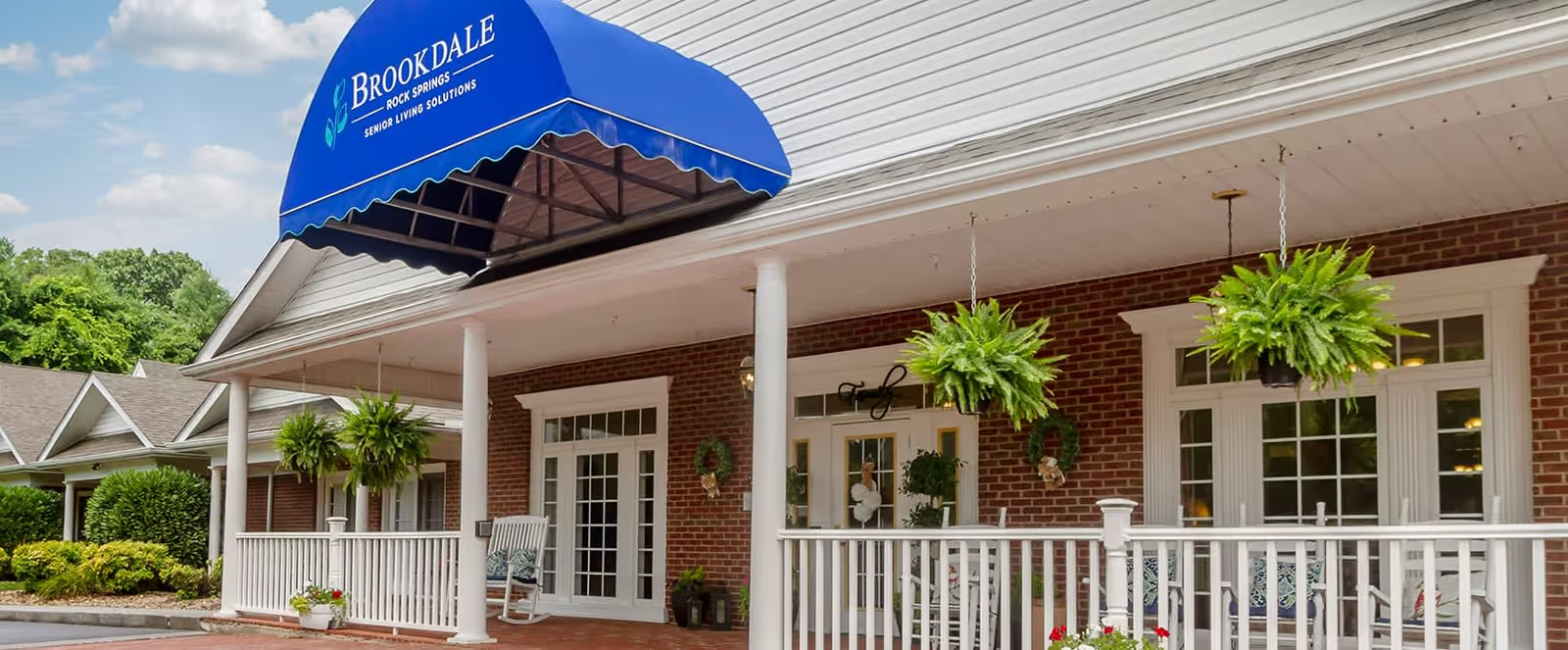
Facility and management themes are similarly bifurcated. The physical plant is often described as clean, updated, and well-kept, with desirable public spaces; however, reviewers also cite unit-to-unit inconsistencies (layout, storage, presence of stoves), sanitation and odor concerns in some common areas, and equipment or repair delays. Management strengths are cited — personable administrators, helpful admissions staff, and proactive maintenance — but other reviews point to communication gaps, perceived prioritization of finances over care, unclear fee policies (for example, meal-plan billing), and high staff turnover affecting morale and service continuity.
What emerges is a polarizing pattern: some families report consistently high-quality, compassionate care and excellent transitions, while others report operational and clinical lapses significant enough to prompt relocation or regulatory concern. Prospective residents and families should weigh the facility’s physical amenities, activity offerings, and staffing model against the reported inconsistencies. Recommended next steps include: (1) asking for current staffing ratios and turnover statistics, (2) reviewing incident and hospitalization records or quality-score summaries if available, (3) clarifying fee and meal-plan policies in writing, and (4) arranging multiple visits at different times of day to assess responsiveness, activity schedules, and dining firsthand. These steps will help determine whether the facility’s strengths align with an individual resident’s care needs and expectations.