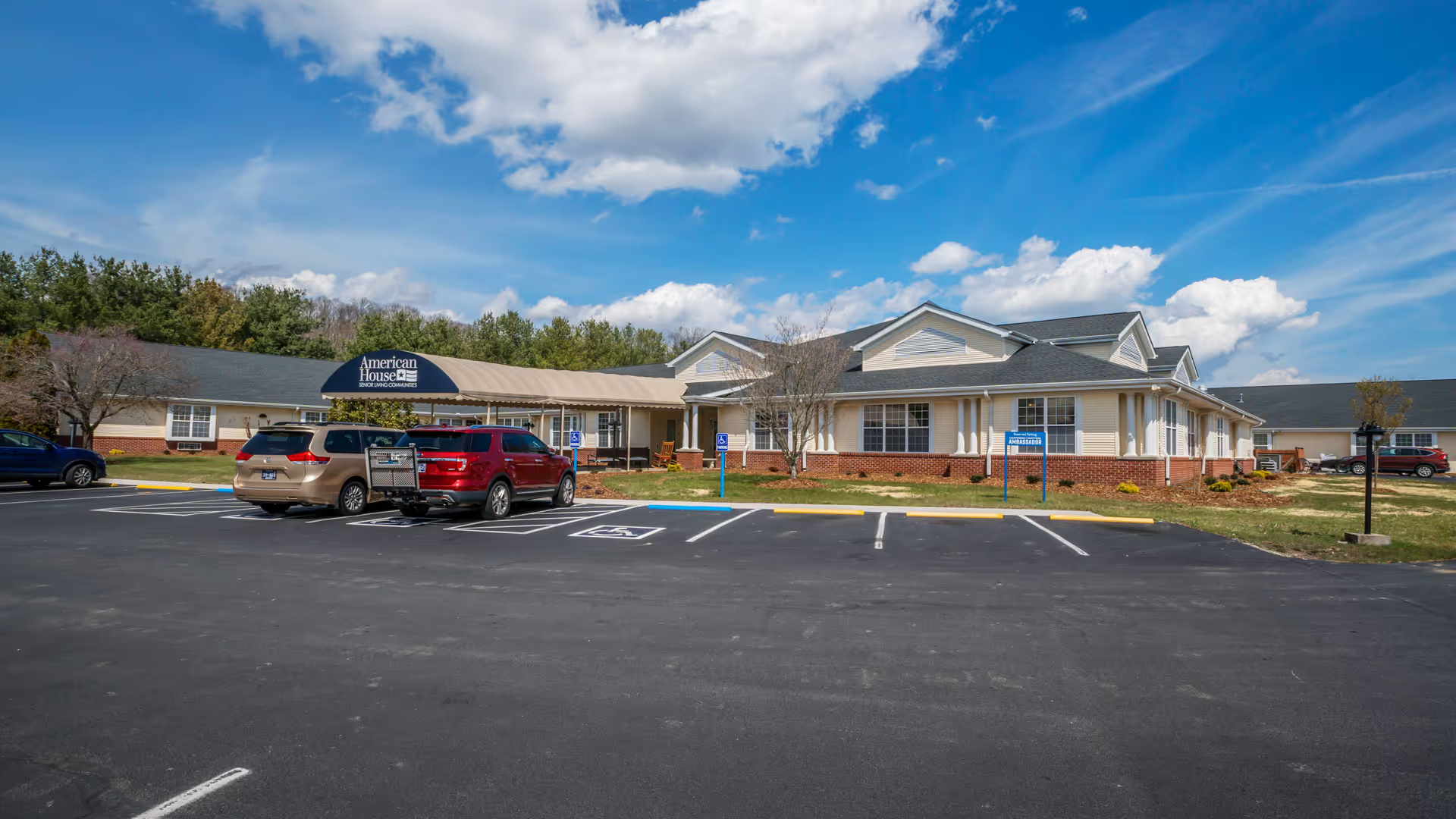
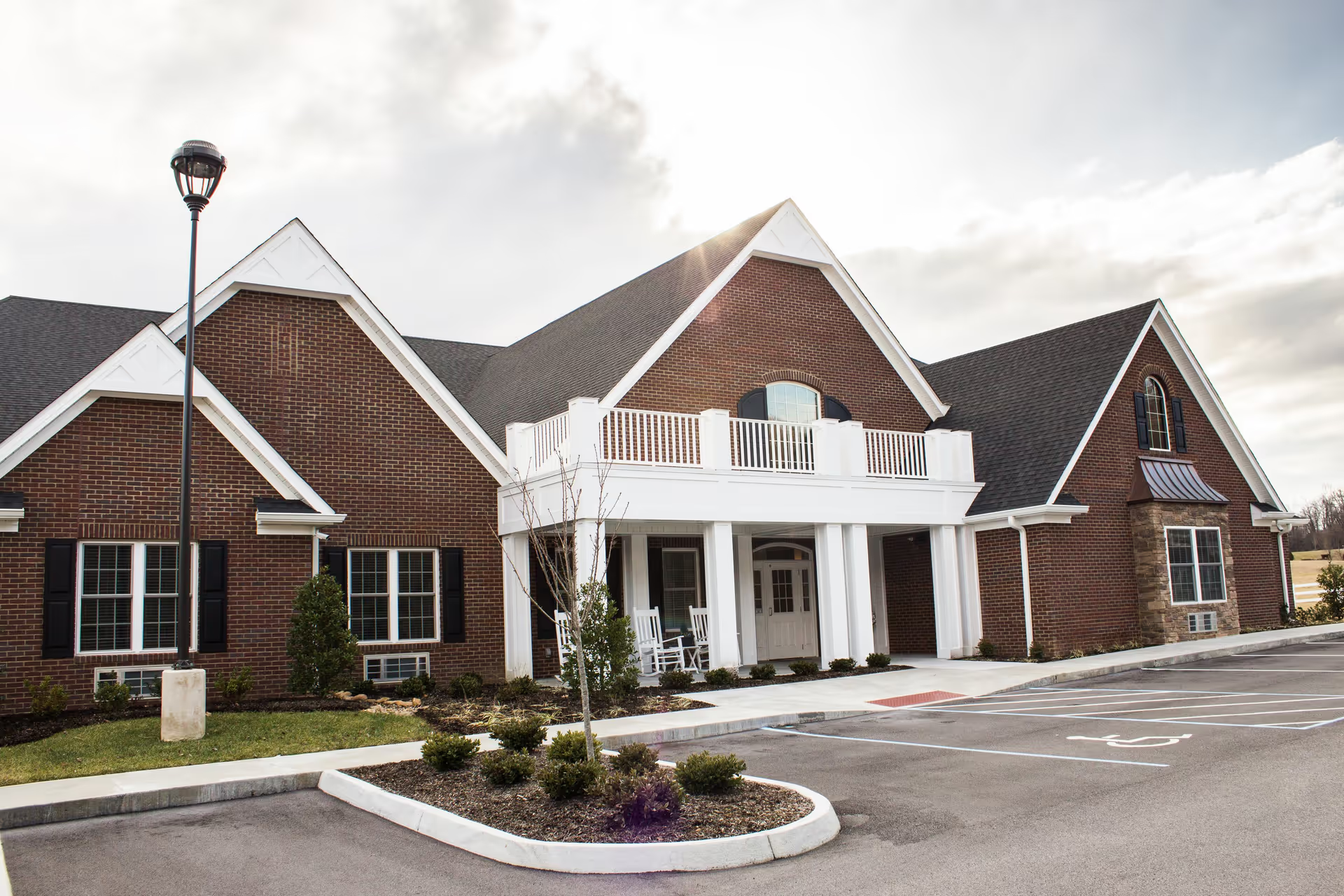
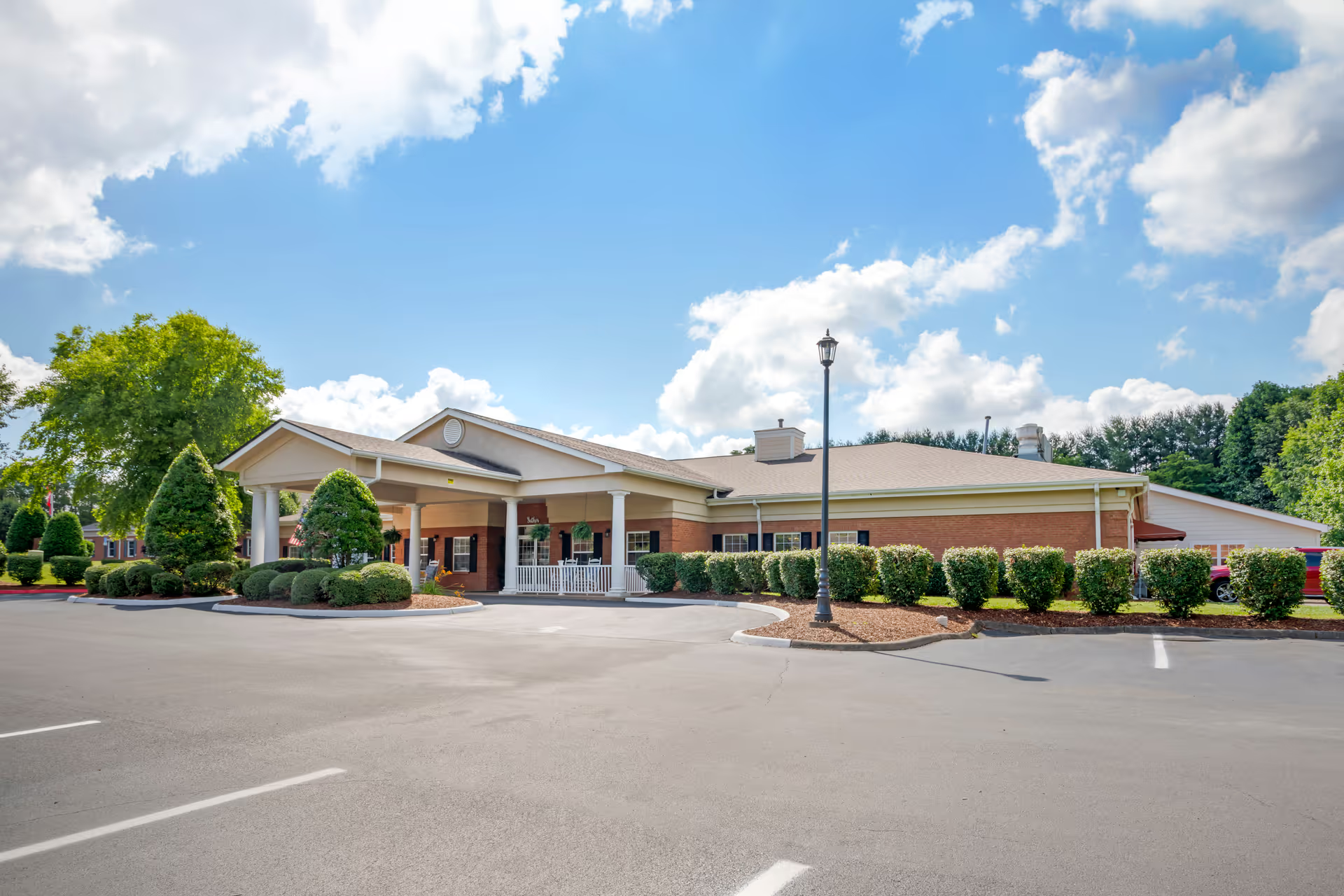
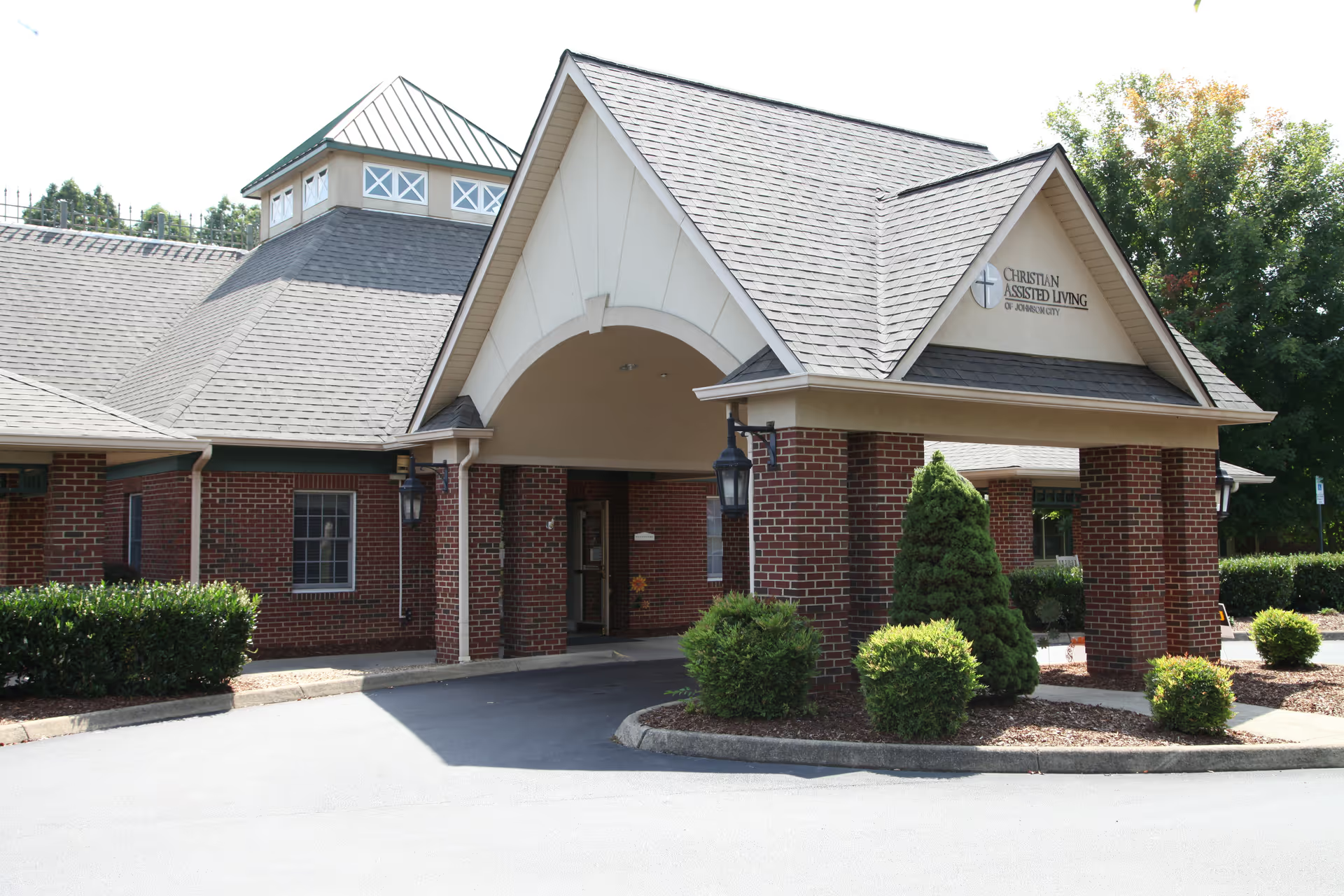
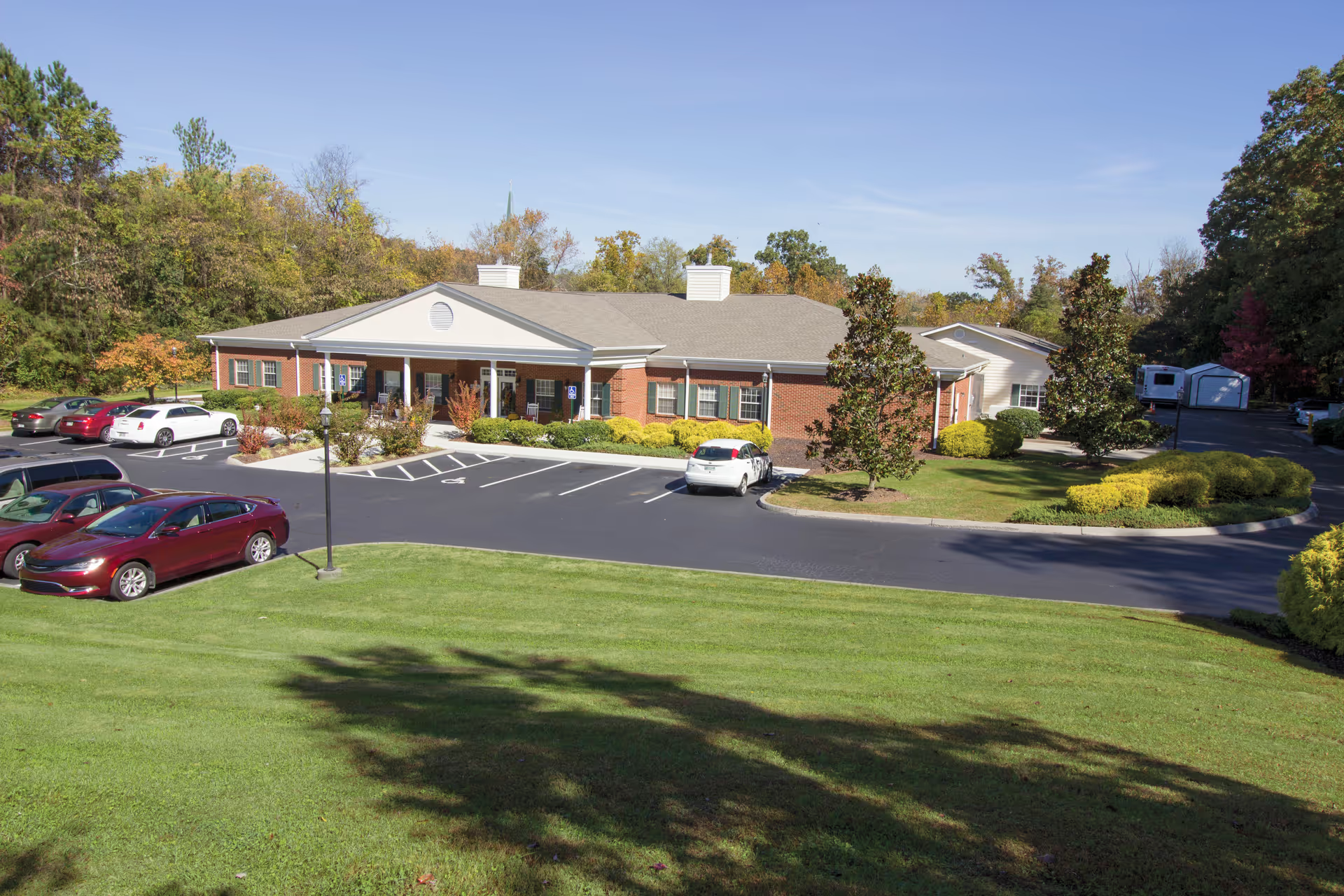
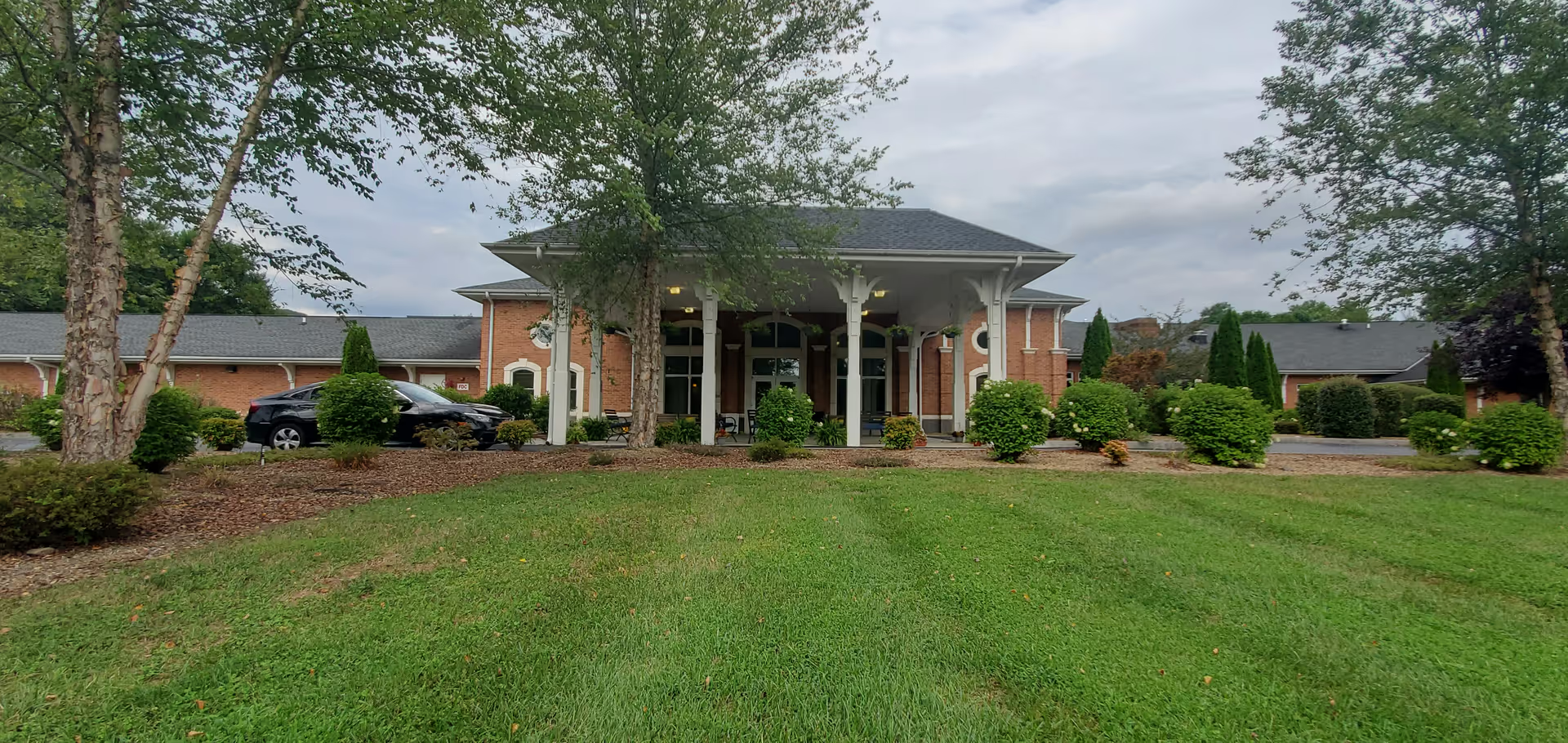
Princeton Transitional Care elicits strongly mixed impressions. Many reviewers highlight the facility's strengths in short‑term rehabilitation: therapy teams (physical, occupational and speech therapy) are frequently described as knowledgeable, motivating and effective at restoring function. Several family members and residents praised individual therapists and therapy aides by name and noted meaningful functional gains and positive discharge outcomes. The building itself is repeatedly described as modern, attractive and well kept, with private suites, courtyard access, an exercise room and a pleasant activity calendar that includes music and religious services.
Clinical care and direct‑care staff receive variable evaluations. Numerous comments commend compassionate nurses and CNAs, attentive night teams, and capable case managers who assist with equipment and transitions. However, a recurring theme is inconsistency in nursing coverage and responsiveness: reviewers cite slow responses to call lights, medication delays, and limited RN availability at times. Communication with families is another frequent concern — families report gaps in notification about incidents, delays in lab or treatment results, and uneven follow‑through on discharge planning and coordination with outside home‑health or insurance providers.
Dining, housekeeping and support services show mixed performance. Some residents found the food appealing and praised dining staff; others described overcooked meals or limited menu choices. Housekeeping and room maintenance were generally seen as strong on arrival, but multiple accounts describe lapses during stays, including sticky floors, infrequent linen changes, and sanitation concerns in select rooms. Property management also emerged as an operational weak point, with a number of reports about missing items or laundry errors.
Management and operational practices present a dual picture. Several reviewers singled out specific administrators and caseworkers for positive engagement; conversely, there are repeated remarks about inconsistent leadership presence, limited supervisory follow‑up, and frustration with corporate or insurance‑driven decisions that appear to constrain individualized care. Infection‑control and visitation policies have been implemented in ways that some families found confusing or inflexible. More serious clinical concerns — including delayed skin/wound improvement, weight loss in some residents, transfers back to acute care for feeding or IV needs, and concerns following a resident's death — are mentioned often enough that prospective families should inquire directly about current clinical oversight, wound‑care protocols and incident‑reporting practices.
Bottom line: Princeton Transitional Care offers a strong rehabilitation environment with many dedicated therapists and appealing physical surroundings, and it can deliver positive, measurable short‑term outcomes. At the same time, prospective residents and families should assess operational consistency before placement — ask specific questions about staffing ratios at nights/weekends, nurse availability, call‑light response times, wound and skin‑care protocols, dementia services if relevant, discharge coordination processes, and billing transparency. Visiting the unit during a weekend or evening and speaking directly with therapy, nursing leadership and the case manager can help clarify whether the facility's strengths align with an individual resident's needs.