Experiences at Beverly Park Place vary considerably. Many residents and families describe attentive, compassionate staff and positive stays in rehabilitation or long-term care. Others describe difficulty obtaining timely assistance and inconsistent care, particularly when residents need extensive hands-on support. Staffing constraints and delayed call-light responses recur in critical accounts, with some families indicating that response times are especially challenging during evening shifts and meal service. Other accounts describe prompt, individualized attention, so the reported experience appears to differ across units, shifts, and care needs.
Rehabilitation and clinical care receive both strong praise and significant criticism. Positive accounts highlight knowledgeable physical and occupational therapists, effective wound care, encouragement with therapy, and recovery progress. Conversely, families raise concerns about therapy frequency, documentation, care-plan follow-through, medication timing, and timely clinical assessment. Some describe serious concerns involving fall prevention, oxygen delivery, medication coordination, or escalation of health changes. These accounts contrast with reports of responsive clinicians and should be considered alongside the facility’s specific staffing, care-planning, and communication arrangements when evaluating suitability.
Personal care and communication are also uneven themes. Some families describe residents as clean, comfortable, and well supported, while others report inconsistent bathing, grooming, continence care, and help with meals or drinks. Family communication ranges from regular updates and prompt resolution of questions to delayed callbacks and difficulty reaching staff or supervisors. A few families also describe shortcomings in communication and support around end-of-life care. Positive experiences with social workers and individual supervisors suggest that communication quality may vary by staff member and situation.
Dining feedback is mixed. Some residents and families find meals acceptable or enjoyable and appreciate regular meal service and snacks. Others describe limited choices, poor temperature or quality, and insufficient accommodation for individual dietary or texture needs. Activities include bingo, games, crafts, social events, outings, and other group programming; some residents and visitors value these opportunities, while others say schedules are not clearly communicated or that participation is limited.
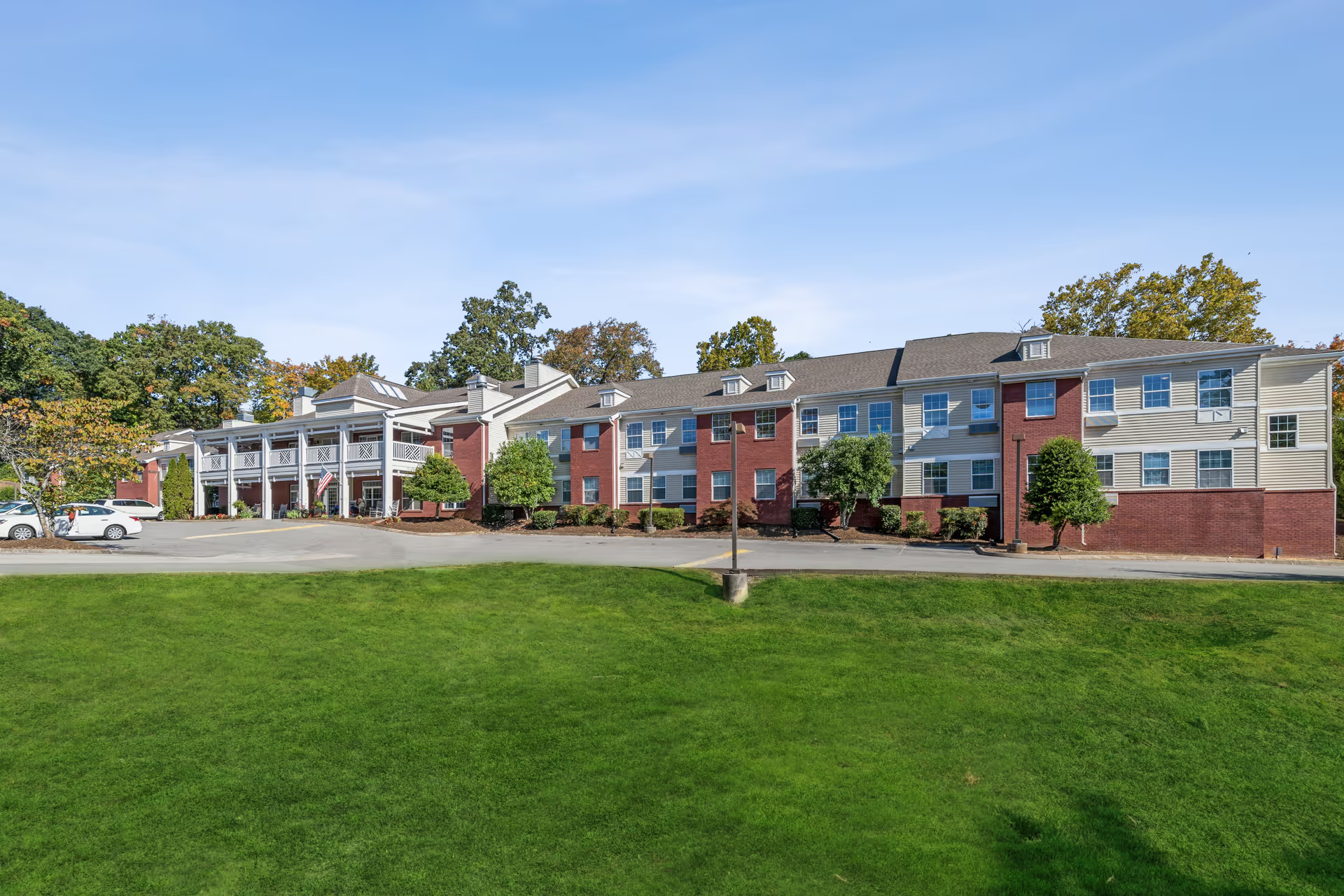
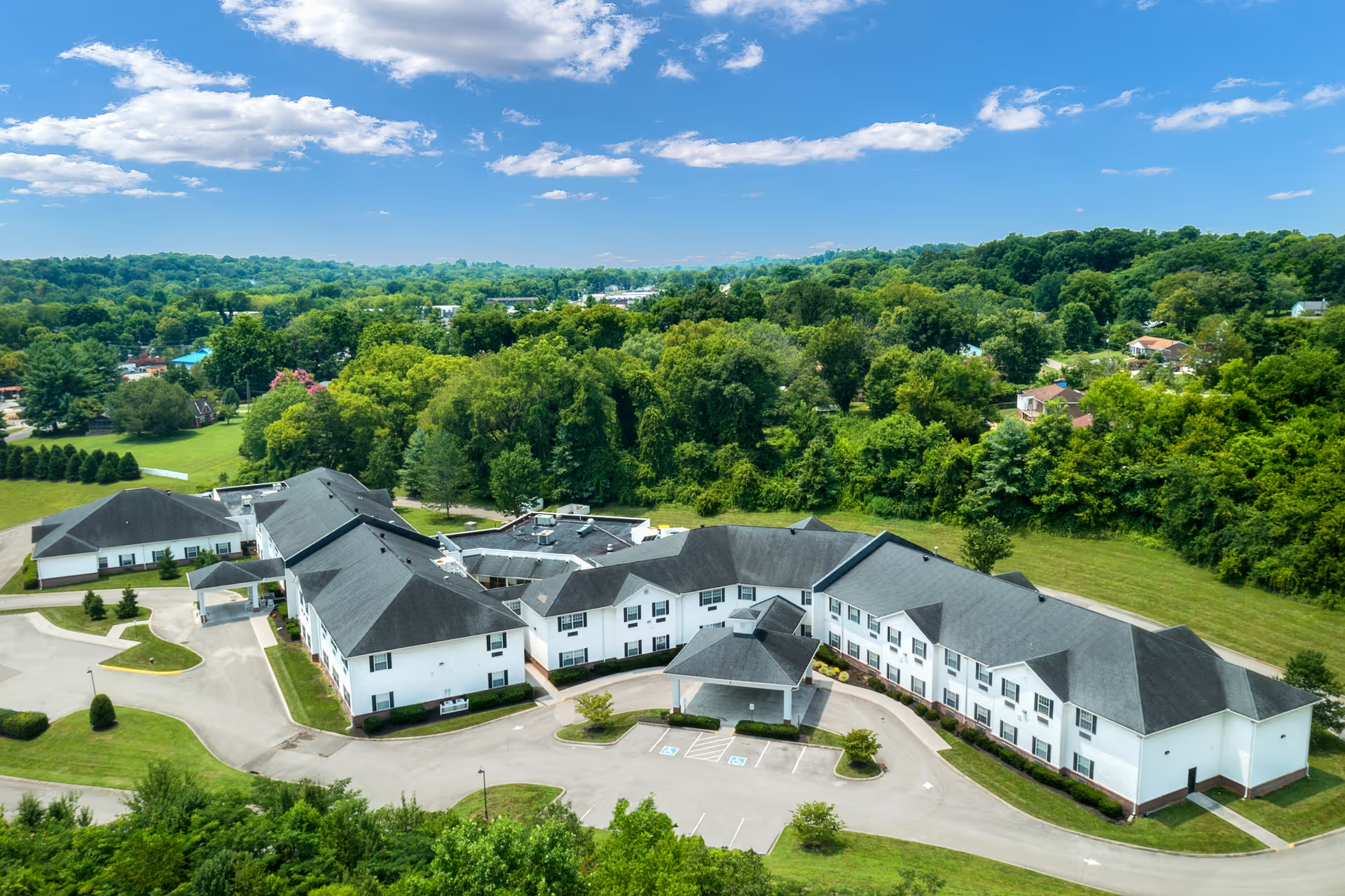
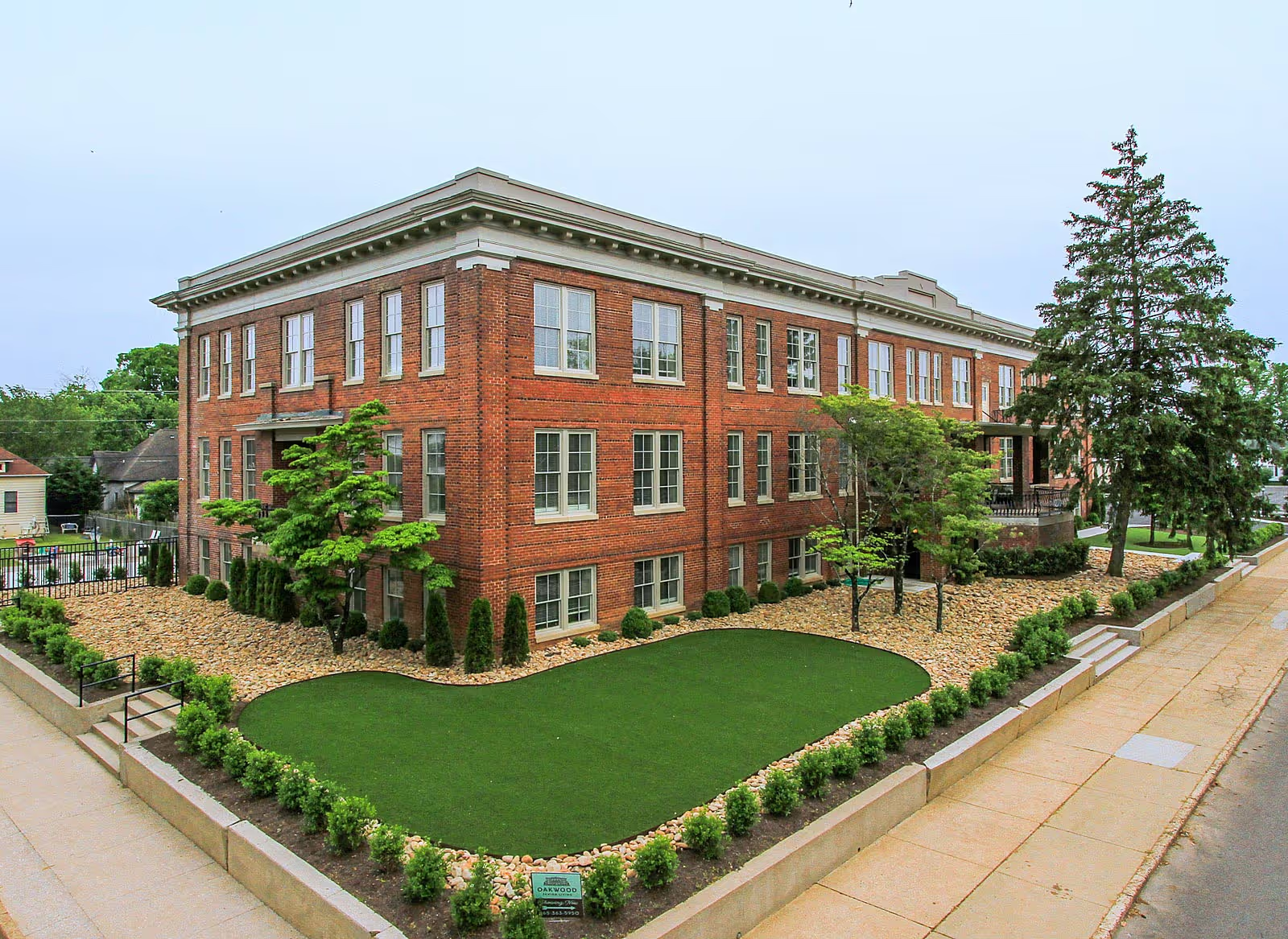
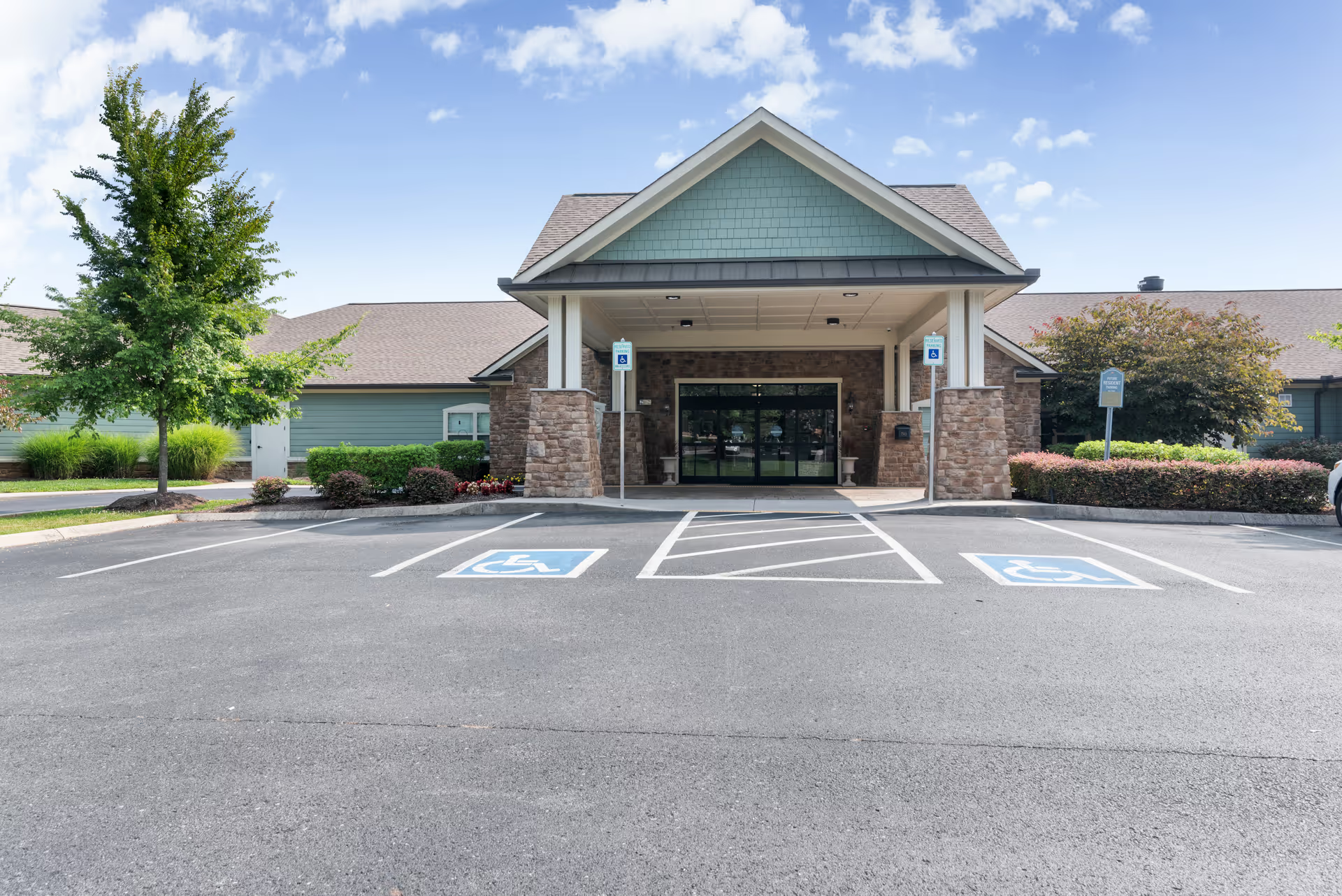
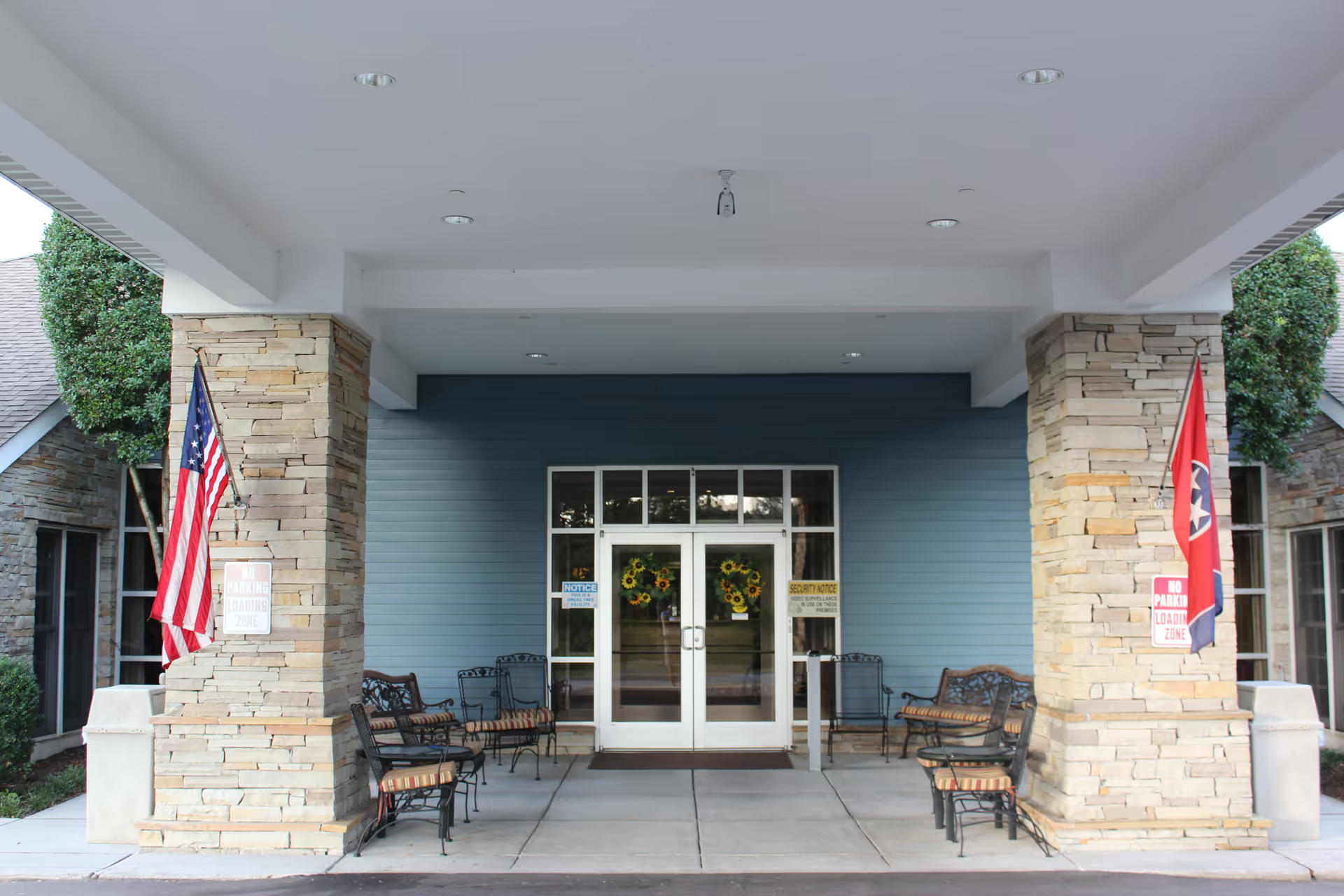
Facility impressions range from clean, pleasant, and well maintained to dated, institutional, or in need of repairs and more inviting décor. Some reviews praise spacious rooms, bright common areas, and attractive grounds; others cite inconsistent room upkeep and maintenance concerns. Overall, the reviews point to meaningful strengths in staff relationships, specialized therapy, and individual care experiences, alongside recurring concerns about staffing capacity, consistency of clinical and personal care, dining, and family communication. Prospective residents and families may wish to ask about staffing by shift, response procedures, therapy schedules, individualized diet and care plans, activity access, and how concerns are escalated.