Overall impression: Feedback paints a mixed but actionable picture. Many comments praise the facility’s warm, home-style environment, compassionate frontline caregivers, and affordable all-inclusive pricing. At the same time, recurring operational weaknesses — particularly in clinical staffing, medication processes, and activity scheduling — introduce variability in day-to-day resident experience.
Care and staff: Caregiving staff receive consistent praise for being nurturing, attentive, and relationship-oriented; several accounts describe staff forming close bonds with residents and delivering comforting end-of-life support. However, underlying staffing patterns appear inconsistent: staffing levels can be thin at times and clinical coverage is described as limited. That combination contributes to variability in responsiveness and to concerns about medication-management accuracy. Prospective families should weigh the facility’s strong interpersonal care culture against potential gaps in clinical staffing and medication controls.
Dining and activities: The dining program is often characterized as home-style and family-oriented, with many residents appreciating the down‑home cooking and communal meals. Conversely, there are also reports of inconsistent meal continuity and occasional dissatisfaction with portions or quality. Activity offerings include bingo, walks, day trips, and seasonal outdoor time, and grounds and common rooms support social life. A notable operational gap is the lack of a consistently communicated activities calendar, which can make program participation unpredictable for residents and families.
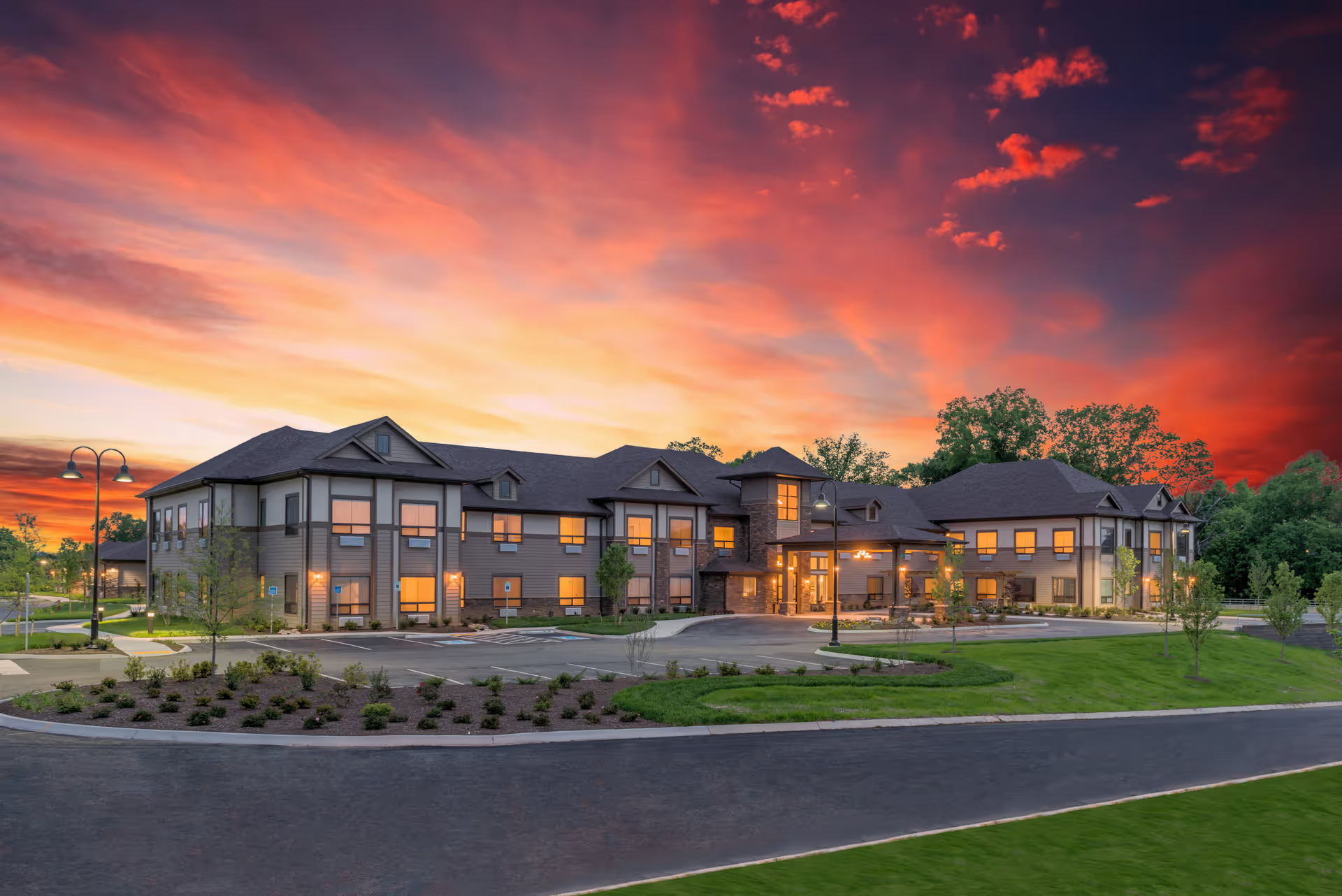
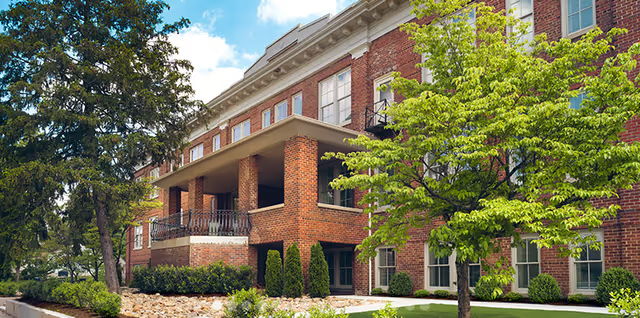
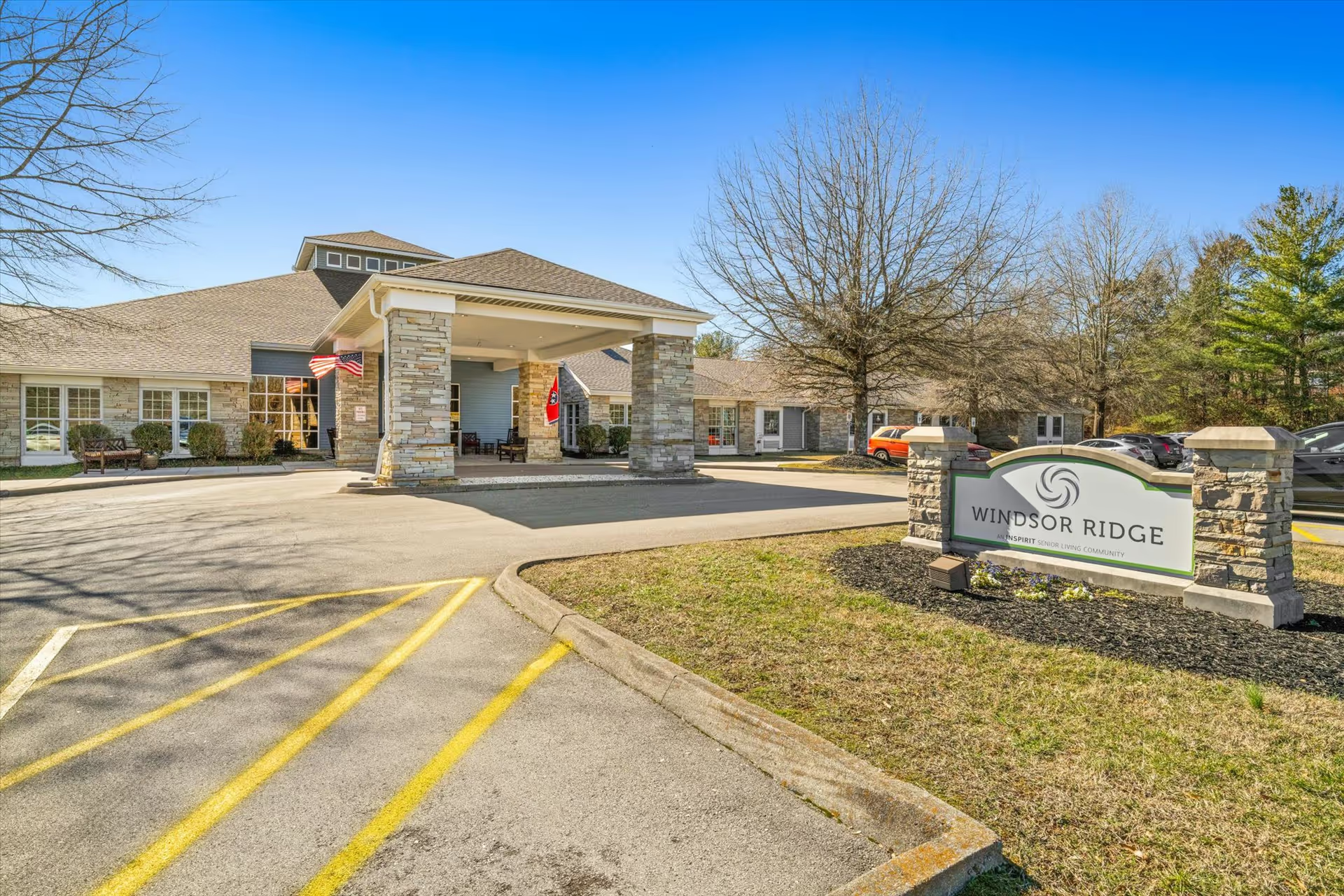
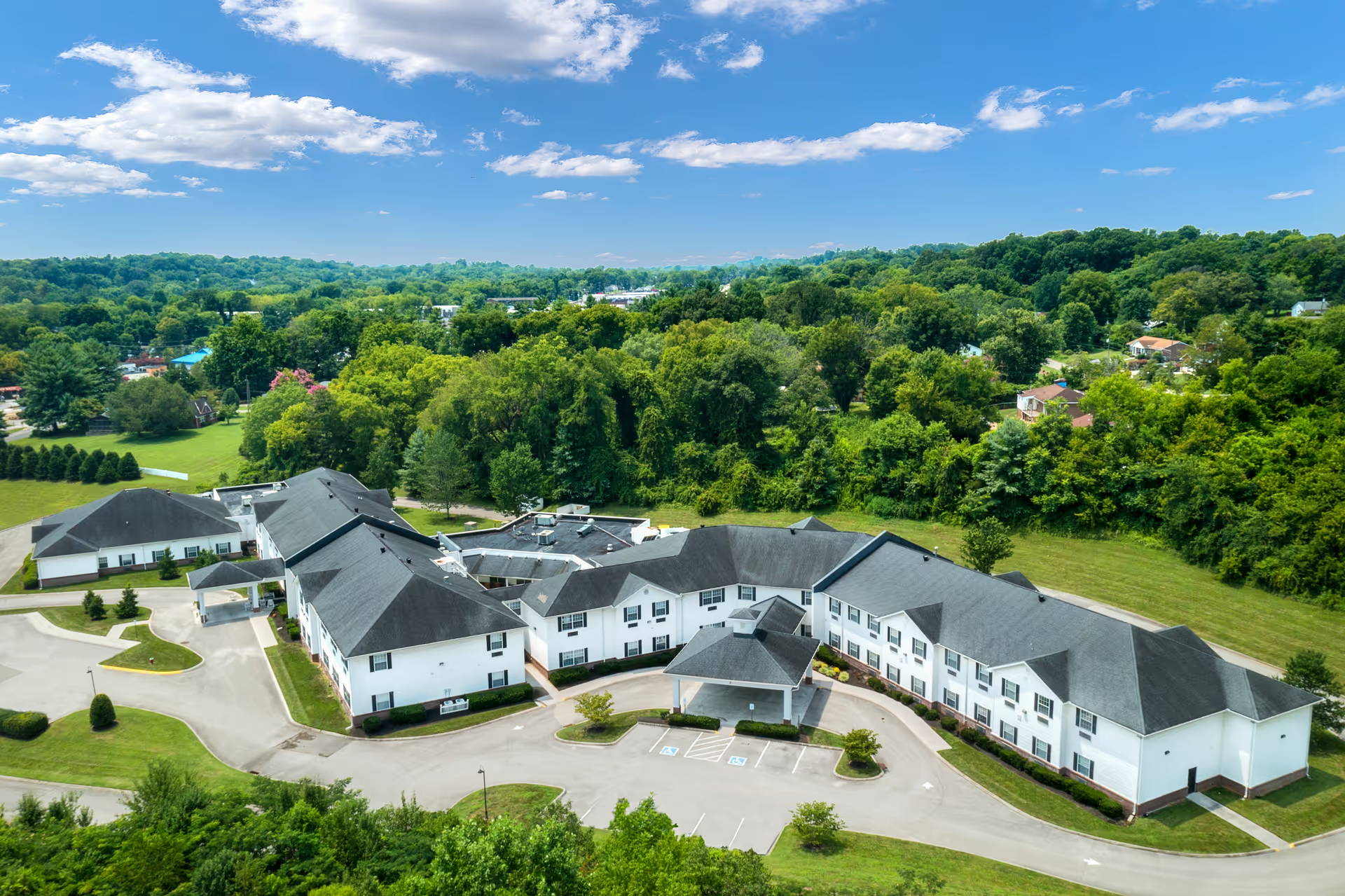
Facilities and safety: The building is described as older but functional, with large rooms that allow residents to bring personal furniture, private bathrooms in rooms, and attractive outdoor areas with covered seating. Common spaces such as dining and living rooms are highlighted as community focal points. Observations about exterior maintenance and on-site animal noise indicate areas for attention with respect to pedestrian safety and noise control. Overall sanitation is described as reasonable, though an older infrastructure may drive intermittent maintenance needs.
Management and reliability: Feedback indicates some turnover in management, with a few references to a well-regarded on-site manager who runs the place effectively. Leadership stability appears uneven, which may affect consistency of services and communication with families. The facility’s predictable monthly cost and value orientation are frequently cited as strong practical advantages, particularly for families seeking affordability.
Notable patterns and practical advice: Strengths center on compassionate direct-care staff, affordability, comfortable communal life, and supportive end-of-life care. Operational risks center on clinical staffing variability, medication-management controls, inconsistent meal service, and limited formal activity scheduling. Prospective residents and family members should verify current clinical staffing levels, ask about medication-administration protocols, request examples of an up-to-date activities calendar, and tour outdoor pathways to assess maintenance and noise conditions before making a decision.